

Policy Snapshot
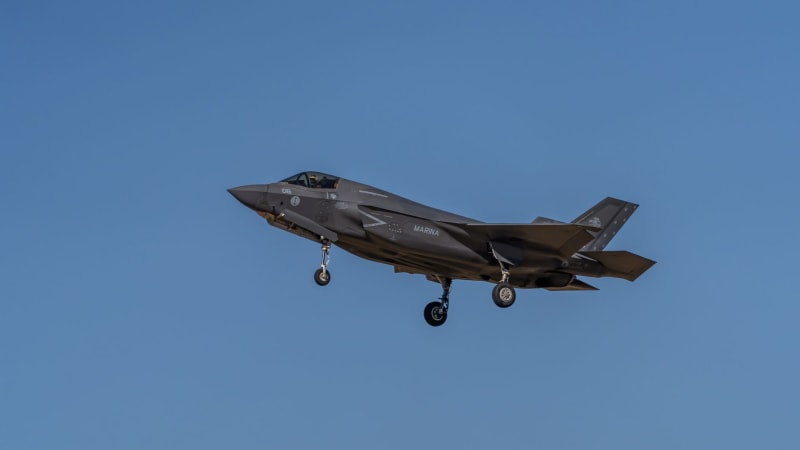
- US forces executed precision airstrikes against several Iran-backed militia targets located within Syrian territory, marking a significant escalation in regional military engagements.
- These targeted strikes were explicitly framed as a direct and proportionate response to a series of recent attacks that endangered and injured US military personnel stationed in the region.
- The Pentagon officially characterized these actions as fundamentally defensive in nature, asserting their primary objective was to deter further aggression and contribute to regional de-escalation, despite the kinetic nature of the response.
- Iran vehemently condemned the US military operations, labeling them as a blatant violation of Syria's national sovereignty and a dangerous provocation that could further destabilize the Middle East.
- The broader regional landscape is witnessing rapidly escalating tensions, prompting numerous international bodies and diplomatic entities to issue urgent calls for immediate restraint from all parties involved.
- Key international organizations and global powers are now closely monitoring the evolving situation, expressing profound concern over the potential for miscalculation and the devastating consequences of a wider conflict.
The Policy History
The United States military has maintained a strategic presence across Syria and Iraq for several years, primarily focused on the enduring mission to counter ISIS and to bolster local partner forces in their stabilization efforts. This critical deployment has, however, frequently positioned US forces in close proximity to various Iran-backed militia groups, leading to a persistent pattern of sporadic clashes and a sustained elevation of regional tensions. The current US policy framework rigorously prioritizes the protection of American personnel while simultaneously aiming to deter any further acts of aggression in a highly volatile operational environment. The legal foundation for these specific strikes is often articulated under Article II of the US Constitution, asserting the President's inherent authority to safeguard American interests and personnel abroad.
Historically, the trajectory of US engagement in the broader Middle East has been characterized by immense complexity, marked by successive administrations adopting diverse and often contrasting approaches to Iran. From the intricate negotiations surrounding the Joint Comprehensive Plan of Action (JCPOA), commonly known as the Iran nuclear deal, to the subsequent 'maximum pressure' campaign, the bilateral relationship has been fraught with profound challenges and deep-seated mistrust. The current administration endeavors to meticulously balance robust diplomatic overtures with a clear willingness to employ military force when perceived critical red lines are unequivocally crossed, particularly concerning the paramount safety and security of American troops deployed in harm's way.
The immediate precursor to the recent US military actions involved a significant uptick in sophisticated drone and rocket attacks targeting US bases and personnel in Iraq and Syria. These aggressive acts, attributed to Iran-backed proxies, prompted a direct and forceful response from Washington, signaling a zero-tolerance policy for such provocations. The decision to strike multiple targets on successive days underscores a calculated shift towards a more assertive deterrence posture, aiming to disrupt the operational capabilities of these groups and prevent future assaults. This strategic calculus is designed to re-establish deterrence credibility while navigating the perilous tightrope of regional de-escalation amidst heightened instability.
Who Is Affected
The direct and immediate impact of these military strikes is primarily borne by the Iran-backed militias operating extensively across Syria and Iraq, whose critical infrastructure, command-and-control centers, and personnel are the explicit targets. Beyond the immediate combatants, however, the local civilian populations residing in the vicinity of these strike zones face profoundly significant and unavoidable risks. The ever-present potential for devastating collateral damage, the forced displacement of families from their homes, and the severe disruption of essential daily life and humanitarian aid flows are constant, deeply concerning realities in these perpetually conflict-ridden areas, exacerbating an already dire humanitarian situation.
Furthermore, the delicate geopolitical stability of the entire broader Middle East region hangs precariously in a fragile balance, constantly threatened by these escalatory actions. Any intensification of hostilities between the United States and Iran inevitably generates far-reaching ripple effects across the globe, directly impacting volatile global oil markets, disrupting vital international shipping lanes, and critically undermining the security of numerous allied nations in the region. Diplomatic efforts, already arduous and complex, become exponentially more challenging to sustain, and the inherent risk of miscalculation by any party increases dramatically, threatening to draw in other regional and global powers into a wider, more devastating conflict.
The psychological and economic toll on the populations living under constant threat of conflict cannot be overstated. Businesses shutter, education is disrupted, and the fabric of society frays under the relentless pressure of instability. Moreover, regional allies like Israel and Saudi Arabia watch these developments with acute concern, as any direct confrontation between the US and Iran could easily spill over their borders, triggering a cascade of unpredictable events. The long-term consequences of such prolonged instability include increased radicalization, refugee crises, and a perpetual cycle of violence that undermines any hope for sustainable peace and development in the region.
The Case For
Proponents of these recent military strikes unequivocally argue that they represent a necessary and decisive measure to robustly protect US forces deployed in the region and to effectively deter any future attacks. They contend that any failure to respond with proportional and resolute force would inevitably embolden adversaries, thereby significantly undermining American credibility and influence across the Middle East. These targeted strikes are designed to transmit an unambiguous message: aggression against US personnel will not be tolerated, thereby reinforcing a posture of unwavering strength, unwavering resolve, and a commitment to safeguarding national interests and personnel abroad, ensuring operational freedom and security.
Additionally, numerous defense analysts and strategists suggest that these highly targeted kinetic actions are specifically aimed at degrading the operational capabilities of particular militia groups, consequently reducing their capacity to launch subsequent attacks against US assets or personnel. This proactive defense strategy is widely viewed as absolutely essential for maintaining a semblance of regional stability and for safeguarding critical strategic interests that are vital to American foreign policy objectives. It also serves a crucial dual purpose of reassuring key regional allies that the United States remains steadfastly committed to their security and to upholding the broader security architecture of the region.
Furthermore, supporters emphasize that these strikes are not merely retaliatory but are part of a broader strategy to recalibrate the balance of power and re-establish deterrence in a contested operational environment. By imposing costs on aggressive actors, the US aims to raise the threshold for future attacks, compelling adversaries to reconsider their tactics. This approach, they argue, is critical for preventing a gradual erosion of US influence and for ensuring that American forces can continue their vital missions, such as counter-terrorism operations, without constant harassment. A strong deterrent posture is seen as the most effective way to prevent larger, more costly conflicts down the line.
The Case Against
Critics of these military actions vociferously argue that such interventions risk profoundly escalating an already highly volatile situation, potentially drawing the United States into a far broader and more devastating conflict with Iran. They issue stark warnings that retaliatory strikes could easily trigger a dangerous and unpredictable cycle of violence, thereby destabilizing the entire region to an even greater, irreparable extent. The long-term strategic benefits of these kinetic strikes are frequently questioned, with significant concerns articulated that they may inadvertently strengthen the resolve and influence of hardline elements within Iran, counteracting any intended deterrent effect and making future diplomacy even more difficult.
Profound concerns are also consistently raised regarding the legality and proportionality of these strikes under intricate international law, particularly in the absence of explicit congressional authorization or a clear UN Security Council mandate. Opponents of military action emphatically underscore the paramount importance of pursuing diplomatic solutions and prioritizing de-escalation, suggesting that the use of military force should always be considered an absolute last resort after all other avenues have been exhausted. They firmly contend that sustained and robust diplomatic engagement, rather than repeated kinetic actions, represents the only truly viable and sustainable path toward achieving lasting peace and enduring stability in the perpetually troubled Middle East.
Furthermore, humanitarian organizations and peace advocates highlight the immense human cost of escalating conflict. Each strike, regardless of its intended target, carries the inherent risk of civilian casualties and exacerbates the already dire humanitarian crisis in Syria and Iraq. The destabilization caused by military actions can also create power vacuums, allowing extremist groups to re-emerge and thrive. Critics argue that a continuous cycle of violence only perpetuates suffering and fails to address the root causes of regional instability, advocating instead for comprehensive political solutions and robust international cooperation to foster genuine, sustainable peace.

Policy Questions Answered
Implementation Watch
The immediate aftermath of these recent strikes will be subjected to intense scrutiny, with policymakers and analysts closely monitoring for any direct or indirect signs of retaliation from Iran or its extensive network of proxies. The ultimate effectiveness of the deterrence strategy will be rigorously measured by the cessation or significant reduction of attacks on US forces in the coming days and weeks. Intelligence agencies will be meticulously scrutinizing reports for any discernible shifts in militia activity, operational patterns, and any indications of Iranian strategic adjustments in response to the US actions. The true operational success hinges not merely on the immediate destruction of targeted assets but, more crucially, on the long-term impact on adversary behavior and the restoration of a stable security environment.
Furthermore, the ensuing diplomatic fallout will necessitate exceptionally careful and nuanced management by all parties involved. International reactions, particularly from critical regional allies and strategic adversaries, will profoundly shape the prevailing narrative and dictate future policy options available to the US administration. Washington will be compelled to communicate its rationale and objectives with utmost clarity and transparency to avoid dangerous misinterpretations and to garner essential international support, or at the very least, understanding. The delicate balance between unequivocally demonstrating resolve and meticulously preventing uncontrolled escalation will represent a critical and perilous tightrope walk for policymakers in the volatile days and weeks ahead, demanding astute diplomatic skill.
Beyond the immediate tactical considerations, the long-term strategic implications of these strikes will be continuously assessed. This includes evaluating whether they genuinely contribute to regional stability or inadvertently fuel a more entrenched cycle of conflict. The international community will also be watching for signs of renewed diplomatic initiatives, as military action alone rarely provides a sustainable solution to complex geopolitical challenges. The role of economic sanctions, cyber operations, and multilateral negotiations will remain crucial in shaping the future trajectory of US-Iran relations and the broader security landscape of the Middle East, requiring a comprehensive and adaptable policy approach.












Comments
No comments yet. Be the first to comment!