

The Numbers
- Global crude oil prices witnessed a significant surge of over 5% in the past week alone, directly reflecting heightened geopolitical anxieties and supply concerns stemming from Middle Eastern instability.
- Iran's current crude oil production capacity stands at approximately 3 million barrels per day, a substantial volume that, if disrupted, could severely impact global supply and price stability.
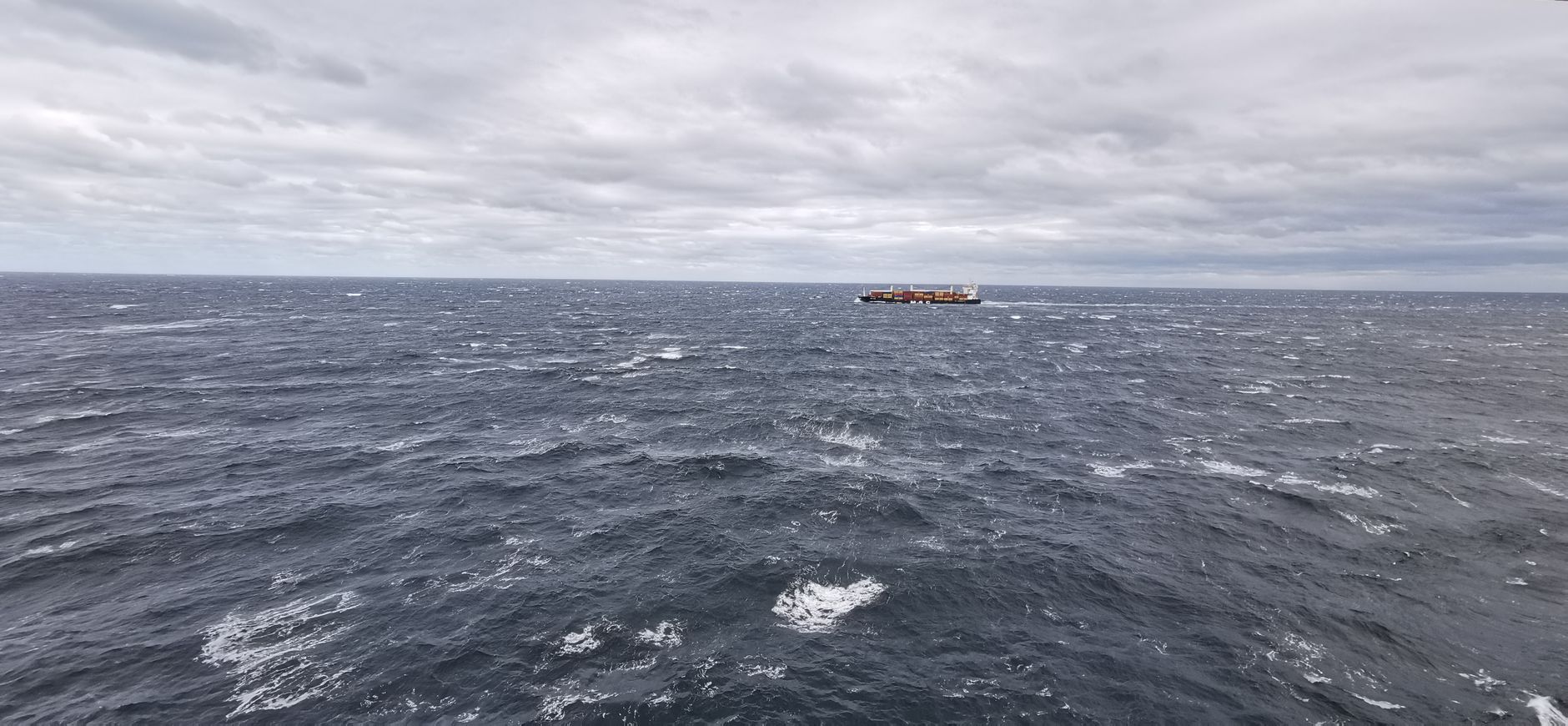
- The Strait of Hormuz, a critical maritime chokepoint, facilitates the passage of nearly 20% of the world's total oil supply, making it an indispensable artery for global energy trade.
- Previous instances of elevated rhetoric or perceived threats from the US against Iran have historically triggered immediate, albeit temporary, oil price spikes, often around 2-3% within days.
- With global oil demand hovering near 100 million barrels per day, any significant supply disruption from a major producer like Iran could create a substantial deficit, driving prices dramatically higher.
- Existing international sanctions have already severely curtailed Iran's oil exports, reducing them by an estimated 80% from peak levels, demonstrating the vulnerability of its energy sector to external pressure.
Context Check
Former President Donald Trump's recent pronouncements regarding Iran's power plants mark a significant re-escalation of rhetoric, echoing his administration's previous "maximum pressure" campaign. These statements, delivered amidst a backdrop of simmering regional conflicts, underscore a consistent hardline approach towards Tehran. His past actions, including the withdrawal from the Joint Comprehensive Plan of Action (JCPOA) and the subsequent imposition of crippling sanctions, have consistently aimed to isolate Iran and curtail its nuclear ambitions, as well as its regional influence. This renewed focus on critical infrastructure signals a potentially more aggressive posture.
The timing of these threats is particularly critical, coinciding with an ongoing global conflict that has already sent shockwaves through international energy markets. Oil prices have been experiencing significant volatility, driven by supply chain disruptions, increased demand, and geopolitical instability. The Middle East, as the world's primary oil-producing region, remains acutely sensitive to any perceived threat or actual escalation. Such rhetoric, therefore, directly contributes to market anxiety, creating a risk premium that impacts consumers and economies worldwide.
These renewed threats are not merely rhetorical flourishes; they carry substantial implications for regional stability and international security. The potential for miscalculation or unintended escalation in such a volatile environment is alarmingly high. The international community is now compelled to monitor the situation with heightened vigilance, grappling with the urgent need to de-escalate tensions while simultaneously preparing for potential ramifications. The stakes involve not only energy security but also the broader framework of peace in a critically important geopolitical arena.
Background
The intricate and often hostile relationship between the United States and Iran has been a defining feature of Middle Eastern geopolitics for over four decades, fundamentally shaped by the 1979 Islamic Revolution. This historical rupture led to a severing of diplomatic ties and ushered in an era of mutual suspicion and confrontation. While the 2015 Joint Comprehensive Plan of Action (JCPOA), or Iran nuclear deal, offered a brief period of diplomatic engagement and sanctions relief in exchange for curbs on Iran's nuclear program, its unraveling under the Trump administration in 2018 reignited profound tensions. The subsequent re-imposition of stringent economic sanctions aimed to cripple Iran's economy and force a more comprehensive agreement, but instead deepened the chasm between the two nations and intensified regional proxy conflicts.
Iran's regional foreign policy, characterized by its support for various non-state actors and its pursuit of ballistic missile capabilities, has consistently been a source of contention with the US and its allies. Accusations of destabilizing activities in Iraq, Syria, Lebanon, and Yemen are frequently leveled against Tehran, which in turn views these actions as defensive measures against perceived external threats. The ongoing US military presence in the Persian Gulf, ostensibly to safeguard maritime trade and deter aggression, is seen by Iran as a provocative encirclement. This complex interplay of security concerns, ideological differences, and proxy rivalries creates a perpetually fragile geopolitical landscape, where even minor incidents can rapidly escalate into major crises.
The current global geopolitical climate, marked by significant international conflicts and widespread economic uncertainty, provides a volatile backdrop for these renewed US-Iran tensions. While the direct US-Iran confrontation is distinct from other ongoing wars, the ripple effects are interconnected. Disruptions to global supply chains, surging energy demands, and speculative trading behaviors already contribute to an inflationary environment. Any credible threat to the Middle East's vast oil infrastructure, or to the critical shipping lanes through which a substantial portion of the world's energy flows, would inevitably send immediate and severe shockwaves across global energy markets, leading to higher prices and potentially triggering broader economic downturns that affect every nation and consumer.
Winners and Losers
In a scenario of escalating oil prices driven by geopolitical instability, major oil-producing nations, particularly those outside the immediate conflict zones, emerge as significant beneficiaries. Countries like Saudi Arabia, Russia, and even the United States (as a major producer) witness substantial increases in their national revenues, bolstering state coffers and potentially enabling greater domestic spending or strategic investments. However, this advantage is often tempered by the risk of a global economic slowdown or recession if oil prices become unsustainably high, which would eventually lead to a decrease in overall demand for their exports, creating a complex economic balancing act.
Conversely, the global consumer base and energy-importing nations are unequivocally positioned as the primary losers. Higher crude oil prices translate directly into elevated costs at the fuel pump, increased expenses for heating and electricity, and a general inflationary pressure across virtually all sectors of the economy. Businesses heavily reliant on fuel, such as airlines, shipping companies, and logistics providers, face severely diminished profit margins, often forcing them to pass these increased operational costs onto consumers, thereby further eroding purchasing power and contributing to a broader cost-of-living crisis worldwide.
Geopolitically, the landscape becomes more complex. Adversaries of the United States might perceive heightened instability in the Middle East as an opportunity to advance their own strategic interests or to further challenge the existing international order. Conversely, US allies in the region could face difficult choices regarding their security alignments and economic dependencies, potentially straining existing alliances. For the Iranian regime, despite facing severe and ongoing international sanctions, a period of heightened tensions could paradoxically be leveraged to rally domestic support, deflect internal dissent, or even to extract concessions from international powers, though the ultimate cost of direct military confrontation would be catastrophic for its infrastructure and its populace.
Analyst Perspectives
Leading geopolitical analysts largely interpret former President Trump's renewed threats against Iran as a strategic continuation of his administration's "maximum pressure" doctrine. This approach, they argue, aims to destabilize the Iranian regime, undermine its regional influence, and ultimately compel it to negotiate a more favorable nuclear deal on US terms. However, experts remain deeply divided on the long-term efficacy of such aggressive tactics. Some contend that this strategy merely hardens Tehran's resolve, potentially pushing it further towards developing indigenous nuclear capabilities and strengthening its anti-Western stance, rather than achieving desired concessions.
Energy market specialists are voicing profound concerns regarding the potential for severe supply disruptions in the event of any military escalation. They emphasize that even a credible threat of direct military action against Iran's oil infrastructure, or a perceived risk to the critical shipping lanes through the Strait of Hormuz, could trigger an immediate and dramatic surge in global crude oil prices. Such a scenario, they warn, could easily propel prices to unprecedented levels, potentially precipitating a global economic recession as businesses and consumers grapple with unsustainable energy costs and widespread inflationary pressures.
Regional security experts are issuing stark warnings about the inherent dangers of military action in the Middle East. They stress that even seemingly limited strikes or retaliatory measures could rapidly spiral out of control, igniting a broader, multi-front conflict involving various state and non-state actors across the region. The intricate web of alliances, rivalries, and proxy forces means that a localized confrontation could have devastating, widespread consequences, leading to immense humanitarian crises, massive displacement, and the profound destabilization of the entire Middle East, with global repercussions far beyond energy markets.
Key Questions Explained
The Outlook
The immediate future of US-Iran relations remains shrouded in profound uncertainty, with the risk of miscalculation or unintended escalation alarmingly high. While a full-scale military confrontation is not yet an inevitability, the heightened rhetoric from both sides, coupled with deeply entrenched ideological and strategic positions, makes de-escalation an extraordinarily complex diplomatic challenge. The absence of direct communication channels and a history of mistrust further complicate efforts to manage tensions, leaving the region vulnerable to sudden shifts and unforeseen developments that could rapidly alter the geopolitical landscape.
Global energy markets are poised to react with extreme sensitivity to every new development emanating from the Middle East. Any further escalation, whether through rhetoric, proxy actions, or direct confrontation, is highly likely to push crude oil prices even higher, exacerbating existing inflationary pressures worldwide and potentially stifling global economic growth. The stability and navigability of the Strait of Hormuz will continue to serve as a critical, real-time barometer for market sentiment, with any perceived threat to its integrity triggering immediate and severe economic repercussions across the globe.
Despite the current impasse, sustained diplomatic efforts are unequivocally crucial for navigating this precarious situation. International actors are expected to intensify their calls for immediate restraint and constructive dialogue, actively seeking viable pathways to de-escalate tensions and avert a wider regional conflict. However, with the upcoming US presidential election cycle looming, the political calculus for any administration concerning its Iran policy will be heavily influenced by domestic considerations, potentially prioritizing a tough stance over diplomatic engagement, thereby adding another layer of complexity to an already volatile situation.








Comments
No comments yet. Be the first to comment!