
The Story in Brief
- New sanctions have been officially imposed, specifically targeting technology exports to Country X, aiming to curb its advanced industrial and military capabilities and strategic infrastructure projects.
- Crucial humanitarian exemptions have been explicitly clarified by the issuing authorities, ensuring that essential goods like food, medicine, and medical devices can still reach the civilian population without undue hindrance.
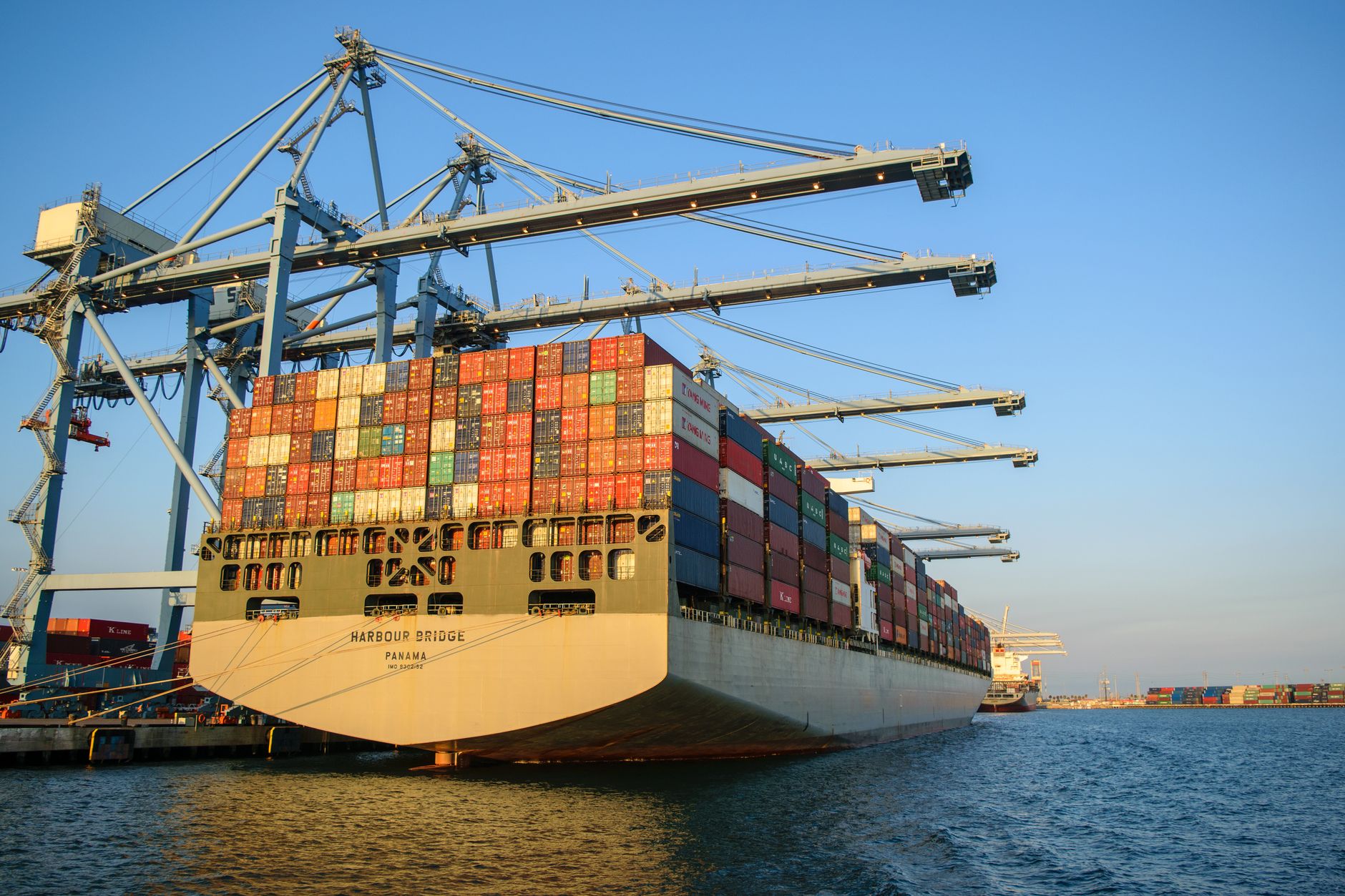
- Significant disruptions to global supply chains are now widely anticipated, particularly for industries reliant on components or raw materials previously sourced from or transiting through Country X, necessitating urgent re-evaluation.
- Companies with any existing or potential dealings in the region are strongly urged to undertake an immediate and thorough review of their current compliance frameworks and operational procedures to avoid severe penalties.
- Intense diplomatic efforts are reportedly ongoing behind the scenes, with various international bodies and key nations attempting to de-escalate tensions and find a peaceful resolution to the underlying geopolitical conflict.
- The broader economic impact is expected to ripple through several sectors, potentially affecting commodity prices, investment flows, and the overall stability of international trade relations in the coming months.
The Human Face
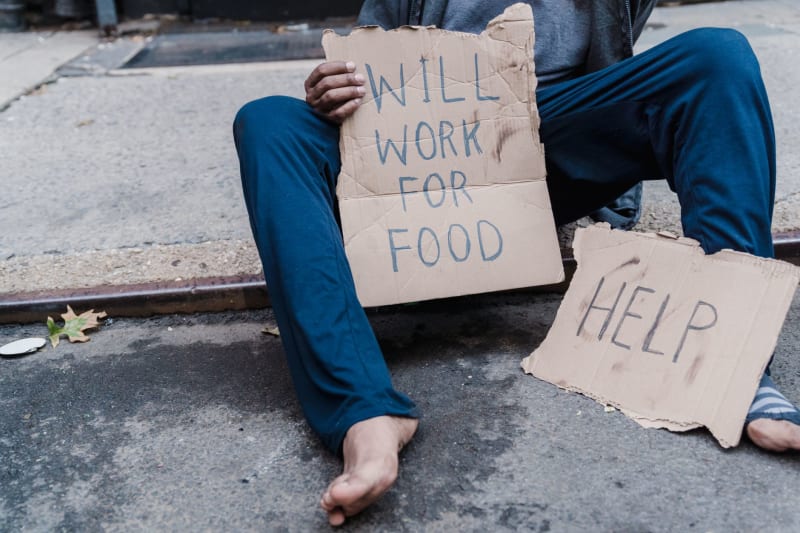
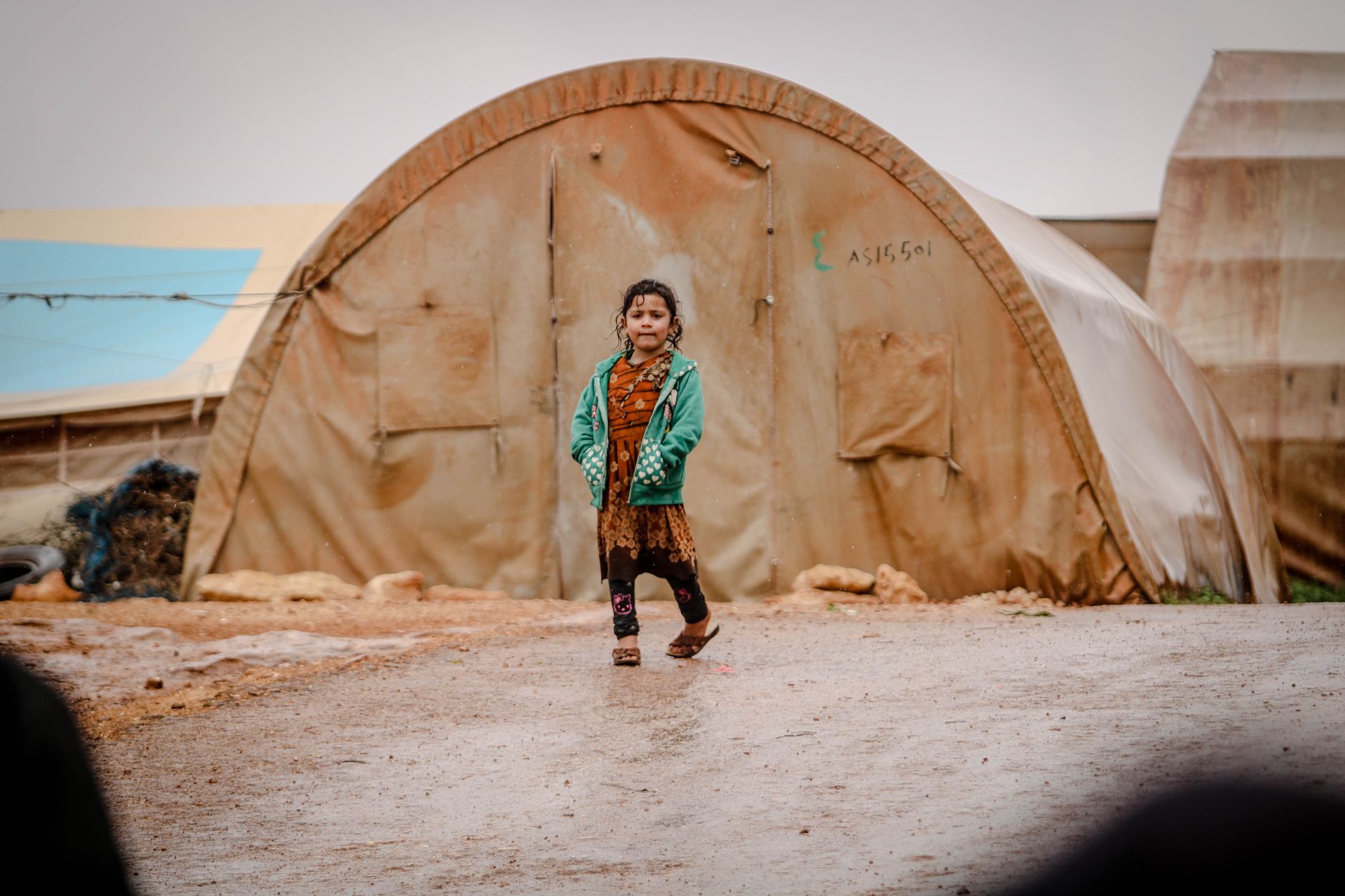
While sanctions are often framed in geopolitical and economic terms, their most profound and immediate impact is frequently felt by ordinary citizens. In Country X, there are growing concerns among human rights organizations and local communities about the potential for these new restrictions, particularly on technology, to inadvertently impede access to essential services and information crucial for daily life, even with stated humanitarian exemptions. The delicate balance between applying pressure and safeguarding civilian well-being remains a critical challenge for policymakers globally.
Non-governmental organizations (NGOs) operating on the ground are already mobilizing resources and adapting their strategies to mitigate the anticipated adverse effects of these escalating sanctions. They are working tirelessly to ensure that vital humanitarian aid, including medical supplies and food provisions, can navigate the complex new regulatory landscape and reach those most vulnerable. Their efforts are crucial in preventing a broader humanitarian crisis, yet logistical hurdles, banking restrictions, and heightened risk aversion among suppliers often complicate their mission significantly.
The international community, including the United Nations and various regional blocs, is closely monitoring the situation, acutely aware of the delicate balance between punitive measures and humanitarian responsibility. Calls for transparency regarding exemption processes and robust oversight mechanisms are intensifying to prevent unintended suffering. The long-term implications for public health, education, and basic infrastructure in Country X, should these sanctions persist or deepen, are a significant point of concern for global observers and aid agencies alike.
How We Got Here
The latest round of sanctions represents a direct and measured response to a series of increasingly provocative actions undertaken by Country X over the past several months, which have been widely condemned by international bodies. These actions, ranging from alleged violations of international norms to destabilizing regional security, have progressively eroded trust and necessitated a firmer stance from global powers. The international community views these new restrictions as a necessary, albeit regrettable, step to compel a change in behavior and restore regional stability.
The escalation of punitive measures has been a gradual but persistent process, evolving from initial diplomatic condemnations and targeted asset freezes to the current, more comprehensive restrictions on critical technology exports. This phased approach reflects a deliberate strategy to exert pressure while leaving avenues open for negotiation, though each successive step underscores the deepening resolve of the sanctioning nations. Previous attempts at de-escalation through dialogue and less stringent measures unfortunately failed to yield the desired policy shifts from Country X's leadership.
This current package of sanctions is not an isolated event but rather the latest iteration in a protracted series of international measures designed to address Country X's ongoing defiance of global consensus. Historical records indicate a pattern of diplomatic overtures being met with intransigence, forcing the international community to incrementally increase economic pressure. Understanding this historical context is vital to comprehending the current severity and scope of the restrictions, which aim to target the regime's capabilities while minimizing broader societal harm and encouraging compliance with international law.
Why This Cannot Be Ignored
The imposition of significant new sanctions on a nation with Country X's economic footprint carries substantial risks for global economic stability, extending far beyond its immediate borders. Disruptions to critical supply chains, particularly in high-tech sectors, could trigger inflationary pressures and dampen global growth prospects, impacting businesses and consumers worldwide. The interconnectedness of modern economies means that localized financial and trade restrictions can quickly cascade into broader international market volatility, demanding urgent attention from financial institutions and governments alike.
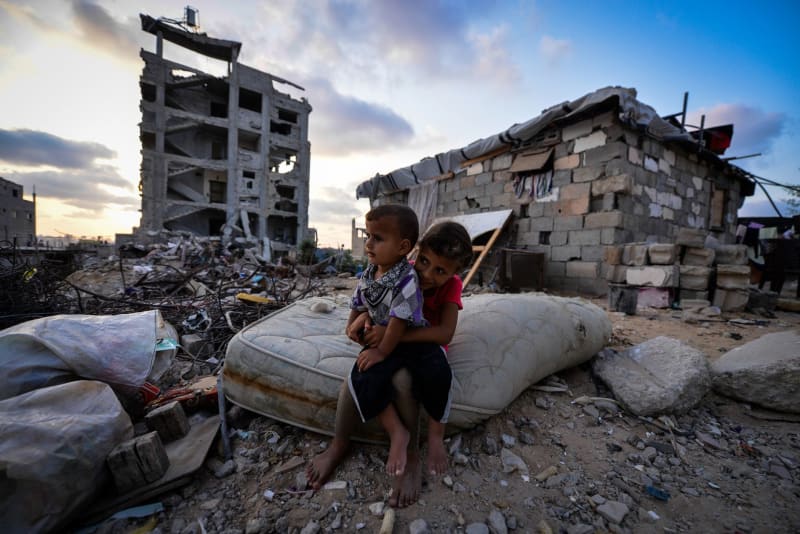
Beyond economic ramifications, there is a profound and pressing concern that these escalating sanctions could exacerbate an already precarious humanitarian situation within Country X. While exemptions for essential goods are in place, the practical challenges of navigating complex regulations, banking restrictions, and heightened risk aversion among suppliers can severely impede the flow of vital aid. A worsening humanitarian crisis would not only inflict immense suffering but also create regional instability, potentially leading to increased refugee flows and further geopolitical tensions that cannot be overlooked by the international community.
The precedent set by the international community's response to Country X's actions will inevitably shape future international relations and the efficacy of sanctions as a diplomatic tool. How these measures are implemented, monitored, and ultimately succeed or fail will be closely watched by other nations contemplating similar actions or facing similar pressures. For businesses, the evolving compliance landscape presents significant legal and reputational challenges, requiring meticulous due diligence and adaptability to avoid severe penalties and maintain ethical operating standards in a rapidly changing global environment.
Possible Paths Forward
Despite the current escalation, diplomatic dialogue remains the most viable and ultimately desirable path towards a sustainable resolution. Channels for negotiation, whether direct or through intermediaries, must be kept open and actively pursued to prevent further entrenchment and suffering. Any meaningful progress would likely involve a structured framework for de-escalation, confidence-building measures, and a clear roadmap for Country X to address the international community's concerns in exchange for sanctions relief, offering a pathway to reintegration.
Conversely, the possibility of further, more stringent sanctions cannot be discounted, particularly if Country X continues its current trajectory or escalates its provocative actions. International bodies and key nations may consider expanding the scope of restrictions to include additional sectors, individuals, or financial institutions, aiming to increase the economic pressure to an unbearable level. Such measures, while intended to force compliance, carry the inherent risk of further destabilizing the region and exacerbating humanitarian challenges, requiring careful consideration of their potential consequences and broader impact.
International mediation efforts, potentially spearheaded by neutral third parties or multilateral organizations, could play a crucial role in bridging the current impasse. A skilled mediator could facilitate communication, identify areas of common ground, and propose creative solutions that allow both sides to save face while achieving substantive progress. Such efforts would require significant political will from all parties involved, coupled with a commitment to finding a peaceful resolution that prioritizes regional stability and the well-being of the affected populations, moving beyond the current stalemate.
Questions People Are Actually Asking
What to Watch
- Closely monitor Country X's official and unofficial responses to the new sanctions, including any retaliatory measures, diplomatic statements, or shifts in its internal policies and rhetoric regarding international relations.
- Observe the immediate and medium-term impact on global energy prices, as Country X's potential reactions or supply chain disruptions could significantly influence oil and gas markets worldwide, affecting consumer costs.
- Track discussions and resolutions within the United Nations Security Council and other international forums, as these bodies may introduce further diplomatic initiatives or condemnations, shaping future policy.
- Analyze the upcoming earnings reports from major technology companies and multinational corporations to gauge the direct financial impact of disrupted supply chains, increased compliance costs, and market adjustments.
- Pay close attention to the flow and distribution of humanitarian aid within Country X, specifically how effectively exemptions are being utilized and if new logistical bottlenecks emerge, affecting vulnerable populations.
- Watch for any signs of internal dissent or political instability within Country X, as prolonged economic pressure can sometimes lead to shifts in domestic power dynamics or public sentiment, influencing the regime's future.
- Follow the actions of key international allies and trading partners, as their alignment or divergence from the current sanctions regime could significantly alter its overall effectiveness and global reach, impacting its leverage.






Comments
No comments yet. Be the first to comment!