

What We Know
- Russia initiated a massive, coordinated missile and drone assault targeting numerous Ukrainian cities, marking one of the most extensive aerial bombardments since the full-scale invasion began.
- Key urban centers including Kyiv, Lviv, Kharkiv, Odesa, and Dnipro were simultaneously struck, indicating a broad strategy to overwhelm Ukrainian air defenses and inflict widespread damage.
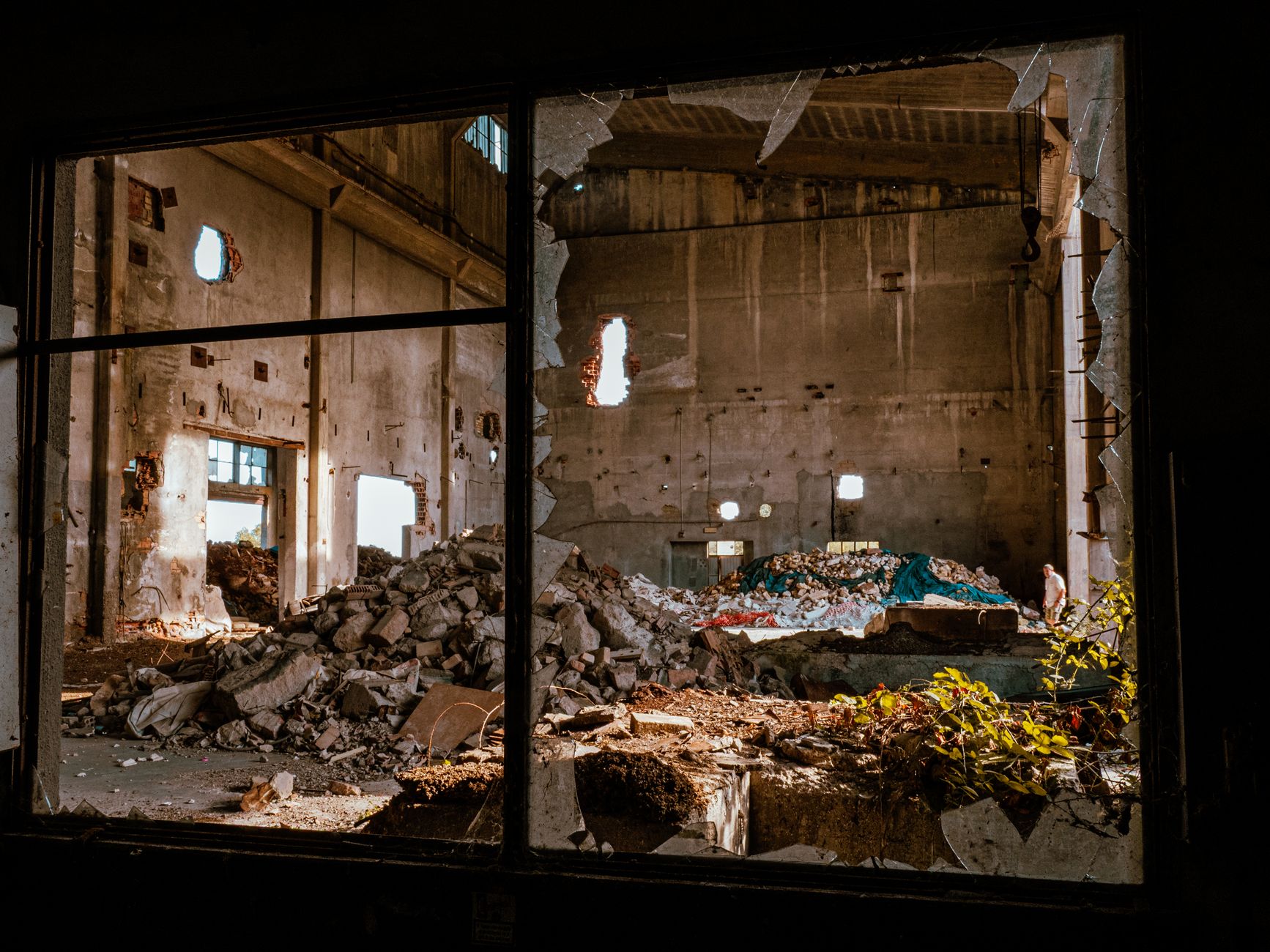
- Critical energy infrastructure, residential buildings, and civilian areas suffered significant damage, leading to widespread power outages and disruptions to essential services across the country.
- Ukrainian officials have confirmed multiple civilian fatalities and numerous injuries, with emergency services working tirelessly to rescue survivors from collapsed structures and provide urgent medical aid.
- The attacks utilized a diverse arsenal, including cruise missiles, ballistic missiles, and Shahed-type drones, highlighting Russia's continued capacity to project significant destructive power.
- International observers and allied nations have swiftly condemned the attacks, with calls for increased military assistance to Ukraine and further sanctions against the Russian Federation.
What We Do Not Know Yet
- The complete financial and structural cost of the damage inflicted upon Ukraine's infrastructure, particularly its energy grid and transportation networks, is still being assessed amidst ongoing recovery efforts.
- The precise and verifiable number of civilian and military casualties, including those critically injured and missing, remains fluid as search and rescue operations continue in affected areas.
- Russia's overarching strategic objectives behind this intensified bombardment, specifically whether it aims to force negotiations, cripple Ukraine's war effort, or simply sow terror, are not yet definitively clear.
- The specific nature and scale of the immediate international response, beyond initial condemnations, including potential new military aid packages or escalated sanctions, are still under active discussion among allied nations.
- How Ukraine will adapt its air defense strategies and civilian protection measures in response to this new wave of sophisticated, multi-directional attacks is an evolving challenge yet to be fully revealed.
- The potential for further retaliatory actions from either side, and how these might shape the immediate trajectory of the conflict, remains a critical unknown for regional and global stability.
Background
The full-scale invasion of Ukraine by Russia, initiated in February 2022, marked a dramatic and tragic turning point in European security. What began as a localized conflict in 2014 escalated into a brutal, protracted war that has reshaped geopolitical alliances and challenged international norms. Despite numerous attempts at mediation and ceasefire agreements, a lasting peace remains elusive, with both sides entrenched in their positions and unwilling to concede significant ground. The conflict has been characterized by intense ground battles, devastating artillery duels, and periodic missile strikes targeting various Ukrainian regions, creating an environment of constant uncertainty and fear for civilians.
Prior to this recent barrage, the conflict had settled into a grinding war of attrition, particularly along the eastern and southern front lines. While major urban centers like Kyiv had experienced periods of relative calm, punctuated by occasional air raid alerts, the intensity of fighting in regions such as Donetsk and Zaporizhzhia remained consistently high. Ukraine, supported by Western military aid, has demonstrated remarkable resilience, reclaiming significant territory and effectively defending its airspace against numerous Russian incursions. However, Russia has consistently sought to undermine Ukraine's infrastructure and morale through targeted strikes, particularly against energy facilities during colder months, aiming to cripple the nation's ability to sustain itself.
This latest widespread bombardment represents a significant departure from recent patterns, indicating a renewed and perhaps desperate strategy by Moscow to exert pressure on Ukraine and its international backers. It follows a period where Russia has faced challenges on the battlefield, including successful Ukrainian counter-offensives and the ongoing depletion of its advanced weaponry. The timing of these attacks, often coinciding with critical political developments or perceived Ukrainian successes, suggests a deliberate effort to project power and disrupt the flow of Western support. The humanitarian consequences of this prolonged conflict are catastrophic, with millions displaced and a dire need for sustained international assistance.
Why It Matters
This latest wave of widespread Russian missile attacks represents a critical escalation in the ongoing conflict, fundamentally altering the calculus for both Ukraine and its international allies. The sheer scale and coordinated nature of these bombardments, targeting multiple cities simultaneously, underscore Russia's intent to inflict maximum damage and terrorize the civilian population. Such actions not only lead to tragic loss of life and extensive destruction of vital infrastructure but also signal a dangerous shift in the conflict's dynamics, potentially pushing it towards an even more destructive phase. The immediate human cost, measured in lives lost and homes destroyed, is immeasurable and demands urgent humanitarian intervention.
Beyond the immediate devastation, these attacks carry profound geopolitical implications. They test the resolve of the international community, particularly Western nations providing military and financial aid to Ukraine. The attacks could galvanize greater support for Ukraine, leading to accelerated deliveries of advanced air defense systems and offensive weaponry, or conversely, they could be interpreted as a sign of Russia's unwavering commitment, potentially leading to calls for de-escalation from some quarters. The stability of the entire European continent is inextricably linked to the outcome of this conflict, and any significant escalation risks broader regional instability, impacting energy markets, trade routes, and diplomatic relations far beyond Ukraine's borders.
Economically, the sustained targeting of Ukraine's energy grid and industrial capacity threatens to deepen its already severe economic crisis, making post-war reconstruction an even more daunting challenge. Globally, the conflict continues to disrupt critical supply chains, particularly for food and energy, contributing to inflation and economic uncertainty worldwide. For the Ukrainian people, these attacks are not just military actions but psychological warfare, designed to break their spirit and undermine their resilience. The international community's response, therefore, must be robust and unwavering, not only to protect Ukraine but to uphold the principles of sovereignty and international law that are under direct assault.
Timeline of Events
- **Early Morning (05:00-07:00 local time):** Initial reports from across Ukraine confirm multiple waves of cruise and ballistic missile launches, with air raid sirens blaring nationwide, signaling a large-scale aerial assault.
- **Mid-Morning (07:00-09:00 local time):** Major cities including Kyiv, Lviv, Kharkiv, Dnipro, and Odesa report direct hits on critical infrastructure and residential areas, leading to immediate power outages and widespread destruction.
- **Late Morning (09:00-11:00 local time):** Ukrainian emergency services, including firefighters and paramedics, are deployed en masse to dozens of affected sites, commencing search and rescue operations amidst rubbled buildings and burning debris.
- **Afternoon (12:00-16:00 local time):** Ukrainian President Volodymyr Zelenskyy issues a strong condemnation, vowing resilience and calling for increased air defense support from international partners, while casualty figures begin to emerge.
- **Late Afternoon (16:00-19:00 local time):** Key international bodies, including the UN and NATO, along with leaders from the G7 nations, issue swift and unequivocal condemnations of Russia's escalating aggression, pledging continued support for Ukraine.
- **Evening (19:00 onwards local time):** Residents in many targeted cities face a night without power or heating, as repair crews work under challenging conditions, and global media outlets highlight the devastating impact of the coordinated attacks.
Rapid-Fire Q&A
What Is Coming
- Expect intensified diplomatic pressure and renewed calls from international bodies and allied nations for Russia to immediately cease its aggressive actions and withdraw from Ukrainian territory, potentially leading to new rounds of sanctions.
- Ukraine is likely to receive accelerated and expanded military assistance from its Western partners, with a particular focus on advanced air defense systems and interceptor missiles to counter future aerial bombardments more effectively.
- The humanitarian crisis will undoubtedly deepen, requiring a significant increase in international aid for emergency relief, shelter, and medical supplies, especially as winter conditions exacerbate the challenges faced by displaced populations.
- Ukraine may respond with its own strategic counter-actions, potentially targeting Russian military assets or supply lines, as a means of deterrence or to demonstrate its continued capacity to strike back against aggression.
- The global energy market could experience further volatility and price increases if critical energy infrastructure in Ukraine continues to be targeted, impacting supply chains and consumer costs worldwide.
- Discussions about long-term reconstruction efforts for Ukraine will gain renewed urgency, with international conferences and financial commitments likely to be prioritized to address the immense scale of destruction.











Comments
No comments yet. Be the first to comment!