


At a Glance
- Brazilian President Luiz Inácio Lula da Silva has vehemently criticized new US tariff proposals, declaring that Brazil will not accept what it perceives as unfair trade treatment.
- The proposed tariffs specifically target steel and aluminum imports originating from countries that the United States classifies as 'non-market economies,' raising significant questions about classification criteria.
- Brazil strongly asserts its status as a fully-fledged market economy, arguing that it should be unequivocally exempt from such restrictive and potentially damaging trade measures.
- Lula has issued a stern warning, suggesting that if these tariffs proceed, they could precipitate a detrimental trade war, negatively impacting global economic stability and international relations.
- The United States justifies its stance by claiming these tariffs are crucial for safeguarding its domestic industries, protecting national security interests, and ensuring fair competition.
- Intensive diplomatic efforts are currently underway between Brasília and Washington to de-escalate the burgeoning dispute and seek a mutually agreeable resolution before the tariffs are formally implemented.
The Record
Brazilian President Luiz Inácio Lula da Silva has voiced strong disapproval regarding proposed new tariffs by the United States. These tariffs, aimed at steel and aluminum imports from countries deemed 'non-market economies,' have ignited a diplomatic firestorm, with Brazil asserting its status as a fully-fledged market economy. Lula's administration views the move as an unfair and discriminatory action that could severely impact Brazil's vital export sectors and broader economic stability. The rhetoric from Brasília suggests a firm stance against what it perceives as protectionist measures disguised under national security pretexts, threatening to escalate trade tensions between two significant global players.
The US Commerce Department's recent proposal seeks to re-evaluate how certain countries are classified in trade disputes, potentially broadening the scope for imposing anti-dumping and countervailing duties. While the specific language targets 'non-market economies,' the application of such tariffs often creates ripple effects, catching nations like Brazil in the crosshairs. This policy shift reflects a broader trend in US trade strategy under the current administration, emphasizing domestic industrial protection and supply chain resilience. The economic implications for Brazil, a major steel and aluminum producer, are substantial, potentially leading to reduced market access and significant revenue losses for its industries.
Lula's comments underscore a growing frustration within Brazil over what it perceives as inconsistent and often unilateral trade policies from its Western partners. The President explicitly stated that Brazil 'cannot accept treatment' that undermines its economic sovereignty and established trade relationships. This sentiment resonates with other developing nations that often find themselves navigating complex global trade rules, which they argue are frequently skewed in favor of larger economies. The current dispute highlights the ongoing challenges in maintaining equitable international trade relations and the potential for protectionist policies to disrupt established economic partnerships.
Who Knew and When
Discussions surrounding potential US tariff adjustments have been circulating within trade circles for several months, intensifying after initial signals from the Commerce Department earlier this year. Industry analysts and diplomatic observers were aware of a growing inclination within the US administration to bolster domestic manufacturing through various protectionist measures. While Brazil was not explicitly named in early public statements, the broad criteria for 'non-market economies' raised immediate concerns among Brazilian trade officials, who began monitoring developments closely. The formal proposal, however, brought these simmering concerns to a boiling point, prompting Lula's direct and forceful public response.
Key stakeholders in Brazil's steel and aluminum sectors, including major producers and industry associations, were reportedly engaged in internal discussions and lobbying efforts even before the official US proposal. They had anticipated such a move, given the global economic climate and the US's stated priorities. These groups were actively preparing contingency plans and advocating for diplomatic intervention, understanding the potential economic fallout. The Brazilian government, through its Ministry of Foreign Affairs and Ministry of Economy, had also been in preliminary contact with US counterparts, attempting to preemptively address the issue and clarify Brazil's market economy status.
The timing of Lula's public condemnation aligns with the heightened visibility of the proposed tariffs, moving from bureaucratic discussions to a more concrete policy threat. His intervention signals a strategic decision to elevate the issue to the highest political level, aiming to exert maximum diplomatic pressure on the United States. This public stance is designed not only to rally domestic support but also to send a clear message to international partners about Brazil's resolve to protect its economic interests. The situation underscores the delicate balance between national economic policies and the broader implications for global trade stability.
Voices from the Ground
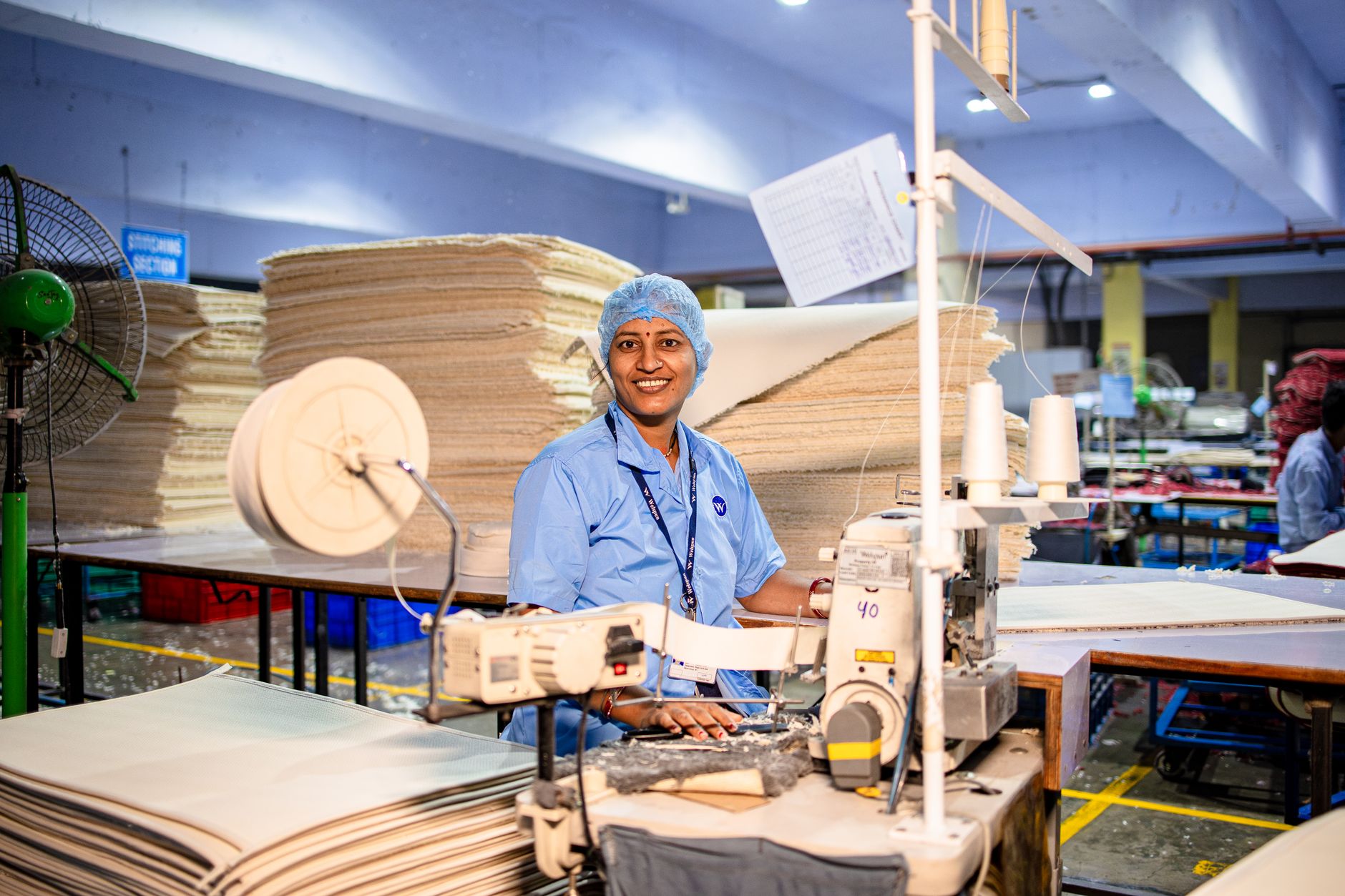
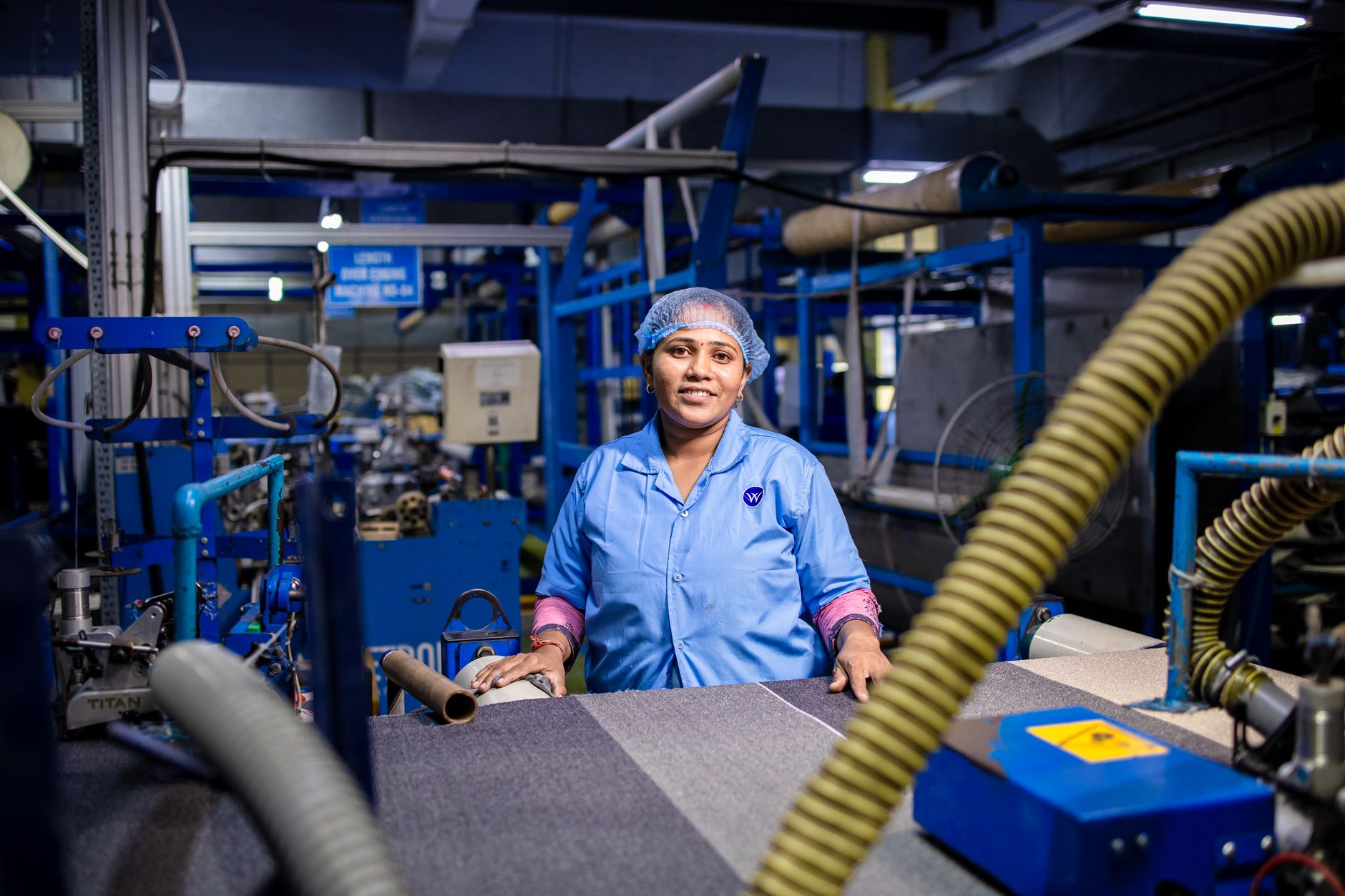
Brazilian steelworkers and aluminum producers are expressing deep apprehension over the potential impact of the proposed US tariffs. Many fear job losses and significant economic downturns in regions heavily reliant on these industries. 'Our livelihoods depend on stable export markets, and the US is a crucial one,' stated Maria Silva, a steel mill worker from Minas Gerais, reflecting a widespread sentiment of vulnerability. 'These tariffs aren't just about trade numbers; they're about families and communities.' The uncertainty is palpable, with many questioning how their companies will adapt if a major market suddenly becomes less accessible or unprofitable. This anxiety underscores the human cost of international trade disputes, moving beyond abstract economic figures to tangible concerns about daily survival.
Industry leaders have echoed these concerns, emphasizing the competitive disadvantage these tariffs would create. 'Brazil's steel and aluminum are produced efficiently and meet international standards. To be unfairly categorized and penalized is unacceptable,' remarked João Costa, CEO of a prominent Brazilian aluminum company. He highlighted the significant investments made by Brazilian firms to modernize operations and comply with global trade regulations. The prospect of losing market share to competitors not subject to similar tariffs is a major worry, potentially stifling innovation and future growth within the sector. This situation could force companies to reconsider investment strategies and potentially scale back operations, leading to broader economic repercussions.
Beyond direct industry players, economists and trade experts in Brazil are also weighing in, warning of broader macroeconomic consequences. 'These tariffs could trigger retaliatory measures, escalating into a trade war that harms global supply chains and consumer prices,' explained Dr. Ana Pereira, a leading Brazilian economist. She stressed that such protectionist moves often lead to a 'race to the bottom,' where all parties ultimately lose. The potential for increased inflation, reduced foreign investment, and a slowdown in economic growth are serious considerations that the Brazilian government must navigate. The consensus among experts is that a diplomatic resolution is paramount to avoid a detrimental spiral of trade barriers.
The Debate
The core of the debate revolves around Brazil's classification as a 'market economy.' The US argument, while not explicitly labeling Brazil a non-market economy, applies broad criteria that could inadvertently ensnare it. Brazil vehemently asserts its market economy status, pointing to its open markets, floating exchange rate, and adherence to international trade norms. Critics of the US proposal argue that such broad-brush classifications undermine established trade principles and could be perceived as thinly veiled protectionism. They contend that singling out specific countries or categories without clear, universally accepted economic metrics risks politicizing trade relations and disrupting global supply chains. The legitimacy of applying such a designation to a G20 nation with a robust, diversified economy is a central point of contention.
Proponents of the US tariffs, primarily domestic industries and some policymakers, argue that these measures are essential to protect national security and prevent unfair competition from state-subsidized foreign producers. They contend that an influx of cheap imported steel and aluminum can cripple domestic industries, leading to job losses and a weakening of critical infrastructure. While acknowledging Brazil's market economy status, some US officials might argue that the global overcapacity in these sectors necessitates a broader approach to safeguard strategic industries. This perspective prioritizes domestic industrial resilience over strict adherence to traditional market economy classifications, framing the issue as one of economic sovereignty and national interest.
The international community is watching closely, with many nations concerned about the precedent these tariffs could set. Trade organizations and multilateral bodies are advocating for dialogue and adherence to World Trade Organization (WTO) rules. The debate extends beyond the immediate economic impact, touching upon the future of global trade governance and the effectiveness of existing dispute resolution mechanisms. Should the US proceed, it could embolden other nations to adopt similar protectionist stances, potentially fragmenting the global trading system. The resolution of this dispute will likely influence how major economies navigate trade imbalances and industrial policy in an increasingly interconnected yet protectionist world.

Your Questions Answered
What Accountability Looks Like
Accountability in this trade dispute hinges on several factors, primarily the transparency and fairness of the US classification process and Brazil's ability to effectively advocate for its economic interests. The US Commerce Department must demonstrate that its criteria for applying these tariffs are objective, non-discriminatory, and consistent with international trade law, rather than being perceived as arbitrary protectionism. If the tariffs proceed without a clear, justifiable economic basis that withstands scrutiny, the US would face accountability for potentially violating WTO principles and damaging bilateral trade relations. This would necessitate a robust defense of its policy rationale on the global stage, potentially leading to international condemnation and legal challenges.
For Brazil, accountability means ensuring its diplomatic efforts are strategic and persistent. President Lula's administration is accountable to its industries and citizens to protect their economic well-being. This involves not only vocal protests but also rigorous legal preparation for a potential WTO challenge and sustained engagement with US policymakers. If Brazil fails to secure an exemption or a favorable resolution, it would need to clearly articulate its strategy for mitigating the economic fallout and supporting affected sectors. The government's ability to unite domestic stakeholders and present a unified front will be crucial in demonstrating its commitment to protecting national interests.
Ultimately, both nations are accountable to the principles of fair and open trade, which underpin the global economic system. A failure to resolve this dispute amicably and within established international frameworks could set a dangerous precedent, encouraging other countries to resort to unilateral protectionist measures. This would erode trust in multilateral institutions and potentially destabilize global supply chains. Accountability, therefore, extends beyond the immediate bilateral relationship to the broader health of international trade, demanding that both the US and Brazil prioritize dialogue and mutually beneficial solutions over escalating trade tensions.








Comments
No comments yet. Be the first to comment!