
At a Glance
- NATO air policing assets swiftly intercepted an unidentified Russian military drone operating dangerously close to, and briefly within, Latvian sovereign airspace, demonstrating rapid response capabilities.
- The incident occurred over the Baltic Sea near Latvia's coast, a region consistently experiencing increased Russian military activity and aerial provocations, raising significant security concerns.
- The intercepted aircraft was confirmed as a Russian reconnaissance unmanned aerial vehicle (UAV), indicative of Moscow's ongoing intelligence gathering efforts targeting NATO's eastern flank.
- This latest incursion underscores a worrying pattern of airspace violations by Russian forces, challenging NATO's collective defense posture and testing allied response protocols.
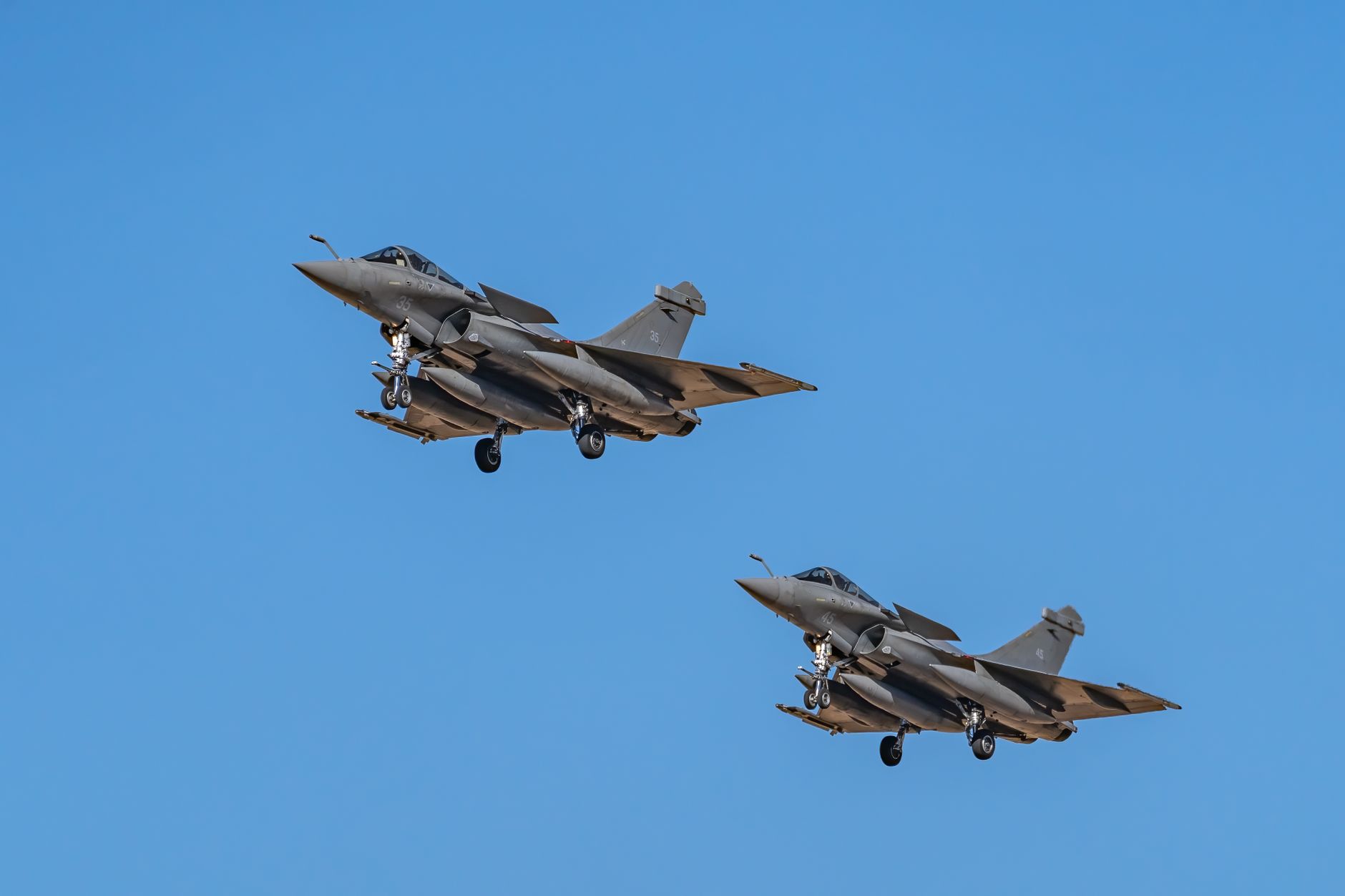
- Allied forces, specifically fighter jets from a NATO air policing mission, executed a professional and non-confrontational interception, escorting the drone away from sensitive areas without incident.
- The event has prompted renewed calls for enhanced air defense integration and vigilance across the Baltic states, emphasizing the persistent and evolving threat landscape in the region.
The Record
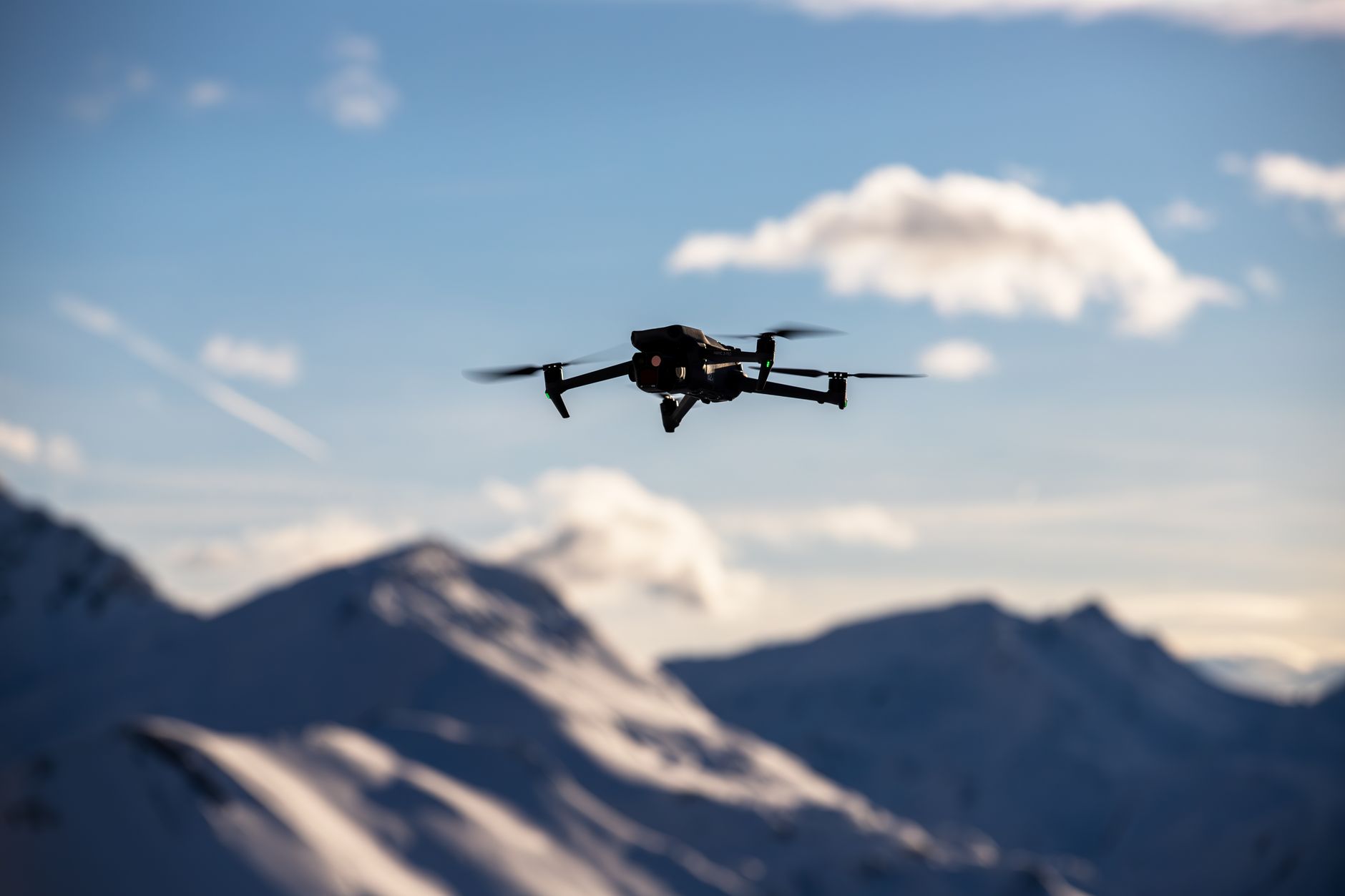
On [Date], NATO's standing air policing mission in the Baltic region was activated following the detection of an unidentified aircraft approaching Latvian airspace. Operating from [Base Name], allied fighter jets were scrambled with immediate effect to investigate the radar signature. The aircraft was subsequently identified as a Russian military drone, which briefly entered and then skirted the periphery of Latvia's sovereign air territory. This swift and decisive interception highlights NATO's unwavering commitment to safeguarding the integrity of its member states' airspace and maintaining a robust defensive posture against potential incursions.
This incident is not an isolated event but rather part of a discernible pattern of increased Russian military aviation activity near NATO borders, particularly in the strategically vital Baltic Sea region. Such actions are consistently interpreted by alliance members as deliberate provocations and intelligence-gathering missions, designed to test response times, gather electronic signatures, and project power. The persistent nature of these incursions raises profound concerns about regional stability and the potential for miscalculation, compelling NATO to maintain a heightened state of readiness and continuous surveillance.
The rapid and professional response by NATO air assets serves as a clear demonstration of the alliance's collective defense capabilities and its resolve to protect every inch of its territory. By intercepting and escorting the Russian drone without direct confrontation, NATO pilots adhered strictly to established international protocols, preventing escalation while unequivocally asserting territorial sovereignty. This incident reinforces the critical importance of integrated air defense systems and the seamless coordination among allied nations, sending an unambiguous message that airspace violations will not be tolerated.
Who Knew and When
The initial detection of the unidentified aerial target occurred at approximately [Time] local time, originating from Latvian air traffic control systems. These systems, integrated with broader NATO air surveillance networks, immediately flagged the unusual trajectory and lack of transponder signals from the approaching aircraft. Within moments, this critical intelligence was relayed to NATO's Combined Air Operations Centre (CAOC) at Uedem, Germany, the nerve center responsible for coordinating air policing missions across Northern Europe. This rapid information flow underscores the sophisticated early warning capabilities deployed across the alliance.
The decision to scramble NATO fighter jets was made with exceptional speed, reflecting pre-approved rules of engagement for airspace violations and the high readiness posture of the deployed forces. Public confirmation of the interception came within hours, with official statements from both NATO headquarters and the Latvian Ministry of Defense. These statements were carefully crafted to confirm the incident, emphasize the professional conduct of the allied pilots, and reiterate the commitment to territorial integrity, while avoiding inflammatory language that could further escalate tensions. Transparency in such situations is paramount for managing public perception and international relations.
Beyond the immediate operational response, intelligence agencies across NATO member states would have been actively monitoring the situation, analyzing the drone's flight path, capabilities, and potential objectives. This involves correlating radar data with signals intelligence and other classified information to build a comprehensive picture of Russian intentions and capabilities. The timely sharing of such intelligence among allies is crucial for understanding the evolving threat landscape and adapting defensive strategies, ensuring that future responses are informed and proportionate. This multi-layered intelligence effort underpins NATO's strategic awareness.
Voices from the Ground
Residents living along the Latvian coast and near major airbases often become unintentional witnesses to these geopolitical maneuvers. Many reported hearing the distinct roar of fighter jets, a sound that has become increasingly common but no less unsettling. One local, Elīna Kalniņa, remarked, 'It's a constant reminder of how close the conflict feels. You hear the jets, and your mind immediately goes to what might be happening out there. It creates a background hum of anxiety, even if we know NATO is protecting us.' This proximity to military activity fosters a palpable sense of unease among the civilian population.
Military analysts and defense experts are quick to contextualize these incidents, offering crucial perspectives on their strategic implications. Dr. Jānis Bērziņš, a senior fellow at the Baltic Security Foundation, observed, 'These drone incursions are not random acts; they are calculated probes. Russia is testing our reaction times, our radar coverage, and our political resolve. Every interception provides them with valuable data, even if it's just about how quickly we respond.' He further elaborated that such actions serve to normalize military presence and subtly challenge established norms of international airspace.
While official statements are often measured, political figures frequently voice stronger sentiments. Latvian Defense Minister Andris Sprūds, for instance, has repeatedly emphasized the need for unwavering vigilance and robust investment in national defense capabilities, echoing calls from other Baltic leaders. 'Every violation, no matter how brief, is a serious breach of our sovereignty,' Sprūds stated in a recent interview. 'It necessitates a firm and united response from the entire alliance.' These sentiments reflect a deep-seated concern within the region regarding Russian intentions and the imperative to project strength and unity.
The Debate
The persistent pattern of Russian airspace incursions, exemplified by the recent drone incident, continues to fuel a nuanced but critical debate within NATO regarding the optimal strategy for deterrence and response. One prominent school of thought advocates for a more assertive posture, suggesting that current responses, while professional, might not be sufficiently deterrent. Proponents argue for stronger diplomatic consequences, potentially including targeted sanctions or more robust military exercises designed to send an unequivocal message that such provocations carry significant costs. This perspective emphasizes the need to actively shape Russia's risk calculus.
Conversely, another influential perspective within the alliance champions a cautious approach, prioritizing de-escalation and maintaining open communication channels to prevent accidental confrontations. This viewpoint stresses the inherent dangers of overreaction, particularly in a region already fraught with geopolitical tensions. Advocates for this approach argue that overly aggressive responses could inadvertently provide Moscow with a pretext for further escalation or misinterpretations that could spiral out of control. They emphasize the importance of strategic patience and calibrated responses that avoid unnecessary provocations while still upholding sovereign rights.
Beyond the immediate tactical responses, the drone incident also reignites broader discussions about NATO's long-term strategy for managing relations with Russia. Questions arise about the effectiveness of current deterrence mechanisms, the need for enhanced intelligence sharing, and the potential for a more unified, comprehensive approach across all alliance members. The debate extends to resource allocation for air defense, cyber security, and hybrid warfare capabilities, recognizing that aerial incursions are often just one facet of a multi-domain challenge. Achieving consensus on these complex issues remains a critical challenge for NATO's collective security framework.

Your Questions Answered
What Accountability Looks Like
In incidents involving airspace violations by state aircraft, accountability primarily operates within the realm of international diplomacy and political pressure rather than direct military retribution. The immediate form of accountability involves the affected nation, in this case Latvia, issuing a formal diplomatic protest to Russia. This typically entails summoning the Russian ambassador to the foreign ministry to receive a strong condemnation of the violation, demanding an explanation, and reiterating the importance of respecting sovereign airspace. This process aims to register disapproval, assert legal rights, and deter future similar actions, even if direct concessions are rare.
Beyond bilateral protests, the broader international community holds Russia accountable through consistent condemnation and pressure to adhere to established international norms and laws governing airspace. Organizations like NATO and the European Union often issue collective statements, reinforcing the message that such actions are unacceptable and destabilizing. While Russia frequently dismisses these protests, the cumulative effect impacts its international reputation and can contribute to the justification for broader sanctions or diplomatic isolation. The continuous documentation of these incidents also serves as a critical record for potential future international legal actions or political leverage.
From an operational standpoint, NATO's accountability lies in its ability to detect, intercept, and deter such incursions effectively. The successful interception of the Russian drone demonstrates the alliance's operational readiness and its commitment to collective defense, thereby holding itself accountable to its members' security. Strategically, the ongoing pattern of Russian probing holds the alliance accountable for continuously adapting its defense posture, investing in advanced surveillance and interception capabilities, and maintaining a unified front. This ensures that while direct military confrontation is avoided, the message of robust defense and unwavering resolve is unequivocally delivered.












Comments
No comments yet. Be the first to comment!