
Policy Snapshot
- The latest UN report confirms over 120 million individuals are forcibly displaced worldwide, a stark increase driven by escalating conflicts, widespread violence, and intensifying climate shocks across multiple continents.
- This staggering figure encompasses refugees, asylum seekers, internally displaced persons (IDPs), and others requiring international protection, representing a complex and multifaceted humanitarian challenge of unprecedented scale.
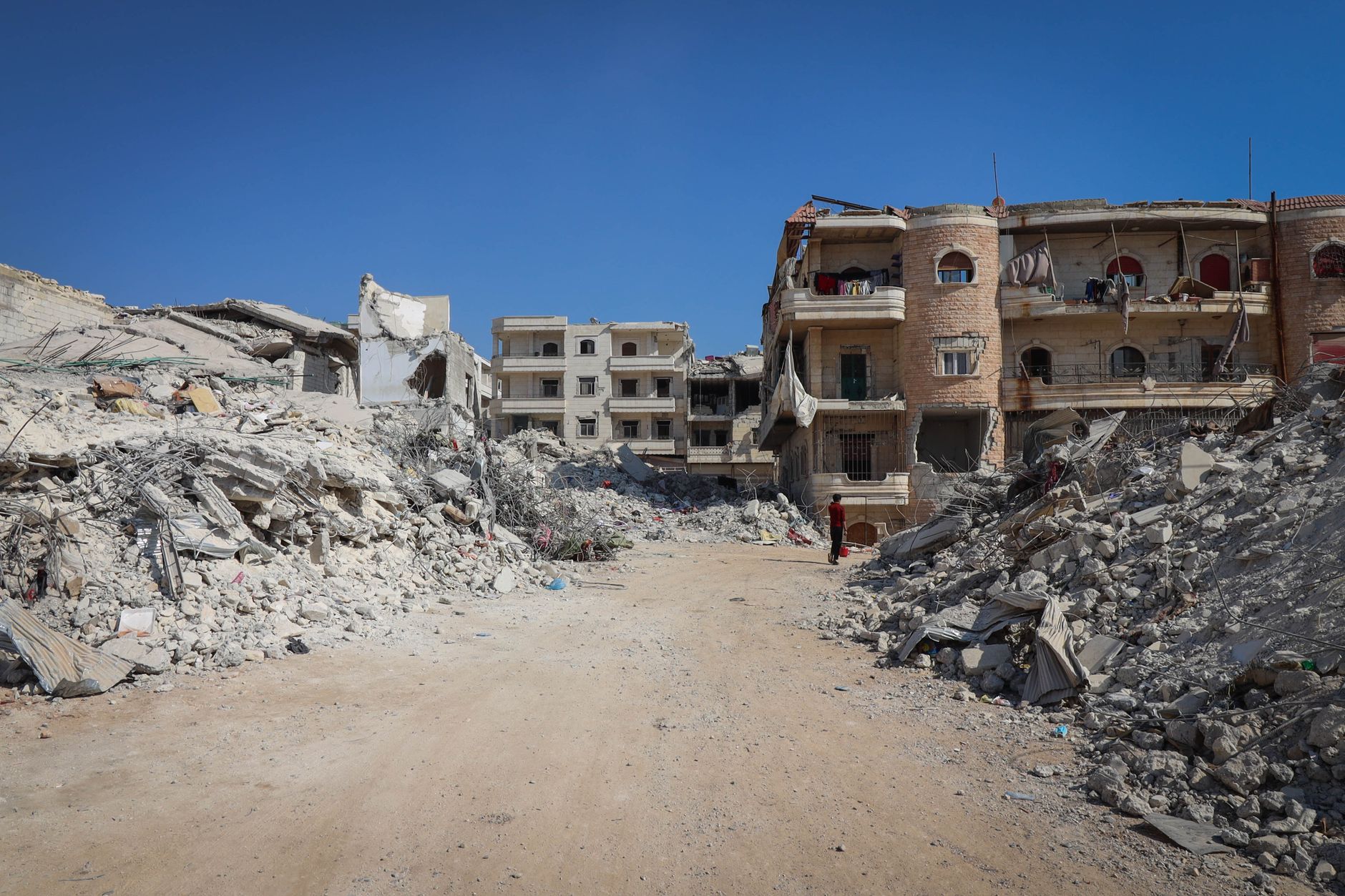
- Key drivers identified include protracted conflicts in Sudan, the ongoing war in Ukraine, the devastating humanitarian catastrophe in Gaza, alongside new outbreaks of violence and the intensifying impacts of climate change.
- A significant portion of displaced populations, approximately 68 million people, remains within their own countries, highlighting the immense strain on national resources, infrastructure, and social cohesion.
- International humanitarian aid efforts are critically underfunded, struggling to meet the escalating needs for essential services such as shelter, food, clean water, healthcare, and education for millions of vulnerable individuals.
- The report urges a renewed commitment from member states to address the fundamental root causes of displacement, including robust conflict resolution, proactive peacebuilding initiatives, and comprehensive climate adaptation strategies.
The Policy History
For decades, the United Nations High Commissioner for Refugees (UNHCR) has meticulously tracked global displacement trends, providing a crucial barometer for international stability and humanitarian need. The recent surge, however, marks a significant departure from previous patterns, pushing the total number of forcibly displaced individuals past the 120 million mark for the first time in recorded history. This alarming milestone underscores a profound failure of international diplomacy and conflict prevention, reflecting a world increasingly fractured by violence, political instability, and environmental degradation. The data, compiled from various national and international sources, paints a grim picture of escalating human suffering across multiple continents, demanding immediate global attention.
This unprecedented rise is not a sudden anomaly but the culmination of multiple, overlapping crises that have intensified over recent years. Persistent conflicts in regions like Sudan, where internal strife has displaced millions, and the ongoing war in Ukraine, which has created Europe's largest refugee crisis since World War II, are primary contributors. Furthermore, the humanitarian catastrophe unfolding in Gaza has added hundreds of thousands to the global displacement tally, exacerbating an already dire situation. These large-scale emergencies are compounded by smaller, yet equally devastating, localized conflicts and the increasing frequency and intensity of climate-induced disasters, forcing communities from their homes with little warning or recourse.
The methodology behind these figures involves a comprehensive aggregation of data from national governments, humanitarian partners, and UNHCR field operations worldwide. It meticulously distinguishes between refugees, who have crossed an international border seeking asylum, and internally displaced persons (IDPs), who remain within their own country but have been forced from their homes. The inclusion of asylum seekers and stateless persons provides a holistic view of the global protection landscape. This rigorous data collection is essential for understanding the true scale and scope of the crisis, enabling more targeted and effective humanitarian responses, and informing critical policy decisions aimed at both immediate relief and sustainable long-term solutions.
Who Is Affected
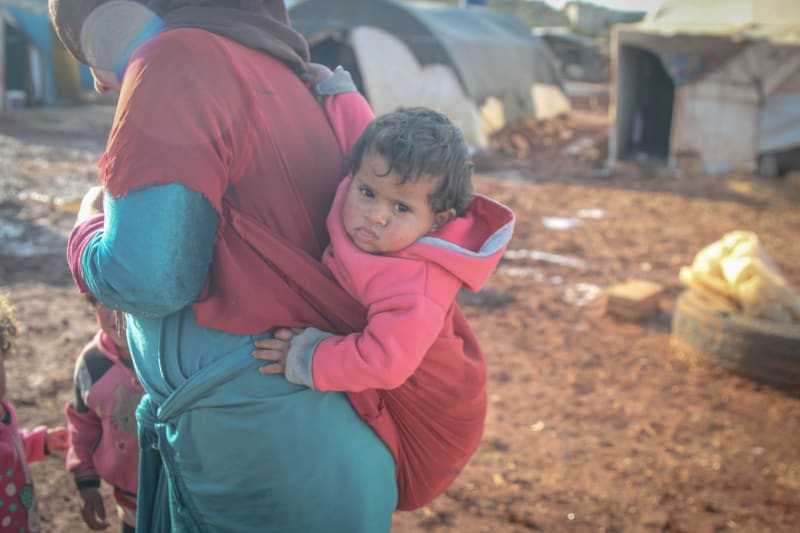
The human face of forced displacement is overwhelmingly young and vulnerable. Children constitute a disproportionate segment of those uprooted, often experiencing profound trauma, interrupted education, and heightened risks of exploitation, abuse, and recruitment into armed groups. Many are separated from their families, facing perilous journeys alone or in the care of strangers, leaving them exposed to unimaginable dangers. These young lives bear the brunt of conflicts they did not start and environmental disasters they did not cause, their futures irrevocably altered by circumstances entirely beyond their control. The long-term psychological and developmental impacts on these children represent a profound societal cost that will resonate for generations, demanding urgent and specialized support.
Women and girls face unique and severe challenges in displacement settings, where pre-existing inequalities are often exacerbated. They are at increased risk of gender-based violence, including sexual assault, forced marriage, and human trafficking, both during their flight and in overcrowded, insecure camps or urban environments. Access to essential services like reproductive healthcare, maternal care, and psychosocial support often becomes severely limited, exacerbating health risks and mental distress. The breakdown of social structures and traditional support networks leaves them particularly exposed, demanding targeted protection measures, empowerment initiatives, and dedicated resources that are frequently underfunded or inadequately implemented by the international community.
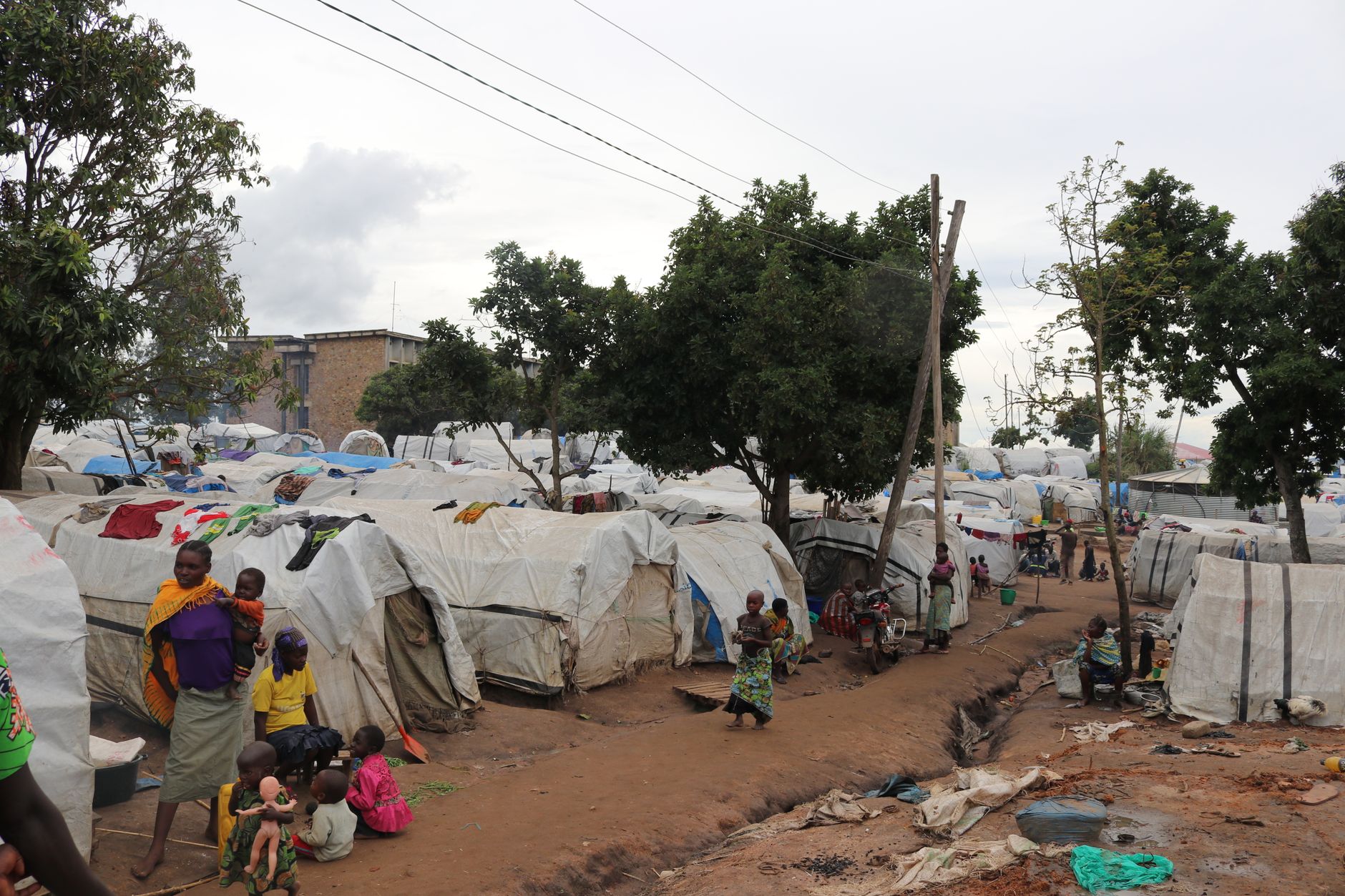
Host communities, particularly in low and middle-income countries, bear the primary and often overwhelming burden of this global crisis. Over 75% of all refugees and asylum seekers are hosted in neighboring countries, many of which already grapple with their own economic fragility and limited resources. This influx places immense strain on local infrastructure, public services such as schools and healthcare, and labor markets, frequently leading to increased competition for resources and potential social tensions. While these communities often demonstrate remarkable generosity and solidarity, the lack of adequate and sustained international support can destabilize entire regions, transforming humanitarian crises into broader development challenges. Sustainable, equitable burden-sharing mechanisms are critically needed to support these vital host nations.
The Global Response
In response to the escalating crisis of forced displacement, the international community has established a robust framework of conventions and protocols aimed at protecting displaced persons and upholding their fundamental rights. The 1951 Refugee Convention and its 1967 Protocol remain the cornerstone of international refugee law, meticulously outlining the rights of refugees and the corresponding responsibilities of states to provide protection and assistance. Complementary frameworks, such as the Global Compact on Refugees, seek to foster more predictable and equitable burden-sharing, emphasizing the need for comprehensive responses that extend beyond emergency aid to include development assistance and durable solutions. These instruments provide the essential legal and ethical foundation for humanitarian action worldwide, guiding efforts to safeguard millions.
Despite the overwhelming scale of the challenge, numerous organizations, national governments, and civil society groups are actively engaged in providing vital assistance and diligently seeking sustainable solutions. Humanitarian agencies deliver life-saving aid, including food, shelter, medical care, clean water, and protection services, often operating in extremely dangerous and complex environments with unwavering dedication. Many host countries, despite their own economic constraints and social pressures, continue to welcome and integrate displaced populations, demonstrating profound solidarity and commitment to humanitarian principles. Innovative programs are continually emerging, focusing on education, vocational training, and livelihood opportunities to empower displaced individuals and foster self-reliance, transforming beneficiaries into active and contributing members of their new communities.
An effective global response requires not just immediate humanitarian aid but also robust diplomatic efforts to address the fundamental root causes of displacement. This includes intensified peacebuilding initiatives, proactive conflict mediation, and concerted efforts to promote good governance, human rights, and the rule of law in fragile states. Furthermore, climate adaptation and mitigation strategies are becoming increasingly critical as climate change emerges as a significant and accelerating driver of displacement, demanding proactive measures. A truly holistic approach integrates immediate relief with long-term development and peace initiatives, recognizing that sustainable solutions ultimately depend on addressing the underlying vulnerabilities that force people from their homes in the first place.
Challenges and Criticisms
Despite the existence of international frameworks, the global response to forced displacement is frequently criticized for its fundamental inadequacies and systemic failures. Many states, particularly in developed regions, are increasingly adopting restrictive asylum policies, erecting physical barriers, and externalizing their asylum processing to third countries, effectively creating 'fortress Europe' or similar exclusionary zones. This approach often prioritizes national security concerns over humanitarian obligations, leading to pushbacks, refoulement, and the denial of fundamental rights to those seeking safety. Such policies not only undermine the very principles of international protection but also exacerbate the suffering of vulnerable individuals, creating dangerous precedents.
A persistent and alarming issue is the chronic underfunding of humanitarian appeals, which continues to widen the gap between required funds and actual contributions. This financial shortfall forces aid organizations to make impossible choices, prioritizing immediate life-saving interventions over crucial long-term development and protection programs, which are vital for sustainable recovery. Furthermore, the political will to address protracted crises often wanes, leaving millions in limbo for years, sometimes decades, in refugee camps with limited prospects for return, local integration, or resettlement. This creates cycles of dependency and despair, eroding human dignity and fostering a sense of abandonment among displaced populations.
The politicization of migration and displacement has become a significant impediment to effective and humane solutions. In many countries, displaced persons are increasingly scapegoated for domestic economic or social problems, fueling xenophobia, discrimination, and anti-immigrant sentiment. This divisive rhetoric not only endangers displaced communities but also erodes public support for humanitarian efforts and international cooperation, making it harder to garner the necessary resources and political will. Without a concerted effort to counter misinformation and foster empathy, the global community risks further fragmentation and an inability to collectively address a crisis that transcends national borders and demands a unified, compassionate response.
Policy Questions Answered
Implementation Watch
Monitoring the implementation of international commitments and humanitarian aid programs is absolutely crucial for ensuring accountability, effectiveness, and ultimately, the well-being of displaced populations. The UN report not only presents alarming statistics but also implicitly calls for a rigorous assessment of how states are upholding their obligations under international law, particularly concerning the principle of non-refoulement and the provision of asylum. This includes scrutinizing national policies, border management practices, and the equitable allocation of resources to support displaced populations. Without transparent and consistent monitoring, there is a significant risk that pledges of support remain unfulfilled, and vulnerable individuals continue to suffer without adequate protection or assistance.
A key area for immediate and sustained scrutiny is the persistent funding gap for humanitarian operations worldwide. Despite repeated appeals from the UN and other aid organizations, many critical programs remain severely underfunded, impacting everything from food security and emergency shelter to essential mental health services and educational opportunities. The report implicitly highlights that while commitments are often made in principle, the practical implementation through financial contributions frequently falls woefully short. This significant disconnect between rhetoric and reality directly affects the lives of millions, leading to reduced aid, cuts in essential services, and a deepening of humanitarian crises. Tracking these funding flows and their tangible impact is essential to press for greater responsibility and generosity from donor nations.
Beyond financial aid, the implementation watch extends critically to the political will for conflict resolution and proactive peacebuilding. The report makes it abundantly clear that forced displacement is primarily a symptom of deeper geopolitical failures and unresolved conflicts. Therefore, genuine implementation requires intensified diplomatic efforts to mediate peace, protect civilians, and uphold human rights in conflict zones, addressing the root causes directly. Without addressing these fundamental drivers, humanitarian efforts will remain a temporary bandage on a festering wound, never truly solving the problem. The international community must move beyond reactive aid to proactive prevention, demanding accountability from actors perpetuating violence and committing to sustainable, inclusive peace initiatives that foster long-term stability.









Comments
No comments yet. Be the first to comment!