


Policy Snapshot
- The U.S. Treasury and State Department, in coordination with EU allies, have issued new designations targeting key individuals and entities under the Global Stability Act, significantly expanding the scope of prohibited transactions and asset freezes across multiple jurisdictions.
- Expanded sectoral sanctions now apply to critical sectors, including advanced technology, energy infrastructure, and financial services, imposing severe restrictions on investment, trade, and the provision of services to designated entities, aiming to cripple their operational capacity.
- Enhanced due diligence requirements are now mandatory for financial institutions and businesses engaging in transactions with any nexus to the sanctioned region, demanding a heightened level of scrutiny to prevent illicit finance and sanctions circumvention.
- New reporting obligations have been introduced, compelling financial institutions to disclose any suspicious transactions or assets linked to sanctioned parties with increased frequency and detail, thereby bolstering enforcement capabilities and transparency.
- Specific restrictions on technology transfer have been tightened, prohibiting the export, re-export, or transfer of certain dual-use goods and critical technologies that could contribute to the sanctioned regime's military or surveillance capabilities, regardless of end-user.
- Clarifications on humanitarian exemptions have been provided, outlining precise procedures and conditions under which essential goods and services can be supplied to mitigate adverse impacts on civilian populations, ensuring vital aid can reach those in need without violating sanctions.
The Policy History
The latest wave of sanctions, effective June 15, 2026, represents a significant escalation in a long-standing geopolitical standoff. For years, international bodies and leading nations have sought to curb the destabilizing actions of a particular state actor through a series of targeted economic measures. These efforts began with relatively minor restrictions on specific individuals and state-owned enterprises, gradually expanding to encompass broader financial and trade embargoes. The underlying objective has consistently been to compel a shift in behavior, particularly concerning regional aggression, human rights abuses, and the proliferation of illicit technologies, without resorting to direct military intervention. This incremental approach has aimed to exert sustained pressure while allowing diplomatic channels to remain open, albeit with limited success.
This current, more stringent update was directly triggered by a confluence of recent, alarming events. Intelligence reports confirmed a series of sophisticated cyberattacks targeting critical infrastructure in allied nations, alongside undeniable evidence of continued human rights violations within the sanctioned territory, and a significant military buildup along contested borders. These actions were widely perceived as a direct challenge to international norms and a clear indication that previous, less severe sanctions had failed to achieve their intended deterrent effect. The international community, led by the G7 nations and the European Union, concluded that a more robust and comprehensive response was imperative to prevent further destabilization and protect global security interests.
The legislative framework underpinning these expanded sanctions draws primarily from the 'Global Stability Act' passed by the U.S. Congress in late 2025, complemented by parallel executive orders and coordinated resolutions from the European Council. This Act grants the executive branch broad authority to impose economic penalties on foreign entities and individuals deemed to undermine international peace and security. Crucially, the current measures also reflect an unprecedented level of international coordination, with key allies implementing synchronized policies designed to maximize impact and minimize opportunities for circumvention. This unified front signals a collective resolve to enforce accountability and uphold the principles of international law, marking a pivotal moment in global sanctions policy.
Who Is Affected
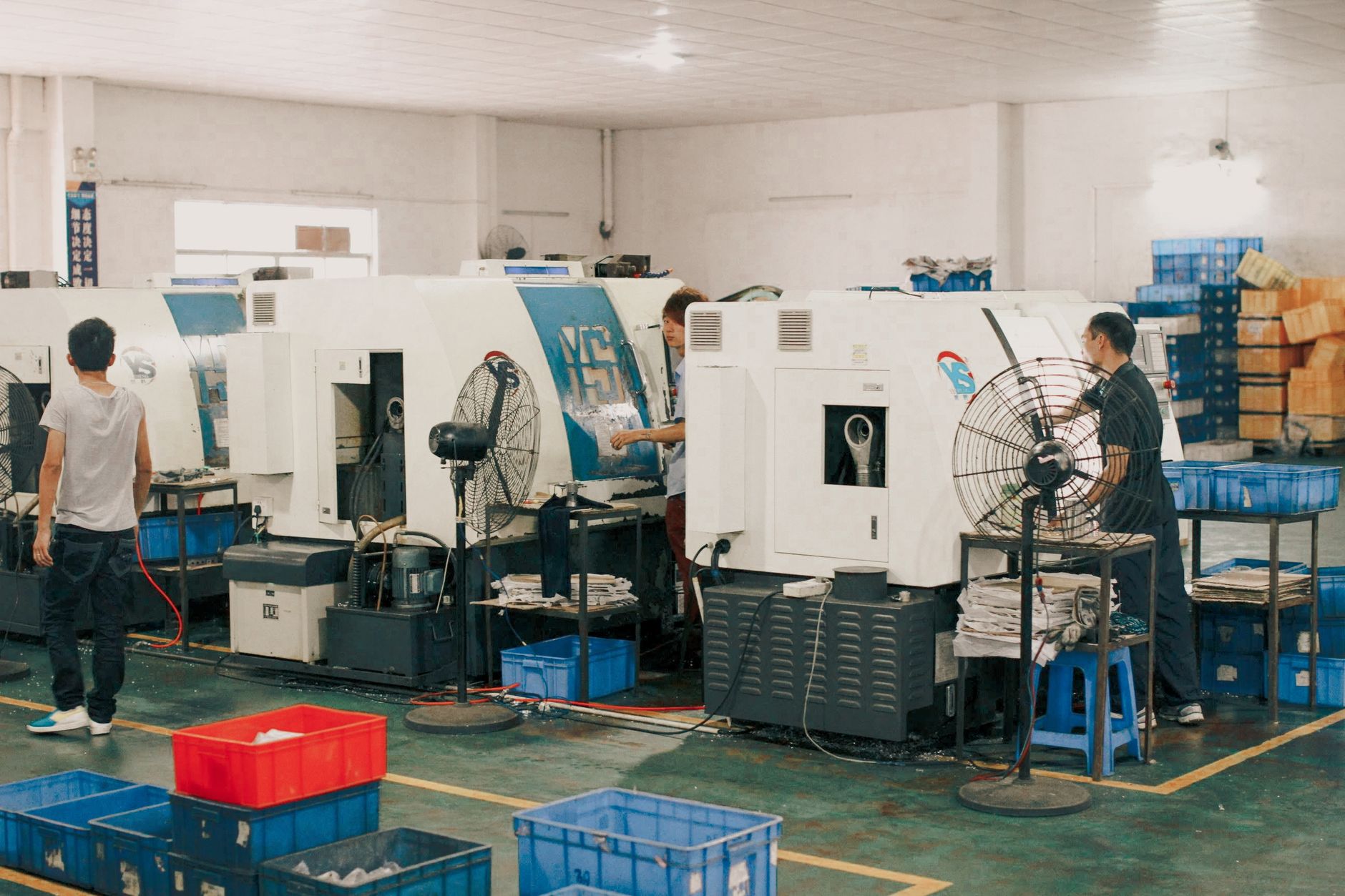
The immediate and most direct impact of these new sanctions will be felt by the designated individuals and entities within the targeted country. This includes high-ranking government officials, military leaders, executives of state-owned enterprises, and prominent business figures identified as supporting the regime's destabilizing activities. Furthermore, entire sectors, particularly those involved in advanced technology, energy production, and financial services, will face severe restrictions, effectively cutting them off from international markets and capital. Companies operating within these sectors, whether state-controlled or private, will find their ability to conduct international trade, access foreign investment, or utilize global financial systems severely curtailed, leading to significant operational challenges and potential collapse.
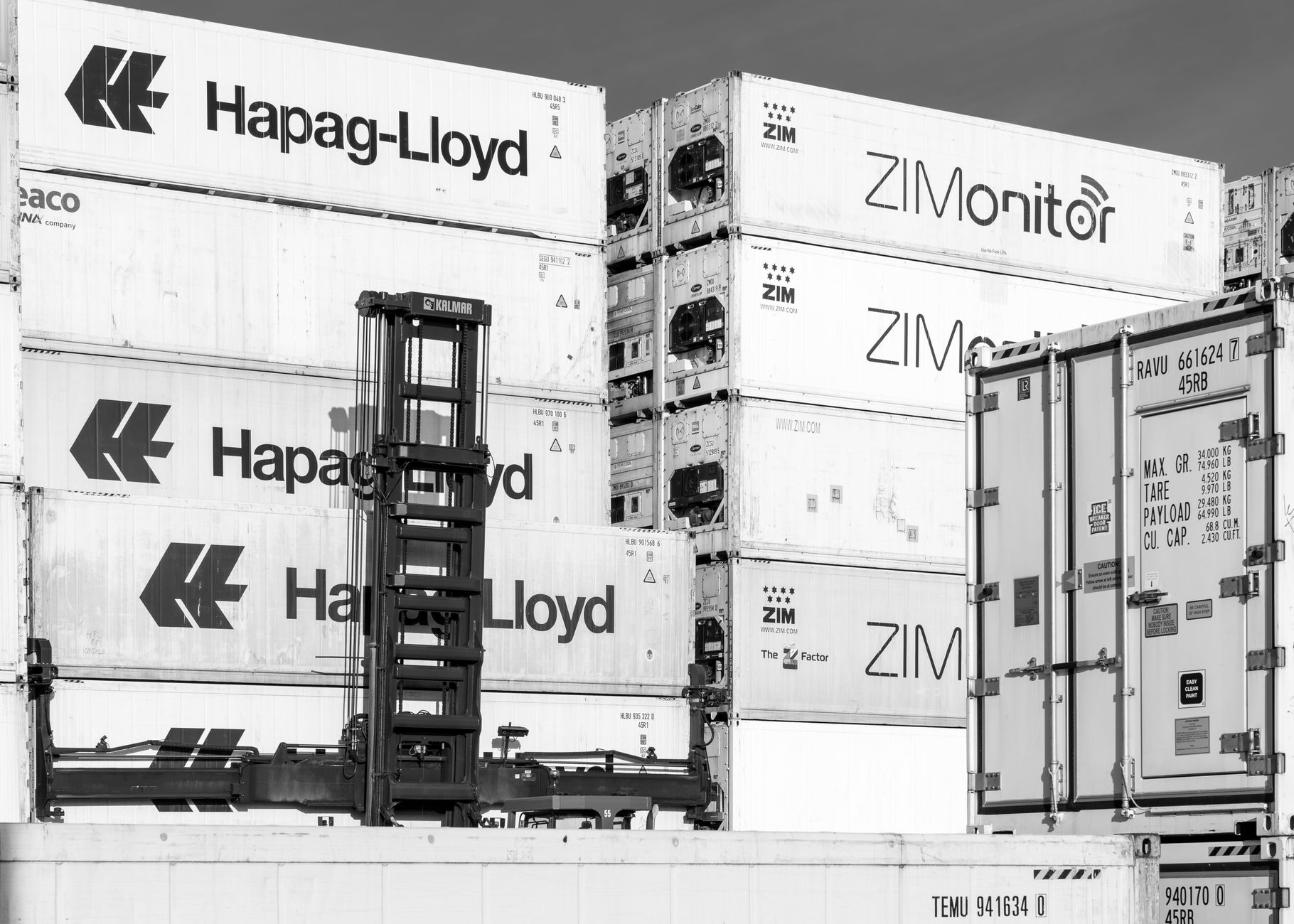
Beyond the primary targets, the ripple effects of these sanctions will extend globally, impacting a wide array of international businesses, financial institutions, and even individual consumers. Companies with existing supply chain dependencies on the sanctioned region will need to rapidly re-evaluate and reconfigure their operations, facing potential disruptions, increased costs, and delays. Global banks and financial service providers must enhance their compliance frameworks to identify and block transactions involving sanctioned parties, navigating complex legal landscapes across multiple jurisdictions. Even seemingly unrelated sectors, such as logistics and insurance, will experience heightened risk and compliance burdens when dealing with entities that might have indirect exposure to the sanctioned economy, necessitating a comprehensive review of all business relationships.
The broader economic implications are substantial, potentially affecting global commodity markets, especially for energy and raw materials, where the sanctioned country may have played a significant role. Developing nations that rely on trade or investment from either the sanctioned country or the sanctioning powers might experience unintended economic fallout, including reduced foreign direct investment or increased trade barriers. While humanitarian exemptions are built into the policy, the general tightening of financial channels can inadvertently complicate the delivery of essential aid, posing risks to civilian populations. All stakeholders, from multinational corporations to individual investors, must meticulously assess their exposure and proactively adapt to this rapidly evolving regulatory environment to avoid severe penalties and operational paralysis.
The Case For
Proponents of the expanded sanctions argue that these measures are an indispensable tool for deterring aggression and compelling a fundamental shift in the targeted regime's behavior. By imposing severe economic costs, the international community aims to degrade the regime's capacity to finance its destabilizing activities, whether through military expansion, human rights abuses, or cyber warfare. The logic is that economic pressure, when applied strategically and comprehensively, can force a re-evaluation of policies that threaten global peace and security. This approach is seen as a necessary, non-military alternative to direct conflict, offering a pathway to de-escalation by targeting the financial lifelines of the problematic state actor, thereby reducing its ability to project power and influence.
Furthermore, advocates emphasize that sanctions serve a crucial purpose in upholding international law and norms. When a state flagrantly violates sovereignty, human rights, or engages in illicit proliferation, a robust response is essential to prevent such actions from becoming normalized. These sanctions send an unequivocal message that such behavior carries severe consequences, reinforcing the principles of a rules-based international order. They demonstrate a collective resolve among allied nations to stand against impunity and protect the integrity of the global system. This coordinated stance not only punishes past transgressions but also aims to prevent future ones by clearly delineating acceptable state conduct on the world stage.
Another key argument centers on the potential for these sanctions to empower internal dissent and civil society within the sanctioned country. By isolating the regime and its elite from the global economy, the measures aim to create internal pressures that could lead to political reform. While acknowledging the potential for humanitarian challenges, proponents contend that the long-term benefits of a more stable and accountable government outweigh the short-term difficulties. The goal is not to punish the populace, but to create conditions where the populace can demand better governance, ultimately fostering a more peaceful and democratic future for the region. This strategic pressure is viewed as a catalyst for positive internal change, rather than merely an external punitive action.
The Case Against
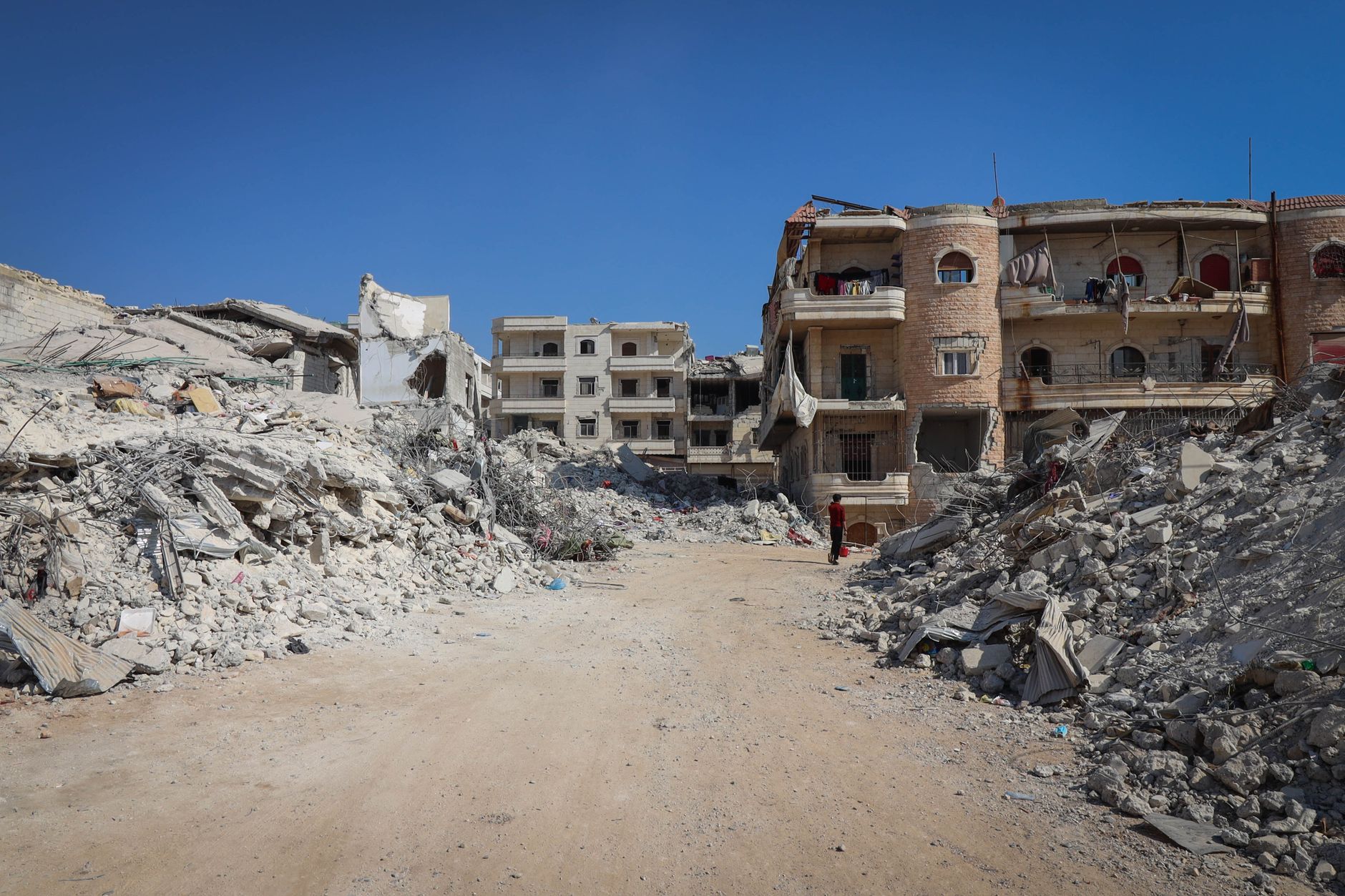
Critics of the expanded sanctions raise significant concerns about their potential for unintended humanitarian consequences and their overall effectiveness. They argue that broad economic restrictions often disproportionately harm civilian populations, leading to shortages of essential goods, increased poverty, and a decline in public health, rather than directly targeting the ruling elite. Such suffering can inadvertently consolidate support for the regime, allowing it to blame external forces for internal hardships, thereby undermining the very goal of fostering internal change. The complexity of modern supply chains means that even carefully crafted exemptions for humanitarian aid can be difficult to implement, leading to delays and insufficient access for those most in need, creating a moral dilemma for the sanctioning powers.
Another major contention revolves around the economic blowback on sanctioning countries and the broader global economy. Imposing severe restrictions on a significant economic actor can disrupt global supply chains, increase commodity prices, and create uncertainty in financial markets, potentially leading to inflation or slower economic growth in the very nations implementing the sanctions. Furthermore, there is a risk of retaliatory measures from the sanctioned country, which could escalate trade disputes or cyber warfare, further destabilizing international relations. The argument is that while the intent is to isolate the target, the interconnected nature of the global economy means that isolation is rarely absolute and often comes with substantial collateral damage to all parties involved, including those imposing the penalties.
Skeptics also question the long-term efficacy of sanctions in achieving fundamental behavioral change. History shows numerous instances where regimes have adapted to sanctions, developing alternative trade routes, fostering illicit networks, or turning to non-traditional partners, thereby diminishing the intended pressure. Instead of compelling reform, sanctions can sometimes drive the targeted country further into the arms of rival powers, creating new geopolitical alignments that are less favorable to the sanctioning nations. This can lead to a hardening of positions and a prolonged standoff, rather than the desired diplomatic resolution. The debate often centers on whether sanctions truly alter strategic calculations or merely entrench existing divisions, making a peaceful resolution even more elusive.

Policy Questions Answered
Implementation Watch
The successful implementation and enforcement of these expanded sanctions will hinge on unprecedented levels of coordination among international partners. Agencies like the U.S. Treasury's Office of Foreign Assets Control (OFAC), the European Union's external action service, and various national financial intelligence units will play critical roles in monitoring compliance and identifying violations. This involves sophisticated data analytics, intelligence sharing, and cross-border collaboration to track financial flows and trade activities. The focus will be on preventing circumvention through third countries, shell companies, or novel payment mechanisms, requiring a dynamic and adaptive enforcement strategy that can respond swiftly to evolving tactics employed by sanctioned entities. The sheer complexity of global finance demands a unified front to close potential loopholes effectively.
Businesses and financial institutions globally must brace for intensified scrutiny and a more aggressive enforcement posture. Regulators are expected to conduct more frequent audits and demand greater transparency in transactions with any nexus to high-risk jurisdictions. The use of advanced technology, including AI and blockchain analysis, will become increasingly prevalent in detecting illicit activities and ensuring compliance. Companies are advised to invest heavily in robust compliance infrastructure, including automated screening tools and comprehensive training for their staff, to navigate this heightened regulatory environment. Failure to demonstrate proactive and thorough compliance efforts will likely result in severe penalties, underscoring the critical need for vigilance and continuous adaptation.
Looking ahead, the effectiveness of these sanctions will be closely watched, with particular attention paid to their impact on the targeted regime's economic stability and political calculus. Key indicators will include shifts in trade patterns, changes in foreign currency reserves, and the regime's public response to the pressure. However, challenges remain, including the potential for legal challenges to the sanctions' legitimacy, the risk of retaliatory measures from the sanctioned state, and the ongoing debate over their humanitarian impact. The international community will need to continuously assess the balance between applying pressure and minimizing unintended consequences, making the implementation phase a critical test of global diplomatic and economic resolve.







Comments
No comments yet. Be the first to comment!