
Key Takeaways
- The Strait of Hormuz is an indispensable global chokepoint, through which over 20% of the world's petroleum and a significant portion of liquefied natural gas transit daily, making its security paramount for global energy stability.
- Economic warfare has emerged as a dominant tool in international relations, leveraging sanctions, trade restrictions, and financial pressures to achieve geopolitical objectives, often with far-reaching humanitarian and economic consequences.
- Escalating tensions in the Persian Gulf, particularly involving Iran, pose a direct threat to the free flow of commerce through Hormuz, raising the specter of disruptions that could destabilize global markets and spark wider conflicts.
- The deployment of economic sanctions, while intended to exert pressure, can inadvertently push targeted nations towards more desperate or retaliatory measures, including potential interference with vital shipping lanes.
- Global energy markets are acutely vulnerable to any perceived or actual threat to the Strait, leading to immediate price volatility, increased shipping insurance costs, and a broader erosion of investor confidence worldwide.
- The international community faces an urgent imperative to de-escalate regional tensions and establish robust diplomatic frameworks to prevent economic warfare from spilling over into direct military confrontation in this critical maritime corridor.
Background
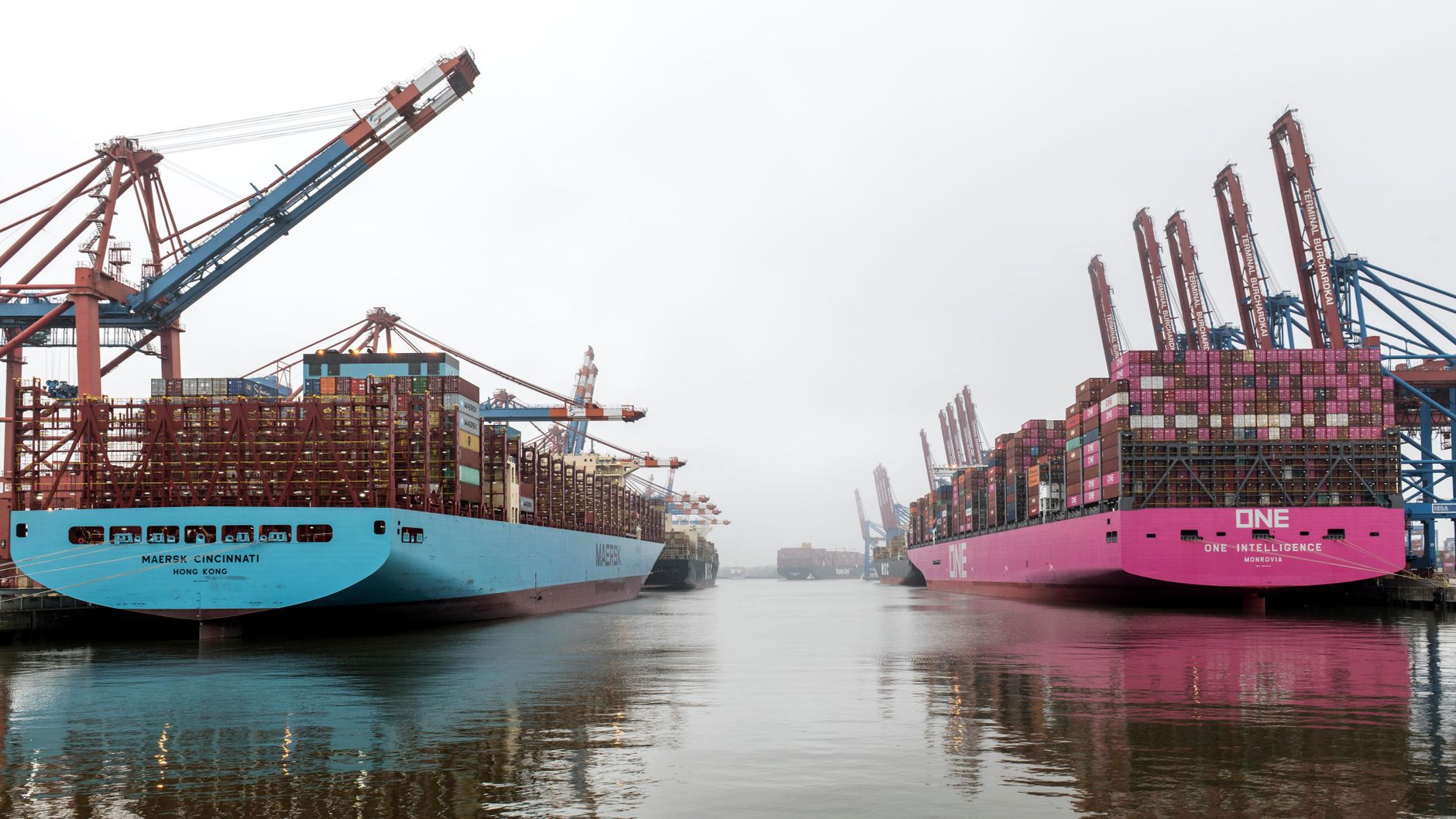
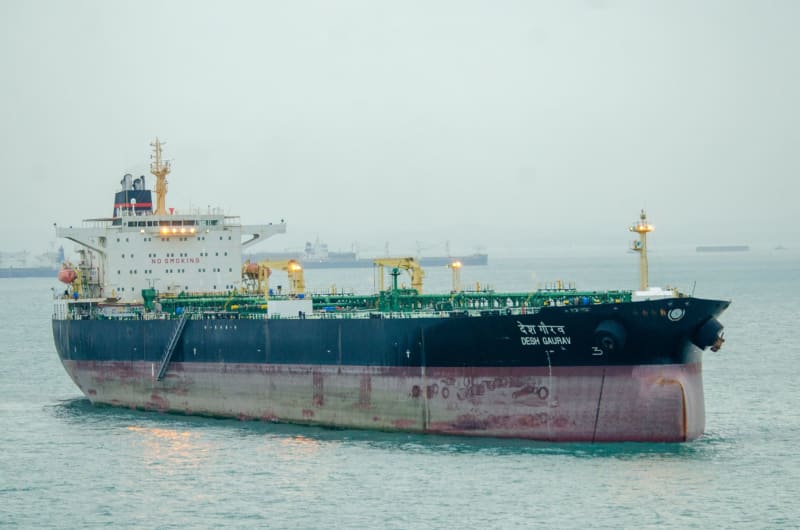
The Strait of Hormuz, a narrow yet profoundly strategic waterway, serves as the sole maritime passage from the Persian Gulf to the open ocean. Connecting major oil-producing nations like Saudi Arabia, Iran, Iraq, Kuwait, Qatar, and the UAE to global markets, it facilitates the transit of an astounding one-fifth of the world's total petroleum consumption and a substantial volume of liquefied natural gas. This geographical choke point, barely 21 nautical miles wide at its narrowest, is not merely a shipping lane; it is an economic lifeline for numerous nations and a perpetual flashpoint for geopolitical rivalries, making its security a constant global concern.
Historically, the Strait has been a stage for significant international incidents, from the "Tanker War" during the Iran-Iraq conflict in the 1980s to more recent confrontations involving naval vessels and commercial shipping. These episodes underscore its enduring vulnerability and the high stakes involved in maintaining its unimpeded flow. The region's rich hydrocarbon reserves, coupled with complex historical grievances and shifting power dynamics, have consistently fueled a precarious balance, where any miscalculation could trigger widespread economic and security repercussions far beyond the immediate vicinity.
The concept of economic warfare, once primarily associated with blockades and trade embargos during declared conflicts, has evolved dramatically in the modern era. Today, it encompasses a sophisticated array of non-military tools, including targeted financial sanctions, cyberattacks on critical infrastructure, currency manipulation, and trade restrictions, all designed to exert pressure and achieve political objectives without direct military engagement. This shift reflects a strategic recalibration by state actors, who increasingly view economic leverage as a potent, albeit often controversial, instrument of foreign policy, capable of inflicting severe damage on adversaries while ostensibly avoiding traditional warfare.
Why It Matters
Any significant disruption to the Strait of Hormuz would unleash immediate and catastrophic economic consequences across the globe. Given that millions of barrels of crude oil and vast quantities of LNG traverse these waters daily, a closure or even a prolonged impediment would send global energy prices skyrocketing, triggering widespread inflation, crippling industries reliant on stable energy costs, and potentially plunging vulnerable economies into recession. The ripple effect would extend beyond energy, impacting global supply chains, increasing shipping insurance premiums, and severely undermining the stability of international trade.
The rise of economic warfare fundamentally alters the calculus of international conflict, presenting nations with a new, insidious battlefield where financial systems and trade networks become primary targets. Unlike conventional military engagements, the impacts of economic warfare can be diffuse, difficult to attribute, and often disproportionately affect civilian populations, leading to humanitarian crises. This paradigm shift demands a re-evaluation of international law, ethical considerations, and the mechanisms for de-escalation, as the lines between peace and conflict become increasingly blurred by non-kinetic attacks.
The vulnerability of the Strait of Hormuz, coupled with the increasing reliance on economic coercion, creates an exceptionally dangerous feedback loop. As nations under severe economic pressure, such as Iran, face existential threats to their economies, the temptation to retaliate through asymmetric means, including disrupting vital maritime passages, intensifies. This escalatory dynamic risks transforming economic grievances into direct military confrontations, demonstrating that while economic warfare might aim to avoid bloodshed, its potential to ignite wider, more devastating conflicts remains profoundly high, demanding urgent diplomatic intervention.
Ground Reality
The current ground reality in the Persian Gulf region is characterized by an alarming state of heightened tension and frequent provocations. Iran, facing crippling international sanctions that have severely impacted its economy and its populace, has repeatedly issued threats to disrupt or close the Strait of Hormuz. These threats are not merely rhetorical; they are often accompanied by naval exercises, the deployment of fast-attack craft, and the seizure of commercial vessels, demonstrating a clear intent and capability to interfere with maritime traffic, thereby fueling global anxieties about the security of this critical chokepoint.
The intensified application of "maximum pressure" sanctions against Iran by Western powers has pushed the Islamic Republic into an increasingly precarious economic position, exacerbating domestic discontent and potentially narrowing its options for de-escalation. While designed to compel policy changes, these sanctions have inadvertently created a volatile environment where Iran might perceive its survival as contingent upon demonstrating its capacity to inflict economic pain on its adversaries, potentially through actions in the Strait. This creates a dangerous cycle where economic coercion risks provoking the very instability it aims to prevent.
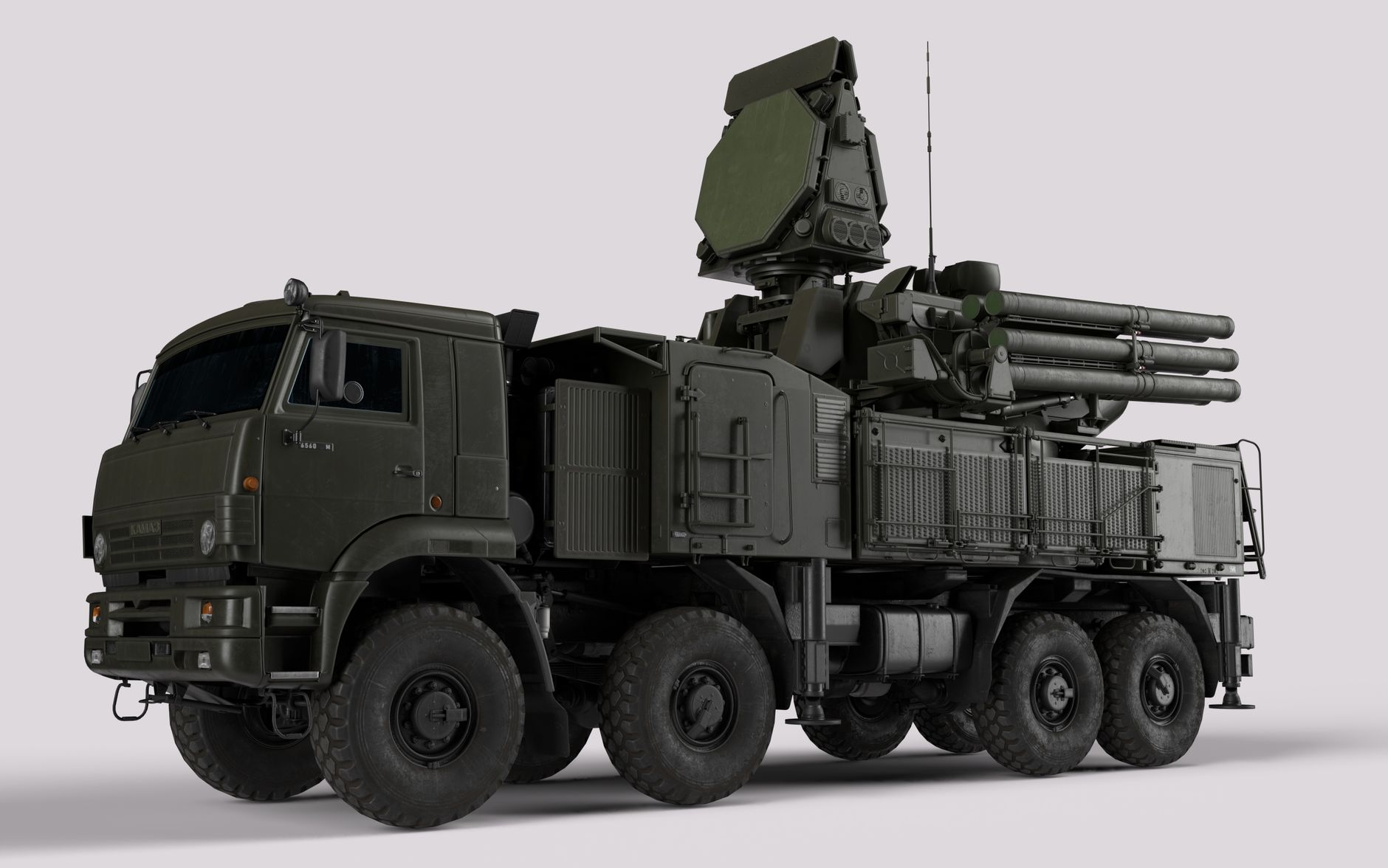
In response to these escalating threats and the strategic importance of the Strait, international naval forces, primarily led by the United States and its allies, maintain a significant presence in the region. This military posture, while intended to deter aggression and ensure freedom of navigation, also contributes to the overall militarization of the area, increasing the risk of accidental encounters or miscalculations that could quickly spiral out of control. The constant proximity of opposing naval assets in such a confined space underscores the precarious balance and the ever-present danger of a regional flashpoint erupting into a broader international crisis.
What Experts Are Saying
Many geopolitical analysts contend that a full, sustained closure of the Strait of Hormuz by Iran remains highly improbable, primarily due to the overwhelming international response it would provoke. Such an act would be universally condemned as an act of war, inviting swift and decisive military intervention from global powers committed to safeguarding international maritime law and energy security. However, these experts also caution that while a complete blockade is unlikely, even temporary disruptions, harassment of shipping, or the mining of specific areas could have devastating economic repercussions, driving up insurance costs, causing significant oil price spikes, and injecting profound uncertainty into global markets.
Some scholars and policymakers have advanced the argument that economic warfare, despite its often harsh consequences, represents a more "humane" alternative to traditional military conflict, as it ostensibly avoids direct battlefield casualties. This perspective suggests that financial pressure and trade restrictions offer a means to achieve strategic objectives without the immediate loss of life associated with kinetic warfare. However, a counter-argument vigorously highlights the severe humanitarian toll of prolonged sanctions, which can cripple essential services, restrict access to medicine and food, and inflict widespread suffering on civilian populations, thereby questioning the ethical premise of "humane" economic conflict.
Leading defense strategists emphasize that the effectiveness of economic warfare is often contingent on a clear exit strategy and a willingness by all parties to engage in meaningful diplomatic dialogue. Without these elements, sanctions can become a self-perpetuating cycle of escalation, hardening resolve rather than fostering compliance. Furthermore, the globalized nature of modern economies means that economic warfare often carries significant blowback risks, potentially harming the economies of the sanctioning nations themselves or creating new geopolitical alignments as targeted countries seek alternative trade partners and financial systems, thereby undermining the long-term efficacy of such coercive measures.

Frequently Asked Questions
What Happens Next
The immediate future of the Strait of Hormuz and the broader Persian Gulf region remains precariously balanced on the edge of escalating tensions. The interplay between severe economic sanctions, regional proxy conflicts, and the ever-present risk of miscalculation creates an urgent imperative for robust diplomatic engagement. Without sustained, high-level international efforts to de-escalate the situation and address underlying grievances, the potential for a localized incident to rapidly spiral into a wider, more destructive conflict remains alarmingly high, threatening global energy security and economic stability.
Looking ahead, global powers must critically re-evaluate their strategies for managing the new era of economic warfare. While sanctions can be a potent tool, their indiscriminate application without clear off-ramps or humanitarian considerations risks alienating populations and hardening the resolve of targeted regimes, potentially pushing them towards more desperate and destabilizing actions. A more nuanced approach that combines targeted pressure with credible diplomatic pathways and incentives for de-escalation will be crucial to prevent economic conflict from inevitably spilling over into direct military confrontation in vital strategic chokepoints like Hormuz.
Ultimately, ensuring the long-term security and stability of the Strait of Hormuz will require a collective commitment from the international community to uphold maritime law, foster regional dialogue, and invest in multilateral security frameworks. This includes exploring mechanisms for joint patrols, intelligence sharing, and conflict resolution that transcend national interests to protect a shared global commons. The stakes are too high to allow this critical artery of global commerce to become a permanent casualty of geopolitical rivalries, demanding innovative and collaborative solutions to navigate the complex challenges ahead.









Comments
No comments yet. Be the first to comment!