
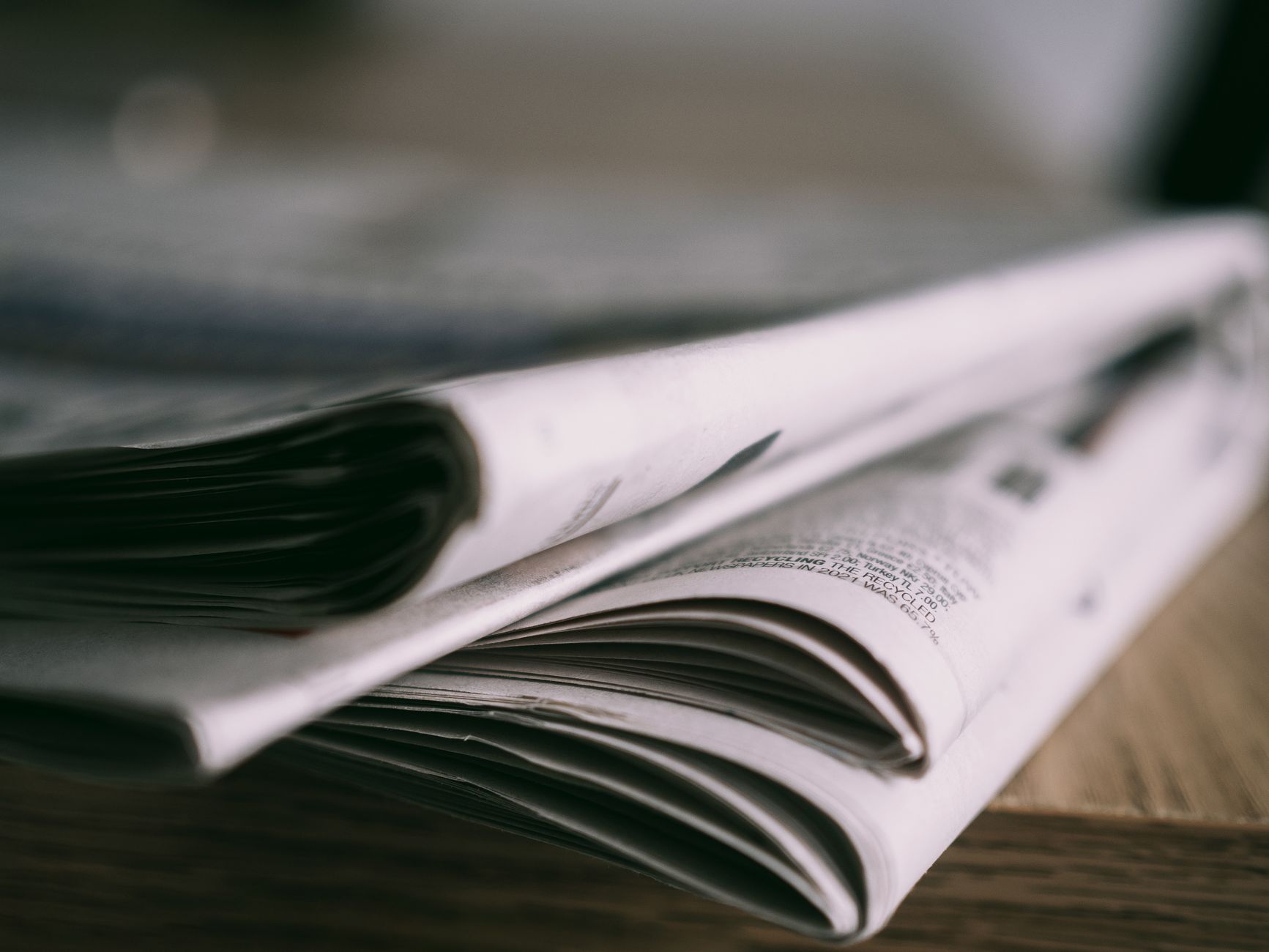

Key Takeaways
- Breaking news fundamentally alters how individuals and societies construct their understanding of unfolding events, often prioritizing immediacy over comprehensive context.
- The relentless pursuit of speed in reporting frequently leads to a significant compromise in the depth, accuracy, and nuanced presentation of complex information.
- Developing robust critical consumption skills is absolutely vital for navigating the overwhelming deluge of real-time updates and distinguishing verified facts from speculation.
- Modern news cycles are accelerating at an unprecedented pace, creating an environment where information can become outdated or superseded within minutes, demanding constant vigilance.
- The digital landscape, particularly social media, amplifies the spread of unverified information, making it increasingly challenging for the public to discern reliable sources.
- Understanding the inherent biases and production pressures within news organizations is crucial for interpreting reports and forming a well-rounded perspective on global events.
Background
Historically, the dissemination of news operated at a significantly slower pace, with daily newspapers and scheduled radio broadcasts serving as primary sources of information. This structured delivery allowed for a degree of editorial review and contextualization before public consumption. The public's understanding of events evolved gradually, shaped by periodic updates that, while not always immediate, often carried a higher degree of verified information and analytical depth. This slower cycle inherently fostered a different relationship between the consumer and the news, one where reflection and deeper engagement were more naturally encouraged.
The advent of the internet and subsequently social media platforms irrevocably transformed this paradigm, ushering in an era of instantaneous news. Today, events unfold in real-time, with updates pushed directly to devices within seconds of occurring, often before official confirmation or comprehensive reporting. This technological leap has democratized information sharing but simultaneously created a challenging environment where the sheer volume and velocity of data can overwhelm traditional gatekeepers and individual consumers alike. The expectation of immediate knowledge has become deeply ingrained in modern society.
This profound shift from periodic updates to a continuous stream of real-time information carries significant implications for how we perceive, process, and ultimately construct our understanding of the world. The constant influx of fragmented updates, often devoid of initial context, creates a unique cognitive challenge. It demands a new form of media literacy, where individuals must actively engage in verification, cross-referencing, and critical analysis to piece together a coherent and accurate narrative from the deluge of information. The very nature of "knowledge" derived from news has fundamentally changed.
Why It Matters
The manner in which individuals and societies engage with breaking news fundamentally shapes their worldview and collective understanding of critical events. When information is consumed rapidly and without adequate context, it significantly increases the risk of misinterpretation, the reinforcement of existing biases, and the formation of premature conclusions. This isn't merely an academic concern; it directly impacts public opinion, political discourse, and the efficacy of democratic processes, making it imperative to critically assess the source and veracity of every piece of incoming information.
Understanding the intricate mechanisms that drive modern news production and consumption is no longer a passive academic exercise but an urgent necessity for fostering a truly well-informed citizenry. The pressures on journalists to deliver immediate updates, coupled with the algorithmic amplification of sensational content on social media, create a landscape ripe for misinformation and disinformation. Without a conscious effort to understand these forces, individuals remain vulnerable to narratives that may be incomplete, biased, or outright false, thereby eroding the very foundations of shared factual understanding.
The implications extend far beyond individual comprehension; they permeate societal discourse, influence policy decisions, and even dictate international relations. A populace consistently exposed to fragmented, unverified, or emotionally charged breaking news may struggle to engage in reasoned debate, leading to polarization and a decline in collective problem-solving capabilities. Therefore, cultivating a discerning approach to news consumption is not just about personal enlightenment but about safeguarding the integrity of public discourse and ensuring that critical decisions are made on the basis of accurate and comprehensive knowledge.
Ground Reality
On the ground, journalists operate under immense and unrelenting pressure to be the first to report on unfolding events. This competitive drive for immediacy often forces them to publish with incomplete, unverified, or rapidly evolving information, a necessary compromise in the race against time. While dedicated professionals strive for accuracy, the very nature of "breaking" news means initial reports are frequently subject to revision, clarification, or even retraction as more facts emerge. This inherent tension between speed and certainty creates a challenging environment for both news producers and consumers.
Social media platforms act as powerful, often uncontrolled, amplifiers in this dynamic. Unverified reports, rumors, and even deliberate misinformation can spread globally within minutes, outpacing traditional journalistic fact-checking processes. Eyewitness accounts, while valuable, are often shared without critical context or corroboration, blurring the lines between raw footage and confirmed news. This digital ecosystem means that by the time traditional media can publish a verified account, countless unvetted narratives may have already shaped public perception, making it exponentially harder to correct the record.
Consequently, the public finds itself in an increasingly precarious position, struggling to differentiate between speculative reports, confirmed facts, and outright falsehoods. This constant bombardment of fragmented and often contradictory information leads to a deeply fragmented understanding of events, where a coherent and accurate picture is difficult to assemble. The erosion of trust in established news sources, fueled by this chaotic information environment, poses a significant threat to informed public discourse and the collective ability to respond effectively to crises and complex societal challenges.
What Experts Are Saying
Media scholars consistently highlight a concerning trend: the erosion of public trust in traditional news institutions. This decline is attributed to a confluence of factors, including the perceived bias in reporting, the sensationalism driven by the 24/7 news cycle, and the sheer volume of conflicting information available online. Experts argue that the rise of citizen journalism, while democratizing content creation, simultaneously introduces significant challenges in terms of editorial standards, verification processes, and accountability, further complicating the landscape for discerning consumers.
From a psychological perspective, researchers are increasingly documenting the profound cognitive load imposed by the constant, high-velocity stream of breaking news. This incessant demand for attention and processing capacity often leads to information fatigue, anxiety, and ultimately, disengagement from critical societal issues. The brain, overwhelmed by the deluge, may resort to superficial processing or simply tune out, making it harder for individuals to retain important facts or engage in deep, analytical thought necessary for informed decision-making.
In response to these pressing challenges, a broad consensus among experts emphasizes the critical importance of robust media literacy education. They advocate for comprehensive programs that equip individuals with the skills to critically evaluate sources, identify biases, understand journalistic practices, and recognize manipulative tactics. This education is not just about consuming news but about actively participating in a healthy information ecosystem, empowering citizens to navigate the complexities of the modern digital landscape and contribute to a more informed and resilient society.

Frequently Asked Questions
What Happens Next
The relentless trend towards real-time information dissemination is undeniably set to continue, further embedding itself into the fabric of daily life. Technological advancements, particularly in AI and data analytics, will likely accelerate the speed at which information can be gathered and distributed, potentially creating even more complex challenges for verification and contextualization. This ongoing evolution demands that all stakeholders, from technology developers to news consumers, proactively consider the ethical implications and societal impacts of instant knowledge.
In response to this evolving landscape, news organizations face a pivotal moment of adaptation. The emphasis will increasingly shift from merely being first to being the most reliable and contextualized source. This means investing heavily in robust fact-checking, investigative journalism, and innovative ways to present complex information clearly and concisely, even under intense time pressure. Those outlets that successfully prioritize verification and depth over sheer speed will likely regain public trust and establish themselves as indispensable guides in the information deluge.
Crucially, the onus will also fall more heavily on individuals to cultivate and continuously refine their critical thinking and media literacy skills. Navigating the torrent of information, discerning reliable sources from misinformation, and understanding the inherent biases in reporting will become fundamental competencies for civic engagement and personal well-being. The future of informed public discourse, the resilience of democratic institutions, and the collective ability to address global challenges will ultimately hinge on these widespread adaptations by both information producers and consumers.







Comments
No comments yet. Be the first to comment!