
Policy Snapshot
- U.S. policy fundamentally aims to prevent Iran from developing or acquiring nuclear weapons, viewing such a capability as a grave threat to regional and global security, necessitating a multifaceted approach to deterrence and non-proliferation.
- Economic sanctions serve as a primary and continuously evolving tool, meticulously designed by the U.S. to exert maximum pressure on Iran's economy, thereby compelling its leadership to alter its nuclear program and destabilizing regional activities.
- Diplomatic efforts, though often sporadic and fraught with deep-seated mistrust, remain a critical component, with various administrations attempting to engage Iran through multilateral negotiations or back-channel communications to de-escalate tensions.
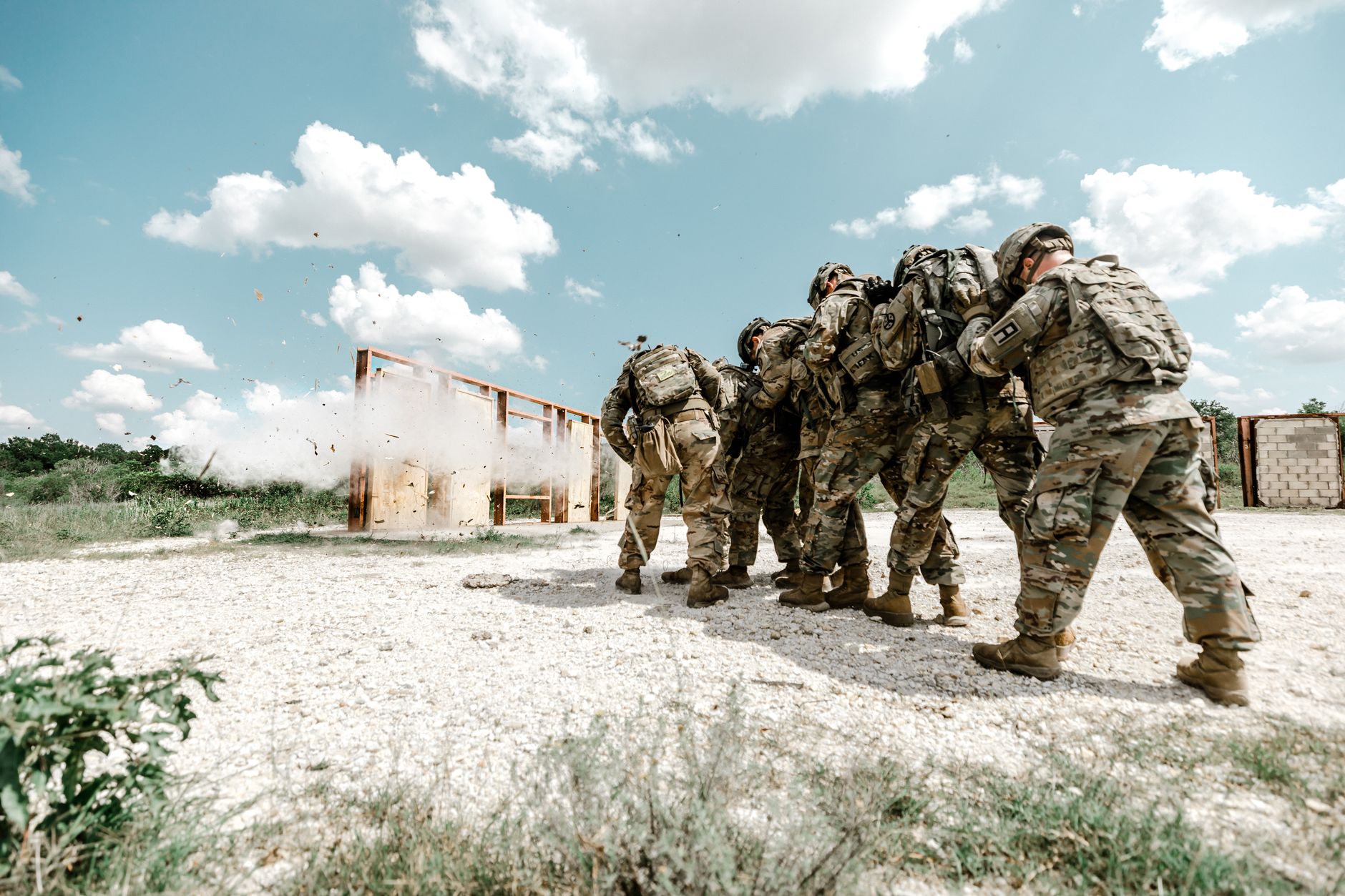
- A significant U.S. military presence across the Middle East, including naval forces and air assets, acts as a clear deterrent against potential Iranian aggression and ensures the protection of vital international shipping lanes and allied nations.
- Support for key regional allies, such as Saudi Arabia, Israel, and the UAE, forms a cornerstone of U.S. strategy, providing security assistance and intelligence sharing to counter Iran's influence and bolster collective defense capabilities.
- The U.S. also actively works to counter Iran's support for proxy groups like Hezbollah and various militias in Iraq and Yemen, aiming to disrupt their funding, training, and operational capabilities to reduce regional instability and conflict.
The Policy History
The U.S.-Iran relationship has been defined by profound hostility and deep-seated mistrust ever since the 1979 Iranian Revolution, which fundamentally reshaped geopolitical dynamics in the Middle East. This pivotal event saw the overthrow of the U.S.-backed Shah and the establishment of an Islamic Republic, initiating a four-decade-long period of adversarial interaction where each nation viewed the other as a primary antagonist. The hostage crisis at the U.S. embassy in Tehran further cemented this animosity, setting a precedent for future confrontations and a pervasive lack of diplomatic engagement.
Decades of this mutual mistrust have intricately shaped U.S. foreign policy towards Iran, consistently portraying the Islamic Republic as a state sponsor of terrorism and a significant destabilizing force across the broader Middle East. Landmark events such as the Iran-Contra affair in the 1980s underscored the covert and complex nature of interactions, while the subsequent emergence and acceleration of Iran's nuclear program in the early 2000s escalated international concerns, leading to intensified scrutiny and the imposition of international sanctions.
The trajectory of this relationship has been marked by cycles of confrontation and fleeting attempts at rapprochement, with each new administration grappling with the enduring challenges posed by Iran's regional ambitions and its nuclear aspirations. From the "Axis of Evil" designation to the negotiation and subsequent withdrawal from the Joint Comprehensive Plan of Action (JCPOA), U.S. policy has consistently sought to contain Iran's influence, prevent nuclear proliferation, and protect its allies, all while navigating a complex web of regional conflicts and global energy interests.
Who Is Affected
At the most immediate level, ordinary Iranian citizens bear the profound and disproportionate brunt of the extensive international sanctions regime. These punitive measures, designed to pressure the Iranian government, often lead to severe economic hardship, including rampant inflation, high unemployment rates, and a dramatic devaluation of the national currency. This translates into limited access to essential goods, medicines, and critical technologies, severely impacting daily life and fostering widespread discontent among the populace, who often feel caught between international pressures and their own government's policies.
Beyond Iran's borders, regional stability is perpetually threatened by the ongoing U.S.-Iran tensions, creating a volatile environment that impacts numerous neighboring countries. Proxy conflicts in Yemen, Syria, Iraq, and Lebanon are often exacerbated by the rivalry, drawing in regional powers and leading to immense human suffering and displacement. The constant threat of escalation, whether through direct military confrontation or cyberattacks, keeps the entire Middle East on edge, hindering economic development and perpetuating cycles of violence and instability across multiple borders.
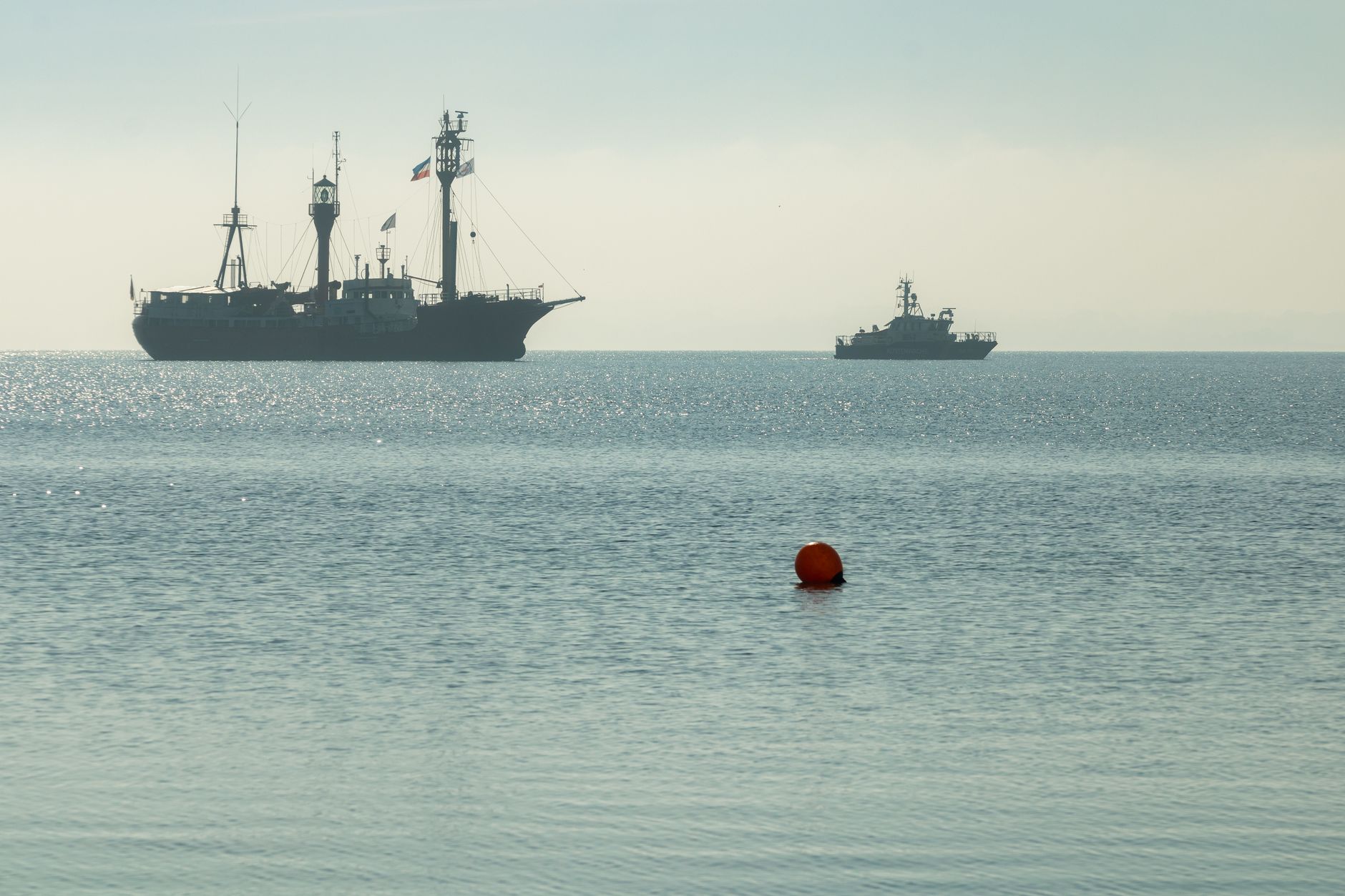
Furthermore, the global economy, particularly international oil markets, reacts with extreme sensitivity to any perceived escalation in U.S.-Iran tensions. The Strait of Hormuz, a critical chokepoint for a significant portion of the world's oil supply, becomes a flashpoint during periods of heightened friction. Disruptions or threats to shipping in this vital waterway can cause immediate and significant volatility in global oil prices, impacting consumers and industries worldwide and underscoring the far-reaching economic consequences of this geopolitical standoff.
The Case For
Proponents of the current robust U.S. policy argue that a strong stance, characterized by stringent sanctions and a visible military posture, is absolutely essential to effectively curb Iran's nuclear ambitions and its pervasive support for various proxy groups across the Middle East. They contend that without sustained and significant pressure, Iran would rapidly accelerate its nuclear program, potentially developing weapons-grade material, and further destabilize the region through its network of militias and political influence. This firm approach is seen as a necessary deterrent against a potentially nuclear-armed and expansionist Iran.
Those advocating for continued pressure believe that such a strategy can ultimately force Iran to return to the negotiating table, but this time to secure a more comprehensive and enduring deal. Unlike previous agreements, a new accord would ideally address not only nuclear proliferation but also Iran's ballistic missile program and its destabilizing regional activities. The underlying premise is that economic pain, coupled with the credible threat of military action, provides the most effective leverage to compel a fundamental shift in Tehran's strategic calculations and behavior.
Ultimately, the argument for this assertive policy centers on enhancing regional security and preventing the proliferation of nuclear weapons in an already volatile part of the world. By demonstrating unwavering resolve and imposing severe consequences for non-compliance, the U.S. aims to send a clear message that Iran's current trajectory is unacceptable. This approach is viewed as safeguarding the interests of U.S. allies, protecting international shipping lanes, and upholding the global non-proliferation regime, thereby contributing to broader international peace and stability.
The Case Against
Critics of the current U.S. policy contend that the relentless application of sanctions and a confrontational military stance carry significant risks, primarily increasing the likelihood of dangerous escalation and further destabilizing an already fragile Middle East. They argue that maximal pressure tactics can backfire, pushing Iran into a corner where it feels it has nothing to lose, potentially leading to more aggressive actions or a complete withdrawal from international oversight of its nuclear program, thereby increasing the chances of military conflict.
Furthermore, opponents of the sanctions regime emphasize that these measures primarily inflict severe hardship on ordinary Iranian citizens, rather than effectively compelling the government to change its policies. They argue that this economic suffering often fosters deep resentment towards the United States and its allies, inadvertently strengthening hardline elements within Iran who can blame external forces for domestic woes, thus undermining any potential for future diplomatic engagement or internal reform.
A more diplomatic and de-escalatory approach is frequently proposed as a safer and potentially more effective alternative. Advocates for this path suggest that direct, unconditional talks, coupled with targeted sanctions that avoid broad humanitarian impact, could build trust and open avenues for genuine negotiation. They believe that sustained engagement, rather than isolation, offers a better chance to address Iran's nuclear program and regional behavior, ultimately leading to a more stable and peaceful resolution without resorting to military intervention.

Policy Questions Answered
Implementation Watch
Monitoring the effectiveness of the intricate web of sanctions and the sporadic diplomatic overtures remains a critical challenge for international observers and policymakers. Recent reports from various intelligence agencies and international bodies, such as the IAEA, indicate a mixed bag of results. While Iran's economy undeniably faces significant strain, leading to domestic discontent and limiting its conventional military spending, the country has also continued to advance aspects of its nuclear program, including uranium enrichment, beyond the limits set by the defunct JCPOA.
The international community itself remains deeply divided on the optimal path forward, complicating any unified approach to implementation. Some nations advocate for a return to the negotiating table and a revival of the JCPOA, believing it offers the best chance to constrain Iran's nuclear ambitions. Others insist on maintaining or even increasing pressure through sanctions, arguing that only maximal coercion will force Iran to fundamentally alter its behavior regarding both its nuclear program and its regional activities. This divergence in strategy creates loopholes and inconsistencies in the enforcement regime.
Looking ahead, the success of any policy hinges on its ability to adapt to Iran's evolving geopolitical calculations and internal dynamics. The ongoing challenge is to find a delicate balance: applying sufficient pressure to deter proliferation and destabilizing actions, while simultaneously keeping diplomatic channels open to prevent unintended escalation. The future trajectory of U.S.-Iran relations will largely depend on the willingness of both sides to engage constructively, the cohesion of international actors, and the ability to navigate the complex interplay of economic, security, and political interests without triggering a wider conflict.






Comments
No comments yet. Be the first to comment!