

Key Takeaways
- The world has recorded its twelfth consecutive year of declining peacefulness, signaling a persistent and worsening global security environment.
- Escalating conflicts in regions like Ukraine, Sudan, and the Sahel are primary drivers, contributing significantly to the overall deterioration in peace metrics.
- The economic impact of violence has reached staggering levels, with global costs now representing a substantial portion of the world's GDP, diverting crucial resources from development.
- Geopolitical tensions are intensifying, leading to a rise in militarization and a decrease in international cooperation, further complicating efforts to resolve existing conflicts.
- Internal conflicts are becoming more prevalent and protracted, often fueled by resource scarcity, political instability, and the proliferation of non-state armed groups.
- Despite the overall decline, some nations have demonstrated resilience and even improved their peacefulness, offering valuable insights into effective conflict prevention and resolution strategies.
Background
The Global Peace Index (GPI), an annual report by the Institute for Economics & Peace (IEP), serves as the world's leading measure of global peacefulness. It assesses the state of peace across three domains: the level of societal safety and security, the extent of ongoing domestic and international conflict, and the degree of militarization. For over a decade, this comprehensive framework has consistently highlighted a troubling trend: a steady erosion of global peace, painting a stark picture of increasing instability. The latest report confirms this alarming trajectory, marking the twelfth consecutive year of deterioration, a record that underscores the profound challenges facing the international community.
Since its inception, the GPI has provided invaluable data for policymakers, academics, and the public, tracking trends in violence and peace across 163 independent states and territories. This extensive coverage, representing 99.7% of the world's population, offers a robust empirical basis for understanding the complex dynamics of global conflict. The methodology involves 23 qualitative and quantitative indicators, each weighted and normalized to create a composite score. This rigorous approach ensures that the index captures a multifaceted view of peace, moving beyond mere absence of war to include factors like political instability, terrorism impact, and relations with neighboring countries.
The sustained decline observed over the past twelve years is not merely a statistical anomaly but a reflection of deep-seated and interconnected global challenges. From the rise of state-sponsored proxy wars to the proliferation of internal conflicts exacerbated by climate change and economic disparities, the drivers of this deterioration are complex and multifaceted. Understanding these underlying causes is crucial for developing effective interventions and fostering a more peaceful world. The GPI's historical data reveals that while certain regions have experienced periods of improvement, the overall global trend points towards a more volatile and less secure international landscape, demanding urgent attention from leaders worldwide.
Why It Matters
The continuous decline in global peacefulness carries profound implications that extend far beyond immediate conflict zones, threatening the very fabric of international stability and human progress. When peace erodes, societies face a cascade of devastating consequences: increased humanitarian crises, mass displacement, economic disruption, and the erosion of human rights. This isn't merely an abstract statistic; it translates directly into millions of lives uprooted, futures shattered, and fundamental development goals derailed. The interconnectedness of our world means that instability in one region can quickly ripple across continents, impacting supply chains, fostering extremism, and creating new security challenges for even seemingly distant nations.
Economically, the cost of violence is staggering and unsustainable. The latest estimates reveal that global violence costs the world economy trillions of dollars annually, a sum that could otherwise be invested in education, healthcare, infrastructure, or climate action. This immense financial burden represents a significant drain on global resources, hindering sustainable development and perpetuating cycles of poverty in conflict-affected regions. Furthermore, declining peace discourages foreign investment, disrupts trade routes, and undermines economic growth, trapping nations in a vicious cycle where instability feeds economic hardship, which in turn can fuel further unrest.
Beyond the tangible costs, the erosion of peace fundamentally undermines the principles of international cooperation and multilateralism. As nations become more insular or confrontational, the capacity for collective action on shared global challenges—such as climate change, pandemics, and nuclear proliferation—diminishes significantly. A less peaceful world is one where trust is scarce, dialogue is replaced by division, and the potential for large-scale conflict looms larger. It jeopardizes decades of progress in building a more interconnected and cooperative international system, pushing us towards an era of increased fragmentation and insecurity, making the pursuit of global peace not just an ideal, but an existential necessity.
Ground Reality
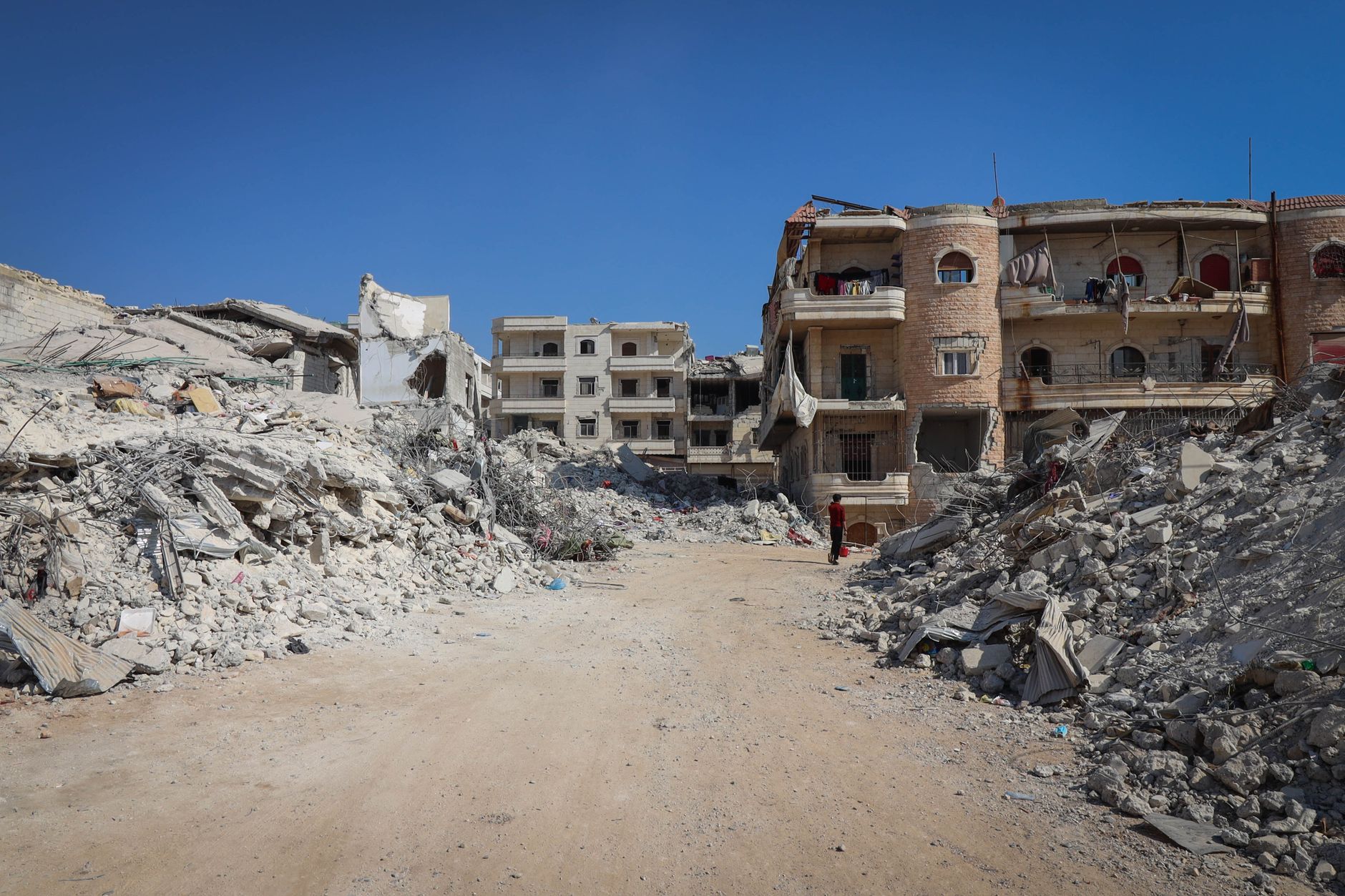
The grim reality on the ground reflects a world grappling with multiple, overlapping crises, each contributing to the overall decline in peacefulness. The war in Ukraine continues to be a primary driver, devastating a nation, displacing millions, and creating profound geopolitical instability across Europe and beyond. Its ripple effects on global energy markets, food security, and international relations are undeniable, demonstrating how a single large-scale conflict can dramatically shift the global peace landscape. The sheer scale of human suffering and the destruction of infrastructure in Ukraine serve as a stark reminder of the devastating consequences of interstate aggression, pushing the world further from a state of equilibrium.
Beyond Eastern Europe, several other regions are experiencing significant escalations in violence. Sudan, for instance, has plunged into a brutal civil conflict, leading to a catastrophic humanitarian crisis and widespread displacement, with millions facing starvation and acute insecurity. The Sahel region in Africa continues to be a hotbed of extremist activity and inter-communal violence, exacerbated by climate change, poverty, and weak governance, creating an intractable cycle of instability. These conflicts, often overlooked by global headlines, are nonetheless contributing substantially to the aggregate decline in global peace, highlighting the pervasive nature of violence in diverse geographical contexts.
The rise in internal conflicts, often fueled by a complex interplay of political grievances, economic disparities, and resource scarcity, further complicates the ground reality. From ongoing insurgencies in parts of Asia to protracted civil strife in the Middle East, these conflicts are characterized by their prolonged nature and devastating impact on civilian populations. The increasing involvement of external actors, often through proxy support, exacerbates these internal struggles, making resolution more challenging and prolonging the suffering. This intricate web of local, regional, and international dynamics paints a sobering picture of a world where peace remains elusive for far too many communities.
What Experts Are Saying
Experts universally agree that the current trajectory of global peacefulness is deeply concerning, citing a confluence of factors that have created a "perfect storm" for increased conflict. Dr. Anya Sharma, a leading geopolitical analyst, notes, "We are witnessing a systemic breakdown of established international norms, coupled with a resurgence of great power competition. This environment encourages smaller states to engage in more aggressive posturing, knowing they might find patrons, or conversely, become proxies in larger strategic games." This shift away from multilateralism towards a more transactional and confrontational international order is seen as a critical underlying cause for the sustained decline.
Many analysts also point to the accelerating impact of climate change as a significant, though often underestimated, driver of conflict. Professor Mark Jensen, an environmental security specialist, explains, "Resource scarcity, particularly water and arable land, is increasingly fueling internal displacement and inter-communal violence, especially in already fragile regions like the Sahel and parts of South Asia. As climate impacts intensify, these pressures will only grow, creating new flashpoints and exacerbating existing tensions." This perspective highlights the need for a holistic approach to peacebuilding that integrates environmental sustainability with traditional security concerns.
Furthermore, the proliferation of advanced weaponry and the rise of hybrid warfare tactics are transforming the nature of conflict, making it more complex and destructive. Dr. Lena Petrova, a defense strategist, observes, "The ease with which disinformation can be spread, combined with the accessibility of sophisticated drone technology and cyber capabilities, means conflicts are no longer confined to traditional battlefields. They are fought in the digital realm, in information spaces, and often with devastating effects on civilian morale and infrastructure." This evolving landscape demands innovative diplomatic and security responses, as traditional conflict resolution mechanisms struggle to adapt to these new realities.
Frequently Asked Questions
What Happens Next
The immediate outlook for global peacefulness remains challenging, with experts predicting continued volatility and localized conflicts in the short to medium term. The ongoing geopolitical realignments, coupled with persistent economic pressures and the escalating impacts of climate change, suggest that a rapid reversal of the current trend is unlikely without significant, coordinated global intervention. Regions already grappling with instability, such as parts of Africa, the Middle East, and Eastern Europe, are expected to face sustained or even intensified challenges. The international community must prepare for continued humanitarian crises and increased demands on aid and peacekeeping resources.
However, the future is not predetermined. There is a critical window of opportunity for international leaders to pivot towards more robust diplomatic engagement, conflict prevention, and peacebuilding initiatives. Investing in early warning systems, strengthening multilateral institutions, and fostering inclusive governance can help mitigate risks and address the root causes of violence before they escalate into full-blown conflicts. Prioritizing sustainable development, climate resilience, and equitable resource distribution are also vital long-term strategies that can foster greater stability and reduce the drivers of conflict, offering a pathway towards a more peaceful future.
Ultimately, the trajectory of global peace will depend on a collective commitment to cooperation over confrontation. This means rebuilding trust between nations, upholding international law, and prioritizing human security in all policy decisions. While the current data paints a concerning picture, it also serves as a powerful call to action. By learning from the successes of nations that have improved their peacefulness and by addressing the systemic issues that fuel violence, humanity still possesses the capacity to steer towards a more tranquil and secure world. The path forward demands sustained effort, innovative solutions, and unwavering dedication to the principles of peace.








Comments
No comments yet. Be the first to comment!