

The Story in Brief
- Donald Trump, at 78, is among the world's oldest leaders, but significantly younger than 16 other current heads of state and government who are 90 or older, highlighting a diverse age spectrum at the highest levels of global power.
- This age disparity raises critical questions about leadership longevity, experience, and the potential impact of advanced age on decision-making, policy continuity, and the vigor required to navigate complex international challenges.
- While Trump's age places him in the upper echelon of global leadership, the existence of leaders well into their 90s and even 100s underscores a trend of extended tenures and the unique political dynamics that allow such prolonged leadership.
- The article examines the implications of these age demographics, considering how factors like health, political stability, and electoral systems contribute to leaders remaining in power for decades, influencing global stability and diplomatic relations.
- Understanding the age profiles of world leaders is crucial for anticipating geopolitical shifts, evaluating the potential for policy changes, and grasping the long-term vision or entrenched perspectives that shape international discourse and action.
- The data reveals a fascinating intersection of experience and potential cognitive decline, prompting a deeper analysis of whether advanced age in leadership is a sign of wisdom and stability or a risk factor for stagnation and outdated policies.
The Human Face of Leadership Age
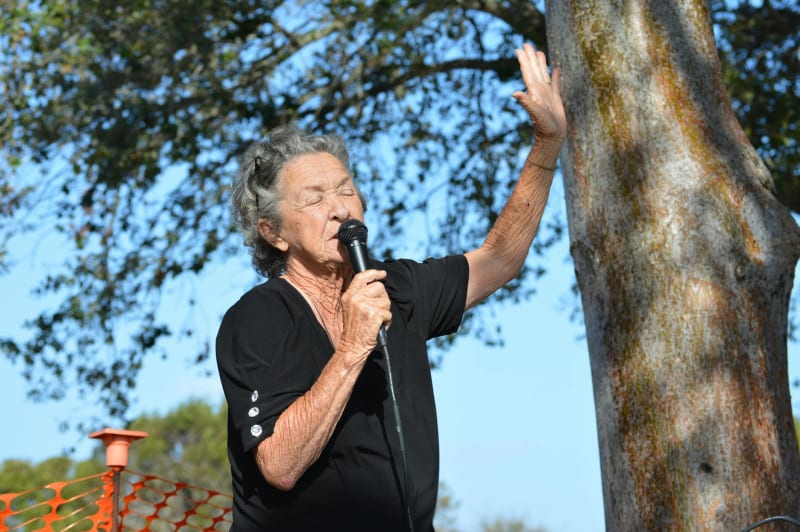
Donald Trump's current age of 78 places him firmly within the older demographic of global leaders, a fact that often sparks discussion about his fitness for office and the potential impact of age on his decision-making capabilities. However, a closer examination reveals that while he is indeed one of the elder statesmen on the world stage, he is not the oldest. Sixteen other national leaders are currently 90 years or older, a stark contrast that puts Trump's age into a broader, more complex perspective. This phenomenon of leaders remaining in power well into their advanced years raises profound questions about the nature of political longevity, the demands of the presidency, and the varying expectations placed upon leaders based on their age and tenure.
The implications of such advanced age in leadership are multifaceted. On one hand, it can signify accumulated wisdom, extensive experience, and a deep understanding of geopolitical intricacies, potentially leading to more stable and predictable foreign policy. Leaders who have navigated decades of international relations may possess invaluable institutional knowledge and a seasoned approach to diplomacy. On the other hand, advanced age can also be associated with potential health concerns, reduced cognitive agility, and a potential disconnect from contemporary societal shifts and technological advancements. This duality necessitates a careful evaluation of each leader, moving beyond simple age metrics to consider their individual capacity, policy impacts, and the specific political contexts in which they operate.
Examining the specific cases of leaders in their 90s and beyond offers a unique window into the mechanisms that allow for such extended political careers. Factors such as robust health, strong political support bases, constitutional loopholes, or even the absence of viable successors often play a role. The longevity of these leaders can shape global events for years, potentially entrenching certain policies or creating significant inertia in international relations. Understanding these dynamics is not merely an academic exercise; it directly impacts global stability, economic policies, and the resolution of pressing international issues, making the age of leaders a critical, though often overlooked, aspect of political analysis.
How We Reached This Age Demographic
The phenomenon of leaders remaining in power for extended periods, often into their advanced years, is a complex tapestry woven from political, social, and personal threads. In many nations, particularly those with less robust democratic institutions or a history of political instability, strongman rule or entrenched party dominance can allow leaders to consolidate power and resist challenges for decades. This often involves cultivating loyalty, controlling information, and suppressing opposition, creating an environment where age becomes less of a barrier than political maneuvering. The perception of experience as a virtue, coupled with a lack of viable alternatives, can further bolster the position of long-serving leaders, regardless of their chronological age.
Furthermore, the global political landscape itself has evolved, with certain regions experiencing prolonged periods of relative stability under the same leadership, fostering an environment where leaders can age in office. In democratic systems, charismatic leaders or those who successfully navigate multiple election cycles can also achieve remarkable longevity. The increasing average lifespan globally also plays a role; as people live longer, healthier lives, the threshold for what is considered 'too old' to lead has arguably shifted. This demographic trend, combined with political strategies to maintain power, has contributed to the current situation where several world leaders are well into their 80s and 90s.
The specific case of Donald Trump, while he is not among the absolute oldest, reflects a broader trend of older individuals seeking and holding high political office. His political career, marked by significant public attention and a unique communication style, has resonated with a particular segment of the electorate, enabling him to remain a prominent figure. The global stage, with its demands for gravitas and perceived experience, can sometimes favor older candidates. This dynamic, combined with the personal drive and political acumen of individuals, explains how leaders like Trump, and indeed many others significantly older, continue to shape national and international affairs.
Why This Age Dynamic Cannot Be Ignored
The advanced age of numerous world leaders, including Donald Trump, is far more than a demographic curiosity; it carries significant implications for global policy, stability, and the future of international relations. Leaders who have spent decades in power may bring a wealth of experience and a deep understanding of complex geopolitical issues. However, this longevity can also lead to entrenched policies, resistance to change, and a potential disconnect from the evolving needs and aspirations of younger generations. The sheer weight of experience, while valuable, can sometimes translate into an inability to adapt to rapidly changing global dynamics, potentially hindering progress on critical issues like climate change, economic inequality, and technological disruption.
Moreover, the physical and cognitive health of leaders in their advanced years is a legitimate concern that cannot be dismissed. While many leaders remain sharp and capable well into their 80s and 90s, the risk of age-related decline is a reality that affects everyone. Decisions made at the highest levels of government have profound consequences, impacting millions of lives and international security. Therefore, any potential diminishment in judgment, stamina, or cognitive function due to age poses a tangible risk. This necessitates a careful and ongoing assessment of leadership capabilities, moving beyond mere electoral mandates to consider the practical realities of governing at an advanced age.
The concentration of power in the hands of a few long-serving, older leaders can also stifle political renewal and the emergence of new ideas and leadership styles. In countries where leaders have held power for decades, democratic processes may be weakened, and opportunities for younger generations to assume leadership roles may be limited. This can lead to political stagnation and a lack of representation for diverse viewpoints. Globally, this trend can influence the pace of international cooperation, the willingness to embrace innovative solutions, and the overall dynamism of global governance, making it imperative to understand and address the age factor in leadership.
Navigating the Future of Leadership Age
Addressing the implications of advanced age in global leadership requires a multi-pronged approach, focusing on fostering robust democratic processes and encouraging political renewal. Strengthening electoral systems to ensure fair and transparent elections, promoting term limits where appropriate, and supporting the development of a diverse pool of qualified candidates are crucial steps. Empowering civil society organizations and independent media to hold leaders accountable, regardless of their age or tenure, can also play a vital role in ensuring that leadership remains responsive to the needs of the populace and the demands of a changing world.
Technological advancements and improved healthcare are enabling individuals to remain active and engaged at older ages, which can be a significant asset in leadership. The key lies in ensuring that age does not become a proxy for diminished capacity or an excuse for political stagnation. Promoting regular, transparent health assessments for leaders, particularly those in advanced age, could provide the public with necessary reassurance about their fitness for office. Furthermore, fostering environments where knowledge transfer and mentorship are prioritized can ensure that the experience of older leaders is effectively passed on to emerging talent, creating a more seamless transition of power and policy.
Ultimately, the global community must engage in a candid dialogue about the ideal age range for political leadership, balancing the value of experience with the need for fresh perspectives and adaptability. This involves encouraging younger generations to participate actively in politics, creating pathways for their leadership, and recognizing that effective governance requires a dynamic interplay of wisdom, energy, and innovation. By proactively addressing these issues, nations can cultivate leadership that is not only experienced but also forward-looking, capable of navigating the complex challenges of the 21st century.

Questions People Are Actually Asking
What to Watch
- Monitor the health and public appearances of leaders in their advanced years to gauge their continued capacity to govern effectively and make sound decisions on critical global issues.
- Observe how policies initiated or maintained by long-serving leaders adapt, or fail to adapt, to evolving global challenges such as climate change, technological disruption, and geopolitical realignments.
- Track the emergence of new political figures and movements that may challenge the status quo and offer alternative leadership styles and policy directions, potentially signaling a generational shift in power.
- Analyze the rhetoric and actions of leaders concerning intergenerational equity, paying attention to whether their policies adequately address the long-term concerns and aspirations of younger populations.
- Evaluate the impact of leadership age on international diplomacy and cooperation, noting whether extended tenures lead to greater stability and predictability or to entrenched rivalries and missed opportunities for progress.
- Stay informed about electoral outcomes and political transitions in countries with elderly leaders, as these events can signal significant shifts in national direction and global influence.









Comments
No comments yet. Be the first to comment!