
At a Glance
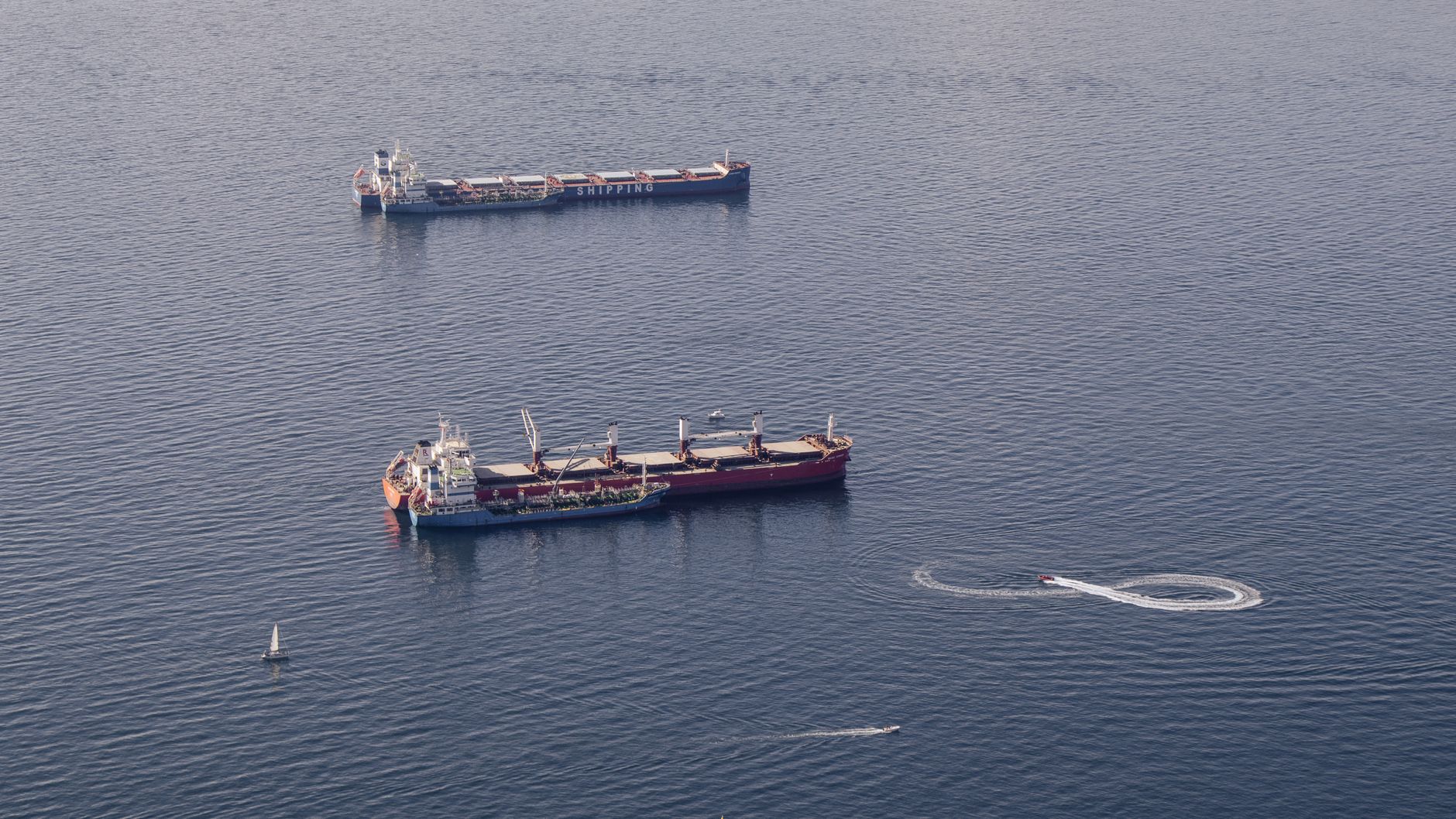
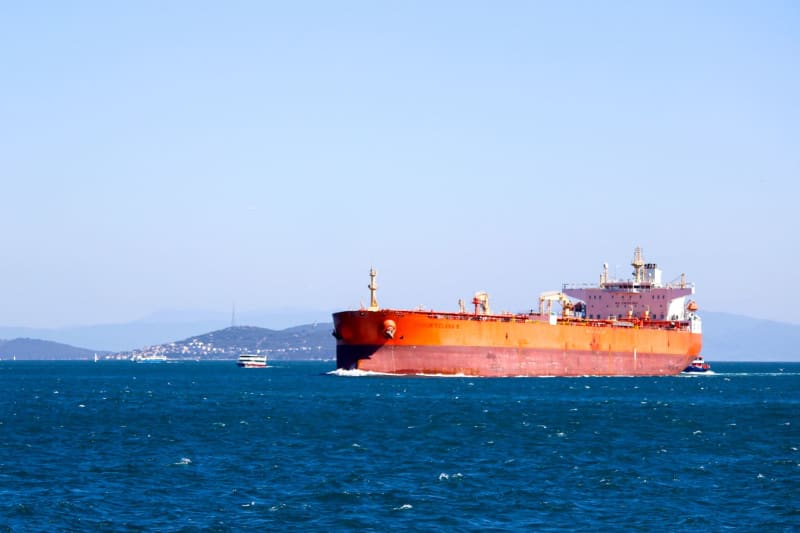
- The recently brokered agreement between the United States and Iran seeks to formally end years of proxy conflicts, primarily in the Gulf region, and ensure the unimpeded passage of commercial vessels through the strategically vital Strait of Hormuz, a critical choke point for global energy supplies.
- Initial reactions suggest a cautious optimism in global markets, with oil prices stabilizing slightly and shipping insurance premiums seeing a marginal decrease, reflecting a momentary reduction in perceived geopolitical risk in the Persian Gulf.
- The agreement reportedly involves a reciprocal de-escalation of military postures, a commitment from Iran to cease harassment of international shipping, and a pledge from the U.S. to lift certain economic sanctions impacting Iranian oil exports, though specific details remain under wraps.
- Despite the diplomatic breakthrough, significant skepticism persists among regional allies and international observers regarding the long-term commitment of both parties, given their deeply entrenched historical animosities and differing strategic objectives in the Middle East.
- The Strait of Hormuz, through which approximately one-fifth of the world's total oil consumption passes daily, is central to the deal, with its guaranteed reopening being a primary objective to safeguard global energy security and prevent supply chain disruptions.
- A major hurdle for the deal's durability lies in establishing robust and transparent verification mechanisms to ensure compliance from both sides, particularly concerning Iran's adherence to maritime safety protocols and its broader regional conduct, which has historically been a point of contention.
The Record
The relationship between the United States and Iran has been characterized by decades of profound mistrust, geopolitical rivalry, and intermittent conflict, dating back to the 1979 Iranian Revolution and the subsequent hostage crisis. This deeply ingrained animosity has fueled a series of proxy wars across the Middle East, from Yemen to Syria, and has consistently threatened the stability of the Persian Gulf. Each diplomatic overture has been met with skepticism, often collapsing under the weight of historical grievances and the complex interplay of regional power dynamics, leaving a legacy of unfulfilled promises and escalating tensions that this new agreement attempts to address.
The Strait of Hormuz, a narrow waterway separating Iran from the Arabian Peninsula, has repeatedly served as a flashpoint in this volatile relationship. Incidents ranging from tanker attacks and drone shoot-downs to naval confrontations have underscored the fragility of maritime security in the region, directly impacting global energy markets and international trade. These episodes have not only highlighted Iran's strategic leverage over a critical global choke point but also demonstrated its willingness to use this leverage to exert pressure, making any agreement concerning the Strait's security inherently complex and fraught with potential for renewed conflict.
While the current deal marks a significant step, it is not the first attempt to de-escalate tensions or establish a framework for coexistence. Previous negotiations, most notably the Joint Comprehensive Plan of Action (JCPOA) regarding Iran's nuclear program, offered glimpses of potential rapprochement but ultimately faltered due to shifts in political will and mutual accusations of non-compliance. Understanding these past failures is crucial for assessing the viability of the new accord, as it reveals the deep-seated challenges and the precarious nature of any agreement between these two powerful, yet adversarial, nations.
Who Knew and When
The genesis of this recent US-Iran deal was shrouded in intense secrecy, with diplomatic channels reportedly opened through third-party intermediaries in Oman and Qatar over several months. This clandestine approach was deemed necessary to circumvent domestic political opposition in both Washington and Tehran, preventing premature leaks that could have derailed the delicate negotiations. Key figures from the Biden administration, alongside high-ranking Iranian officials, are believed to have conducted discreet meetings, meticulously laying the groundwork for the comprehensive agreement that has now come to light, emphasizing the extraordinary efforts required to bridge such a deep geopolitical divide.
Reports suggest that seasoned diplomats from European nations and Gulf states played crucial roles in facilitating these sensitive discussions, acting as vital conduits for communication when direct dialogue proved too challenging. The timeline of breakthroughs reportedly accelerated in the last quarter, following a series of maritime incidents that underscored the urgent need for de-escalation. While specific dates and names remain largely confidential, the involvement of these international facilitators was instrumental in building trust and translating complex demands into actionable terms, culminating in the formal announcement of the deal.
Within both the U.S. and Iranian governments, the negotiations sparked considerable internal debate and required significant political capital to push forward. In Washington, the deal faced scrutiny from congressional hawks and regional allies concerned about perceived concessions to Tehran. Similarly, in Iran, hardliners expressed deep reservations about engaging with the "Great Satan." The ability of leadership on both sides to navigate these domestic pressures and secure consensus within their respective political establishments speaks volumes about the perceived strategic imperative of achieving this de-escalation, even if it meant overcoming substantial internal resistance.
Voices from the Ground
Across the Gulf Cooperation Council (GCC) states, the announcement of the US-Iran deal has been met with a mixture of cautious optimism and profound apprehension. Nations like Saudi Arabia and the UAE, long wary of Iran's regional ambitions and its ballistic missile program, express concerns that the agreement might not adequately address Tehran's broader destabilizing activities. While welcoming any move towards de-escalation in the Strait of Hormuz, they demand robust monitoring mechanisms and assurances that the deal will not inadvertently embolden Iran or shift the regional balance of power in ways detrimental to their security interests, highlighting the delicate geopolitical tightrope the agreement must walk.
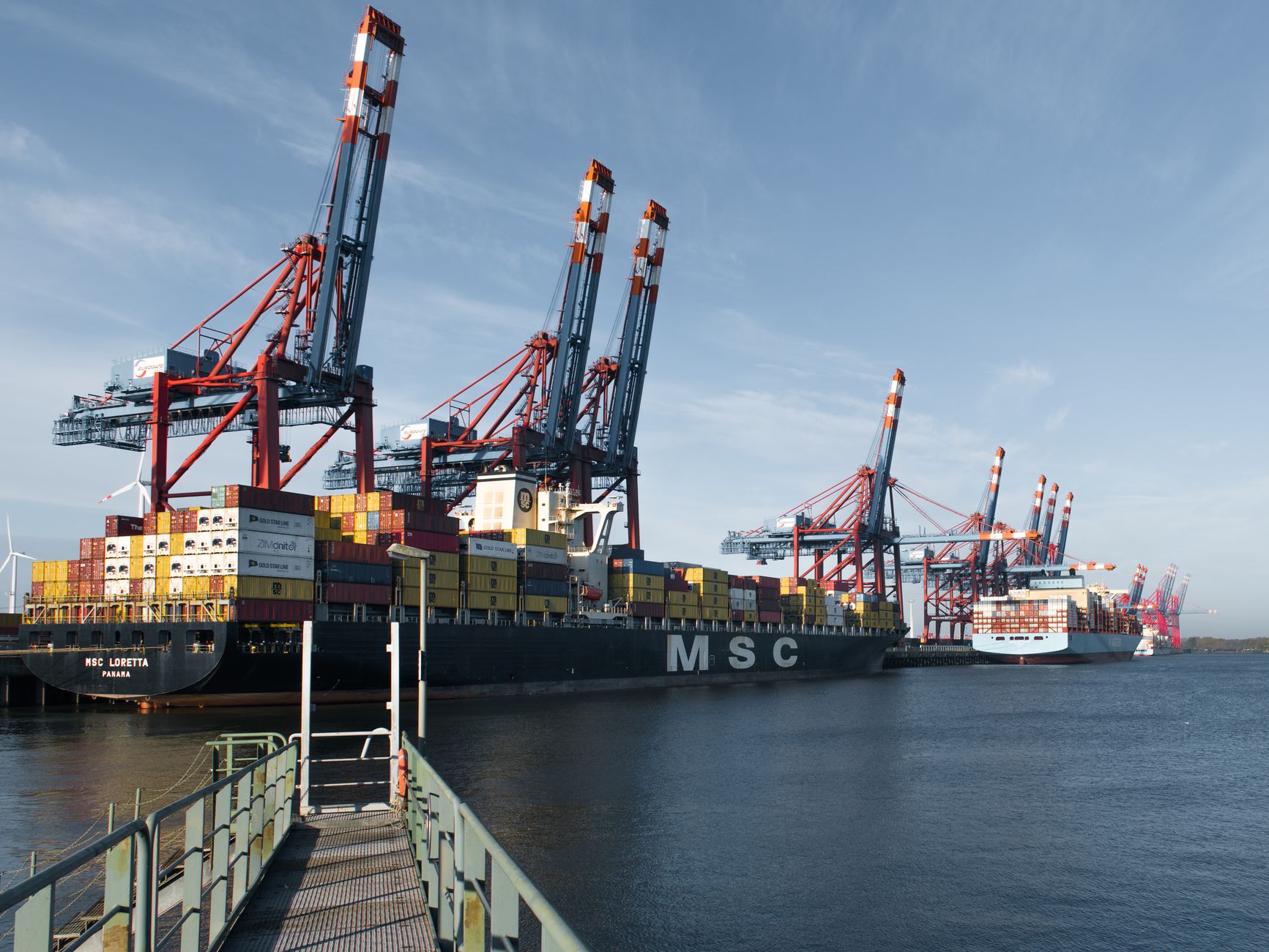
For the global shipping industry, the prospect of a stable and open Strait of Hormuz brings a palpable sense of relief. Major shipping lines and insurance companies have long grappled with exorbitant premiums and rerouting costs due to the persistent threat of attacks and seizures in the critical waterway. Industry spokespeople have emphasized that predictable passage is paramount for maintaining global supply chains and energy security. While celebrating the potential for reduced operational risks and costs, they also stress the need for consistent enforcement and transparent communication from all parties to ensure that this newfound stability is not merely a temporary reprieve.
Amidst the geopolitical maneuvering, the voices of local populations in Iran and neighboring countries often go unheard. For many ordinary Iranians, the promise of eased sanctions and a potential economic uplift offers a glimmer of hope after years of hardship, though skepticism remains about whether these benefits will truly trickle down. Human rights organizations, however, voice concerns that the deal might overlook or even legitimize the human rights records of both nations, urging international actors to maintain pressure on these crucial issues even as diplomatic relations improve. Their perspectives underscore the multifaceted impact of such agreements, extending far beyond strategic interests to the daily lives and fundamental freedoms of millions.
The Debate
Proponents of the US-Iran deal emphasize its potential to significantly de-escalate regional tensions and, crucially, stabilize global energy markets. They argue that securing the Strait of Hormuz, a conduit for a substantial portion of the world's oil, will reduce volatility in oil prices, lower shipping insurance costs, and foster greater predictability for international trade. This economic stability, they contend, could create a positive feedback loop, encouraging further diplomatic engagement and potentially paving the way for broader regional cooperation on issues like climate change and economic development. The economic benefits are seen as a powerful incentive for both sides to uphold their commitments.
Conversely, critics, including many Republican lawmakers in the U.S. and several Gulf allies, express deep skepticism about Iran's long-term intentions. They argue that the deal, particularly any lifting of sanctions, could provide Tehran with much-needed financial resources, which might then be diverted to its proxy forces or advanced weapons programs, rather than exclusively for economic development. These opponents fear that the agreement might legitimize Iran's current regime without fundamentally altering its regional behavior, potentially leading to a more assertive Iran in the future and undermining the security of its neighbors.
A central point of debate revolves around how this deal will reshape the intricate web of regional alliances and power dynamics. Some analysts suggest it could encourage other Gulf states to pursue their own rapprochement with Iran, potentially leading to a more multipolar Middle East less reliant on external powers. Others warn that it might strain existing alliances, particularly if key U.S. partners feel their security concerns have been overlooked or that the deal empowers a rival. The long-term geopolitical consequences, including the potential for new security architectures or renewed rivalries, remain a significant and contentious aspect of the ongoing discussion.

Your Questions Answered
What Accountability Looks Like
The success of this US-Iran deal hinges critically on the establishment and rigorous implementation of robust accountability and monitoring mechanisms. These are expected to include a joint oversight committee, potentially involving neutral international observers, tasked with verifying Iran's adherence to maritime safety protocols and its commitment to ceasing harassment of commercial shipping. Additionally, satellite surveillance and intelligence sharing among signatory nations will play a crucial role in detecting any deviations from the agreed terms. The credibility of these mechanisms will be paramount in building and maintaining trust, which remains a scarce commodity in the U.S.-Iran relationship.
Despite the best intentions, the potential for violations remains a significant concern, given the complex history of animosity and the numerous actors involved. Minor infractions, such as ambiguous maritime maneuvers or rhetorical provocations, could test the deal's resilience. The agreement is anticipated to outline a clear escalation ladder for responding to breaches, starting with diplomatic protests and urgent consultations, potentially leading to targeted sanctions or even a temporary suspension of certain deal provisions for more serious transgressions. The international community's unified and swift response to any non-compliance will be vital in deterring future violations and upholding the integrity of the accord.
Ultimately, true accountability extends beyond mere compliance with specific terms; it involves a fundamental shift towards mutual trust and long-term stability. For the deal to endure, both the U.S. and Iran must demonstrate a sustained commitment to de-escalation and a willingness to engage constructively on broader regional security issues. The "accountability meter" will not only measure adherence to the text but also the evolution of the relationship itself – whether it moves from a transactional truce to a more enduring framework for peaceful coexistence. This long-term trust-building process, requiring consistent diplomatic effort and a willingness to overcome historical grievances, represents the ultimate challenge and measure of the deal's success.










Comments
No comments yet. Be the first to comment!