
The Numbers
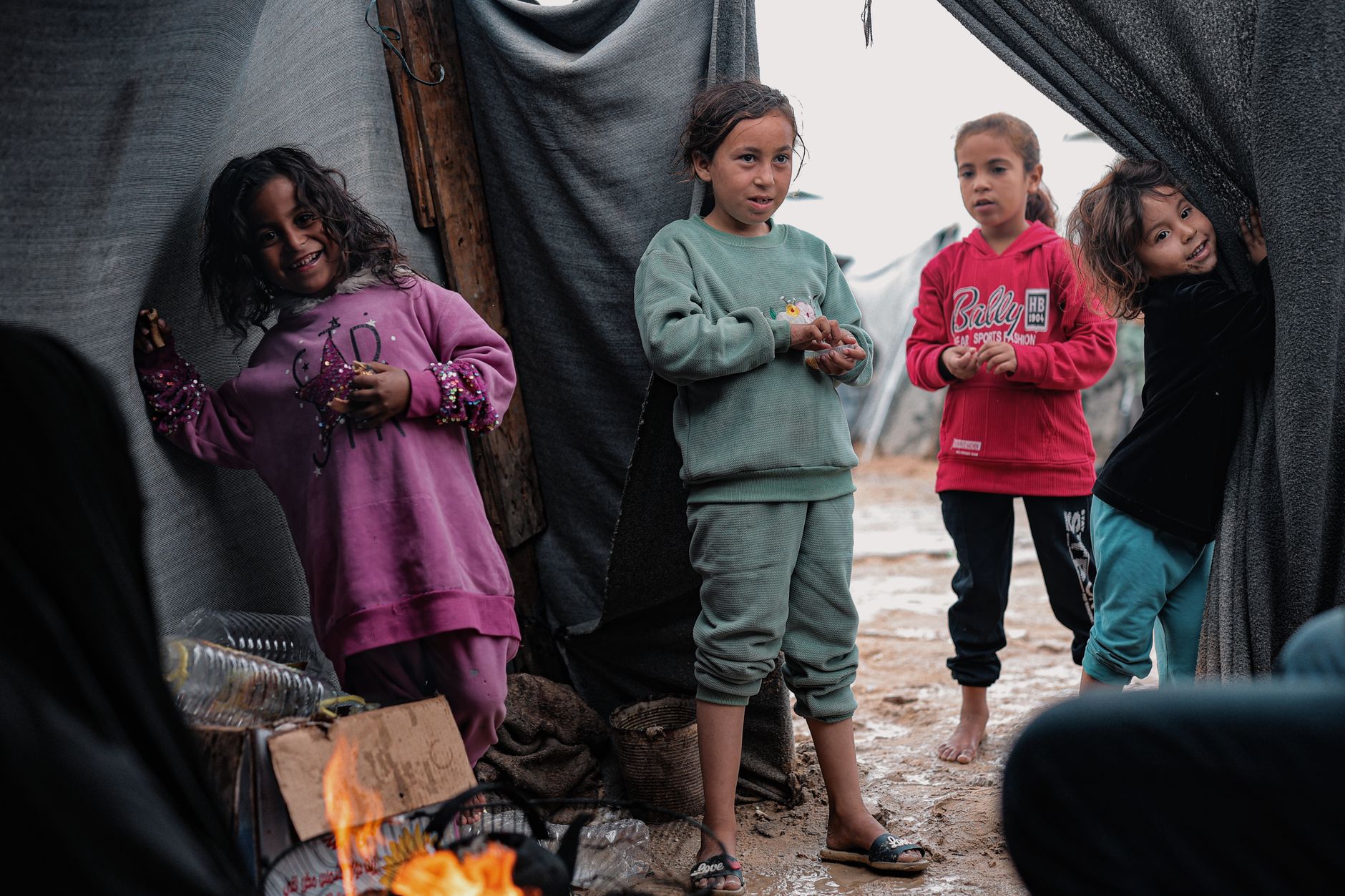
- Over 6.3 million Ukrainian refugees have been recorded across Europe, highlighting a humanitarian crisis of unprecedented scale since World War II, placing immense strain on host nations and international aid organizations.
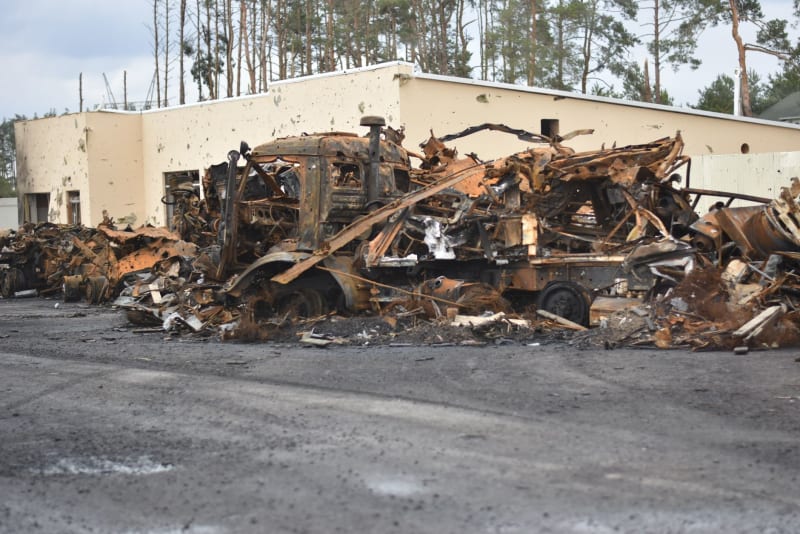
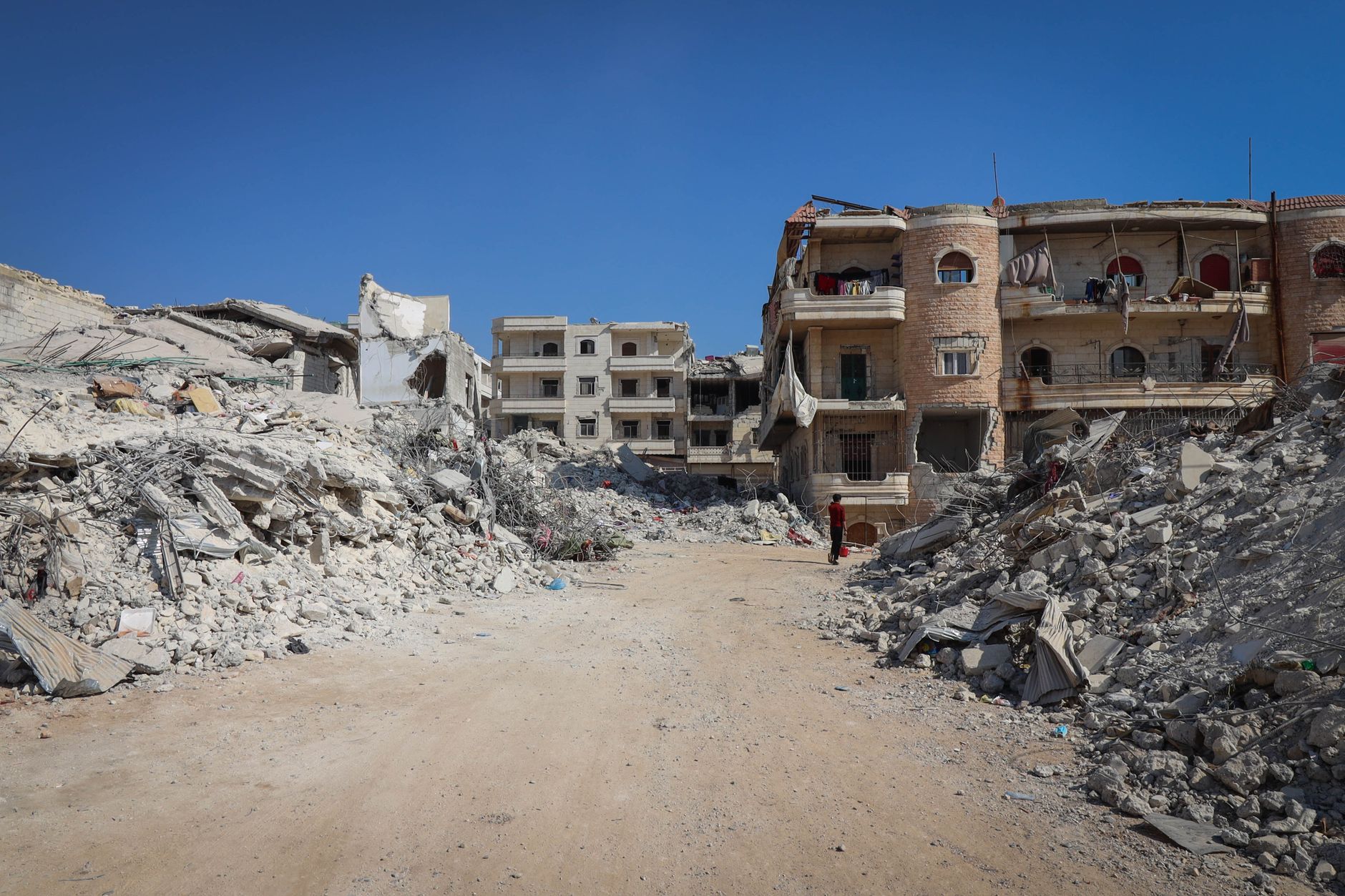
- Estimates suggest economic damages to Ukraine exceed $150 billion, impacting critical infrastructure, housing, and industrial capacity, necessitating massive reconstruction efforts post-conflict.
- Russia's military expenditures have surged, diverting significant national resources towards the conflict, while simultaneously facing substantial losses in personnel and advanced military equipment.
- European Union member states have collectively provided over €85 billion in financial, humanitarian, and military assistance to Ukraine, demonstrating a unified commitment to supporting its sovereignty and defense.
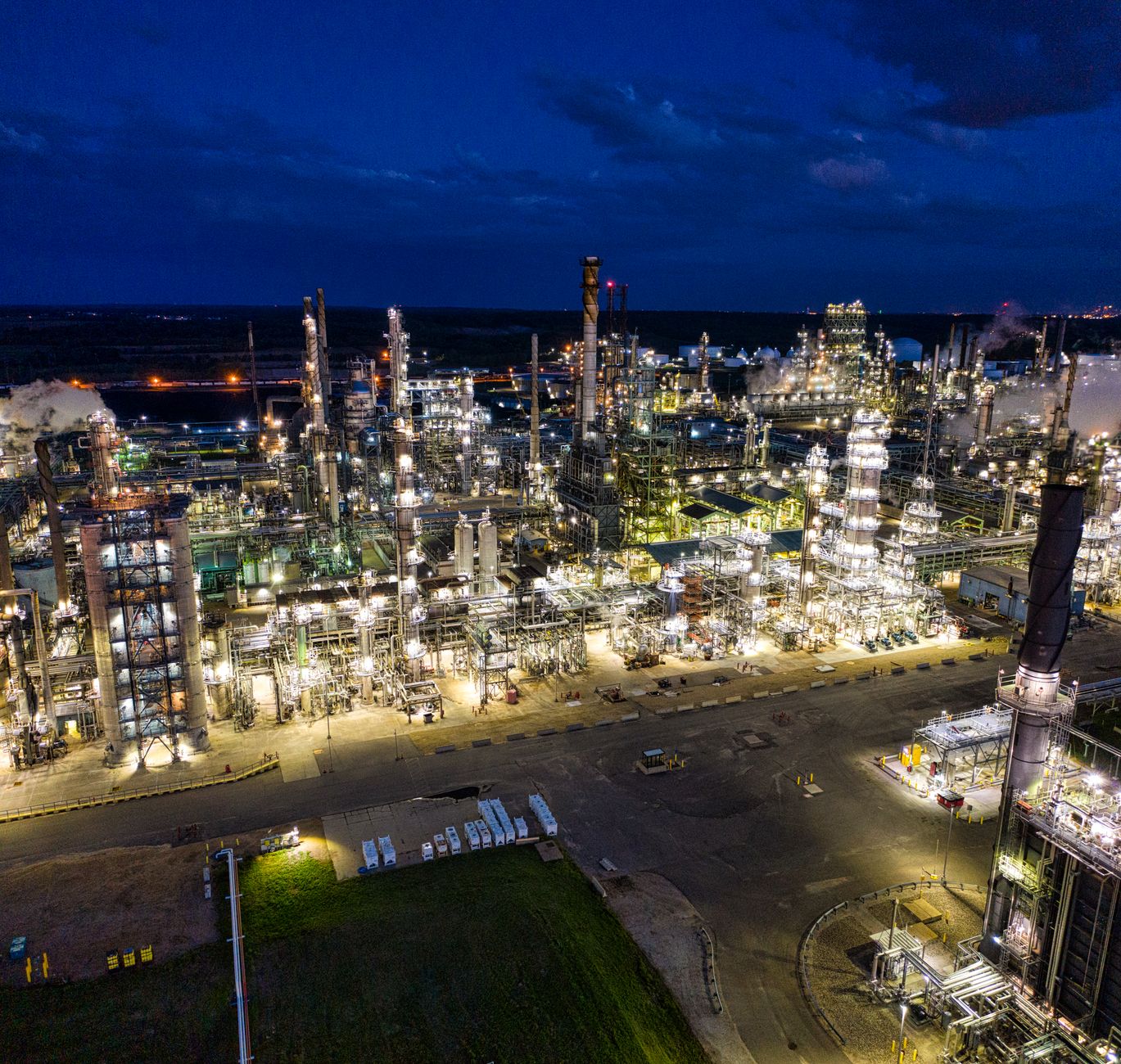
- Global energy prices, particularly for natural gas and crude oil, experienced unprecedented volatility and spikes following the invasion, directly impacting consumer costs and industrial output worldwide.
- NATO's collective defense spending has seen a notable increase across member states, with several nations committing to meet or exceed the 2% of GDP target, signaling a renewed focus on continental security.
Context Check
The current conflict did not emerge in a vacuum but is deeply rooted in decades of geopolitical tension between Russia and the West, particularly concerning NATO expansion and the sovereignty of former Soviet states. Following the collapse of the Soviet Union, a new European security architecture was envisioned, yet persistent disagreements over spheres of influence and national security interests ultimately led to a fractured landscape. This historical backdrop is crucial for understanding the motivations and perceived threats on all sides, shaping the current intractable stalemate.
Prior to the full-scale invasion in February 2022, the annexation of Crimea in 2014 and the ongoing conflict in the Donbas region served as stark warnings of Russia's assertive foreign policy. These events fundamentally challenged the post-Cold War order, demonstrating a willingness to use military force to achieve strategic objectives and redraw international borders. The international community's response, while involving sanctions, was largely seen as insufficient by some to deter further aggression, setting a precedent for the larger conflict that would follow.
The invasion has irrevocably altered the security paradigm across Europe, forcing a radical re-evaluation of defense policies, energy dependencies, and international alliances. Nations previously hesitant to increase military spending or align closely with NATO have now accelerated these processes, recognizing the immediate threat to regional stability. This shift represents a profound and lasting impact, moving Europe away from a period of relative peace and towards a more militarized and ideologically divided continent.
Background
On February 24, 2022, Russia launched a full-scale invasion of Ukraine, escalating the conflict that began in 2014 to an unprecedented level. The initial phase saw Russian forces attempting to seize Kyiv and other major cities, employing a multi-pronged assault that shocked the international community. This aggressive move triggered immediate and widespread condemnation, leading to a rapid mobilization of international support for Ukraine and a wave of severe sanctions against Russia, aiming to cripple its economy and military capabilities.
The conflict has since evolved into a grinding war of attrition, particularly in the eastern and southern regions of Ukraine. Both sides have suffered significant casualties, and the fighting has led to widespread destruction of cities and infrastructure, displacing millions of civilians. Despite initial Russian advances, Ukrainian forces, bolstered by Western military aid and fierce national resistance, have demonstrated remarkable resilience, successfully defending key territories and launching counteroffensives that have recaptured significant ground.
International efforts to broker a lasting peace have repeatedly stalled, primarily due to fundamental disagreements over territorial integrity and security guarantees. Numerous rounds of negotiations have yielded little progress, with both sides maintaining maximalist positions. The ongoing diplomatic deadlock underscores the deep chasm between the warring parties and the complex geopolitical interests at play, making any immediate resolution appear increasingly remote and prolonging the human suffering and global instability.
Winners and Losers
In the immediate aftermath, Ukraine has undeniably suffered immense losses in human life, territorial integrity, and economic infrastructure, yet it has also garnered unprecedented international solidarity and reinforced its national identity. The Ukrainian people have demonstrated extraordinary courage and resilience, uniting against aggression and solidifying their desire for European integration. This struggle, while devastating, has paradoxically strengthened Ukraine's resolve and its standing as a sovereign nation fighting for democratic values.
From a geopolitical perspective, NATO has experienced a significant revitalization, shedding previous doubts about its relevance and cohesion. The invasion prompted Finland and Sweden, historically neutral nations, to apply for membership, expanding the alliance's northern flank and demonstrating a unified front against Russian aggression. This renewed sense of purpose and expanded membership signifies a strategic victory for the alliance, reinforcing its role as the primary guarantor of European security and stability.
Russia, despite its military objectives, has faced severe economic repercussions from international sanctions, a significant brain drain, and diminished global standing. Its economy has been forced to reorient, impacting long-term growth prospects, while its international reputation has been severely damaged. Furthermore, the war has inadvertently strengthened NATO and galvanized European unity, outcomes directly contrary to Russia's stated goals of weakening Western alliances and asserting dominance over its neighbors, marking a profound strategic miscalculation.
Analyst Perspectives
Many geopolitical analysts emphasize that the conflict has fundamentally reshaped the global order, signaling the end of a post-Cold War era characterized by relative stability and multilateral cooperation. Experts like Fiona Hill argue that the war represents a direct challenge to the rules-based international system, potentially ushering in an age of increased great-power competition and regional conflicts. This perspective suggests that the implications extend far beyond Europe, impacting global trade, energy markets, and diplomatic relations for decades to come.
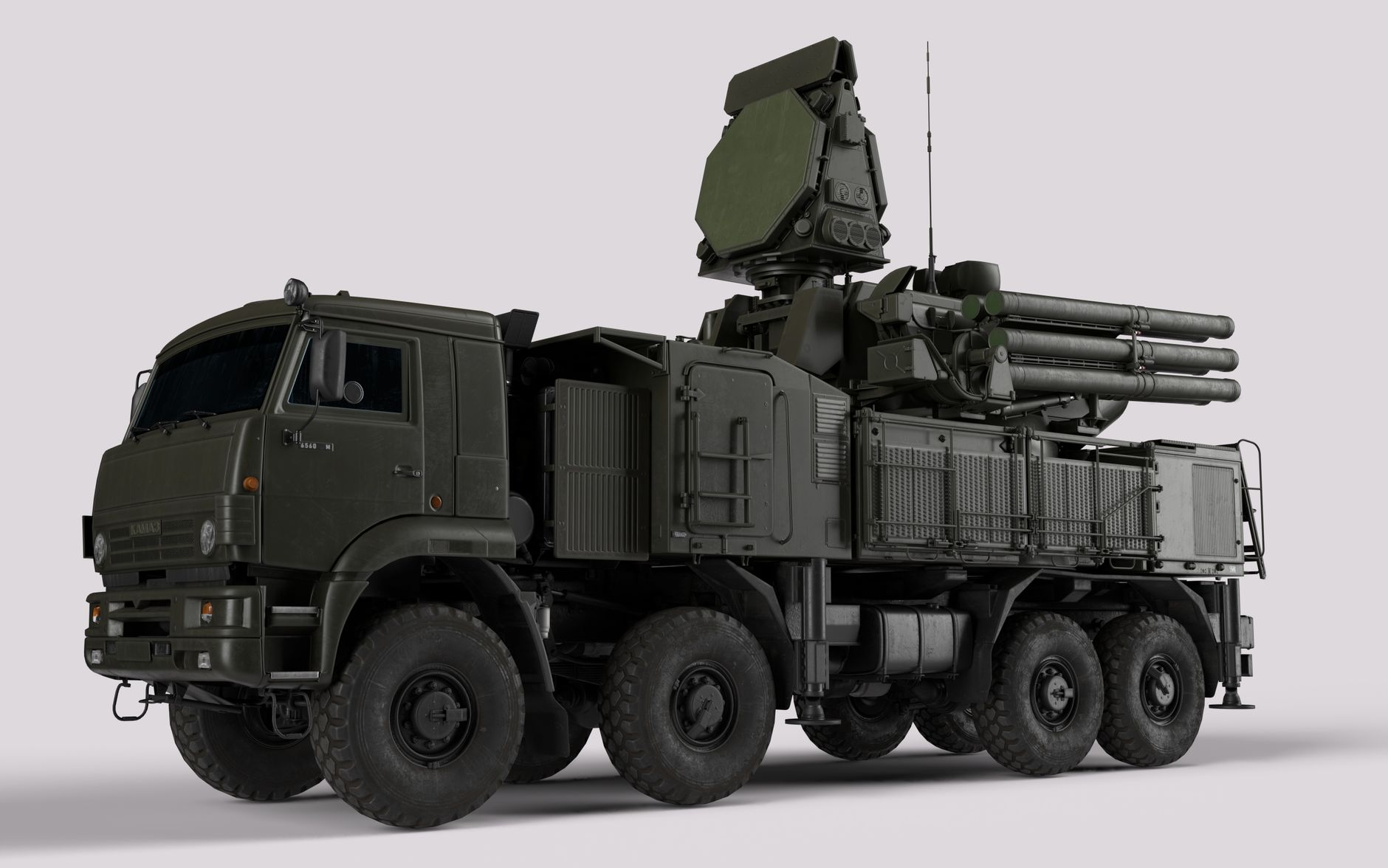
Defense strategists frequently highlight the significant evolution in modern warfare demonstrated by the conflict, from the critical role of drone technology and advanced precision weaponry to the impact of information warfare and cyber operations. Analysts such as General Ben Hodges point to the necessity for Western militaries to adapt rapidly to these new realities, emphasizing the need for robust logistical support, integrated air defense systems, and resilient supply chains. This ongoing adaptation is crucial for maintaining a credible deterrent in an increasingly complex security environment.
Economists and energy experts warn of the long-term structural changes the war is imposing on global supply chains and energy security. The push for European energy independence from Russian fossil fuels, while strategically vital, comes with significant economic costs and challenges in transitioning to renewable sources. Analysts predict sustained inflationary pressures and a re-evaluation of globalization, as nations prioritize resilience and national security over pure economic efficiency, leading to a more fragmented global economy.

Key Questions Explained
The Outlook
The immediate outlook for the Russia-Ukraine war remains grim, characterized by continued intense fighting and a high probability of a protracted conflict. Neither side appears willing to concede significant ground, and the diplomatic channels remain largely unproductive. This stalemate suggests that the humanitarian crisis will deepen, and the economic repercussions, both for the combatants and the global economy, will persist. The international community faces the urgent challenge of sustaining support for Ukraine while simultaneously seeking viable pathways to de-escalation, however elusive they may seem.
Looking further ahead, the war's long-term implications for European security are profound and likely permanent. The continent is entering an era of heightened military readiness, increased defense spending, and a more pronounced ideological divide with Russia. The expansion of NATO and the strengthening of EU defense initiatives signal a fundamental shift away from post-Cold War optimism towards a more realistic, and perhaps more perilous, geopolitical landscape. This new reality demands sustained strategic foresight and robust diplomatic engagement to prevent further regional destabilization.
Ultimately, the conflict in Ukraine will continue to reverberate across the globe, influencing international alliances, trade policies, and the future of multilateral institutions. The precedent set by the invasion and the international response will shape how states approach sovereignty, territorial integrity, and the use of force in the coming decades. The imperative is clear: the world must adapt to this new geopolitical reality, striving to uphold international law and prevent similar conflicts, even as the path to a lasting peace in Eastern Europe remains tragically unclear.





Comments
No comments yet. Be the first to comment!