


The Numbers
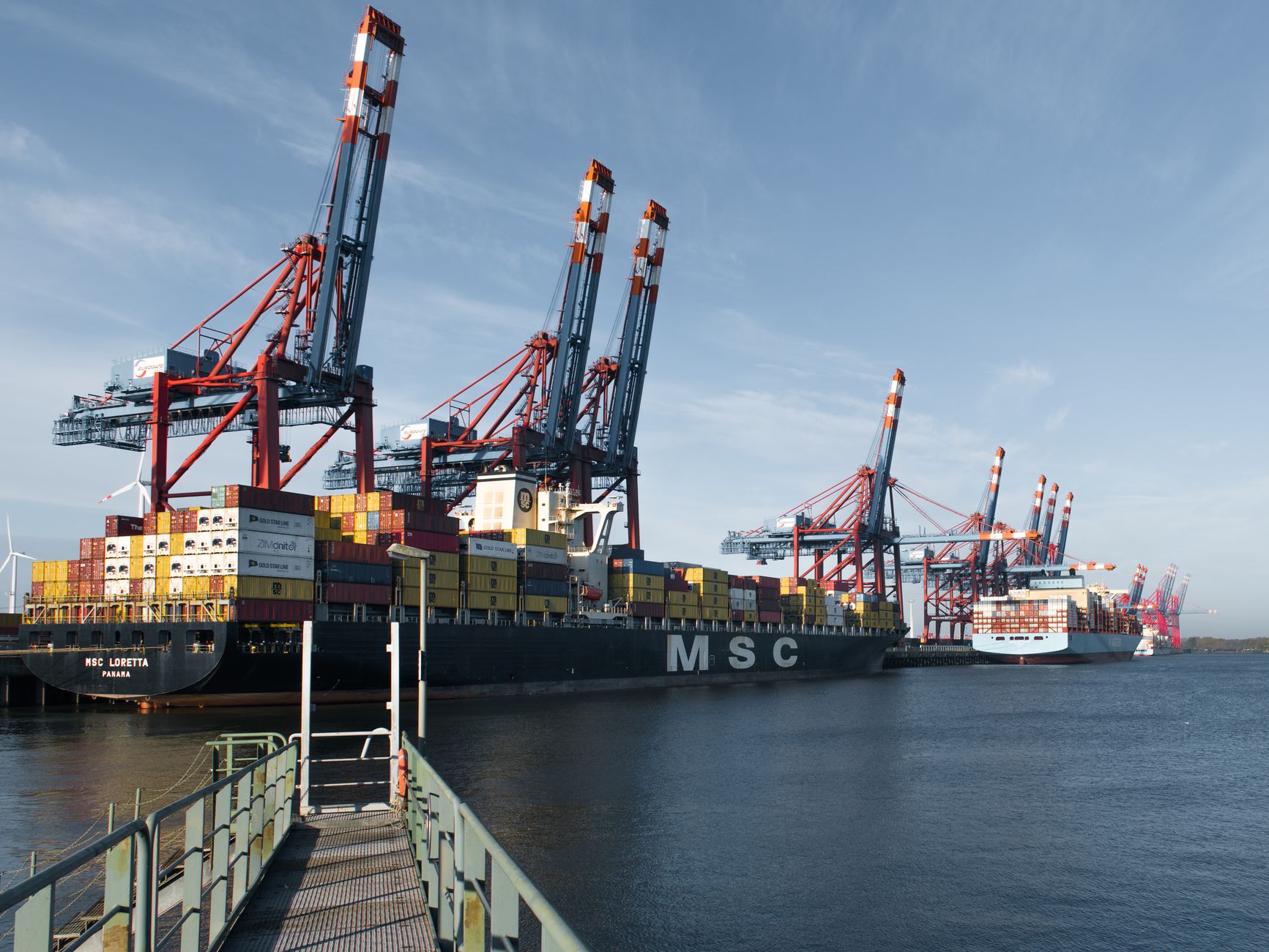
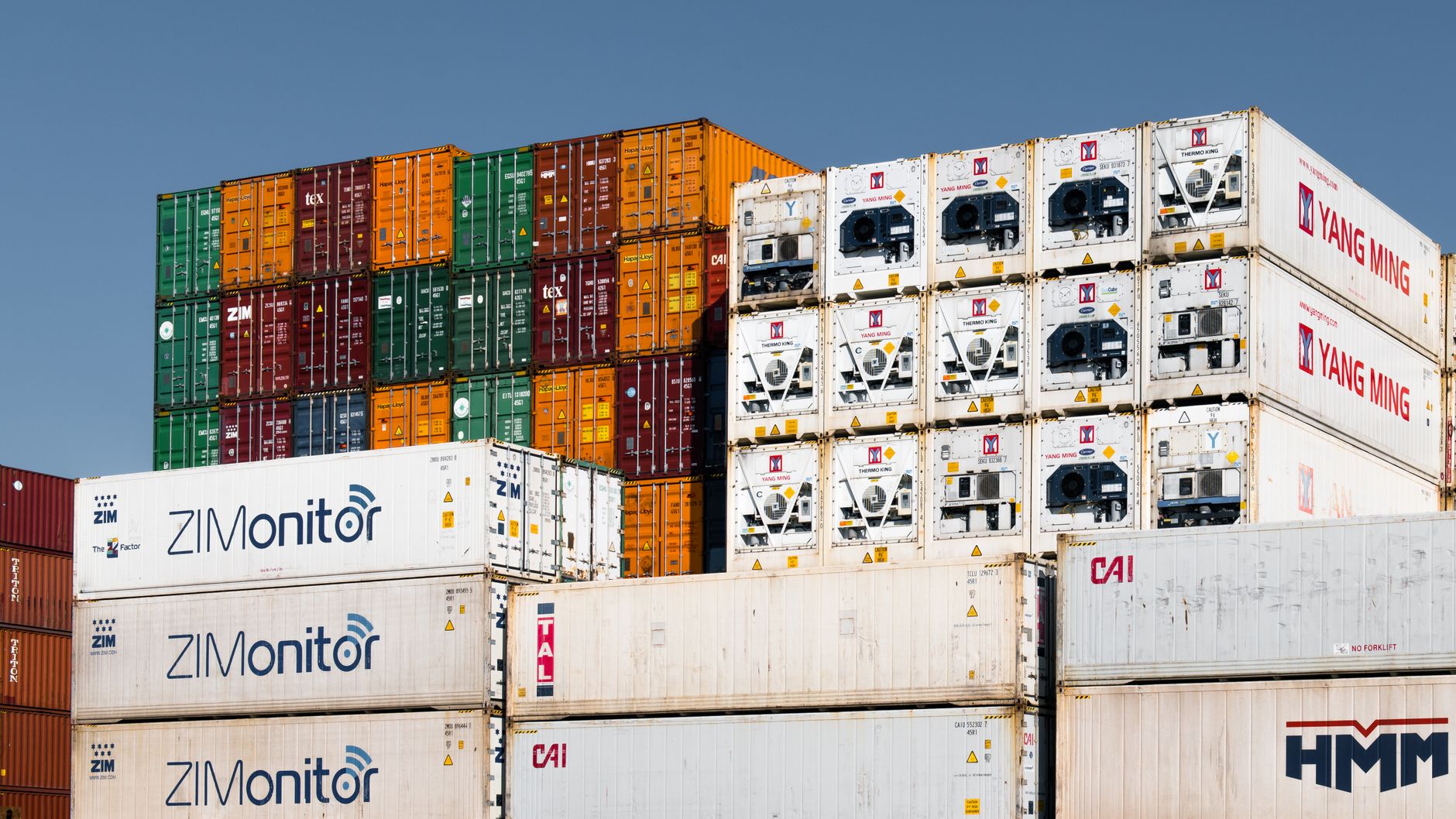
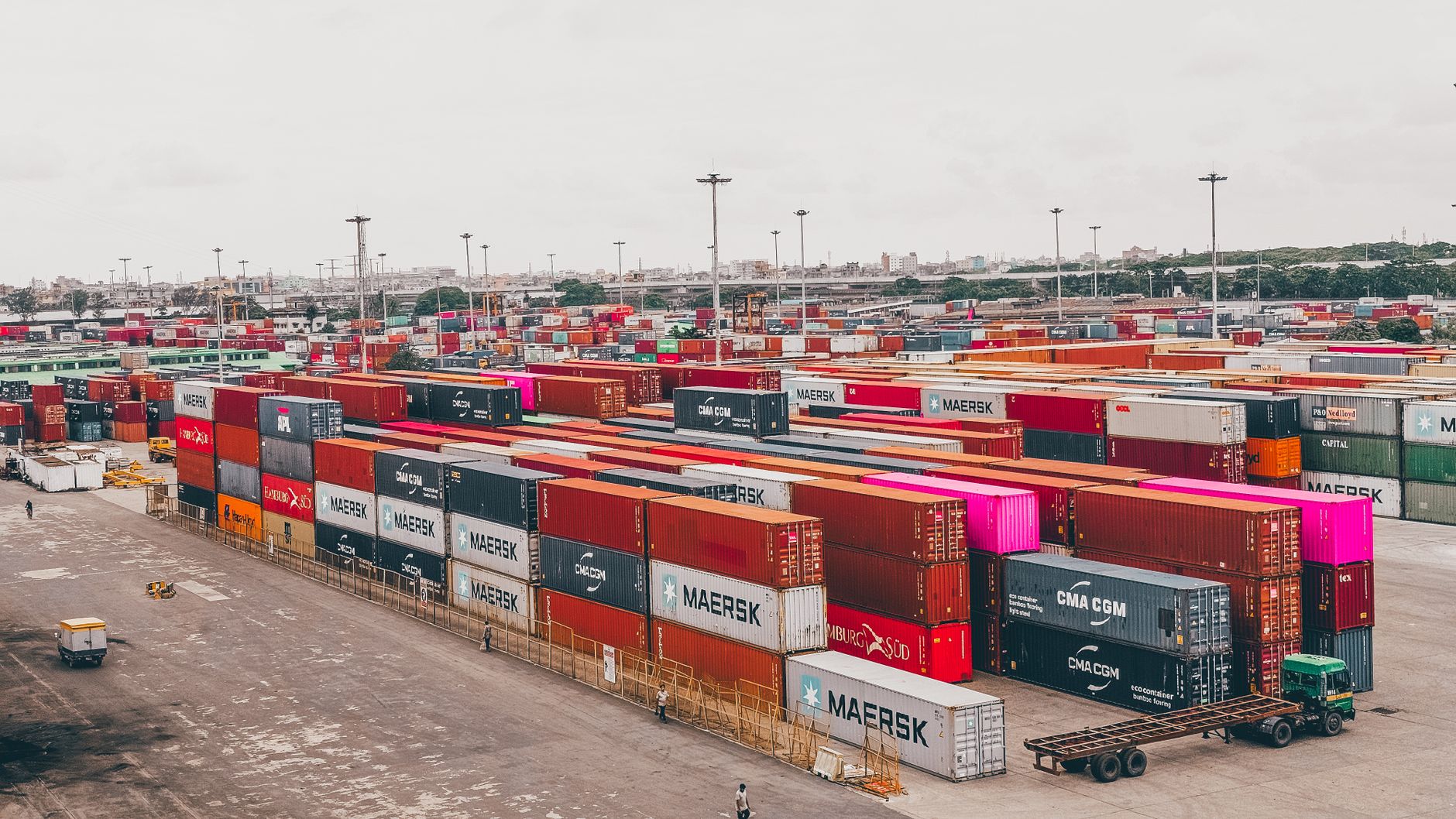
- Global trade disruptions surged by an alarming 30% over the past year, directly attributable to the proliferation of international sanctions and retaliatory economic measures, significantly impacting supply chains and consumer prices worldwide.
- More than $1 trillion in state and private assets now stand frozen across various jurisdictions, a direct consequence of escalating economic warfare, creating unprecedented challenges for global financial stability and cross-border investments.
- Humanitarian aid deliveries have faced severe, life-threatening delays in at least 15 active conflict zones, with sanctions regimes often complicating the logistics and financial transactions necessary to reach vulnerable populations effectively.
- Economic growth forecasts for regions heavily impacted by sanctions have been collectively slashed by an average of 0.5%, signaling a tangible slowdown in development and a heightened risk of recession for numerous economies.
- Over 60% of countries worldwide have either imposed or been subjected to some form of economic sanction in the last decade, indicating a dramatic shift towards coercive economic tools as a primary instrument of foreign policy.
- The cost of compliance for multinational corporations navigating complex sanctions regimes has reportedly increased by 25% annually, diverting significant resources from innovation and market expansion towards legal and risk management departments.
- Food insecurity has worsened for an estimated 50 million people in sanction-affected countries, as restrictions on trade and financial flows disrupt agricultural supply chains and inflate the prices of essential commodities, creating widespread suffering.
Context Check
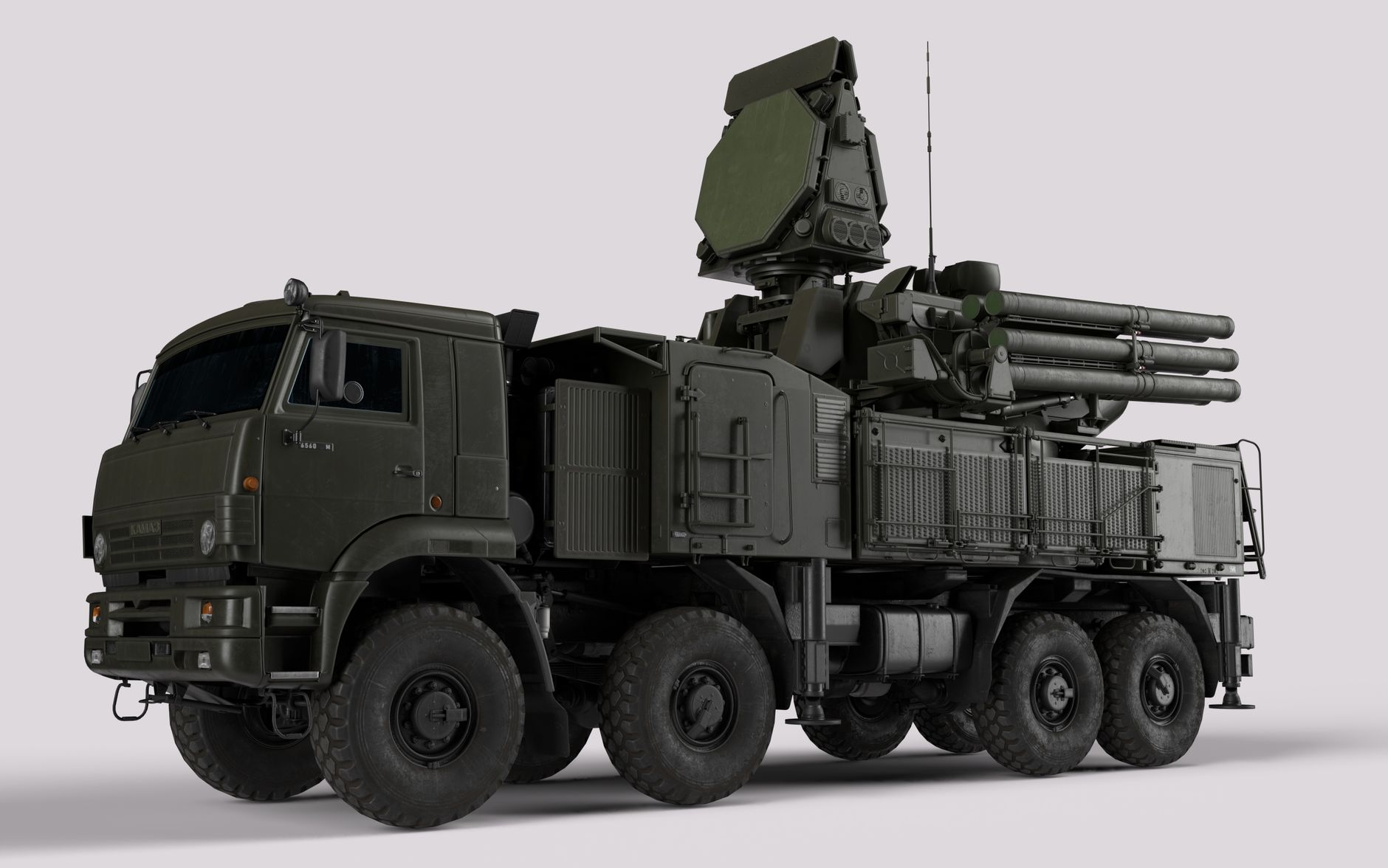
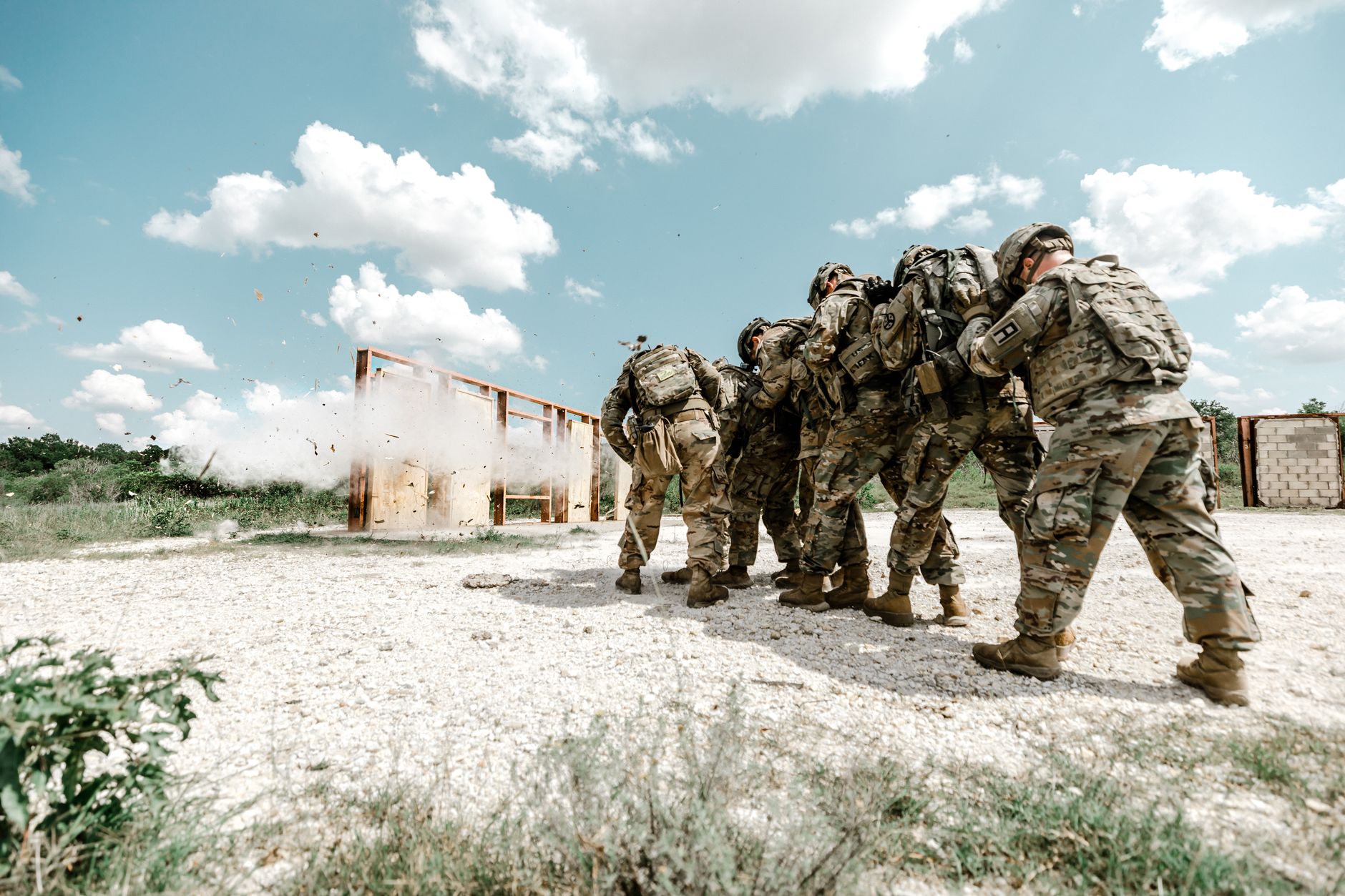
In the contemporary geopolitical landscape, economic sanctions and various forms of militarized diplomacy have unequivocally ascended to become primary instruments in the arsenal of international relations. Nations increasingly deploy these potent tools not merely as deterrents but as active measures to achieve specific political objectives, often aiming to exert significant pressure on adversaries without engaging in direct, kinetic military conflict. This strategic shift reflects a calculated effort to leverage financial power and coercive posturing as alternatives to traditional warfare, fundamentally altering the dynamics of global engagement and statecraft.
The allure of these non-military, yet profoundly impactful, strategies lies in their perceived ability to inflict substantial economic pain or signal unwavering resolve while ostensibly minimizing the immediate human cost and political fallout associated with armed confrontation. However, this perception often overlooks the intricate web of unintended consequences that frequently accompany such actions. From disrupting global supply chains and exacerbating humanitarian crises to inadvertently strengthening authoritarian regimes by fostering self-reliance, the ripple effects extend far beyond the intended targets, creating complex challenges for international stability and cooperation.
Understanding the precise mechanisms and broader implications of economic warfare and coercive diplomacy is therefore paramount. These tools are not monolithic; they encompass a spectrum of measures, from targeted financial restrictions and trade embargoes to strategic military exercises and cyber operations designed to intimidate. A critical examination reveals that while their application is intended to be surgical, their impact often proves diffuse, affecting innocent populations and third-party states caught in the crossfire. This necessitates a more nuanced and ethical framework for their deployment, acknowledging their inherent potential for both strategic utility and widespread collateral damage.
Background
Historically, the deployment of economic sanctions was a relatively rare and often last-resort measure in international statecraft, typically reserved for extreme circumstances or in conjunction with broader diplomatic efforts. Early examples, such as the League of Nations' sanctions against Italy in the 1930s, demonstrated their limited effectiveness without universal buy-in. However, the post-Cold War era ushered in a dramatic paradigm shift, witnessing a significant escalation in their frequency and scope. This evolution was largely driven by a global desire to exert substantial geopolitical pressure and enforce international norms without incurring the immense human and financial costs associated with direct military intervention, presenting a seemingly more palatable alternative to armed conflict.
The period following the collapse of the Soviet Union saw a proliferation of multilateral and unilateral sanctions regimes, with the United States and the European Union emerging as prominent architects of these coercive policies. The rationale often centered on promoting democracy, counter-terrorism, non-proliferation, and human rights. This era also coincided with increasing globalization, which, paradoxically, made economies more interconnected and thus more vulnerable to targeted financial and trade restrictions. The perceived success in some instances, even if partial, further emboldened policymakers to rely more heavily on these tools, cementing their place as a cornerstone of modern foreign policy.
However, this increased reliance has not been without its critics or its unintended consequences. While the initial intent was often to target specific regimes or individuals, the broad application of sanctions frequently led to widespread suffering among civilian populations, fueling humanitarian crises and, in some cases, even strengthening the resolve of the targeted governments against external pressure. This complex history underscores a critical tension: the desire to avoid war by economic means often clashes with the ethical imperative to protect innocent lives and maintain global stability, forcing a continuous re-evaluation of their efficacy and moral implications.
Winners and Losers
The intricate web of economic sanctions and militarized diplomacy inevitably creates a distinct hierarchy of winners and losers on the global stage. Paradoxically, certain nations and specific industries can experience unexpected windfalls, often by gaining market share in sectors where sanctioned entities previously dominated. For instance, countries with alternative energy sources or manufacturing capabilities might see increased demand for their products as traditional suppliers are cut off. Additionally, financial institutions specializing in sanctions compliance or illicit trade routes can also find new, albeit ethically dubious, opportunities, highlighting the complex and often perverse incentives created by these coercive measures.
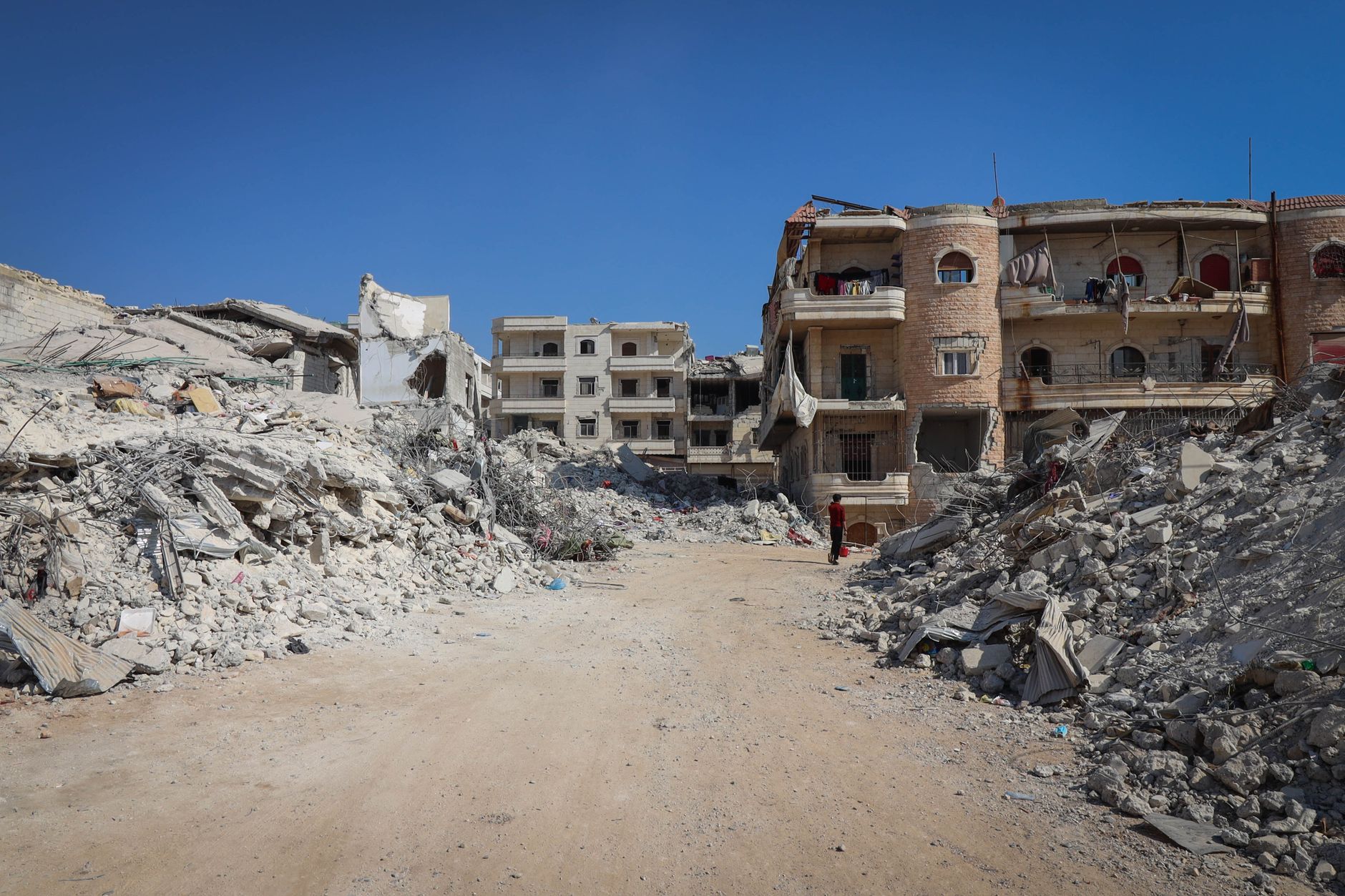
Conversely, the most profound and often devastating losses are borne by the targeted nations and, crucially, their civilian populations. Developing countries, in particular, suffer disproportionately as their fragile economies are ill-equipped to absorb the shocks of disrupted trade, frozen assets, and restricted access to essential goods and services. Sanctions can cripple critical infrastructure, impede access to medicine and food, and stifle economic growth, leading to widespread poverty, unemployment, and social unrest. These indirect impacts often undermine the very stability that diplomatic efforts aim to achieve, creating a humanitarian crisis alongside the geopolitical one.
Beyond the immediate targets, third-party countries and multinational corporations also frequently find themselves caught in the crossfire, incurring significant costs related to compliance, lost business opportunities, and the need to reconfigure global supply chains. Businesses must navigate a labyrinthine landscape of regulations, risking hefty fines for inadvertent violations, which in turn can lead to higher consumer prices and reduced investment. Ultimately, while the architects of these policies aim for surgical precision, the reality is a far more chaotic and widespread impact, redistributing economic pain and opportunity in ways that rarely align perfectly with strategic objectives, often leaving a trail of unintended victims.
Analyst Perspectives
The analytical community remains sharply divided on the efficacy and ethical implications of economic sanctions and militarized diplomacy. One prominent school of thought posits that when meticulously designed and precisely targeted, sanctions can indeed be a powerful and effective tool for compelling behavioral change without resorting to armed conflict. Proponents argue that 'smart sanctions' — those aimed at specific individuals, entities, or sectors rather than broad embargoes — can minimize collateral damage to civilian populations while maximizing pressure on decision-makers. They point to instances where targeted financial restrictions have successfully disrupted illicit networks or forced authoritarian regimes to the negotiating table, demonstrating their potential as a strategic lever.
Conversely, a significant body of expert opinion contends that sanctions, particularly comprehensive ones, frequently prove counterproductive, inflicting severe harm on innocent civilians without achieving their stated policy goals. Critics argue that broad economic restrictions often galvanize public support for the targeted regime, allowing leaders to deflect blame for economic hardship onto external aggressors. Furthermore, they highlight how sanctions can inadvertently foster illicit trade, strengthen black markets, and push targeted states towards greater self-sufficiency or alliances with adversarial powers, ultimately undermining long-term diplomatic objectives and exacerbating regional instability. The humanitarian cost, they argue, is often too high and ethically indefensible.
A third perspective, often bridging the divide, emphasizes the critical importance of context and accompanying diplomatic efforts. Analysts in this camp suggest that sanctions are rarely a standalone solution; their effectiveness is significantly enhanced when integrated into a broader, coherent diplomatic strategy that includes clear objectives, off-ramps for compliance, and robust humanitarian exemptions. They stress that without a clear pathway for de-escalation and a genuine commitment to negotiation, sanctions risk becoming punitive measures that harden resolve rather than induce cooperation. This nuanced view calls for a continuous re-evaluation of these tools, advocating for adaptability and a willingness to explore alternatives when initial strategies fail to yield desired outcomes.

Key Questions Explained
The Outlook
The trajectory for economic warfare and militarized diplomacy remains profoundly uncertain, clouded by a growing global debate regarding their actual efficacy, ethical ramifications, and long-term geopolitical consequences. As nations increasingly resort to these coercive tools, the international community grapples with the paradox of their appeal: a desire to avoid direct conflict versus the undeniable collateral damage inflicted upon civilian populations and the broader global economy. This ongoing tension suggests that while these instruments are unlikely to disappear from the foreign policy toolkit entirely, their application will face intensified scrutiny and demands for greater accountability and precision.
A crucial aspect of this evolving outlook is the accelerating search for more effective and ethically sound alternatives. Policymakers and international organizations are exploring renewed commitments to multilateral diplomacy, robust mediation efforts, and innovative incentive-based approaches that prioritize de-escalation and sustainable conflict resolution. There is a growing recognition that relying solely on punitive measures often hardens resolve rather unfortunate fosters cooperation, necessitating a shift towards strategies that build trust, address root causes of conflict, and offer clear pathways for peaceful engagement. This intellectual and diplomatic pivot is essential for navigating an increasingly complex global landscape.
Ultimately, the future utility of economic sanctions and militarized diplomacy will hinge on a critical reassessment of their true costs and benefits. If these tools continue to yield diminishing returns, exacerbate humanitarian crises, and inadvertently strengthen adversarial blocs, the pressure to reform or abandon them will become irresistible. The international community must move towards a framework that balances the need for state security with the imperative of global stability and human welfare, fostering a more collaborative and less confrontational approach to international relations. This paradigm shift is not merely aspirational but increasingly urgent for collective peace and prosperity.









Comments
No comments yet. Be the first to comment!