

What We Know
- The United States government is actively preparing to implement substantial new tariffs, projected at 10% or higher, targeting a vast majority of its international trading partners in an unprecedented move to reshape global commerce.
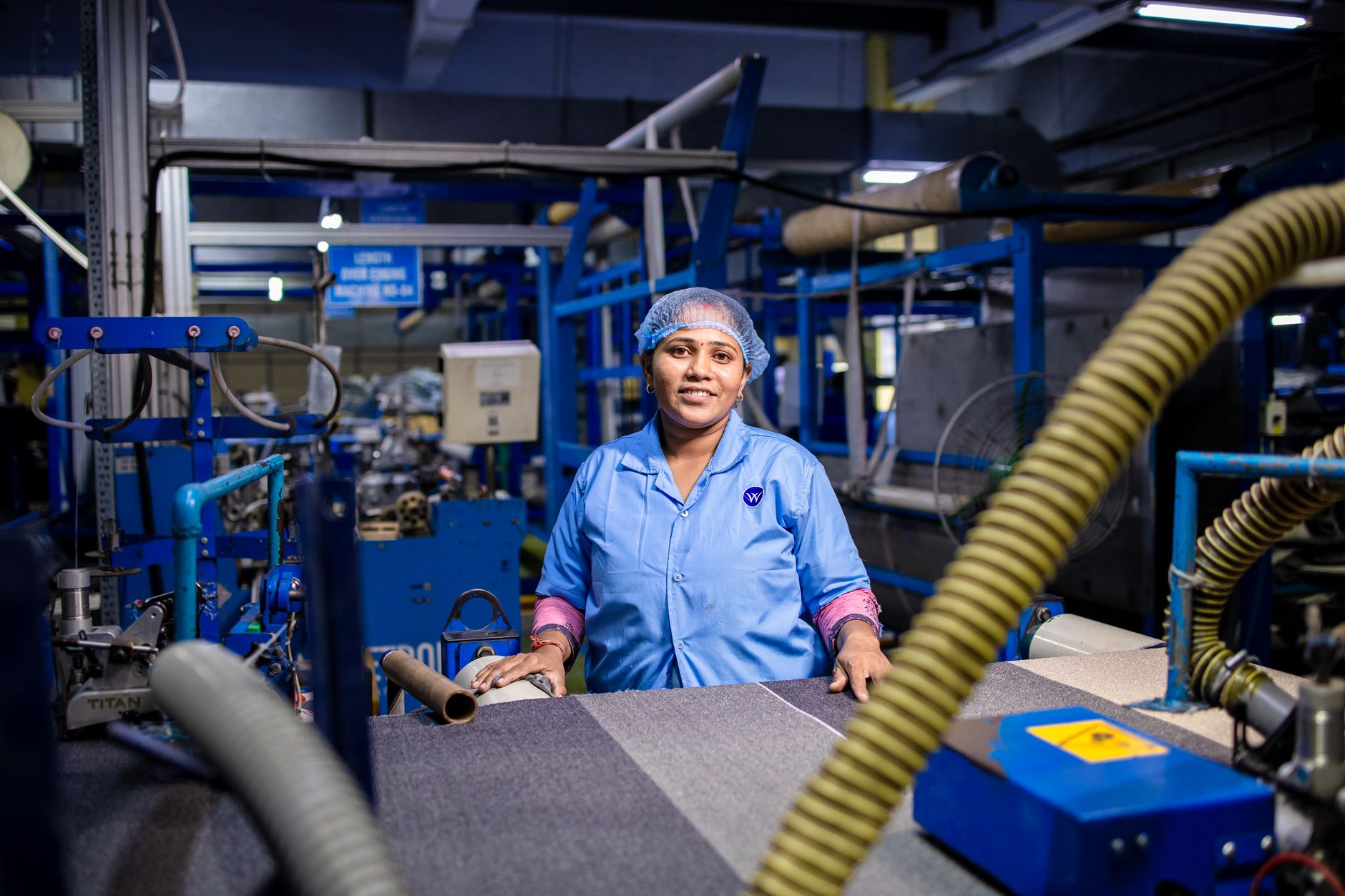
- This decisive action is a direct consequence of an extensive, months-long investigation conducted by U.S. authorities into pervasive forced labor practices across various global supply chains, highlighting a critical human rights and economic integrity concern.
- The primary objective behind these impending tariffs is to vigorously combat unfair trade advantages derived from exploitative labor conditions and to uphold fundamental human rights standards within the global marketplace, asserting U.S. values.
- While the definitive list of affected products and specific nations remains under final review, official statements indicate an exceptionally broad scope, suggesting widespread impact across numerous industries and international economic relationships.
- Importers, distributors, and retailers operating within the U.S. market are strongly advised to anticipate and prepare for significant increases in operational costs and potential, widespread disruptions to their established global supply chains, necessitating urgent strategic adjustments.
- This aggressive tariff strategy is widely anticipated to trigger profound and far-reaching implications, not only for intricate global trade relations and diplomatic ties but also for consumer purchasing power through potentially elevated prices on a diverse range of imported goods.
- The administration views these tariffs as a crucial tool to level the playing field for American businesses and workers, arguing that countries benefiting from forced labor gain an unfair competitive edge that undermines ethical trade principles.
What We Do Not Know Yet
- The precise effective date for the implementation of these sweeping new tariffs remains unconfirmed, leaving businesses in a state of uncertainty regarding their operational timelines and financial planning for upcoming quarters.
- A comprehensive, definitive list detailing the specific products, Harmonized System (HS) codes, and entire industries that will fall under the purview of these additional tariffs has yet to be publicly released, creating significant ambiguity for supply chain managers.
- The exact criteria and investigative methodology employed by the U.S. government to identify and implicate trading partners in forced labor practices, which underpins this entire tariff initiative, have not been fully disclosed, raising questions about transparency.
- It is currently unclear whether the U.S. administration plans to introduce any specific exemptions, waivers, or special provisions for particular essential goods, humanitarian aid, or strategically important countries, which could mitigate some of the broader economic impacts.
- The potential for significant retaliatory trade measures from nations directly impacted by these new U.S. tariffs is a major unknown, posing a risk of escalating trade disputes and further destabilizing the fragile global economic landscape.
- Analysts are still working to fully model the long-term macroeconomic consequences of these tariffs, particularly concerning their ultimate impact on U.S. consumer prices, the competitiveness of domestic businesses, and overall economic growth.
- The extent to which these tariffs will genuinely compel targeted countries to reform their labor practices, rather than simply shifting supply chains or absorbing costs, is a critical question without a clear answer, challenging the policy's efficacy.
Background
The United States has a long and often contentious history of deploying tariffs as a potent instrument within its broader trade policy arsenal. From the earliest days of the republic, tariffs have been utilized to protect nascent domestic industries, generate revenue, and, more recently, to exert economic leverage in international disputes. This latest announcement, while significant in its scope and rationale, is not an entirely novel approach but rather an intensification of a well-established strategy. Previous administrations have also leveraged trade barriers to address perceived unfair practices, though the explicit linkage to human rights violations on such a broad scale marks a notable evolution in policy application. The historical precedent suggests that tariffs, while disruptive, are a recognized, albeit controversial, tool for achieving national economic and ethical objectives.
In recent years, there has been an undeniable and growing global imperative for increased scrutiny on human rights conditions embedded within complex international supply chains. Consumers, advocacy groups, and governments alike are demanding greater transparency and accountability from corporations regarding their sourcing practices, particularly concerning issues like forced labor, child labor, and unsafe working environments. This heightened awareness has pushed ethical sourcing from a niche concern to a mainstream corporate responsibility. The current U.S. forced labor probe is a direct manifestation of this evolving global conscience, reflecting a strategic shift from purely economic considerations to a more integrated approach that prioritizes human dignity alongside commercial interests. This societal pressure is fundamentally reshaping how nations and businesses engage in global commerce.
This aggressive tariff initiative aligns squarely with the current U.S. administration's stated commitment to fostering what it terms "fair trade" and ensuring a level playing field for American workers and businesses. The forced labor investigation, which serves as the bedrock for these impending tariffs, is not an isolated incident but rather an integral component of a much broader, concerted effort to identify and eradicate exploitative labor practices wherever they exist in the global economy. By targeting countries and entities that benefit from forced labor, the administration aims to disincentivize such practices and promote a more equitable and ethical international trading system. This strategic alignment underscores a deepening resolve to use economic policy as a lever for advancing human rights and national values on the world stage, potentially setting a new precedent for international trade relations.
Why It Matters
The impending tariffs carry the very real potential to significantly elevate costs for American consumers across a wide array of goods, from electronics and apparel to household staples. Businesses, faced with increased import duties, will likely pass at least a portion of these additional expenses onto their customers, leading to higher retail prices. This inflationary pressure could erode purchasing power, particularly for lower and middle-income households, and potentially dampen consumer spending, which is a critical driver of the U.S. economy. Furthermore, the tariffs could inadvertently make certain imported products less competitive, potentially limiting consumer choice and innovation in affected sectors. The direct economic burden on the average American family is a primary concern that cannot be overstated.
For multinational corporations and domestic businesses heavily reliant on global supply chains, these tariffs represent a seismic shift that will necessitate an urgent and comprehensive re-evaluation of their sourcing strategies. Companies may be compelled to diversify their supplier base, explore reshoring or nearshoring options, or invest in new manufacturing capabilities to mitigate the impact of increased import costs. Such extensive restructuring is not only costly and time-consuming but also introduces new risks and complexities, potentially disrupting established production flows and delivery schedules. The ability of businesses to adapt swiftly and effectively to this new trade landscape will be paramount to their continued competitiveness and profitability in a rapidly evolving global market.
Beyond the immediate economic ramifications, these tariffs underscore a powerful and increasingly assertive U.S. stance on integrating human rights considerations directly into its trade policy framework. This move sends an unequivocal message that the U.S. will not tolerate commercial gains derived from forced labor, signaling a potential paradigm shift in how international trade is conducted and regulated. However, this assertive posture also carries inherent geopolitical risks. It could provoke retaliatory measures from affected trading partners, escalating into broader trade disputes that strain diplomatic relations and fragment global economic cooperation. The delicate balance between upholding ethical principles and maintaining stable international alliances will be a critical challenge for U.S. foreign policy in the coming months and years.
Timeline of Events
- Early 2023: The United States government formally launched a comprehensive and wide-ranging investigation into allegations of forced labor practices across various international supply chains, signaling a renewed commitment to ethical sourcing and human rights in global trade.
- Spring 2023: Initial confidential reports and internal discussions within U.S. trade agencies began to circulate, suggesting that the findings of the forced labor probe could lead to significant and unprecedented trade actions against implicated nations and industries.
- Summer 2023: High-ranking administration officials, speaking off the record, started to publicly hint at the possibility of substantial tariff increases and other punitive trade measures as a direct consequence of the ongoing investigation's preliminary findings.
- Autumn 2023: Key stakeholders, including industry associations and labor unions, were privately consulted regarding the potential economic impacts of proposed trade remedies, indicating that concrete policy decisions were rapidly taking shape behind the scenes.
- Recent Weeks: The U.S. government officially announced its definitive plans to impose additional tariffs, projected to be 10% or more, on goods originating from a broad spectrum of its international trading partners, directly linking these measures to the conclusions of the forced labor probe.
- Upcoming Period: The administration is expected to release further details, including the specific list of targeted products and countries, as well as the precise implementation timeline, which will trigger a new phase of adjustments for global businesses and supply chains.
- Ongoing: Diplomatic channels are currently engaged in discussions between the U.S. and various trading partners, with some nations expressing concern over the potential economic fallout and the broader implications for international trade relations.
Rapid-Fire Q&A
What Is Coming
- The U.S. government is expected to imminently release comprehensive official documentation detailing the precise list of goods, Harmonized System (HS) codes, and specific trading partners that will be subject to these new tariffs, along with their exact effective dates.
- Businesses operating globally will face significantly increased scrutiny and sustained pressure from regulators, consumers, and advocacy groups to demonstrate robust due diligence and verifiable ethical sourcing practices throughout their entire supply chains.
- A heightened risk of escalating global trade disputes and complex, protracted bilateral or multilateral negotiations is anticipated as affected trading partners may consider retaliatory measures or seek diplomatic resolutions to mitigate economic fallout.
- Consumers should brace for potential increases in the retail prices of a broad spectrum of imported goods, alongside possible temporary or long-term shifts in product availability as supply chains adapt to the new tariff landscape.
- The international trade policy agenda will likely see an even more pronounced and enduring focus on human rights considerations, with ethical labor practices becoming an increasingly central criterion for market access and trade agreements worldwide.
- Companies will need to invest substantially in supply chain transparency technologies and auditing mechanisms to prove compliance and avoid potential penalties, transforming how global sourcing and procurement are managed.
- The precedent set by these tariffs could encourage other major economies to adopt similar measures, potentially leading to a more fragmented and ethically-driven, yet economically complex, global trading system in the long run.









Comments
No comments yet. Be the first to comment!