

What We Know
- The U.S. Treasury has officially granted a specific 30-day license that permits transactions involving Russian oil, signaling a deliberate policy adjustment aimed at managing global energy markets.
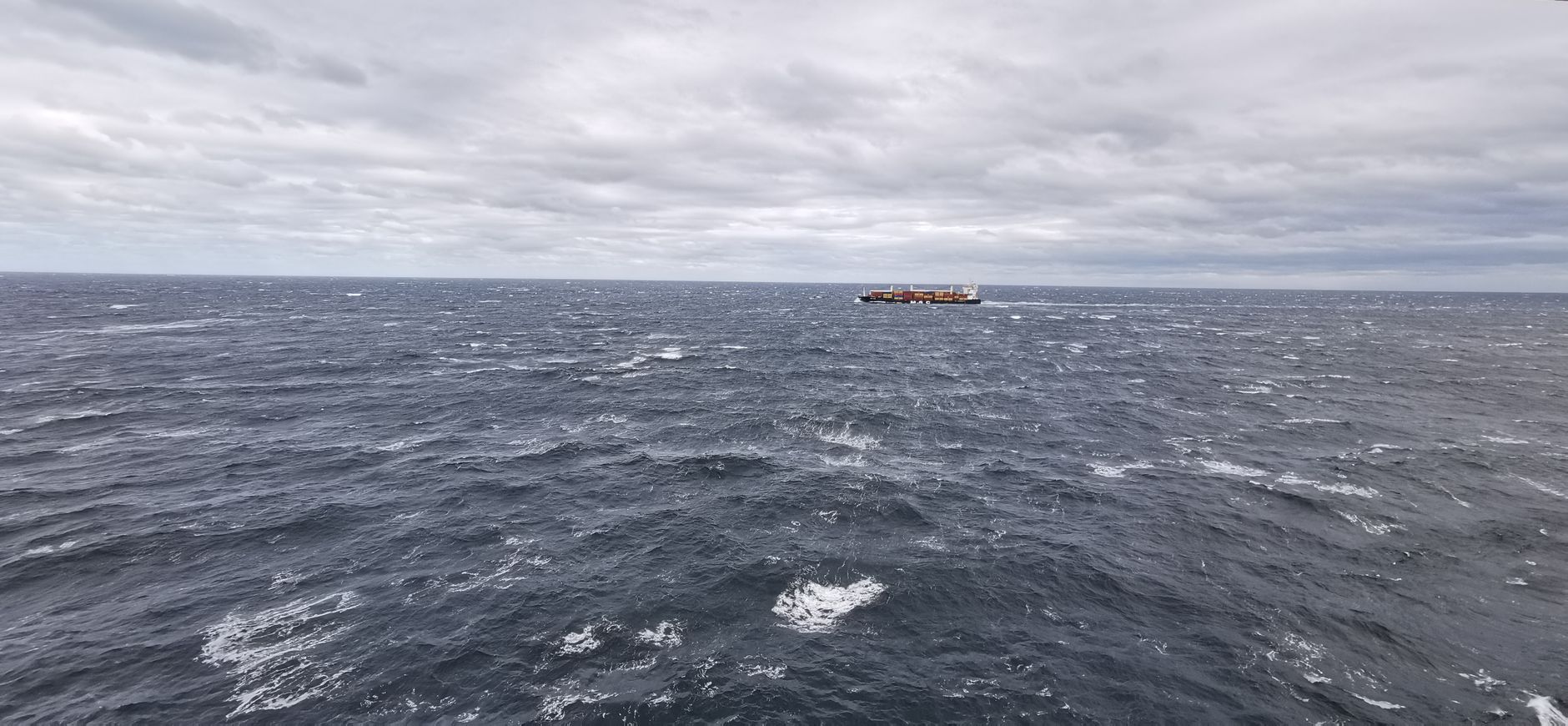
- This authorization is explicitly designed to facilitate the rerouting of Russian crude oil to international markets, with the stated objective of stabilizing volatile global crude prices.
- The license is time-bound, indicating that it is a temporary measure intended to address immediate market pressures rather than a permanent alteration of sanctions policy.
- This move comes amidst persistent concerns about global energy supply disruptions and their impact on inflation and economic stability worldwide.
- The Treasury's action suggests a pragmatic approach to energy policy, balancing geopolitical considerations with the immediate need for market equilibrium and affordable energy.
- Details regarding the specific entities or types of transactions covered by the license remain under close scrutiny by market participants and international observers.
What We Do Not Know Yet
- The precise volume of Russian oil that will be rerouted under this new license and its potential impact on overall global supply dynamics remains uncertain.
- The specific destinations and end-users for this oil are not yet fully disclosed, raising questions about compliance with existing sanctions and international agreements.
- The Treasury's long-term strategy beyond this 30-day window is unclear, leaving market participants to speculate about future policy adjustments and their implications.
- The extent to which this license might inadvertently ease pressure on Russia's war financing or alter its geopolitical leverage is a subject of ongoing debate among analysts.
- Whether this temporary measure will lead to a sustained stabilization of crude oil prices or merely provide a short-term reprieve before further volatility emerges is yet to be determined.
- The potential for secondary sanctions or international repercussions from countries adhering to stricter sanctions regimes against Russia is a significant unknown factor.
Background
The global energy landscape has been in a state of flux since the escalation of geopolitical tensions, leading to significant price volatility and supply chain disruptions. Western nations, including the United States, have implemented a series of sanctions against Russia, a major oil producer, in response to its actions. These sanctions have aimed to curtail Russia's revenue streams, particularly from energy exports, while simultaneously attempting to avoid triggering a global energy crisis. The delicate balancing act has involved navigating complex economic and political considerations, with policymakers constantly assessing the impact of their decisions on both domestic economies and international markets. The effectiveness and consequences of these sanctions have been widely debated, with some arguing they have curtailed Russia's financial capacity while others point to its ability to find alternative markets and maintain significant export volumes.
Crude oil prices have experienced dramatic swings, influenced by supply concerns, geopolitical events, and global demand fluctuations. The intricate web of international trade means that disruptions in one major producing region can have far-reaching effects across the globe. Efforts to reduce reliance on Russian oil have spurred increased production from other nations and a push towards alternative energy sources, but these transitions are often slow and costly. The strategic petroleum reserves of various countries have been tapped to mitigate price shocks, but these are finite resources. The interplay between market forces, governmental policies, and international relations creates a dynamic and often unpredictable environment for energy consumers and producers alike, making short-term price stabilization a persistent challenge for economic policymakers.
The specific context for this recent license issuance likely stems from a confluence of factors, including persistent inflationary pressures driven partly by high energy costs, and a desire to prevent further economic destabilization. While sanctions are intended to exert pressure, their unintended consequences on global economic health are a major concern for governments. By allowing a temporary, controlled rerouting of Russian oil, the Treasury may be seeking to inject liquidity into the market, thereby easing upward price pressure without fundamentally undermining the broader sanctions architecture. This approach reflects a pragmatic, albeit controversial, strategy to manage the immediate economic fallout of geopolitical conflicts while maintaining long-term objectives.
Why It Matters
This 30-day license represents a significant, albeit temporary, shift in the U.S. approach to managing Russian energy exports. It directly addresses the immediate concern of global oil price volatility, which has been a major contributor to inflation and economic uncertainty worldwide. By allowing a controlled flow of Russian oil, the Treasury aims to inject supply into the market, potentially easing the upward pressure on crude prices. This could have a tangible impact on everything from gasoline prices at the pump to the cost of goods transported globally, offering a much-needed, albeit short-term, respite for consumers and businesses struggling with rising costs.
The decision also raises critical questions about the efficacy and long-term strategy of sanctions regimes. While sanctions are designed to isolate and penalize, their implementation must be carefully calibrated to avoid causing undue harm to the global economy. This temporary measure suggests a recognition by policymakers that a complete cutoff of Russian oil, without adequate market adjustments, could be more damaging than beneficial in the short to medium term. It highlights the complex trade-offs involved in using economic tools for geopolitical ends, forcing a pragmatic recalibration when market stability is severely threatened.
Furthermore, the rerouting of oil under this license could subtly alter geopolitical dynamics. While intended to stabilize markets, it might also provide Russia with continued, albeit regulated, access to revenue, potentially impacting its capacity to finance its ongoing military operations. The international community will be closely watching how this policy plays out, assessing whether it achieves its intended market stabilization goals without inadvertently bolstering Russia's financial resilience or undermining the broader coalition supporting sanctions. The success of this limited measure could influence future approaches to energy sanctions in similar geopolitical crises.
Timeline of Events
- Initial imposition of broad sanctions targeting Russian energy exports by Western nations following geopolitical events, aiming to cripple Russia's revenue streams.
- Sustained period of high global crude oil prices and significant market volatility, exacerbated by supply concerns and geopolitical uncertainties, leading to inflationary pressures.
- U.S. Treasury Department's consideration and eventual issuance of a specific 30-day license authorizing certain transactions related to Russian oil to address market stabilization.
- Anticipated rerouting of Russian crude oil to international markets under the terms of the new license, with market participants closely monitoring volumes and destinations.
- Expiration of the 30-day license, at which point the market will face renewed uncertainty unless further policy adjustments or extensions are announced by the Treasury.
- Ongoing global economic analysis and geopolitical assessment of the license's impact on oil prices, inflation, Russia's financial capacity, and the broader effectiveness of sanctions.
Rapid-Fire Q&A
What Is Coming
- Intensified market scrutiny of Russian oil flows and pricing as traders and analysts track the impact of the 30-day license in real-time.
- Potential adjustments in shipping routes and insurance arrangements to accommodate the rerouting of Russian crude oil under the newly granted authorization.
- Close monitoring by international bodies and governments for any signs of circumvention of sanctions or unintended consequences on global energy security.
- Economic assessments and policy debates regarding the long-term implications of this temporary measure on inflation, energy market stability, and geopolitical leverage.
- Speculation and anticipation surrounding potential extensions, modifications, or outright termination of the license as its expiration date approaches, creating market anticipation.
- Further analysis of Russia's strategic response to this policy adjustment, including its efforts to maintain market share and revenue streams amidst evolving international regulations.










Comments
No comments yet. Be the first to comment!