
Policy Snapshot
- Iran has formally announced its intention to close the Strait of Hormuz, a critical global shipping lane, in direct response to recent Israeli military actions targeting Lebanese territory.
- This declaration escalates regional tensions significantly, introducing a new layer of complexity to the already volatile geopolitical landscape of the Middle East.
- The timing is particularly sensitive, coinciding precisely with the scheduled commencement of high-stakes diplomatic negotiations between the United States and Iran, aimed at de-escalating broader conflicts.
- The potential closure of the Strait of Hormuz poses an immediate and severe threat to global oil supplies, as approximately one-fifth of the world's petroleum transits through this narrow waterway daily.
- International bodies and major maritime powers are closely monitoring the situation, with urgent calls for restraint and diplomatic solutions to avert a major economic and security crisis.
- The United States Fifth Fleet, responsible for naval operations in the region, has reiterated its commitment to ensuring freedom of navigation, signaling potential military readiness to counter any closure attempts.
The Policy History
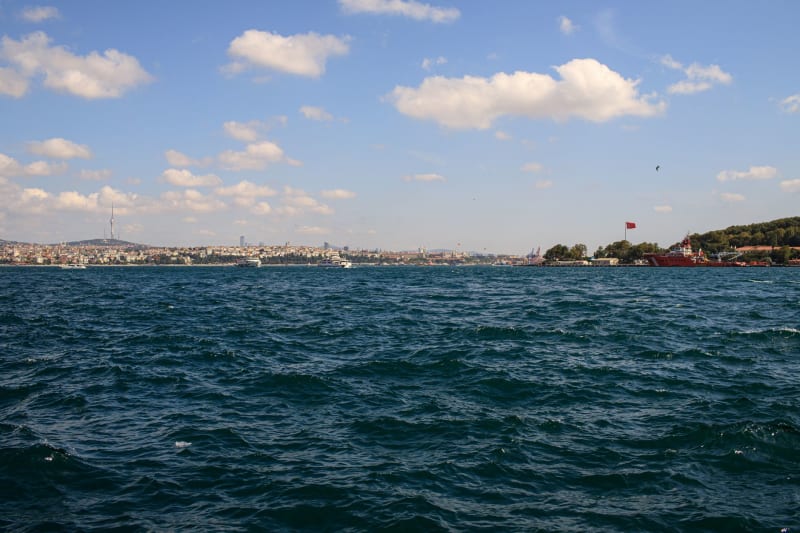
The Strait of Hormuz, a narrow choke point between the Persian Gulf and the Arabian Sea, holds immense strategic importance, facilitating the passage of roughly 20% of the world's total petroleum consumption. Its historical significance as a flashpoint for geopolitical tensions is well-documented, with numerous incidents involving Iran and international shipping over decades. Iran has repeatedly threatened to close the strait in response to perceived threats or sanctions, viewing it as a powerful leverage point against its adversaries and a means to assert its regional influence. This latest threat is not unprecedented but carries heightened implications given the current volatile climate.
The relationship between the United States and Iran has been fraught with deep-seated mistrust and antagonism for decades, punctuated by periods of intense diplomatic engagement and outright confrontation. Recent attempts at dialogue have often been overshadowed by regional proxy conflicts, nuclear program disputes, and economic sanctions. The current round of talks was intended to explore pathways for de-escalation and perhaps even a return to some form of nuclear agreement, making Iran's latest pronouncement a significant challenge to these fragile diplomatic efforts. The immediate impact on these discussions is likely to be substantial, potentially derailing any progress before it even begins.
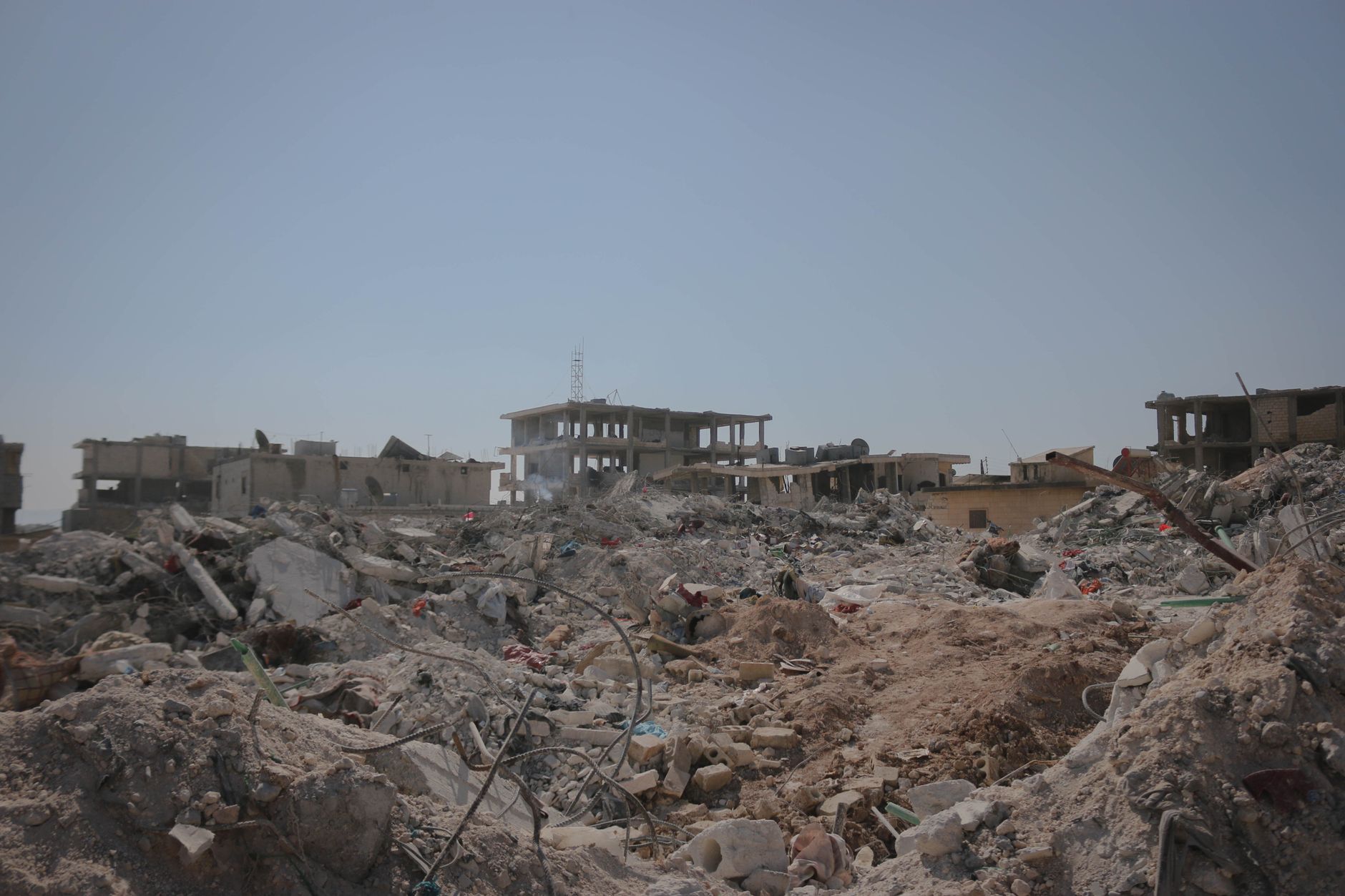
Israel's ongoing military operations in Lebanon, specifically targeting alleged Hezbollah infrastructure, have been a consistent source of regional instability. These strikes are part of a broader strategy to counter what Israel perceives as existential threats from Iranian-backed groups on its borders. However, such actions frequently draw sharp condemnation from regional powers and often provoke retaliatory threats, as seen with Iran's current declaration. The interconnectedness of these conflicts means that an escalation in one theater can rapidly trigger severe repercussions across the entire Middle East, with global ramifications.
Who Is Affected
Global energy markets stand on the precipice of severe disruption. A closure of the Strait of Hormuz would immediately trigger a dramatic surge in crude oil prices, impacting economies worldwide. Nations heavily reliant on Middle Eastern oil, particularly in Asia and Europe, would face immediate supply shortages and escalating costs, potentially leading to widespread inflation and economic instability. The ripple effects would extend beyond direct oil consumers, affecting industries from transportation to manufacturing, as energy costs permeate every sector of the global economy. This scenario demands urgent contingency planning from governments and corporations alike.
Regional stability in the Middle East is acutely threatened by this development. The potential for military confrontation in the Strait of Hormuz could draw in multiple state and non-state actors, transforming an already tense region into an active war zone. Neighboring Gulf states, whose economies are inextricably linked to oil exports and maritime trade, would face immense security and economic pressures. Civilian populations across the region, already grappling with existing conflicts and humanitarian crises, would be disproportionately affected by any further escalation, facing increased displacement, food insecurity, and a breakdown of essential services.
The international shipping industry faces an immediate and profound crisis. Tanker operators, cargo insurers, and logistics companies would be forced to reroute vessels, incurring massive delays and increased operational costs, or halt operations entirely. Insurance premiums for voyages through the Persian Gulf would skyrocket, making trade prohibitively expensive and risky. This disruption would not only impact oil and gas shipments but also a vast array of other goods, creating bottlenecks in global supply chains and further exacerbating inflationary pressures. The freedom of navigation, a cornerstone of international commerce, is directly challenged by Iran's threat.
The Case For
From Iran's perspective, the threat to close the Strait of Hormuz is presented as a legitimate act of self-defense and a strategic deterrent against what it perceives as aggressive foreign policy from Israel and its allies. Iranian officials often frame such actions as a necessary response to violations of its sovereignty or attacks on its regional proxies. They argue that if their economic lifelines are threatened by sanctions or their security interests are undermined by military strikes, they possess the right to respond with measures that demonstrate their capacity to inflict significant economic pain on adversaries. This stance aligns with a long-held doctrine of asymmetric warfare.
Iranian state media and official statements frequently emphasize that the Strait of Hormuz is within Iran's territorial waters and that its closure would be a sovereign decision, albeit one with international ramifications. They contend that the international community has largely failed to condemn Israeli actions in Lebanon sufficiently, thereby necessitating a more forceful Iranian response to protect regional allies and deter further aggression. This narrative seeks to justify their actions as a proportionate countermeasure to perceived injustices and a means to restore a balance of power in the volatile Middle East.
Furthermore, Iran views the Strait as a critical bargaining chip in its ongoing negotiations with global powers, particularly the United States. By threatening such a vital artery for global trade, Iran aims to increase its leverage, forcing international actors to take its security concerns and demands more seriously. This tactic is designed to demonstrate that Iran possesses the means to disrupt global stability and economy if its core interests are ignored or directly challenged, thereby compelling concessions in diplomatic talks or a reconsideration of existing sanctions and military postures.
The Case Against
The international community overwhelmingly condemns any threat to close the Strait of Hormuz, viewing it as a blatant violation of international law and a severe threat to global economic stability. Freedom of navigation through international straits is a fundamental principle enshrined in maritime law, essential for global commerce and energy security. Major powers, including the United States, have consistently asserted that they will ensure the unimpeded flow of traffic through the Strait, signaling a firm resolve to counter any attempts at closure, which could lead to direct military confrontation and catastrophic consequences.
Critics argue that Iran's threat is a dangerous act of brinkmanship that risks catastrophic escalation in an already volatile region. Such a move would not only provoke a strong military response but also alienate potential diplomatic allies and further isolate Iran on the world stage. The economic repercussions, including soaring oil prices and disrupted supply chains, would harm not only Iran's adversaries but also its own economy and the economies of its regional partners, creating widespread instability and resentment. This action is seen as counterproductive to any long-term stability goals.
Experts warn that closing the Strait of Hormuz would inevitably lead to a direct military confrontation with the United States and its allies, triggering a conflict with devastating global implications. The economic fallout would be immediate and severe, potentially plunging the world into a recession. Furthermore, such an action would undermine any ongoing diplomatic efforts, including the US-Iran talks, making peaceful resolutions significantly more challenging and increasing the likelihood of a wider, more destructive conflict that no party truly desires.

Policy Questions Answered
Implementation Watch
The immediate focus of international observers and security analysts is on monitoring Iran's actual actions versus its rhetoric. While the threat to close the Strait of Hormuz is grave, the practical steps Iran might take to enforce such a closure, and their effectiveness, remain to be seen. Any physical impediment to shipping, such as deploying naval assets, laying mines, or issuing direct warnings to commercial vessels, would be considered a significant escalation. The world watches with bated breath for any tangible moves that could transform a declaration into a full-blown crisis, demanding immediate and decisive international responses.
Diplomatic channels are now working overtime, with various international actors attempting to de-escalate the situation through back-channel communications and public statements urging restraint. The US-Iran talks, initially intended to address broader regional issues, are now dominated by this immediate crisis. The success of these diplomatic efforts hinges on finding a mutually acceptable off-ramp that allows Iran to save face while ensuring the continued free flow of global commerce. The challenge lies in navigating complex geopolitical interests without ceding to coercive tactics or triggering further escalation.
Military postures in the region are under intense scrutiny. The United States and its allies maintain a formidable naval presence in the Persian Gulf, specifically tasked with safeguarding maritime security. Any Iranian attempt to close the Strait would inevitably be met with a robust military response, potentially leading to direct confrontation. The risk of miscalculation or accidental engagement remains extremely high, underscoring the precariousness of the current situation. Both sides are likely assessing their options, with the international community hoping that deterrence and diplomacy prevail over military adventurism.
















Comments
No comments yet. Be the first to comment!