

Key Takeaways
- Crucial indirect talks between the United States and Iran have been abruptly suspended, marking a significant setback for diplomatic efforts aimed at reducing regional tensions.
- The immediate cause cited for the cessation of dialogue is the escalating and volatile conflict unfolding within Lebanon, making a stable environment for negotiations impossible.
- This diplomatic breakdown significantly elevates the risk of miscalculation and unintended escalation across the Middle East, impacting various flashpoints from the Persian Gulf to Syria.
- The impasse empowers hardline factions on both sides, potentially making future attempts at de-escalation and confidence-building measures far more challenging to initiate.
- The humanitarian crisis in Lebanon, exacerbated by the fighting, underscores the direct human cost of geopolitical rivalries and the urgent need for a peaceful resolution.
- International observers warn that the absence of these vital communication channels could lead to a more fragmented and conflict-prone regional landscape, with global implications.
Background
For months, the United States and Iran have been engaged in delicate, indirect negotiations, primarily aimed at de-escalating a myriad of regional tensions and preventing direct confrontation. These talks were widely perceived as a crucial, albeit fragile, pathway to potentially revive broader diplomatic engagement, particularly concerning Iran's nuclear program and its expansive regional activities. Often conducted in neutral venues with the assistance of intermediaries, these discussions sought to bridge the profound trust deficit that has characterized Washington and Tehran's relationship for decades. The overarching strategic goal was to prevent further destabilization in the Middle East, a region perpetually grappling with complex conflicts, proxy rivalries, and humanitarian crises. The recent cessation of these vital talks now represents a significant and concerning setback for international diplomacy and efforts to foster a more peaceful and predictable regional environment.
The historical context of these negotiations is deeply rooted in decades of strained relations, punctuated by periods of intense confrontation and fleeting attempts at rapprochement. Following the US withdrawal from the Joint Comprehensive Plan of Action (JCPOA) in 2018, tensions soared dramatically, leading to the re-imposition of stringent sanctions and increased military posturing by both sides. The current US administration had cautiously sought to re-engage Iran through a more indirect, pragmatic approach, hoping to gradually build confidence and address specific flashpoints that threatened wider conflict. This strategy acknowledged the deep-seated mistrust but aimed to find practical, immediate solutions to pressing threats, such as maritime security, cyber warfare, and the activities of various regional proxy forces. The abrupt halting of these discussions now casts a long and ominous shadow over future prospects for de-escalation and any meaningful diplomatic breakthroughs.
The specific format of these indirect talks often involved shuttle diplomacy, with mediators conveying messages and proposals between delegations that rarely met face-to-face. This structure, while cumbersome, allowed for sensitive topics to be discussed without the immediate political pressure of direct engagement. The agenda typically spanned a range of issues from prisoner exchanges to regional security frameworks, always with an underlying hope of preventing a wider conflict. The very existence of these channels, however tenuous, provided a crucial safety valve in an otherwise volatile region. Their suspension signifies not just a pause in dialogue, but a potential closure of a critical backchannel that helped manage crises and prevent miscalculations, leaving a dangerous void in communication.
Why It Matters
The immediate and most alarming consequence of suspending these crucial talks is the creation of a dangerous vacuum in communication between two of the Middle East's most influential powers. Without established direct or indirect diplomatic channels, the inherent risk of miscalculation, unintended escalation, and rapid deterioration of regional security increases dramatically. Any minor incident in volatile areas such as the Persian Gulf, Syria, or indeed Lebanon, could swiftly spiral out of control without a pre-existing mechanism for de-escalation or crisis management. This precarious situation directly impacts global energy markets, as instability in the Middle East invariably leads to significant oil price volatility, thereby affecting economies worldwide. Furthermore, the absence of dialogue inevitably empowers hardliners on both sides, making any future diplomatic breakthroughs even more challenging to achieve and sustain.
Beyond the immediate security implications, the stalled talks profoundly undermine broader international efforts to address critical regional challenges that demand collective action. Issues such as pervasive humanitarian crises, the unchecked proliferation of conventional and unconventional weapons, and the persistent fight against extremist groups require a foundational degree of regional stability and cooperation that becomes virtually impossible without sustained US-Iran engagement. The current impasse also sends a deeply discouraging signal to other nations and international bodies attempting to mediate or encourage dialogue in the Middle East. It reinforces the perception that deep-seated geopolitical rivalries are insurmountable, potentially leading to a more fragmented, militarized, and conflict-prone international landscape. The ripple effects of this significant diplomatic breakdown will undoubtedly be felt far beyond the immediate region, impacting global security, economic stability, and humanitarian efforts.
The cessation of these talks also carries significant implications for the credibility of international diplomacy itself. When such high-stakes negotiations collapse due to regional flare-ups, it can erode trust in diplomatic processes as effective tools for conflict resolution. This erosion of trust might encourage a greater reliance on military solutions or unilateral actions, further destabilizing an already fragile region. Moreover, the lack of a consistent dialogue channel hinders the ability to address emerging threats, such as climate change impacts on water scarcity or potential pandemics, which require cross-border cooperation. The world watches closely, understanding that the failure to maintain dialogue between key actors has profound consequences for the future of multilateralism and global peace.
Ground Reality
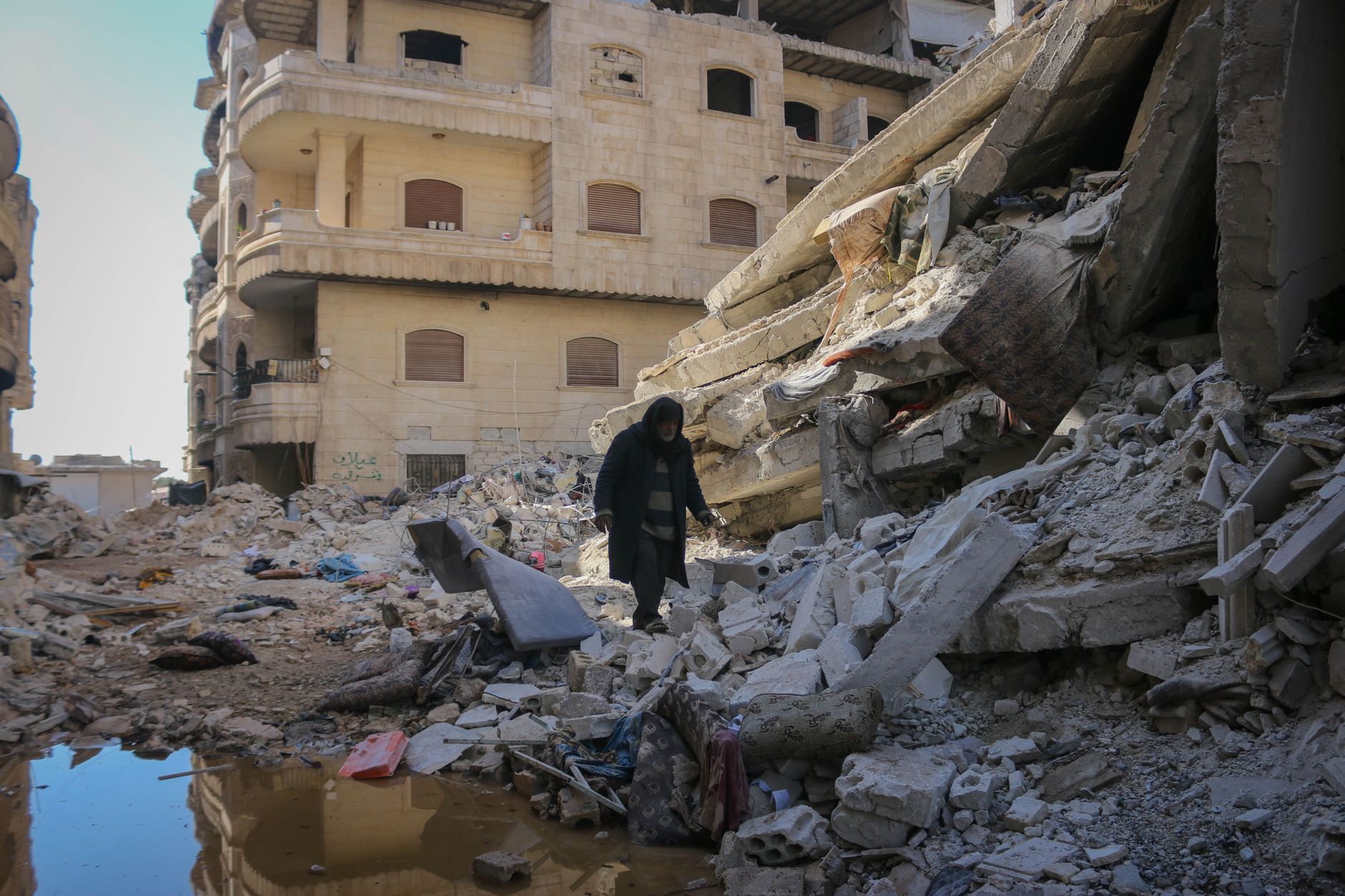
On the ground in Lebanon, the situation remains acutely volatile and dangerously unpredictable. Recent intensified clashes between various armed factions, often exacerbated by significant external influences and proxy support, have plunged the country into an environment of extreme instability and profound uncertainty. This renewed fighting has tragically resulted in a growing number of civilian casualties, widespread displacement of populations, and extensive destruction of vital infrastructure, deepening an already dire economic crisis. This internal strife is far from isolated; it is deeply intertwined with broader regional power struggles, with both the US and Iran supporting different, often opposing, actors and agendas. The inability to effectively contain this escalating conflict directly contributed to the difficult decision to halt the diplomatic talks, as officials deemed the prevailing environment too unstable and hostile for any productive engagement. The humanitarian crisis unfolding in Lebanon is a stark and painful reminder of the immense human cost of these entrenched geopolitical tensions and the urgent, desperate need for de-escalation.
The intricate and often opaque web of alliances and rivalries within Lebanon makes any sustainable resolution incredibly complex and challenging. Hezbollah, a powerful political party and heavily armed militant force, which receives substantial backing from Iran, plays a central and often dominant role in the country's political and security dynamics. Its actions and reactions frequently reflect Iran's broader strategic interests in the Levant, effectively making it a key proxy in the ongoing US-Iran rivalry. The recent escalation of violence suggests a dangerous hardening of positions among all parties involved, drastically reducing the already limited space for compromise or political negotiation. This volatile ground reality directly impacts and complicates high-stakes diplomatic calculations, powerfully demonstrating how seemingly localized conflicts can swiftly derail international negotiations and further entrench deep-seated regional divisions. The international community faces an immense and daunting challenge in navigating these complex, multi-layered dynamics.
The humanitarian situation in Lebanon is deteriorating rapidly, with millions facing food insecurity, inadequate healthcare, and a collapsing economy. The political deadlock, exacerbated by the recent fighting, prevents any meaningful reforms or the formation of a stable government capable of addressing these profound challenges. International aid efforts are often hampered by the security risks and the lack of a unified political authority. This creates a vicious cycle where instability fuels humanitarian crises, which in turn further destabilize the nation. The plight of ordinary Lebanese citizens, caught in the crossfire of regional power plays, serves as a tragic backdrop to the stalled diplomatic efforts, highlighting the urgent need for external pressure and internal consensus to avert a complete societal collapse.
What Experts Are Saying
According to Dr. Sarah Chen, a leading Middle East analyst at the prestigious Global Policy Institute, "The abrupt suspension of US-Iran talks over the escalating Lebanon conflict profoundly underscores the intricate and often perilous interconnectedness of regional flashpoints. It serves as a stark and undeniable reminder that even seemingly localized conflicts, particularly those involving proxy actors, can have far-reaching and detrimental implications for global diplomacy and stability. Both sides were already navigating an extremely precarious diplomatic tightrope, and the increased volatility and direct engagement in Lebanon simply rendered continued dialogue untenable. This isn't merely a temporary pause; it represents a significant and concerning setback that will undoubtedly require substantial effort, perhaps even new intermediaries or a complete strategic recalibration, to overcome." Her insightful assessment highlights the inherent fragility of current diplomatic efforts and the pervasive influence of regional dynamics.
Professor David Miller, an esteemed expert in international relations from Georgetown University, further emphasized the potent domestic pressures influencing decision-making in both Washington and Tehran. "For the United States, appearing to negotiate constructively while a key regional ally's stability is directly threatened by Iranian-backed groups is an incredibly difficult and politically fraught position to maintain domestically. Similarly, for Iran, any perceived concession or sign of weakness during a period of heightened regional activity and internal economic strain could be severely criticized by its powerful hardline factions. The Lebanon crisis, therefore, provides a convenient, albeit dangerous, pretext for both sides to step back, reassess their strategic positions, and recalibrate their demands, rather than push forward with talks that were already fraught with internal political challenges and external geopolitical complexities." This perspective reveals the intricate interplay between domestic politics and international diplomacy.
Dr. Fatima Al-Hassan, a security expert specializing in proxy warfare from the Carnegie Endowment for International Peace, added another layer of analysis. "The failure to isolate the Lebanon conflict from broader US-Iran discussions highlights a fundamental flaw in the current diplomatic approach. Regional proxy conflicts are not mere side-shows; they are integral to the strategic competition between Washington and Tehran. Until a mechanism is found to address these proxy dynamics directly and effectively, any high-level talks will remain vulnerable to being derailed by events on the ground. This incident should prompt a re-evaluation of how regional stability can be achieved when major powers continue to fuel local conflicts through their proxies." Her analysis suggests a need for a more holistic and integrated diplomatic strategy.

Frequently Asked Questions
What Happens Next
The immediate outlook for the Middle East suggests a period of significantly heightened regional tension and profound uncertainty. With direct and indirect diplomatic channels between the United States and Iran now effectively closed, the inherent risk of miscalculation, unintended confrontation, and rapid escalation in critical flashpoints like Lebanon, Syria, and the strategically vital Persian Gulf increases substantially. Both sides are highly likely to revert to more assertive and confrontational postures, potentially leading to an increase in military exercises, intensified proxy activities, and a general hardening of political rhetoric. International mediators, such as key European powers or influential Gulf states, may intensify their quiet efforts to re-establish some form of communication, but achieving significant progress will be an uphill battle amidst the current, pervasive volatility. The immediate focus will now inevitably shift to containing existing conflicts and desperately preventing new ones from erupting across the region.
Looking further ahead, any meaningful resumption of talks will almost certainly require a significant and verifiable de-escalation of the conflict in Lebanon, alongside a demonstrable commitment from all involved parties to reduce broader regional aggression. This could potentially involve a sustained ceasefire, a strategic withdrawal of external forces, or a renewed, concerted focus on providing urgent humanitarian aid to affected populations. However, achieving such demanding conditions will undoubtedly be an arduous battle given the complex and deeply entrenched web of local and international actors involved. The suspension of talks also paradoxically provides an opportunity for both Washington and Tehran to critically reassess their respective strategies and potentially recalibrate their demands, though this could equally lead to more entrenched and uncompromising positions. The path to renewed dialogue appears long, arduous, and fraught with numerous obstacles, demanding sustained diplomatic pressure and an unequivocal commitment to peace from all stakeholders.
The ripple effects of this diplomatic freeze will inevitably extend far beyond the immediate geopolitical sphere, impacting global stability and economic forecasts. Global markets, particularly energy sectors, will remain acutely sensitive to any further signs of instability or escalating conflict in the Middle East, potentially leading to price spikes and economic uncertainty. Humanitarian organizations will face even greater challenges in delivering essential aid to conflict zones, as political impasses often exacerbate existing crises and create new barriers. The international community, already grappling with a multitude of global challenges, will find its capacity and resources to address regional conflicts further strained. Ultimately, the decision to halt these crucial talks underscores the inherently fragile nature of peace and the urgent, persistent need for consistent, robust diplomatic engagement, even in the face of daunting and seemingly insurmountable obstacles. The stakes for both regional and global stability have never been higher, demanding immediate and decisive action.








Comments
No comments yet. Be the first to comment!