

Policy Snapshot
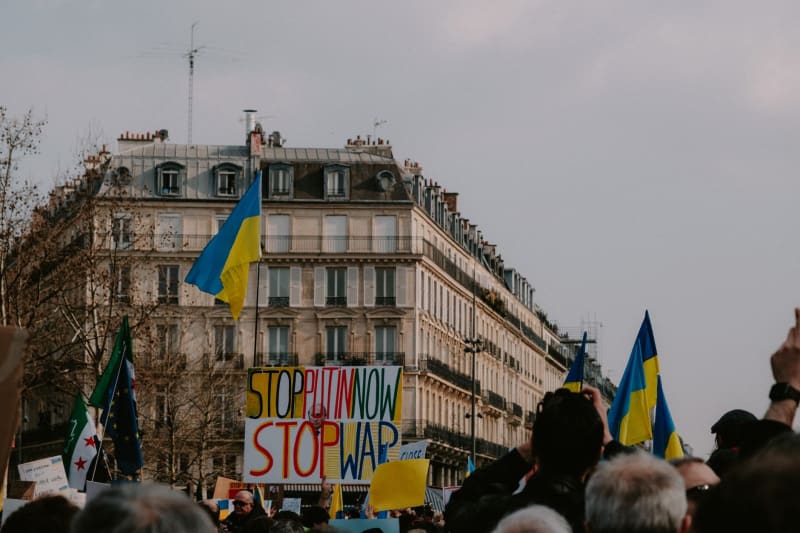
- The G7 summit, comprising Canada, France, Germany, Italy, Japan, the United Kingdom, and the United States, convenes to address pressing global issues, with the ongoing conflict in Ukraine at the forefront of their agenda.
- Ukrainian President Volodymyr Zelensky is slated to join the summit virtually, providing a direct update on the battlefield situation and reiterating Kyiv's urgent requests for enhanced military and humanitarian assistance from allied nations.
- French President Emmanuel Macron has issued a powerful call for G7 leaders to "restore unity" regarding Ukraine, emphasizing the critical need for a cohesive and unwavering international stance against Russian aggression.
- Discussions are expected to focus heavily on strengthening economic sanctions against Russia, exploring new avenues to curtail Moscow's war funding, and ensuring the effective implementation of existing punitive measures.
- Leaders will deliberate on strategies to bolster Ukraine's long-term security and economic recovery, including potential frameworks for reconstruction aid and commitments to sustained defensive capabilities.
- Beyond Ukraine, the summit agenda will likely encompass other significant global challenges, such as energy security, climate change, food supply chain disruptions, and the broader implications of geopolitical instability on the world economy.
The Policy History
The Group of Seven (G7) has historically served as a crucial forum for the world's leading industrial democracies to coordinate economic and political policies. Established in the 1970s, its mandate evolved from addressing economic shocks, like the oil crisis, to tackling broader geopolitical challenges and promoting shared values. In the context of Russia's full-scale invasion of Ukraine, the G7 has emerged as a pivotal bloc for orchestrating international responses, including unprecedented sanctions and substantial financial and military aid packages. Their collective actions have aimed to isolate Russia economically and diplomatically, while simultaneously shoring up Ukraine's defense capabilities and humanitarian needs.
Prior G7 summits have consistently reaffirmed unwavering support for Ukraine's sovereignty and territorial integrity, with leaders issuing strong condemnations of Russian aggression. These gatherings have been instrumental in forging consensus on critical measures, from freezing Russian assets to imposing price caps on Russian oil. However, the sustained nature of the conflict and its ripple effects across the global economy have tested this unity, leading to nuanced debates among member states regarding the pace and scope of further interventions. President Macron's recent call to "restore unity" underscores a recognition that internal coherence is paramount for the G7's effectiveness on the world stage.
The historical precedent of G7 coordination demonstrates its potential to shape global events, but also highlights the complexities of maintaining a united front when national interests diverge. The ongoing discussions will build upon a foundation of previous commitments, seeking to refine strategies and adapt to the evolving realities on the ground in Ukraine. The challenge lies not just in agreeing on new policies, but in ensuring their robust and timely implementation, translating diplomatic rhetoric into tangible support that can genuinely alter the trajectory of the conflict and its wider implications for international security and stability.
Who Is Affected
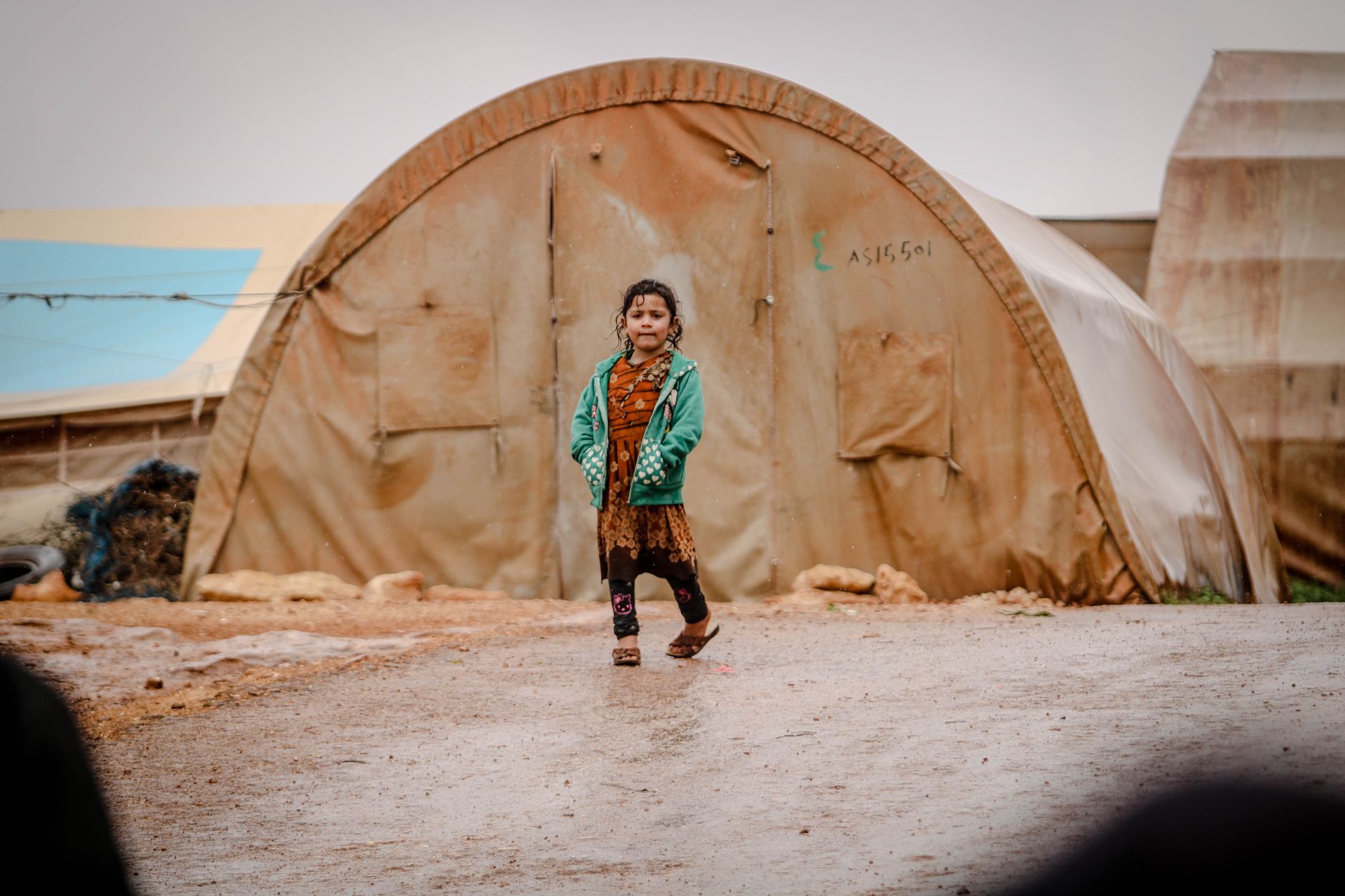
At the forefront of those affected is, unequivocally, Ukraine and its resilient populace. The ongoing conflict has unleashed catastrophic humanitarian crises, displacing millions, destroying vital infrastructure, and claiming countless lives. The economic fabric of the nation has been severely damaged, with critical industries crippled and agricultural output drastically reduced, impacting global food security. The decisions made by the G7 directly influence the flow of military aid, financial assistance, and humanitarian support, which are absolutely critical for Ukraine's ability to defend itself and rebuild in the face of relentless aggression.
G7 nations themselves face significant repercussions, both economic and political. Sanctions against Russia, while intended to cripple its war machine, have also contributed to inflationary pressures, particularly in energy and food markets, impacting the cost of living for their citizens. Furthermore, the increased defense spending and aid commitments place a considerable strain on national budgets. The political stability of these nations can also be tested by public opinion regarding the duration and cost of involvement, making the G7's ability to articulate a clear, unified, and sustainable strategy essential for maintaining domestic support and international credibility.
Beyond the immediate parties, the ripple effects of the conflict and the G7's response extend globally. Developing nations, particularly those reliant on Ukrainian grain and Russian energy, are grappling with severe food and fuel shortages, exacerbating existing poverty and instability. The geopolitical landscape is undergoing a profound shift, with alliances being tested and new alignments forming. The G7's decisions on economic recovery, energy transition, and diplomatic engagement will therefore have far-reaching implications for global trade, international relations, and the future shape of the multilateral order, affecting billions worldwide.
The Case For
Maintaining and strengthening G7 unity is absolutely paramount for several compelling reasons. A cohesive front sends an unambiguous message to Russia that aggression will not be tolerated and that the international community stands firm in upholding sovereign borders and international law. This collective resolve is crucial for deterring further escalations and demonstrating that the costs of violating global norms far outweigh any perceived benefits. Without a unified stance, there is a significant risk of fragmentation, which could be exploited by adversaries and undermine the very principles of collective security.
Continued and robust support for Ukraine is not merely a moral imperative but a strategic necessity for global stability. Providing Ukraine with the necessary military, financial, and humanitarian aid directly contributes to its ability to defend its territory and people, preventing a wider conflict that could engulf Europe. Furthermore, a stable and democratic Ukraine is vital for the long-term security architecture of the continent. The G7's coordinated economic measures, including sanctions, are designed to degrade Russia's capacity to wage war, thereby shortening the conflict and mitigating its devastating global economic impact.
Beyond the immediate conflict, the G7's unified approach reinforces the importance of multilateralism in addressing complex global challenges. By demonstrating effective cooperation on Ukraine, the G7 can bolster its credibility and influence in tackling other pressing issues such as climate change, pandemics, and economic inequality. This collective action fosters greater confidence in international institutions and encourages broader global participation in resolving shared problems, ultimately contributing to a more stable, predictable, and prosperous world order for all nations.
The Case Against
While unity is a stated goal, the practicalities of maintaining it among diverse G7 nations present significant challenges. Each member state grapples with unique domestic political pressures, economic vulnerabilities, and historical relationships that can lead to diverging interests. For instance, some nations may be more heavily reliant on Russian energy or have different perspectives on the long-term strategic implications of the conflict, making it difficult to agree on the most aggressive or costly measures. These internal divisions, even if subtle, can slow down decision-making and dilute the impact of collective actions, potentially signaling weakness rather than strength.
The economic strain imposed by the conflict and associated sanctions is another major point of contention. While designed to harm Russia, these measures have also contributed to global inflation, energy price spikes, and supply chain disruptions, directly impacting the citizens and economies of G7 nations. Critics argue that the current approach is unsustainable in the long run, leading to 'sanctions fatigue' and a potential backlash from electorates facing rising living costs. There is a growing debate about the precise balance between punishing Russia and protecting the economic well-being of allied nations, with some advocating for a more cautious or nuanced approach to avoid self-inflicted economic damage.
Furthermore, the G7's focus on Ukraine, while critical, has been criticized for potentially overshadowing other urgent global crises and alienating countries outside the Western bloc. Many nations in the Global South, for example, may view the conflict through a different lens, prioritizing issues like climate change, poverty, or regional conflicts that directly affect them. An overly narrow focus or perceived imposition of Western priorities could undermine broader international cooperation and create divisions that hinder efforts to build a truly global consensus on critical issues. This perspective suggests that while supporting Ukraine is vital, the G7 must also demonstrate a broader commitment to global equity and diverse concerns to maintain its legitimacy and influence worldwide.

Policy Questions Answered
Implementation Watch
The true test of the G7 summit's effectiveness will lie not merely in the declarations made, but in the rigorous and transparent implementation of its agreed-upon policies. A critical area for scrutiny will be the delivery of promised military and financial aid to Ukraine. Ensuring that these vital resources reach the front lines and support the Ukrainian economy efficiently, without bureaucratic delays or corruption, is paramount. Watch for specific mechanisms and timelines announced for aid disbursement, as well as any new oversight bodies or reporting requirements designed to enhance accountability and track progress effectively.
Another key focus for implementation watch is the enforcement of sanctions against Russia. Despite extensive measures, reports of loopholes, circumvention tactics, and continued trade with certain nations persist. The G7 must demonstrate a sustained commitment to identifying and closing these gaps, potentially through enhanced intelligence sharing, coordinated customs checks, and secondary sanctions on entities facilitating Russian evasion. The effectiveness of the oil price cap, in particular, will be closely monitored, as its impact on Russia's war funding is a cornerstone of the economic pressure strategy. Any signs of weakening resolve or inconsistent application could undermine the entire sanctions regime.
Beyond immediate aid and sanctions, the long-term diplomatic and reconstruction efforts will require careful monitoring. The G7's ability to engage non-aligned nations, particularly those in the Global South, in a broader consensus against aggression will be crucial for isolating Russia further and building a truly international coalition for peace. Furthermore, any commitments made towards Ukraine's post-war reconstruction must translate into concrete investment plans and international partnerships. The success of these initiatives will ultimately determine the lasting impact of the G7's collective leadership in shaping a more secure and stable global future.






Comments
No comments yet. Be the first to comment!