
The Story in Brief
- The United States has enacted a fresh round of stringent sanctions targeting Iran, significantly intensifying economic pressure on the already struggling nation and its key financial sectors.
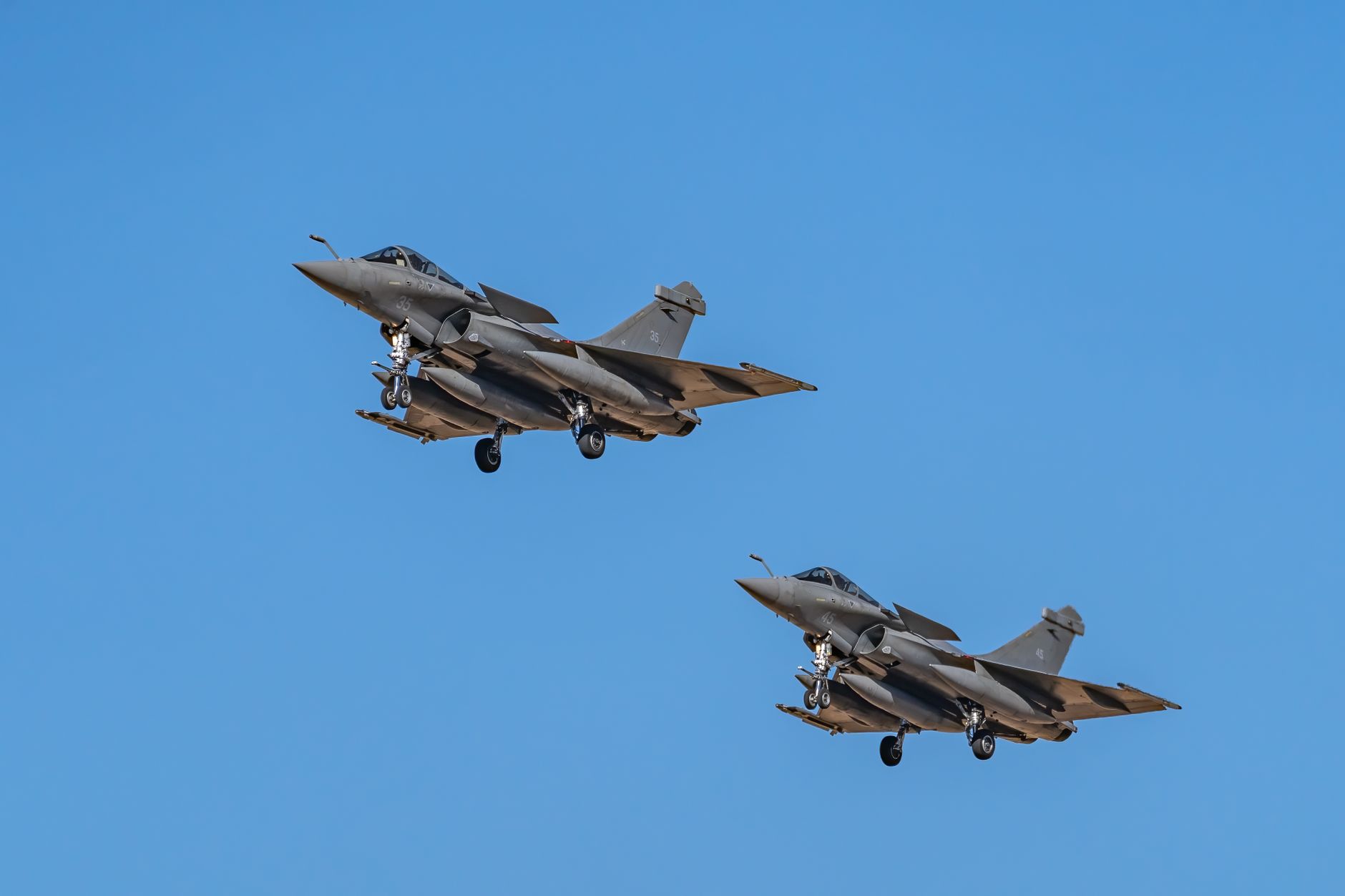
- President Trump has issued a stark warning, indicating that military strikes against Iran could 'resume,' a statement that dramatically elevates the risk of direct conflict in the volatile Middle East.
- Regional tensions have reached a critical new peak, with both Washington and Tehran adopting increasingly confrontational stances, creating an environment ripe for miscalculation and dangerous escalation.
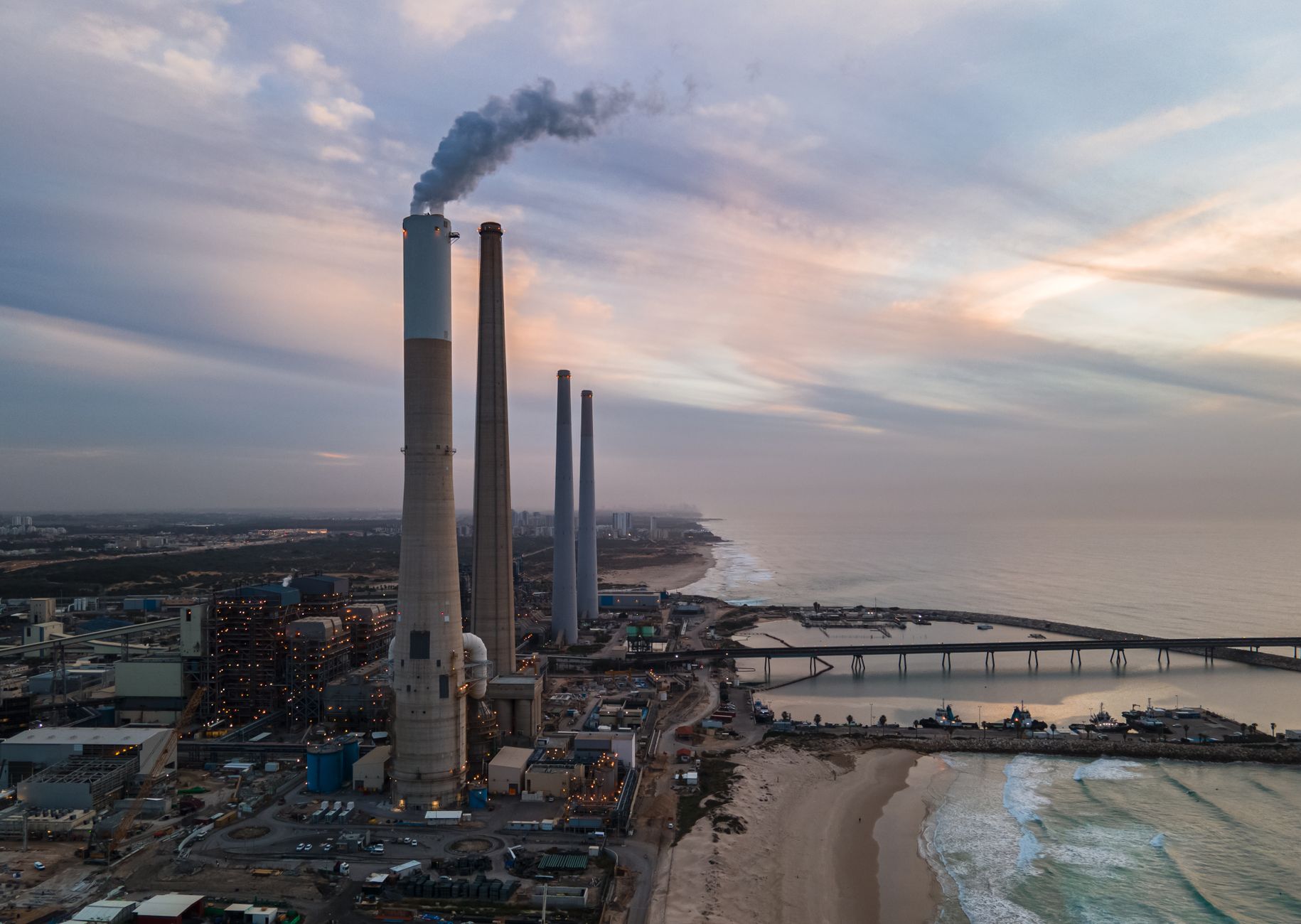
- These latest sanctions specifically aim at Iran's metals industry and other vital economic arteries, designed to further cripple its ability to generate revenue and fund its regional activities.
- Iran's economy is experiencing severe strain under the weight of sustained international sanctions, leading to widespread inflation, currency depreciation, and significant hardship for its civilian population.
- The international community is closely monitoring the rapidly evolving situation, urging de-escalation and expressing profound concern over the potential for a broader conflict with far-reaching global consequences.
The Human Face
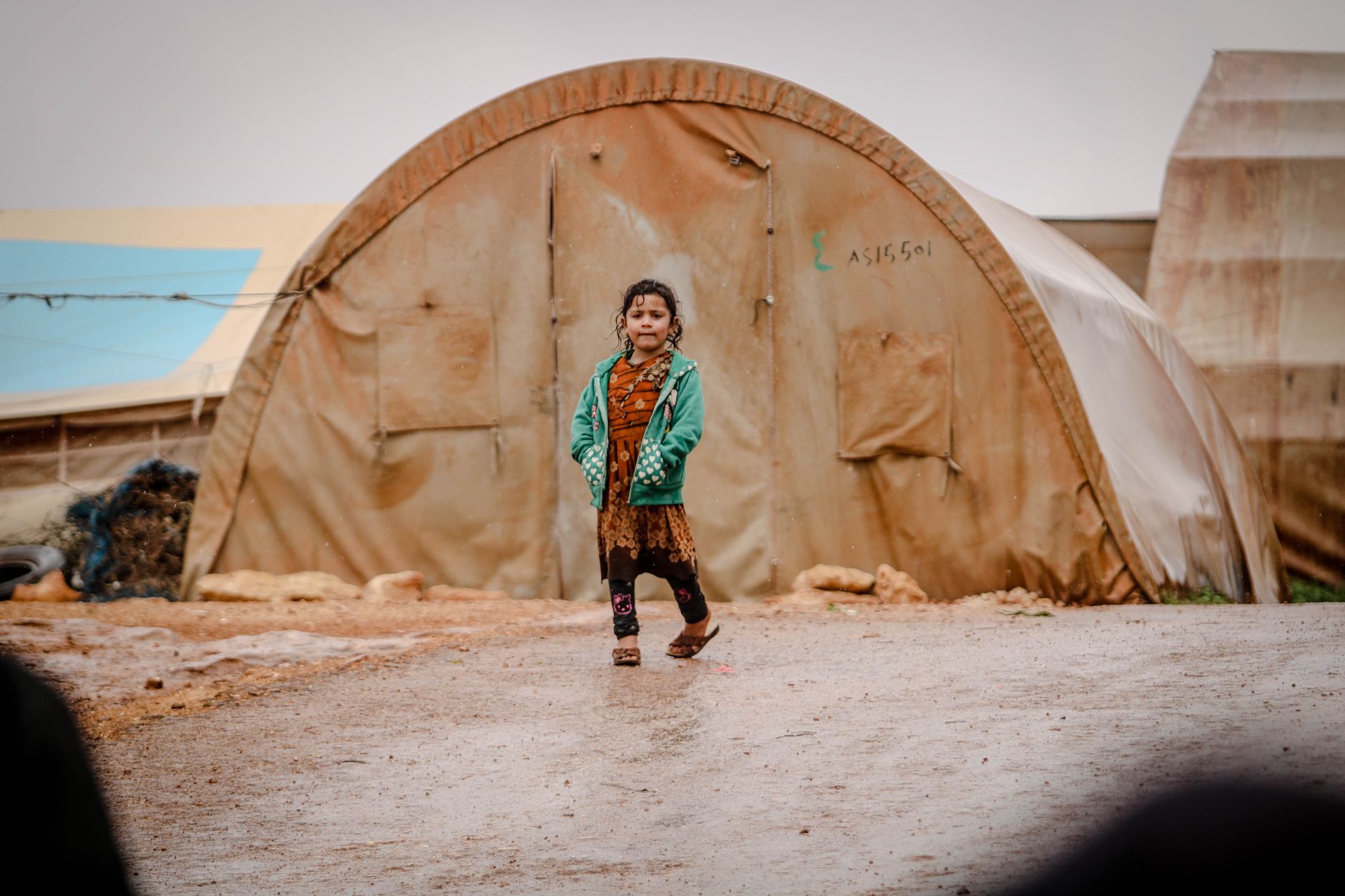
Beyond the geopolitical chess match, the relentless cycle of sanctions and the looming threat of military confrontation cast a long, dark shadow over the daily lives of ordinary Iranian citizens. Families grapple with an economy in severe distress, where the value of their savings eroding rapidly and the cost of basic necessities, from food to housing, spirals out of reach. This economic strangulation creates a pervasive sense of anxiety and despair, forcing many to make impossible choices just to survive.
The humanitarian impact is particularly acute, with reports indicating significant challenges in accessing essential medicines and medical equipment due to banking restrictions and the reluctance of international suppliers to engage with Iran. This directly jeopardizes the health and well-being of vulnerable populations, including the elderly and those with chronic illnesses, transforming political leverage into a matter of life and death for countless individuals. The ripple effects extend to education and social services, further eroding the fabric of society.
The constant rhetoric of potential military action further exacerbates this profound uncertainty, leaving citizens in a perpetual state of fear about what tomorrow might bring. The prospect of conflict not only threatens physical safety but also shatters any hope for a stable future, pushing many to consider desperate measures or seek refuge elsewhere. This human cost, often overlooked in the high-stakes diplomatic exchanges, underscores the devastating real-world consequences of escalating international tensions.
How We Got Here
The current precarious state of US-Iran relations is largely rooted in the pivotal decision by the United States in May 2018 to unilaterally withdraw from the Joint Comprehensive Plan of Action (JCPOA), widely known as the Iran nuclear deal. This landmark agreement, which had placed stringent restrictions on Iran's nuclear program in exchange for sanctions relief, was painstakingly negotiated by world powers. The US exit, driven by the Trump administration's belief that the deal was insufficient, immediately reignited a cycle of mistrust and confrontation that had briefly subsided.
Following the US withdrawal, Washington swiftly reimposed and then expanded a comprehensive array of economic sanctions targeting Iran's vital oil exports, financial institutions, and strategic industries. Tehran vehemently condemned these actions as 'economic warfare' and a blatant violation of international law, arguing that it had upheld its commitments under the JCPOA. In response, Iran began to incrementally scale back its own commitments to the nuclear deal, increasing uranium enrichment levels and stockpiles, further escalating concerns among international observers.
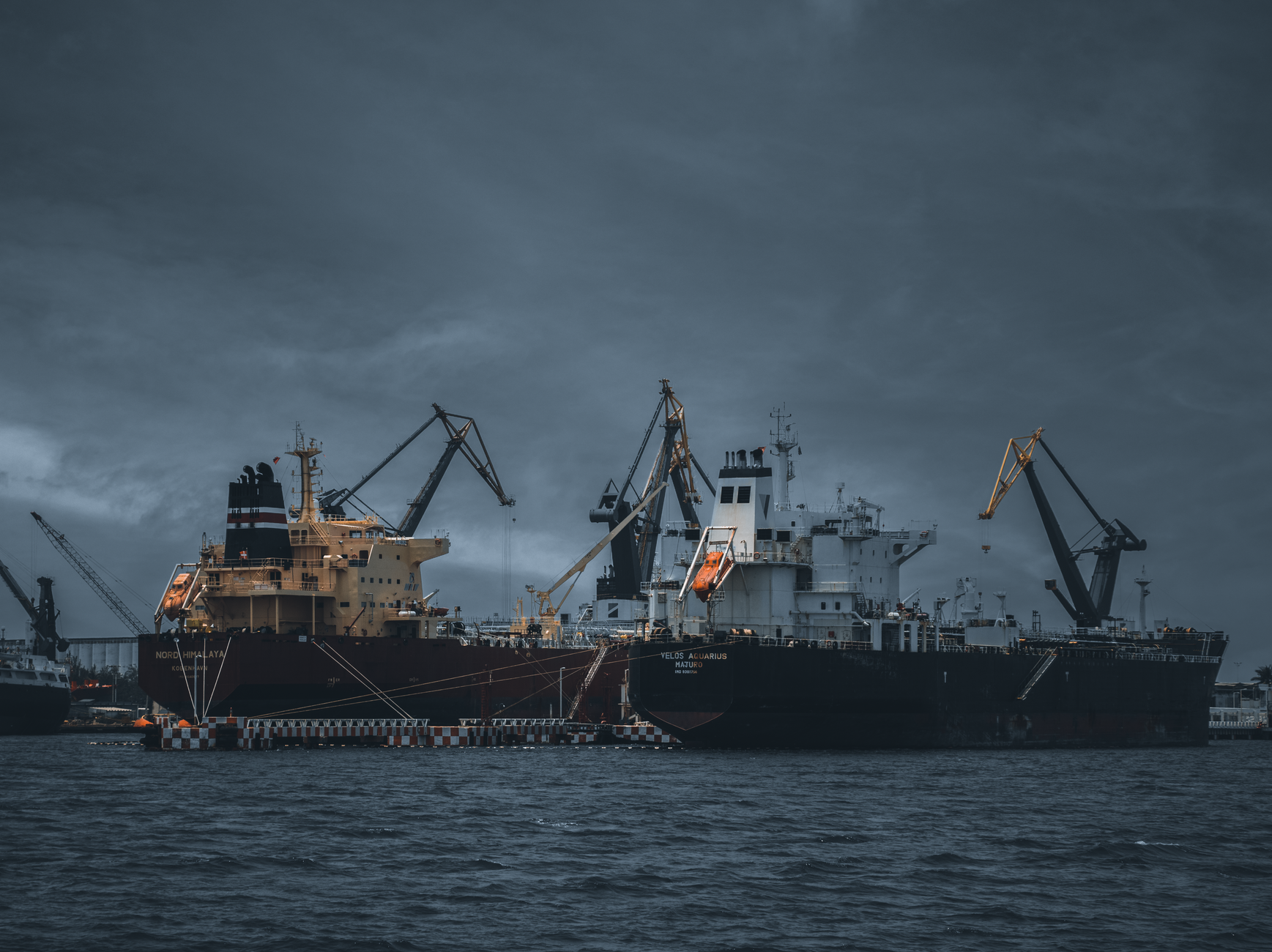
The situation has been further inflamed by a series of provocative incidents in the Persian Gulf, including attacks on oil tankers, drone shoot-downs, and seizures of commercial vessels, which both sides largely attribute to the other. These events, coupled with increasingly aggressive rhetoric from leaders in both Washington and Tehran, have created a dangerous feedback loop. Each action and counter-action pushes the region closer to an unpredictable military confrontation, making diplomatic off-ramps increasingly difficult to find and navigate.
Why This Cannot Be Ignored
The escalating tensions between the United States and Iran are not merely a bilateral issue; they represent a significant threat to global stability with profound and far-reaching implications. A full-scale military conflict in the Middle East, particularly involving a major oil producer like Iran, would almost certainly trigger an immediate and drastic disruption to global energy supplies. This disruption would send crude oil prices soaring, leading to economic instability worldwide, impacting everything from transportation costs to manufacturing expenses and consumer prices, potentially tipping fragile economies into recession.
Beyond economic fallout, the humanitarian cost of any conflict would be catastrophic. Millions of lives could be displaced, generating an unprecedented refugee crisis that would overwhelm neighboring countries and strain international aid resources. The destruction of infrastructure, loss of life, and long-term societal trauma would reverberate for generations, further destabilizing an already volatile region. Such a conflict could also easily draw in other regional and international actors, transforming a localized dispute into a broader, uncontrollable conflagration with unpredictable geopolitical consequences.
Furthermore, the current standoff undermines the international non-proliferation regime. Iran's actions to scale back its nuclear commitments, even in response to US sanctions, raise serious concerns about its nuclear ambitions and the potential for other nations to pursue similar paths if international agreements are perceived as unreliable. The credibility of diplomacy and multilateralism is at stake, making it harder to address other critical global challenges. The world cannot afford to ignore the dangerous trajectory of this crisis, as its resolution or escalation will define the security landscape for years to come.
Possible Paths Forward
Achieving de-escalation in the current US-Iran standoff is an imperative, yet the pathways to a peaceful resolution remain frustratingly opaque and fraught with obstacles. Both Washington and Tehran appear deeply entrenched in their maximalist positions, making direct, bilateral dialogue exceedingly difficult to initiate without significant preconditions. The immediate challenge lies in finding a credible mechanism to halt the cycle of retaliation and rhetoric that continues to push the region closer to the brink of open conflict, requiring innovative diplomatic approaches.
One potential avenue for breaking the impasse involves robust mediation efforts by neutral third parties, such as European powers, Japan, or even Oman, which has historically played a bridging role. These intermediaries could facilitate indirect talks, allowing both sides to articulate their demands and concerns without the perceived loss of face that direct engagement might entail. Such a process would aim to build confidence, identify areas of mutual interest, and gradually lay the groundwork for a more comprehensive diplomatic framework, potentially re-evaluating the parameters of the original nuclear deal or a new regional security dialogue.
However, the effectiveness of any diplomatic initiative hinges on a willingness from both the US and Iran to demonstrate flexibility and a genuine commitment to de-escalation. Without a clear signal from both capitals that they are prepared to compromise, calls for restraint from the international community will likely remain just that – calls. The risk of miscalculation remains high, and the window for diplomatic solutions could narrow rapidly if further provocative actions occur, underscoring the urgency for a breakthrough before the situation becomes irreversible.
Questions People Are Actually Asking
What to Watch
- Closely monitor Iran's official and unofficial responses to the latest sanctions, including any further reductions in its nuclear commitments or provocative actions in the Persian Gulf region.
- Pay keen attention to statements from high-ranking US officials, particularly President Trump and Secretary of State Pompeo, for any shifts in rhetoric or indications of future policy directions regarding Iran.
- Observe military and commercial shipping activity in the Strait of Hormuz, a critical global chokepoint, as any incidents there could rapidly escalate tensions and impact global energy markets.
- Track the reactions and actions of key regional allies, such as Saudi Arabia and Israel, whose security concerns and strategic interests are deeply intertwined with the US-Iran dynamic.
- Follow international diplomatic efforts, especially those led by European nations, to mediate between Washington and Tehran or to preserve the remnants of the JCPOA, seeking any signs of de-escalation.
- Keep an eye on global oil market fluctuations, as any perceived increase in regional instability or threat to oil supplies will likely trigger price volatility and impact the global economy.





Comments
No comments yet. Be the first to comment!