

At a Glance
- Bolivia has declared a nationwide state of emergency, a drastic measure taken to address the escalating socio-political unrest and its severe consequences across the country.
- The crisis stems from widespread and persistent road blockades, which have effectively paralyzed key transportation routes, disrupting daily life and economic activity.
- Critical shortages of essential goods, including fuel, food, and vital medical supplies, are being reported in major urban centers and remote communities alike, exacerbating public hardship.
- Protesting factions, primarily supporters of former President Evo Morales, are demanding significant judicial reforms and the immediate resignation of high-ranking judicial officials.
- The government, led by President Luis Arce, attributes the blockades to opposition efforts aimed at destabilizing the nation and undermining democratic institutions and the rule of law.
- The international community is closely monitoring the volatile situation, expressing concerns over potential human rights impacts and calling for a peaceful and negotiated resolution.
The Record
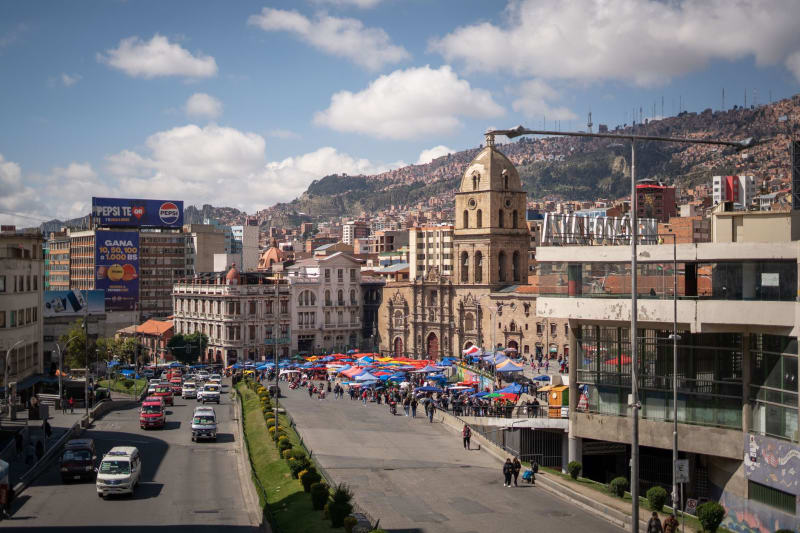
Bolivia is currently confronting its most severe socio-political crisis in years, culminating in a nationwide state of emergency declared by the government. This critical declaration came as a direct response to escalating road blockades that have effectively paralyzed key transportation arteries across the country. These blockades, largely initiated by supporters of former President Evo Morales, are primarily a protest against the perceived political manipulation of the judiciary and the contentious extension of high-ranking judicial officials' terms. The administration, led by President Luis Arce, has vehemently condemned these actions as a deliberate attempt to destabilize the nation and disrupt essential services, raising significant humanitarian concerns over resource scarcity and public safety.
The protests began weeks ago, intensifying dramatically after the Supreme Court ruled against a third term for Morales, a decision that has deeply fractured the ruling MAS party. Morales's faction views the current judicial system as fundamentally corrupt and unduly beholden to political interests, demanding the immediate resignation of specific judges and a comprehensive overhaul of the judicial selection process. These stringent demands have been met with staunch resistance from the Arce administration, which argues that such actions undermine democratic institutions and erode the rule of law. The ongoing standoff has created an exceptionally volatile environment, with no clear or immediate path to resolution in sight, deepening the national divide.
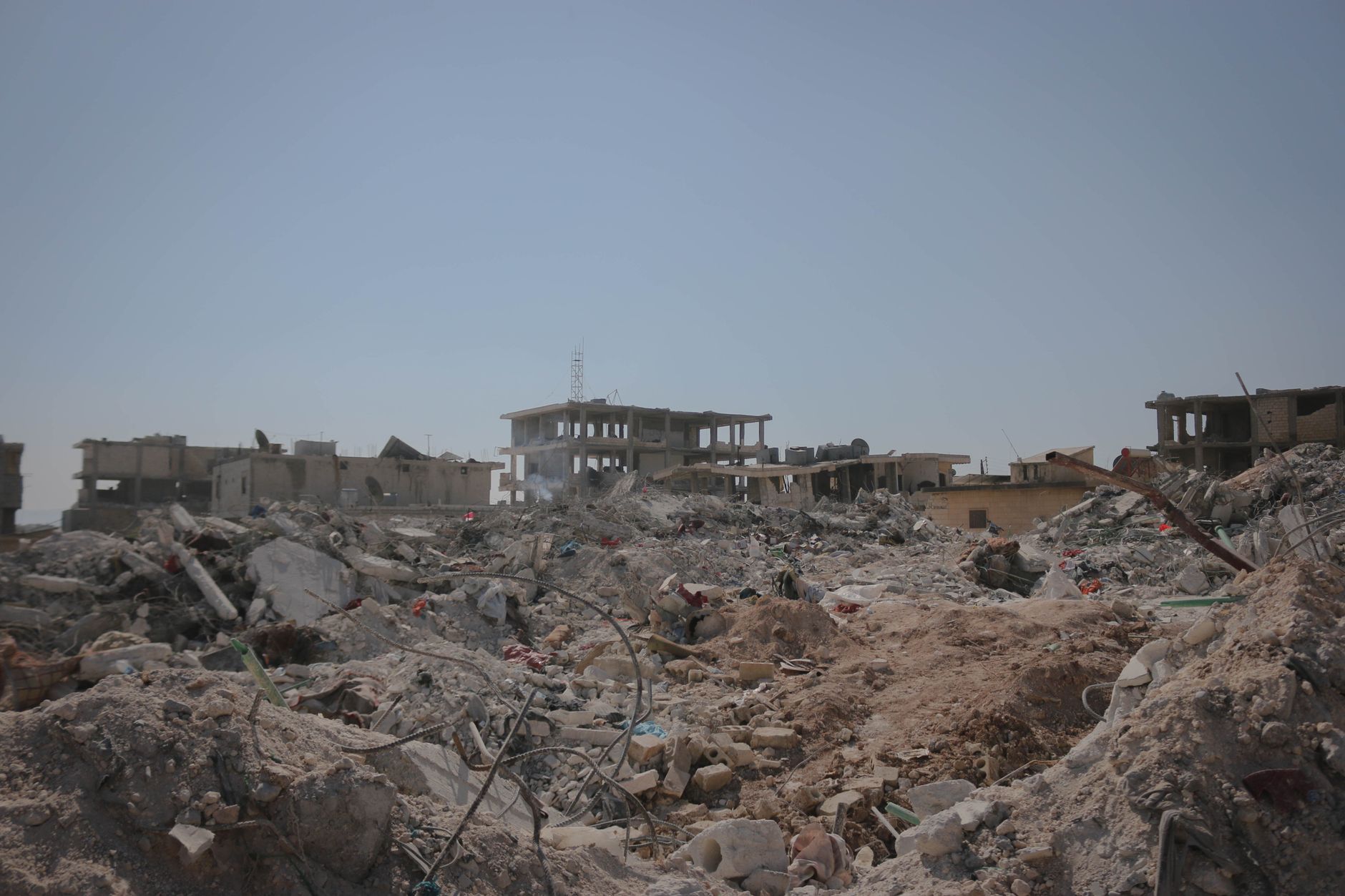
The economic repercussions are already proving severe and widespread, with significant shortages of fuel, food, and medical supplies reported in major cities such as La Paz and Santa Cruz. Farmers are tragically unable to transport their essential produce to markets, and vital goods cannot reach remote communities, exacerbating the hardship for ordinary citizens and threatening food security. The government has attempted to engage in negotiations, but talks have repeatedly broken down, highlighting the profound chasm between the protesting factions and the administration. This prolonged disruption threatens to unravel the country's fragile economic recovery post-pandemic and could tragically lead to further widespread social unrest and instability.
Who Knew and When
The escalating tensions in Bolivia have been a simmering issue for many months, with political analysts and various civil society organizations consistently issuing warnings about the potential for widespread unrest. The deep divisions within the ruling Movement Toward Socialism (MAS) party, particularly between supporters of President Luis Arce and former President Evo Morales, have been meticulously documented. These internal conflicts, exacerbated by contentious disputes over judicial appointments and differing interpretations of constitutional term limits, created an inherently volatile political landscape. Early indicators, such as localized protests and increasingly aggressive public statements from both factions, clearly signaled a brewing storm that could quickly engulf the entire nation.
Specific warnings intensified significantly following the Supreme Court's controversial ruling regarding Evo Morales's eligibility for a third presidential term. This pivotal decision, perceived by Morales's staunch faction as a politically motivated attack designed to sideline their leader, served as a critical flashpoint for the current crisis. Experts had previously cautioned that such a contentious ruling, without a clear and well-defined path for dialogue or resolution, would almost certainly trigger a strong and disruptive reaction from his dedicated base. The government, while undoubtedly aware of these underlying tensions, appeared to critically underestimate the sheer scale and sophisticated coordination of the subsequent blockades, which rapidly paralyzed key economic corridors and essential supply routes across the entire country.
Despite repeated and urgent calls for de-escalation from various sectors, including prominent human rights groups and influential business associations, the political rhetoric from both sides remained stubbornly unyielding. The government's initial responses focused primarily on condemning the blockades as illegal acts rather than proactively engaging in comprehensive dialogue to address the protesters' fundamental grievances. This reactive and often confrontational approach, coupled with the protesters' determined and unwavering stance, allowed the crisis to deepen significantly, ultimately necessitating the drastic declaration of a state of emergency. The trajectory of events strongly suggests that while the immediate trigger was specific, the underlying causes and potential for widespread conflict were clearly visible to many astute observers long before the current crisis erupted into national paralysis.
Voices from the Ground
The devastating impact of Bolivia's ongoing blockades resonates deeply with ordinary citizens, whose daily lives have been profoundly and tragically disrupted. Maria Elena, a market vendor in El Alto, laments with a heavy heart, 'My stalls are empty. No fresh produce arrives from the countryside, and what little I have, I can't sell because people have no money or can't even reach the market. We are starving, literally. This isn't just politics; it's about our very survival.' Her poignant words echo the widespread desperation felt by countless small business owners and daily wage earners who rely entirely on the free flow of goods and people to sustain their families. The economic paralysis is hitting the most vulnerable segments of society hardest, pushing many to the absolute brink of destitution.
In Santa Cruz, Dr. Ricardo Vargas, a dedicated general practitioner, vividly describes the dire situation unfolding in local hospitals: 'We are running critically low on essential medicines and vital oxygen supplies. Crucial surgeries are being postponed indefinitely, and chronic patients are struggling immensely to obtain their life-saving prescriptions. The blockades are preventing vital medical supplies from reaching us, and we fear profoundly for the lives of our patients, especially those in critical condition. This crisis is rapidly turning into a humanitarian catastrophe if not resolved swiftly and decisively.' His harrowing testimony underscores the severe public health implications, highlighting how political disputes directly translate into life-or-death situations for ordinary Bolivians.
Juan Carlos, a truck driver stranded on a blocked highway for days, expresses his profound frustration and despair: 'I've been stuck here for four days with a perishable cargo. My family depends entirely on my income, and now I'm losing money every single hour. We understand the reasons behind the protests, but this is hurting everyone, indiscriminately. We just want to be able to work and provide for our families without constant fear of being caught in the middle of these relentless political battles.' His voice represents the thousands of hardworking individuals whose livelihoods are directly threatened, caught between the uncompromising demands of protesters and the government's apparent inability to restore order, further fueling widespread discontent and a pervasive sense of abandonment.
The Debate
The national debate surrounding Bolivia's escalating crisis is sharply polarized, primarily revolving around the fundamental legitimacy and devastating impact of the judicial system and the contentious tactics employed by the protesting factions. Supporters of the blockades, largely aligned with former President Evo Morales, adamantly argue that their actions represent a necessary last resort to defend the integrity of democracy and demand genuine judicial independence from perceived pervasive political interference. They contend that the current judiciary is deeply compromised, serving the narrow interests of the incumbent administration rather than faithfully upholding the constitution. For them, the blockades are a legitimate and powerful form of civil disobedience aimed at forcing systemic change and preventing what they view as an alarming erosion of democratic norms.
Conversely, the government and its staunch allies, alongside a significant portion of the business community and urban populations, vehemently condemn the blockades as unequivocally illegal, profoundly disruptive, and economically devastating. They emphasize the severe humanitarian consequences, including critical shortages of food, fuel, and medicine, arguing that such tactics disproportionately harm innocent citizens. This perspective frames the protests not as a democratic exercise but as a calculated attempt to destabilize the country and undermine the rule of law, potentially even as a veiled power play by Morales to regain political influence. They call for the immediate cessation of all blockades and an urgent return to constitutional order through constructive dialogue, not through coercion or intimidation.
Beyond the immediate political factions, civil society organizations and numerous international observers are largely advocating for a peaceful and lasting resolution through genuine, inclusive dialogue. Many emphasize the critical need to address the deep-seated root causes of judicial distrust while simultaneously condemning the use of blockades that inflict widespread suffering upon the populace. The debate also intensely touches upon the long-term stability of Bolivia's fragile democratic institutions and the dangerous precedent set by such prolonged and disruptive protests. Finding a viable middle ground that respects both the fundamental right to protest and the essential needs of the populace remains the central, unresolved challenge in this deeply entrenched and complex conflict.

Your Questions Answered
What Accountability Looks Like
Ensuring comprehensive accountability in Bolivia's ongoing crisis requires a multi-faceted and impartial approach, starting with transparent and thorough investigations into the precise origins and rapid escalation of the blockades. This crucial process must include identifying those individuals and groups responsible for organizing and sustaining the disruptions that have severely impacted national infrastructure and critically endangered citizen welfare. Accountability also extends to the government's response, necessitating a rigorous examination of whether all possible avenues for de-escalation and genuine dialogue were fully exhausted before resorting to the drastic measure of a state of emergency. A thorough, impartial review is absolutely crucial to understand any missteps and prevent future recurrences, fostering a climate where political grievances are addressed constructively without paralyzing the entire nation.
Furthermore, judicial accountability is paramount, given that the entire crisis was ignited by contentious disputes over the judiciary's independence and its composition. This necessitates a credible and transparent process for reviewing judicial appointments and rigorously addressing all allegations of political influence within the courts, ensuring public trust is restored. For protesters, accountability involves a clear recognition of the severe and often tragic impact of their tactics on human rights and economic stability, ensuring that future demonstrations strictly adhere to principles of non-violence and do not infringe upon the fundamental rights of others. Both sides must unequivocally acknowledge their respective roles in the current predicament and commit unequivocally to upholding the rule of law and democratic processes.
Ultimately, true and lasting accountability will manifest in a renewed and unwavering commitment to institutional strengthening and robust political dialogue across all factions. This involves establishing effective and transparent mechanisms for resolving political disputes peacefully, ensuring genuine judicial independence, and diligently protecting citizens' rights to both protest and access essential services without undue hindrance. International bodies and civil society organizations can play a vital and constructive role in monitoring these processes, advocating tirelessly for human rights, and facilitating crucial mediation efforts. Without a clear and agreed-upon path to accountability and systemic reform, Bolivia risks a dangerous and perpetual cycle of instability, making it imperative for all stakeholders to prioritize the nation's long-term well-being over narrow partisan interests.






Comments
No comments yet. Be the first to comment!