

What We Know
What We Do Not Know Yet
- It remains unclear whether the Senate will even consider the War Powers Resolution, given the Republican majority's general alignment with the Trump administration's foreign policy decisions and skepticism towards limiting presidential power.
- The long-term impact of this congressional action on U.S.-Iran relations is uncertain; while it signals internal division, it may not fundamentally alter Iran's strategic calculus or the administration's approach.
- The precise legal and constitutional ramifications of such a resolution, should it somehow overcome Senate opposition and a potential presidential veto, are subject to interpretation and future legal challenges.
- The extent to which this vote will influence future presidential decision-making regarding military engagements without explicit congressional authorization remains to be seen, potentially setting a precedent or being largely ignored.
- The specific intelligence or evidence presented by the administration to justify the imminent threat posed by Soleimani, which has been a point of contention, has not been fully disclosed to the public or comprehensively debated in an open forum.
- The ultimate consequences for regional stability and the potential for a wider conflict, should diplomatic channels fail and tensions continue to escalate, are unpredictable and depend on numerous evolving geopolitical factors.
Background
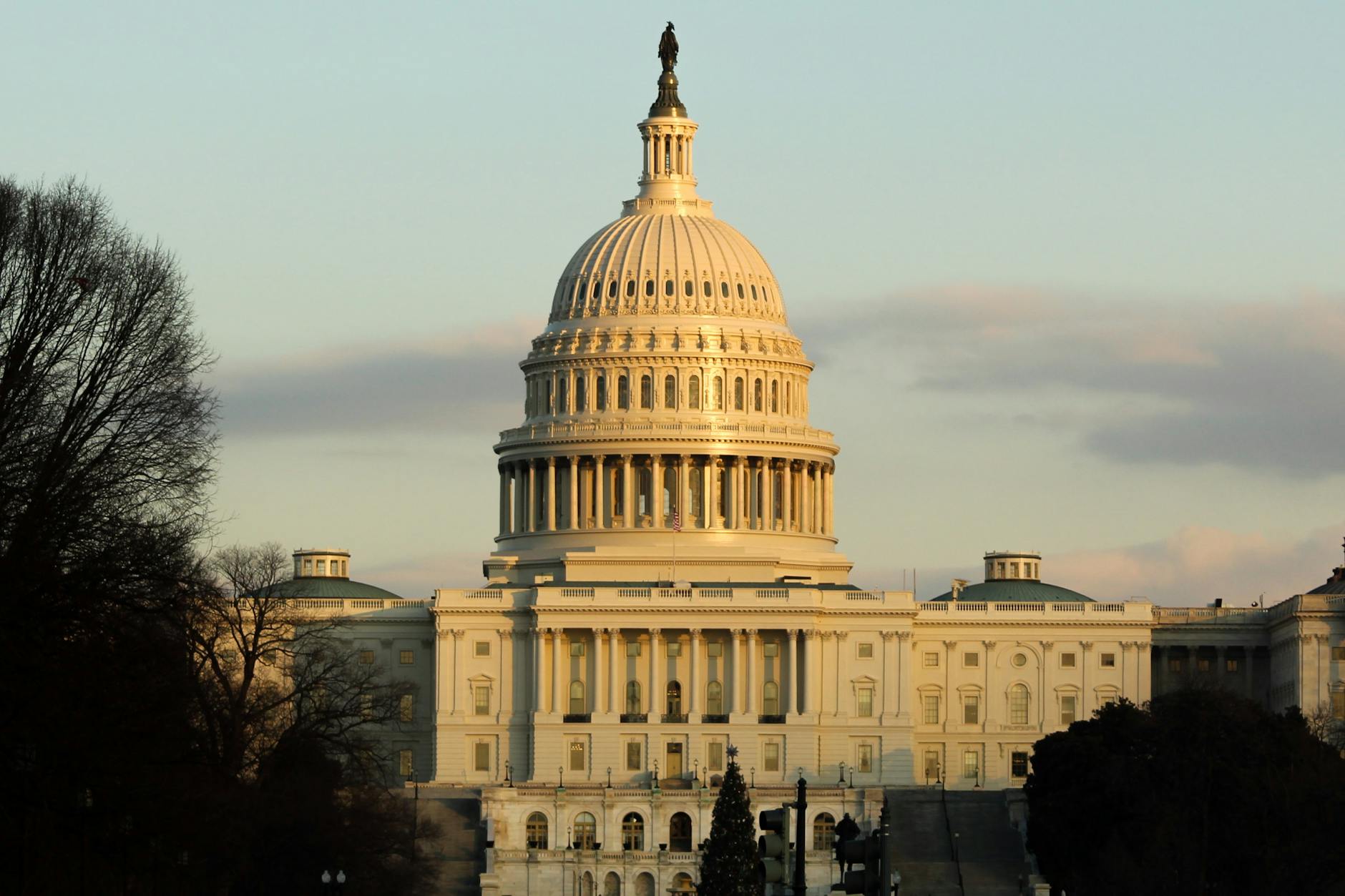
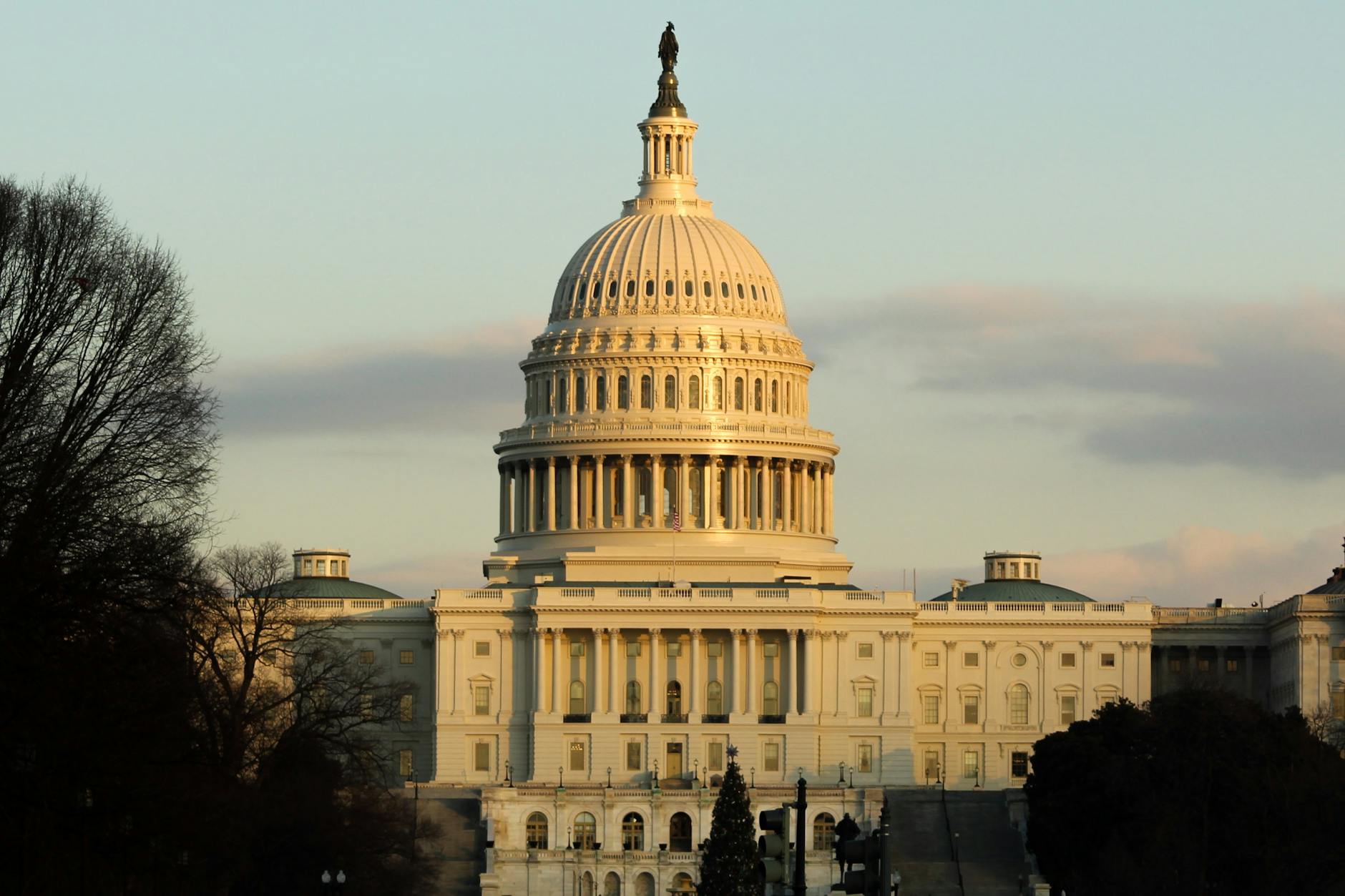
The U.S. Congress holds the constitutional power to declare war, a critical check on executive authority designed to prevent the nation from being drawn into conflict without broad national consensus. However, in recent decades, presidents from both parties have increasingly asserted unilateral authority to conduct military operations, often citing national security interests or the need for swift action against perceived threats. This trend has led to a gradual erosion of congressional oversight and a growing debate about the balance of power in foreign policy decision-making. The killing of Iranian General Qasem Soleimani in a U.S. drone strike in early January 2020 served as a flashpoint, reigniting long-standing concerns among lawmakers about the executive branch's unchecked military adventurism.
The specific events leading to the House vote involved the administration's justification for the strike, which cited intelligence indicating Soleimani was planning imminent attacks against U.S. interests in the region. However, lawmakers from both parties expressed skepticism about the clarity and conclusiveness of this intelligence, particularly as it was presented in closed-door briefings. Many felt the administration failed to provide sufficient evidence to warrant such a significant escalation, which brought the U.S. and Iran to the brink of open warfare. This lack of transparency and perceived overreach by the executive branch galvanized opposition and spurred legislative efforts to reclaim Congress's constitutional role in matters of war and peace.
The War Powers Resolution itself is a tool designed to enable Congress to assert its authority. It requires the President to notify Congress within 48 hours of committing armed forces to military action and prohibits continued U.S. military engagement in hostilities 60 days after notification, unless Congress has declared war, authorized the use of force, or extended the period. While presidents have often complied with the notification requirement, they have also frequently challenged the resolution's limitations on their authority. The House's passage of this particular resolution, in the direct aftermath of a high-profile military action, represented a particularly forceful assertion of congressional intent to rein in executive power.
Why It Matters
This vote is a critical moment in the ongoing struggle to define the balance of power between the executive and legislative branches in U.S. foreign policy. By passing the War Powers Resolution, the House has sent a clear message that it will not passively accept the President's unilateral decisions on matters of war and peace. This assertion of congressional authority is vital for ensuring that significant military actions, which carry immense human and financial costs, are undertaken with broader democratic legitimacy and deliberation. Failure to reassert these powers could set a dangerous precedent, further empowering future presidents to bypass Congress and potentially leading to ill-considered military engagements.
The implications extend beyond the immediate U.S.-Iran tensions. The resolution touches upon fundamental questions about presidential war powers and congressional oversight, issues that have been debated for decades. A strong congressional stance can encourage more transparency from the executive branch regarding intelligence and justifications for military action, fostering a more informed public discourse. Furthermore, it could influence how future administrations approach potential conflicts, potentially leading to more diplomatic solutions and a greater reliance on congressional consultation before resorting to military force.
The bipartisan nature of the vote is particularly noteworthy. It demonstrates that concerns about presidential overreach and the potential for entanglement in foreign conflicts transcend partisan divides. This unity suggests a shared recognition among a significant portion of Congress that the current trajectory of executive-driven foreign policy is unsustainable and potentially hazardous. The vote's impact on international perceptions of U.S. foreign policy is also significant, potentially signaling to allies and adversaries alike that American foreign policy decision-making involves a more complex internal dynamic than previously assumed.
Timeline of Events
- January 2, 2020: U.S. conducts a drone strike near Baghdad International Airport, killing Iranian General Qasem Soleimani and several Iraqi militia leaders.
- January 3, 2020: President Trump tweets that Soleimani was 'hated by many and loved by few' and was 'directly or indirectly responsible for the death of millions of people.'
- January 5, 2020: The Trump administration notifies Congress of the strike, citing the killing of an American contractor in Iraq and subsequent protests at the U.S. Embassy in Baghdad as justifications for an 'emergency response.'
- January 7, 2020: Representative Elissa Slotkin (D-Mich.), a former CIA analyst and Pentagon official, introduces a War Powers Resolution to prohibit further military action against Iran absent congressional authorization.
- January 9, 2020: The House Foreign Affairs Committee and House Armed Services Committee hold a closed-door briefing on Iran, which many lawmakers later describe as lacking specific evidence of an imminent threat.
- January 11, 2020: The U.S. House of Representatives passes the War Powers Resolution by a vote of 194-170, with some Republicans joining Democrats in opposition to the administration's actions.
- January 13, 2020: The Senate, controlled by Republicans, indicates it is unlikely to bring the House-passed resolution to a vote, effectively stalling the measure in the upper chamber.
Rapid-Fire Q&A
What Is Coming
- The War Powers Resolution faces a significant hurdle in the Senate, where Republican leadership has indicated it will not be brought to the floor for a vote, effectively stalling the measure.
- President Trump has stated he would likely veto the resolution if it were to reach his desk, further diminishing its immediate impact on his administration's foreign policy actions.
- Despite the legislative roadblocks, the House vote is expected to embolden congressional efforts to demand greater transparency and consultation from the executive branch regarding military actions and intelligence assessments.
- The ongoing tensions between the U.S. and Iran will continue to be a major focus, with lawmakers on alert for any further actions that could precipitate a wider conflict and potentially trigger renewed legislative challenges.
- The debate over presidential war powers and congressional oversight is likely to persist, shaping future foreign policy discussions and potentially influencing the actions of subsequent administrations.
- Diplomatic efforts and back-channel communications between the U.S. and Iran, alongside regional dynamics, will play a crucial role in determining whether tensions de-escalate or continue on a path toward further confrontation.













Comments
No comments yet. Be the first to comment!