
Story in Brief
Policy Snapshot
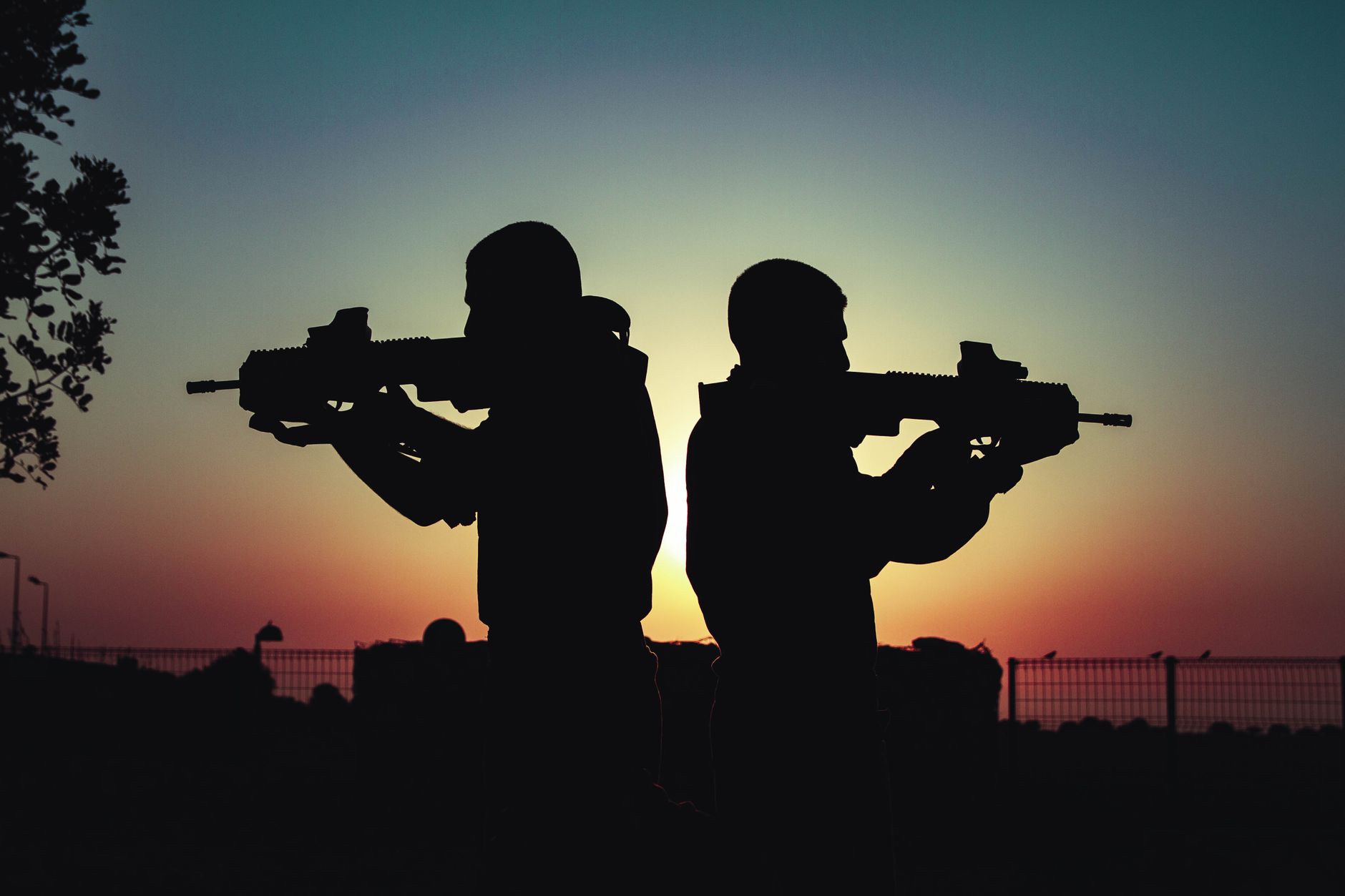
- A comprehensive ceasefire agreement has been officially reached and is slated for implementation between Israel and Lebanon, aiming to halt all forms of cross-border hostilities and significantly reduce military activities.
- International mediators played a pivotal role in facilitating the negotiations, working tirelessly to bridge divides and secure commitments from both governments to uphold the terms of the cessation of hostilities.
- The agreement includes provisions for enhanced monitoring mechanisms, likely involving international peacekeeping forces or observation missions, to ensure compliance and provide early warnings of any potential violations.
- Key objectives of the ceasefire extend beyond immediate security, encompassing efforts to foster economic stability and humanitarian aid access in border regions affected by prolonged conflict and displacement.
- The successful implementation of this ceasefire is anticipated to positively influence broader diplomatic dialogues, including potential impacts on ongoing negotiations related to Iran's nuclear program and regional security architecture.
- Both Israeli and Lebanese authorities have publicly expressed commitment to the agreement, though internal political considerations and the influence of non-state actors remain critical factors for long-term success.
The Policy History
The history of Israeli-Lebanese relations is deeply marked by conflict, spanning decades of intermittent warfare, border skirmishes, and political instability. The most significant confrontations include the 1982 Lebanon War, the 2006 Second Lebanon War, and numerous smaller-scale escalations. These events have resulted in substantial loss of life, widespread destruction, and protracted humanitarian crises, leaving a legacy of mistrust and animosity between the two nations. The underlying issues, including border disputes, the presence of Hezbollah in Lebanon, and the broader regional power dynamics involving Iran and Syria, have consistently fueled tensions and made lasting peace elusive.
Numerous attempts at establishing stable ceasefires and peace agreements have been made over the years, often facilitated by international bodies like the United Nations. UN Security Council Resolution 1701, adopted after the 2006 war, called for a cessation of hostilities, the disarmament of Hezbollah, and the deployment of additional Lebanese Armed Forces and UN peacekeepers. However, the full implementation of Resolution 1701 has been hampered by persistent violations from various actors and a lack of political will to address the core security concerns of both sides. Each breakdown has reinforced the cycle of violence, making future agreements even more challenging to achieve and sustain.
The current agreement emerges from a complex geopolitical landscape, influenced by shifting regional alliances, the ongoing global focus on Iran's nuclear ambitions, and a desire by many international powers to stabilize the Middle East. The recent surge in cross-border incidents likely served as a catalyst, prompting renewed diplomatic urgency to prevent a wider conflagration. The success of this ceasefire will hinge on its ability to address the immediate security concerns while also laying the groundwork for a more comprehensive political dialogue that tackles the deep-seated grievances and security dilemmas that have plagued the region for generations.
Who Is Affected
The populations residing in the border regions of both Israel and Lebanon are the most immediate beneficiaries of a successful ceasefire. These communities have lived under the constant threat of violence, enduring frequent evacuations, property damage, and psychological distress. For years, their daily lives have been dictated by security alerts and the fear of escalation, severely impacting their economic activities, social fabric, and overall quality of life. A sustained cessation of hostilities offers them the prospect of returning to normalcy, rebuilding their lives, and fostering a sense of security that has long been absent.
Beyond the immediate border communities, the broader national populations of Israel and Lebanon are also significantly affected. For Israel, a stable northern border reduces security expenditure and allows for greater focus on other strategic priorities. For Lebanon, a cessation of conflict could alleviate immense economic pressure, facilitate reconstruction efforts, and potentially reduce the influence of armed non-state actors that often thrive in environments of instability. The political leadership in both countries will also be closely watched, as the success or failure of the ceasefire will have direct implications for their domestic standing and regional influence.
Internationally, key global powers and regional actors have a vested interest in the outcome of this ceasefire. Nations involved in mediating the agreement, such as the United States, France, and the United Nations, are keen to see it succeed as a demonstration of diplomatic efficacy and a step towards broader Middle East stability. Furthermore, the impact on ongoing negotiations concerning Iran's nuclear program cannot be overstated; a de-escalation between Israel and Lebanon could create a more conducive atmosphere for progress in those complex talks, while continued hostilities could complicate them further. The stability of the region affects global energy markets and international security, making this a matter of global concern.
The Case For
The primary argument for implementing and upholding this ceasefire rests on the immediate reduction of violence and the prevention of further loss of life and destruction. For communities living under constant threat, any cessation of hostilities is a lifeline, offering a desperately needed period of peace and security. This pause allows for humanitarian aid to reach affected populations, enables the return of displaced individuals, and provides an opportunity for psychological healing and rebuilding lives shattered by conflict. The economic benefits are also substantial, as border regions can begin to recover, trade can resume, and resources previously diverted to military readiness can be redirected towards development.
Furthermore, a successful ceasefire can serve as a crucial confidence-building measure, potentially paving the way for more substantive diplomatic engagement between Israel and Lebanon. It demonstrates that dialogue, even amidst deep-seated animosity, can yield positive results. This de-escalation can also have a positive spillover effect on broader regional stability, creating a more favorable environment for addressing other critical issues, such as the Iranian nuclear program. By reducing a significant source of regional tension, the ceasefire contributes to a less volatile Middle East, which is a shared interest of many international actors seeking to prevent wider conflicts.
From a strategic perspective, a stable northern border allows Israel to reallocate security resources and attention to other pressing threats, while Lebanon can focus on internal reconstruction and economic recovery, potentially diminishing the influence of non-state armed groups. The international community, which has invested significant diplomatic capital in brokering this agreement, has a strong incentive to ensure its success to bolster its own credibility and advance its broader objectives of regional peace and security. The potential for a more predictable and less volatile relationship between Israel and Lebanon offers a rare opportunity for progress in a historically intractable conflict.
The Case Against
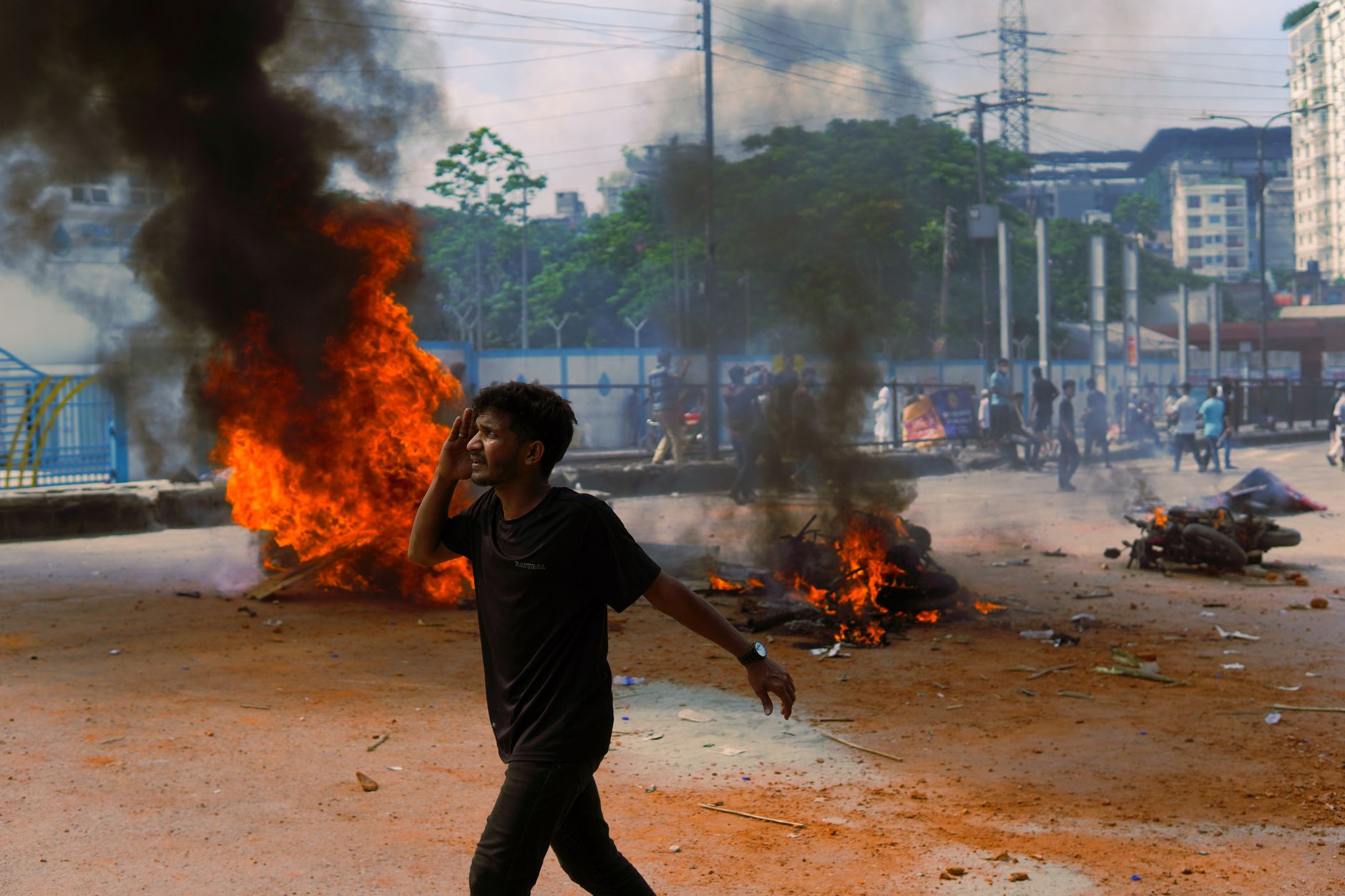
The most significant argument against the long-term viability of this ceasefire stems from the deep historical animosity and unresolved political grievances between Israel and Lebanon. Past agreements have frequently collapsed due to a lack of trust and the persistent underlying issues, such as border disputes and the role of non-state actors like Hezbollah. The fragile nature of such accords means that a single significant incident or provocation could easily reignite hostilities, undoing months or years of diplomatic effort and returning the region to a state of heightened tension and potential conflict.
Moreover, the influence of powerful non-state actors, particularly Hezbollah in Lebanon, poses a substantial challenge to any formal ceasefire agreement. Hezbollah operates with a degree of autonomy and maintains a significant military capacity, often acting independently of the Lebanese government's full control. Their strategic objectives may not always align with the state's pursuit of peace, and their actions could undermine the ceasefire, even if the official governments remain committed. This complex dynamic makes enforcement and accountability particularly difficult, as attributing responsibility for violations can be contentious.
There is also the risk that a ceasefire, while preventing immediate violence, might freeze the status quo without addressing the root causes of the conflict, thereby failing to achieve a lasting resolution. This could lead to prolonged periods of tense calm punctuated by renewed outbreaks of violence. Additionally, external regional powers with competing interests might seek to exploit or undermine the ceasefire to advance their own agendas, further complicating the security landscape. The international community's ability to effectively monitor and enforce the agreement, especially in the face of determined spoilers, remains a critical question mark.

Policy Questions Answered
Implementation Watch
The initial phase of the ceasefire's implementation will be critical, focusing on adherence to the cessation of all military activities and the establishment of effective communication channels. International monitoring bodies are already deploying or enhancing their presence to observe compliance and report any deviations. Both governments have publicly committed to the agreement, but the true test lies in the actions on the ground and the response to any minor incidents that inevitably arise in such volatile environments. Any early violations, regardless of intent or scale, could quickly erode confidence and jeopardize the entire accord.
A key area to watch will be the behavior of non-state actors, particularly Hezbollah, and the Lebanese government's capacity and willingness to control their activities. The extent to which the Lebanese state can enforce the ceasefire across its territory, especially in the south, will be a significant factor. Simultaneously, Israel's response to any provocations or perceived threats will be closely scrutinized. The international community, including the UN and key mediating nations, will be tasked with diplomatic engagement to de-escalate tensions should any breaches occur, reinforcing the importance of continued diplomatic support.
Longer-term, the focus will shift to whether this ceasefire can serve as a foundation for more substantial political dialogue and confidence-building measures. Progress in areas such as border demarcation, prisoner exchanges, or addressing humanitarian concerns could signal a genuine commitment to lasting peace. Conversely, a return to a tense stalemate, where hostilities are merely suppressed rather than resolved, would indicate that the ceasefire is merely a temporary pause. The international community's sustained engagement, including potential economic or reconstruction aid conditional on continued peace, will be vital in incentivizing adherence and fostering stability.












Comments
No comments yet. Be the first to comment!