


Policy Snapshot
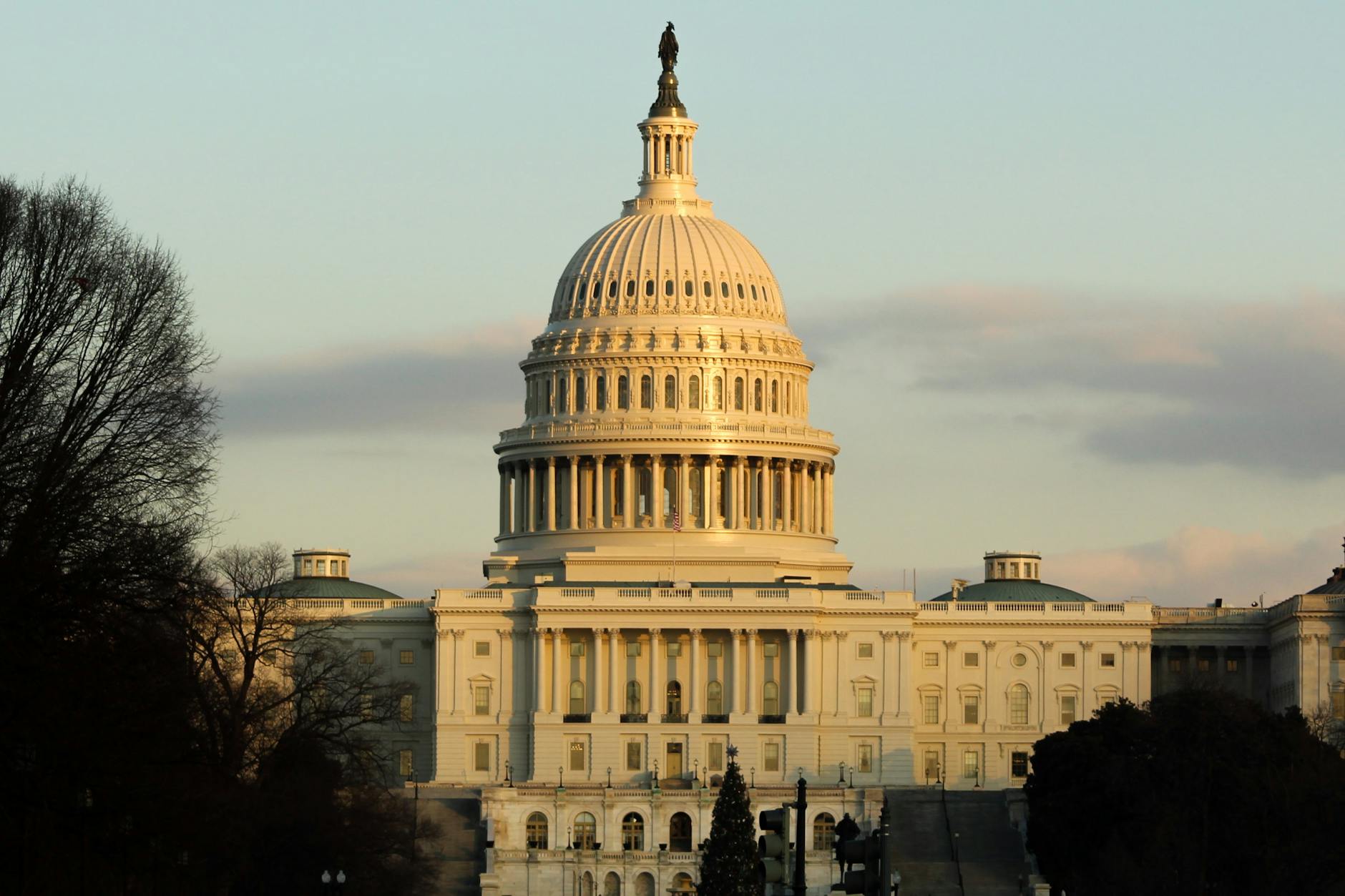
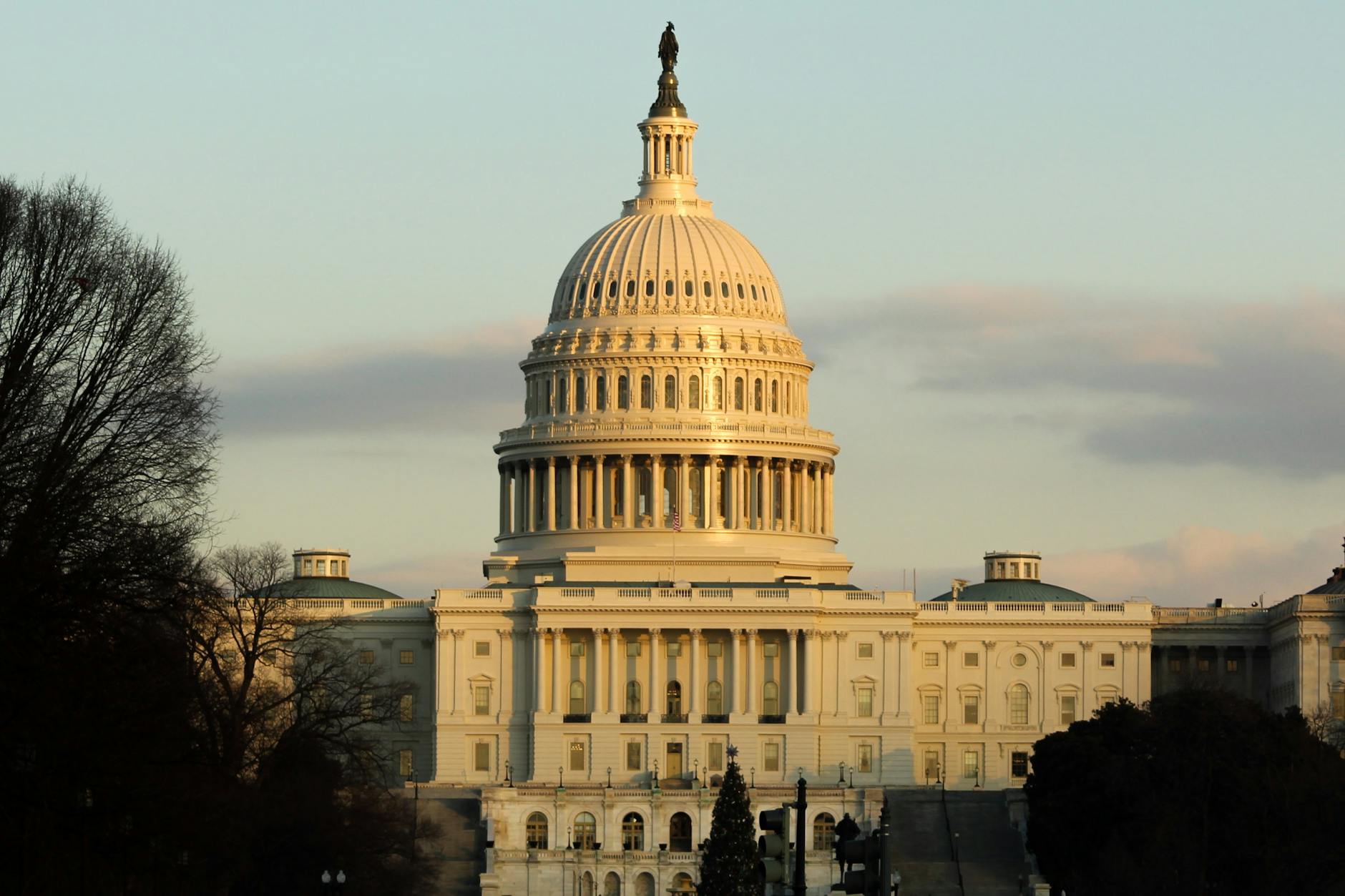
- The U.S. House of Representatives passed a resolution to terminate President Trump's authority to use military force against Iran without prior congressional authorization, marking a significant check on executive power.
- This legislative action directly challenges the President's unilateral decision-making capabilities regarding foreign military engagements, emphasizing the constitutional role of Congress in declaring war and authorizing the use of force.
- The resolution's passage underscores a bipartisan concern among some lawmakers regarding the escalating tensions with Iran and the potential for a wider conflict that has not been adequately debated or approved by elected representatives.
- Supporters of the resolution argue it is a crucial step to prevent an "endless war" and to reassert congressional oversight, ensuring that any military action is a deliberate, well-considered decision with broad support, not an impulsive presidential directive.
- Opponents, including the Trump administration, contend that such resolutions undermine the President's constitutional authority as Commander-in-Chief and could embolden adversaries by signaling a lack of resolve or clear strategic direction from the U.S.
- The vote's outcome, while a victory for those seeking to limit executive war powers, faces an uncertain future in the Senate, where its passage is far from guaranteed, highlighting the deep partisan divisions on national security and foreign policy.
The Policy History
The U.S. relationship with Iran has been fraught with tension for decades, particularly following the 1979 Islamic Revolution and the subsequent hostage crisis. This long-standing animosity has manifested in various forms, including economic sanctions, diplomatic isolation, and proxy conflicts, creating a volatile geopolitical landscape. The 2015 Joint Comprehensive Plan of Action (JCPOA), negotiated under the Obama administration, aimed to curb Iran's nuclear program in exchange for sanctions relief, representing a significant diplomatic effort to de-escalate tensions. However, the Trump administration unilaterally withdrew from the JCPOA in 2018, reimposing stringent sanctions and adopting a policy of "maximum pressure," which dramatically heightened bilateral friction and increased the risk of direct confrontation.
The immediate catalyst for the House resolution was the Trump administration's authorization of a drone strike that killed Iranian General Qasem Soleimani in January 2020. This action, taken without prior notification to Congress and amidst escalating tensions following attacks on U.S. assets in Iraq attributed to Iran-backed militias, sparked intense debate about presidential war powers. Lawmakers from both parties expressed alarm over the lack of consultation and the potential for retaliatory strikes to spiral into a full-scale conflict. The War Powers Resolution of 1973, intended to limit the president's ability to commit U.S. armed forces abroad without congressional consent, became a central point of discussion, with proponents of the Iran resolution arguing that the Soleimani strike and subsequent military posture constituted an "escalation" requiring congressional review.
This legislative push reflects a broader, ongoing struggle in American foreign policy over the balance of power between the executive and legislative branches concerning the use of military force. For years, presidents have increasingly relied on broad interpretations of their authority as Commander-in-Chief, often utilizing existing authorizations for the use of military force (AUMFs) or asserting inherent executive powers to conduct military operations without explicit congressional approval. The vote on the Iran resolution is a direct attempt by the House to reassert its constitutional prerogative, arguing that the scale and scope of potential military actions against Iran demand a formal declaration of war or specific congressional authorization, thereby preventing an "endless war" scenario driven by executive discretion.
Who Is Affected
The most immediate and direct impact of this resolution falls upon members of the U.S. military, particularly those stationed in or near the Middle East. By seeking to limit the president's ability to initiate offensive military actions against Iran without congressional approval, the resolution aims to reduce the likelihood of U.S. service members being deployed into a direct conflict. This could mean fewer deployments to combat zones, reduced risk of casualties, and a more predictable operational environment. Families of service members would also experience a significant reduction in anxiety and uncertainty regarding potential deployments or escalations. The resolution, if it were to become law and be strictly adhered to, could fundamentally alter the risk calculus for engaging in hostilities, potentially sparing lives and resources.
The American public is profoundly affected by decisions regarding military engagement, both in terms of human cost and economic expenditure. A conflict with Iran, a major global oil producer, could lead to significant disruptions in energy markets, resulting in higher gasoline prices and broader economic instability. Furthermore, the financial burden of war is immense, diverting taxpayer dollars from domestic priorities such as infrastructure, healthcare, and education. By potentially averting a large-scale military confrontation, the resolution could safeguard American economic interests and allow for greater investment in domestic well-being. Conversely, a failure to project strength could, in the view of some, embolden adversaries, leading to indirect threats that also impact national security and economic stability.
The geopolitical landscape and international relations are also significantly impacted. A U.S. military conflict with Iran would have far-reaching consequences across the Middle East, potentially destabilizing fragile states, exacerbating regional rivalries, and fueling extremist ideologies. Allies and partners of the United States would be compelled to react, potentially drawing them into the conflict or forcing difficult diplomatic choices. Conversely, a move by Congress to assert its war powers could signal a return to more deliberative foreign policy, potentially strengthening alliances and restoring faith in U.S. commitment to diplomatic solutions. The resolution's passage, even if symbolic in the short term, influences perceptions of American foreign policy and the balance of power between branches of government.
The Case For
Proponents of the resolution argue forcefully that it is a necessary reassertion of Congress's constitutional authority to declare war and authorize the use of military force. They contend that the President, acting as Commander-in-Chief, has increasingly overstepped these boundaries, particularly in recent decades, leading to prolonged engagements without adequate public debate or legislative oversight. The potential for a large-scale conflict with Iran, with its devastating human and economic costs, necessitates a formal decision by the people's elected representatives, not an executive fiat. This perspective emphasizes that preventing an "endless war" requires robust congressional checks on presidential power, ensuring that military actions are strategic, proportionate, and aligned with national interests, rather than impulsive reactions.
Furthermore, advocates highlight the importance of transparency and accountability in foreign policy. The resolution aims to bring crucial decisions about war and peace into the public square, subject to the scrutiny of Congress and the American people. By requiring explicit authorization for offensive military operations against Iran, it forces a more thorough vetting of intelligence, strategic objectives, and potential consequences. This process, they argue, leads to more prudent and effective foreign policy, reducing the likelihood of costly mistakes driven by incomplete information or political expediency. The vote is seen as a vital step in restoring the balance of power and ensuring that the weighty decision to engage in armed conflict is made with the deliberation it deserves.
Another key argument centers on de-escalation and diplomatic engagement. Supporters believe that by limiting the president's unilateral war-making capacity, the resolution sends a clear signal to Iran and the international community that the U.S. is not seeking a wider conflict. This, in turn, can create space for diplomatic solutions and reduce the risk of miscalculation that could trigger hostilities. They contend that the administration's aggressive posture, particularly following the Soleimani strike, had pushed the region to the brink, and that congressional action is essential to pull back from the precipice. This approach prioritizes diplomacy and strategic restraint over military adventurism, aiming to secure U.S. interests through measured policy rather than forceful confrontation.
The Case Against
Opponents of the resolution, primarily within the administration and its allies, argue that it infringes upon the President's constitutional authority as Commander-in-Chief. They assert that the President must have the flexibility to respond decisively to threats against U.S. personnel and interests abroad without being hampered by potentially slow or politically motivated congressional deliberations. This viewpoint emphasizes that in a rapidly evolving security environment, delaying a response could be disastrous, emboldening adversaries and putting American lives at greater risk. They believe that the War Powers Resolution, even if intended to limit presidential action, should not be used to tie the hands of the executive in critical national security situations.
A significant concern raised by critics is that such a resolution could be perceived by adversaries as a sign of American weakness or division, potentially encouraging further aggression. By signaling a reluctance to use military force, the U.S. might inadvertently invite more provocative actions from Iran or its proxies. This perspective argues that a strong, unified front, with the President empowered to act swiftly, is a more effective deterrent. They believe that the resolution undermines the President's ability to project strength and maintain stability in a volatile region, potentially leading to greater instability in the long run.
Furthermore, some argue that the resolution is an inappropriate legislative intrusion into sensitive foreign policy and national security matters that are best left to the executive branch. They contend that members of Congress may lack the detailed intelligence and the nuanced understanding of geopolitical dynamics required to make split-second decisions about military engagement. This viewpoint suggests that Congress should trust the President's judgment in these matters and focus its efforts on providing resources and support, rather than attempting to micromanage military operations or dictate foreign policy through restrictive legislation. The focus, they argue, should be on supporting the Commander-in-Chief's efforts to protect national security.

Policy Questions Answered
Implementation Watch
The immediate challenge for implementing the intent behind the House resolution lies in its pathway through the Senate. Given the Republican majority and the administration's strong opposition, securing passage in the Senate is a formidable hurdle. Even if it were to pass, the executive branch's interpretation and adherence to such a resolution would be critical. Historically, presidents have found ways to interpret or work around congressional restrictions on war powers, often citing national security imperatives or inherent executive authority. Therefore, ongoing vigilance and clear communication from Congress regarding expectations for consultation and authorization will be paramount to ensuring the resolution has a tangible impact on U.S. policy towards Iran.
Beyond the legislative process, the resolution's effectiveness hinges on sustained political will and public awareness. Lawmakers who supported the measure must continue to press for accountability and transparency from the administration regarding any military actions or escalations involving Iran. Public engagement and advocacy groups play a crucial role in maintaining pressure on both the executive and legislative branches to prioritize diplomatic solutions and adhere to constitutional checks and balances. Without continued attention, the resolution risks becoming a symbolic gesture rather than a substantive shift in how the U.S. approaches potential military conflict, especially in high-stakes geopolitical situations.
Furthermore, the international community will be closely observing the U.S. domestic debate and its implications for regional stability. Allies and adversaries alike will assess whether this vote signals a genuine shift towards de-escalation and a more deliberative foreign policy, or if it represents a temporary political maneuver. The administration's response, both in its public statements and its actions on the ground, will be scrutinized for signs of compliance or defiance. Ultimately, the true implementation of the resolution's intent will be measured by whether it demonstrably reduces the risk of an unintended war with Iran and reinforces the principle of shared responsibility in decisions of war and peace.














Comments
No comments yet. Be the first to comment!