
Key Takeaways
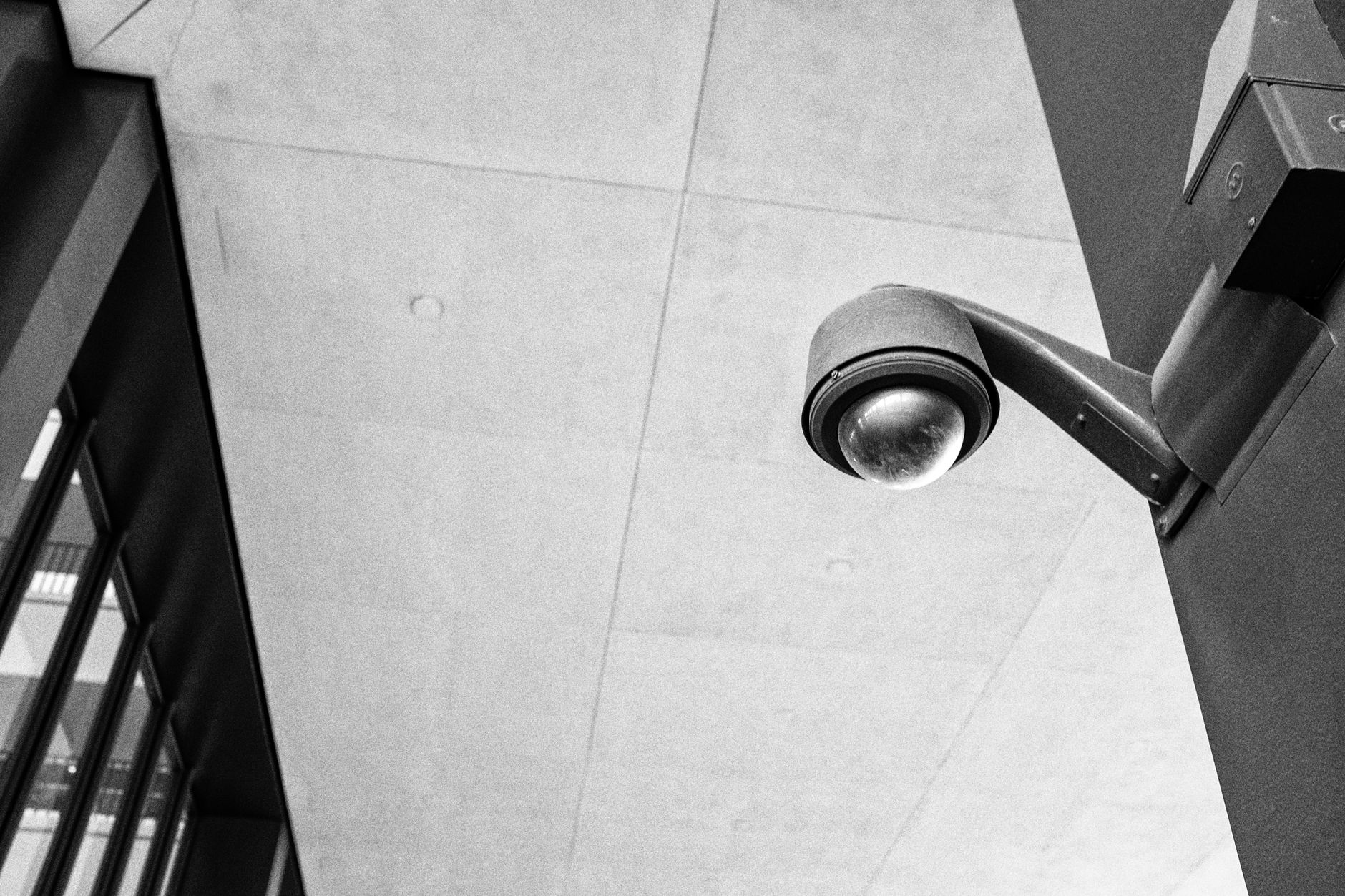
- A violent assault in Sydney allegedly involved the use of a CCTV camera as a weapon, marking a disturbing escalation in criminal tactics.
- Authorities are actively investigating the incident, with early reports suggesting a deliberate and forceful application of the surveillance equipment against an individual.
- This event raises critical questions about the security of public infrastructure and the potential for everyday objects to be repurposed for malicious acts.
- The incident highlights the vulnerability of urban environments and the need for robust security measures that account for innovative and unexpected forms of violence.
- Further details are expected as the police investigation progresses, with the community awaiting clarity on the motive and the full extent of the alleged crime.
- The case serves as a stark reminder of the unpredictable nature of crime and the challenges faced by law enforcement in maintaining public safety.
Background
Sydney's vibrant streets, usually bustling with activity and a sense of security, were the scene of a deeply unsettling event that has sent ripples of concern through the community. Reports have emerged detailing a violent assault where an object not typically associated with aggression – a CCTV camera – was allegedly wielded as a weapon. This incident, which occurred in a public space, has shocked onlookers and authorities alike, prompting an immediate and thorough investigation. The specifics of the attack are still being pieced together by law enforcement, but the initial accounts point towards a deliberate act of violence that repurposed surveillance technology for harmful intent. The nature of the assault and the choice of weapon suggest a level of premeditation and a disturbing ingenuity in criminal methodology, moving beyond conventional tools of violence.
The location of the incident, within the public sphere, amplifies the gravity of the situation. CCTV cameras are ubiquitous in urban landscapes, installed with the primary purpose of deterring crime and aiding in investigations by providing visual records. Their presence is meant to foster a sense of safety and order. However, this alleged misuse transforms a symbol of security into an instrument of fear and harm. The act challenges the very purpose of these devices and raises questions about their physical integrity and potential for tampering or repurposing. Investigators are meticulously examining the scene, gathering forensic evidence, and interviewing witnesses to establish a clear timeline and understand the sequence of events that led to this unusual and violent confrontation. The focus is on understanding how the camera was detached or utilized and the extent of the injuries sustained by the victim.
As the police delve deeper into the circumstances surrounding the assault, the broader implications begin to surface. This incident is not merely an isolated act of violence; it represents a potential shift in the tactics employed by perpetrators. The use of a CCTV camera as an offensive weapon suggests a willingness to exploit the urban environment in novel and dangerous ways. It forces a re-evaluation of security protocols and the physical vulnerabilities inherent in public infrastructure. Law enforcement agencies are under pressure to not only apprehend those responsible but also to understand the broader trend this might signify. The community, meanwhile, grapples with the unsettling reality that even the tools designed to protect them could potentially be turned against them, fostering a new layer of anxiety in public spaces.
Why It Matters
The alleged use of a CCTV camera as a weapon in Sydney transcends a single criminal act; it represents a significant escalation in the methods of violence and a disturbing commentary on the repurposing of public infrastructure. This incident is critical because it challenges the fundamental assumptions about the safety and utility of surveillance technology. Cameras, intended to be passive observers and deterrents, were allegedly transformed into active instruments of assault. This raises urgent questions about the physical security of these devices and the potential for them to be compromised or weaponized, turning a tool of security into a direct threat. The ramifications extend to public perception of safety in urban environments, potentially fostering a climate of fear and distrust.
Furthermore, this event underscores a worrying trend where perpetrators are becoming increasingly innovative and brazen in their criminal activities. The ability to detach or manipulate a CCTV camera for use as a weapon suggests a level of planning and resourcefulness that demands a proactive response from law enforcement and urban planners. It highlights the need to anticipate and counter unconventional threats that exploit the very fabric of our cities. The incident serves as a stark reminder that security measures must be dynamic and adaptable, capable of addressing not only traditional forms of crime but also novel and emergent threats that leverage the urban landscape in unexpected ways. The effectiveness of surveillance systems themselves is implicitly called into question.
The broader societal impact cannot be overstated. When objects designed for public safety become tools for violence, it erodes the sense of security that citizens are entitled to in public spaces. This incident forces a critical examination of how public infrastructure is designed, installed, and maintained, and whether current security protocols are sufficient to prevent such misuse. It necessitates a dialogue about the dual nature of technology – its capacity for both protection and harm – and the responsibility of authorities to mitigate the latter. The successful prosecution of those involved and the implementation of preventative measures are crucial not only for justice but also for restoring public confidence and reinforcing the integrity of our urban environments.
Ground Reality
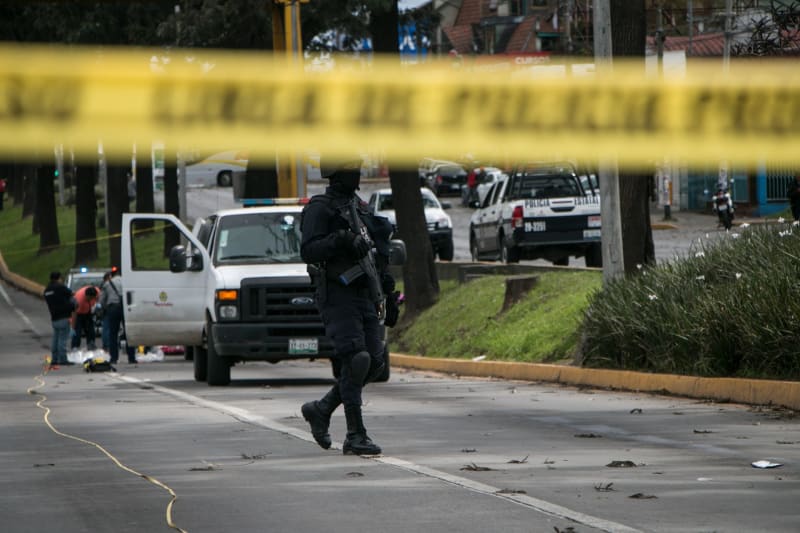
On the ground in Sydney, the aftermath of this alleged assault paints a complex picture of community concern and official response. Police have cordoned off the area where the incident occurred, meticulously gathering evidence and canvassing for witnesses. The physical presence of law enforcement underscores the seriousness with which the event is being treated. Local residents and business owners express a mixture of shock and apprehension, grappling with the unsettling notion that a familiar piece of urban infrastructure could be turned into an instrument of violence. Conversations in the community often revolve around the perceived safety of public spaces and the potential for such incidents to occur elsewhere, highlighting a palpable sense of unease that has settled over the area.
Investigators are working against the clock to piece together the full narrative of the assault. This involves detailed forensic analysis of the CCTV equipment itself, examining it for signs of tampering or damage that would indicate its use as a weapon. Furthermore, the review of existing CCTV footage from surrounding cameras is crucial, not only to identify the perpetrators but also to understand the sequence of events leading up to and following the alleged attack. The operational status of the compromised camera is also under scrutiny; understanding if it was functional at the time and how it was rendered usable as an offensive tool is key to the investigation. This meticulous process aims to establish irrefutable facts and build a strong case against those responsible.
The incident has inevitably sparked discussions about the physical robustness and security of public surveillance systems. While designed to withstand various environmental conditions, their capacity to resist deliberate, forceful repurposing as weapons is a new and concerning consideration. Security experts are likely to be consulted to assess vulnerabilities and recommend potential upgrades or modifications to existing installations. This ground-level reality necessitates a review of installation protocols, potential protective casings, and even the strategic placement of cameras to minimize their accessibility for malicious intent. The immediate focus remains on apprehending the individuals involved and ensuring justice for the victim, but the long-term implications for urban security infrastructure are profound.
What Experts Are Saying
Security analysts are expressing significant concern over the alleged weaponization of a CCTV camera, viewing it as a disturbing evolution in criminal tactics. Dr. Evelyn Reed, a specialist in urban security, noted, "This incident moves beyond vandalism or simple assault; it demonstrates a calculated intent to weaponize the very infrastructure designed to protect us. It forces us to reconsider the physical vulnerabilities of our networked urban environments and the potential for sophisticated actors to exploit them." Experts emphasize that while CCTV systems are robust, their mounting hardware and the cameras themselves are not typically designed to withstand forceful detachment and use as blunt instruments, suggesting a level of desperation or premeditation by the assailant. The psychological impact on the public, seeing tools of safety turned into instruments of harm, is also a significant factor being discussed.
Criminologists are analyzing the potential motives and the broader implications for crime trends. Professor Ben Carter, who studies emerging criminal methodologies, stated, "We are seeing a rise in opportunistic and creative violence. Perpetrators are increasingly looking for readily available objects in their environment that can be repurposed. The CCTV camera, being a prominent fixture in many public spaces, unfortunately, presents itself as a potential, albeit unconventional, weapon." He further elaborated that this could signal a shift towards more improvised attacks, making them harder to predict and prevent. The focus for law enforcement, according to Carter, must now include assessing the physical integrity of all public infrastructure and considering how it might be compromised or misused in unforeseen ways, necessitating a more holistic approach to urban safety planning.
Urban planning and infrastructure security experts are calling for a comprehensive review of public surveillance systems in light of this incident. Maria Sanchez, an infrastructure security consultant, commented, "While the primary function of CCTV is surveillance, its physical installation must also consider potential misuse. We need to evaluate mounting security, accessibility, and the potential for cameras to be forcefully removed and utilized offensively. This incident highlights a gap in our current security paradigms that prioritizes digital security over physical vulnerability in unexpected scenarios." Sanchez suggests that future installations might require more robust, tamper-proof casings and potentially strategic placement that limits easy access, ensuring that the tools meant to enhance public safety do not inadvertently become tools of danger.
Frequently Asked Questions
What Happens Next
The immediate future will likely see a concerted effort by law enforcement to apprehend the individuals involved in this disturbing assault. Investigators will meticulously analyze all collected evidence, including forensic data from the scene and any witness testimonies, to build a strong case. Public appeals for information may be issued if leads begin to dry up, encouraging anyone with knowledge of the incident to come forward. The focus will be on bringing those responsible to justice and providing a measure of closure for the victim, while also sending a clear message that such violent acts, particularly those involving the weaponization of public infrastructure, will not be tolerated.
Beyond the immediate apprehension of suspects, the incident is expected to prompt a thorough review of the physical security of CCTV installations across Sydney. Urban planners, security consultants, and government officials will likely collaborate to assess existing vulnerabilities and identify necessary upgrades. This could involve implementing stricter installation standards, exploring new tamper-resistant technologies, or reassessing the strategic placement of cameras to minimize accessibility. The goal will be to fortify public infrastructure against similar misuse, ensuring that surveillance systems remain effective tools for safety and do not become liabilities.
In the longer term, this event may contribute to a broader societal conversation about the dual nature of technology and the evolving landscape of urban crime. It serves as a potent reminder that innovation in criminal activity can often outpace preventative measures. Public discourse might shift towards demanding more resilient urban environments and a proactive approach to security that anticipates unconventional threats. The outcome of the investigation and any subsequent policy changes will be closely watched, as they will shape the future of public safety strategies in Sydney and potentially other major cities facing similar challenges.











Comments
No comments yet. Be the first to comment!