

What We Know
What We Do Not Know Yet
- The precise details of the border demarcation and withdrawal lines remain unspecified, creating potential for future disputes and territorial claims.
- The long-term sustainability of the ceasefire is uncertain, given the deep-seated animosities and the complex political landscape in both nations.
- The specific role and mandate of the international monitoring force, including their powers of enforcement and dispute resolution, are yet to be fully clarified.
- The extent of international guarantees and security assurances provided to both sides to uphold the ceasefire is not publicly disclosed.
- The impact of the ceasefire on ongoing regional proxy conflicts and the broader geopolitical dynamics involving Iran and its allies is yet to be determined.
- The timeline for the return of displaced populations and the commencement of reconstruction efforts in the heavily damaged border areas has not been established.
Background
The current escalation is rooted in decades of unresolved conflict and mutual distrust between Israel and Lebanon, exacerbated by the presence of Hezbollah on the Lebanese side of the border. Hezbollah, a powerful militant group and political party, possesses a significant arsenal and has engaged in frequent skirmishes with Israeli forces, viewing itself as a key part of the 'resistance' against Israeli occupation and actions. These exchanges, often triggered by specific incidents like alleged Israeli strikes in Syria or Lebanon, or by cross-border attacks attributed to Hezbollah, have historically been contained but have recently intensified to a level not seen in years, prompting widespread international concern about a potential full-blown war.
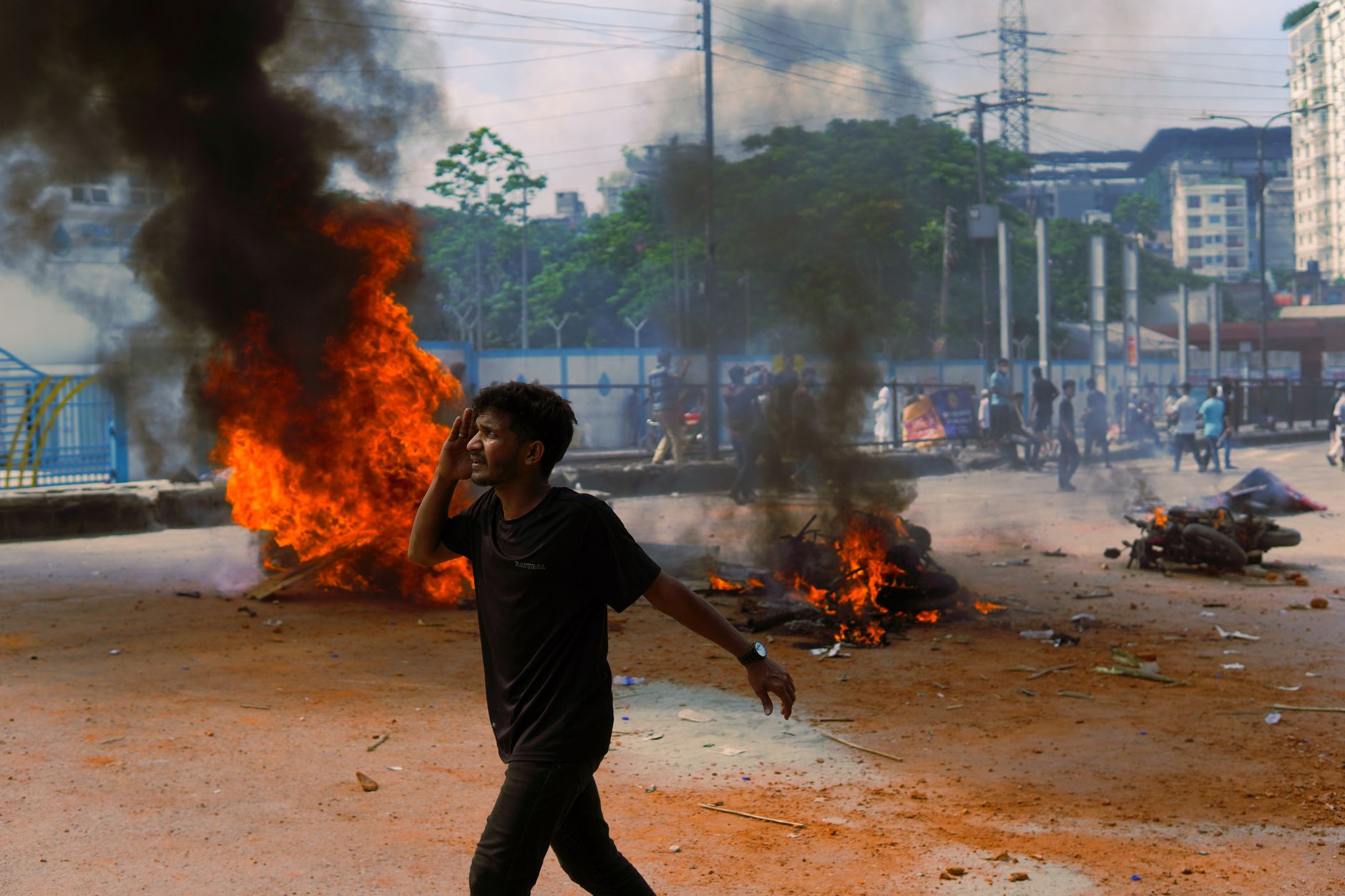
The recent surge in hostilities has led to significant casualties on both sides, with civilians bearing the brunt of the violence. Homes, infrastructure, and agricultural lands have been damaged or destroyed, forcing thousands to flee their homes in border communities. The economic impact is also severe, with livelihoods disrupted and a climate of fear pervading the region. International diplomatic efforts have been ongoing, with the United Nations, the United States, and other European nations actively engaging with Lebanese and Israeli officials to de-escalate the situation and prevent further bloodshed. The fragile nature of the Lebanese state, grappling with its own internal political and economic crises, adds another layer of complexity to managing the conflict.
Hezbollah's stated objective has been to deter Israeli aggression and support Palestinian resistance, often framing its actions within a broader regional struggle against Israeli influence. Israel, in turn, cites its right to self-defense and the need to neutralize threats emanating from its northern border, particularly the missile capabilities of Hezbollah. This cycle of action and reaction has created a volatile environment where any miscalculation or unintended escalation could have catastrophic consequences. The involvement of regional powers, particularly Iran, which provides significant support to Hezbollah, further complicates the geopolitical calculus and raises the stakes considerably.
Why It Matters
The potential for a full-scale war between Israel and Lebanon cannot be overstated, given the military capabilities of both sides and the deep-seated animosity that fuels their conflict. Such a war would undoubtedly result in widespread devastation, significant loss of life, and a humanitarian crisis of immense proportions, displacing millions and overwhelming regional aid capacities. The economic repercussions would be catastrophic, not only for the immediate belligerents but also for neighboring countries and global markets, disrupting trade routes and energy supplies.
Beyond the immediate theater of conflict, a wider war between Israel and Lebanon would have profound implications for regional stability and global security. It could draw in other regional actors, potentially igniting a broader conflagration that engulfs the Middle East, a region already fraught with instability and numerous ongoing conflicts. The involvement of non-state actors like Hezbollah, backed by state sponsors, further complicates the conflict's dynamics and raises the specter of asymmetric warfare and prolonged insurgency, making any lasting resolution exceptionally difficult to achieve.
The international community's response to this ceasefire agreement is a critical test of its ability to manage escalating geopolitical tensions and prevent humanitarian disasters. The success or failure of this fragile truce will set a precedent for future conflict resolution efforts in the region and beyond. A sustained period of peace, however tenuous, could open avenues for dialogue and de-escalation, offering a glimmer of hope for lasting stability. Conversely, a relapse into conflict would underscore the limitations of international diplomacy and the persistent challenges of achieving lasting peace in a complex and volatile geopolitical landscape.
Timeline of Events
- Early August: A series of cross-border incidents, including rocket fire from Lebanon into Israel and Israeli retaliatory airstrikes, mark a significant uptick in hostilities.
- Mid-August: Hezbollah launches a series of drone attacks and missile barrages targeting Israeli military installations and border communities, escalating tensions further.
- Late August: International mediators intensify diplomatic efforts, engaging with officials in Beirut and Jerusalem to broker an immediate cessation of hostilities.
- Early September: Reports emerge of intensive back-channel communications and preliminary agreements on de-escalation principles between the parties.
- Mid-September: A formal ceasefire agreement is announced, with both Israel and Lebanon publicly confirming their commitment to halting all military operations.
- Post-Ceasefire: International observers begin monitoring the border, and initial reports suggest a reduction in violence, though vigilance remains high.

Rapid-Fire Q&A
What Is Coming
- Intensified diplomatic efforts will focus on solidifying the ceasefire and establishing clear mechanisms for dispute resolution to prevent future escalations.
- International monitoring forces will likely increase their presence and surveillance capabilities along the border to ensure compliance and deter violations.
- Humanitarian aid organizations will begin assessing the damage and planning reconstruction efforts in the affected border regions of both countries.
- Political analysts will closely monitor internal developments within Lebanon and Israel for any signs of dissent or renewed aggression from hardline factions.
- Regional powers, particularly Iran, will be closely watched for their reactions and any potential influence they may exert on Hezbollah's adherence to the ceasefire.
- The international community will assess the long-term implications of this fragile peace for regional security architecture and future conflict prevention strategies.










Comments
No comments yet. Be the first to comment!