
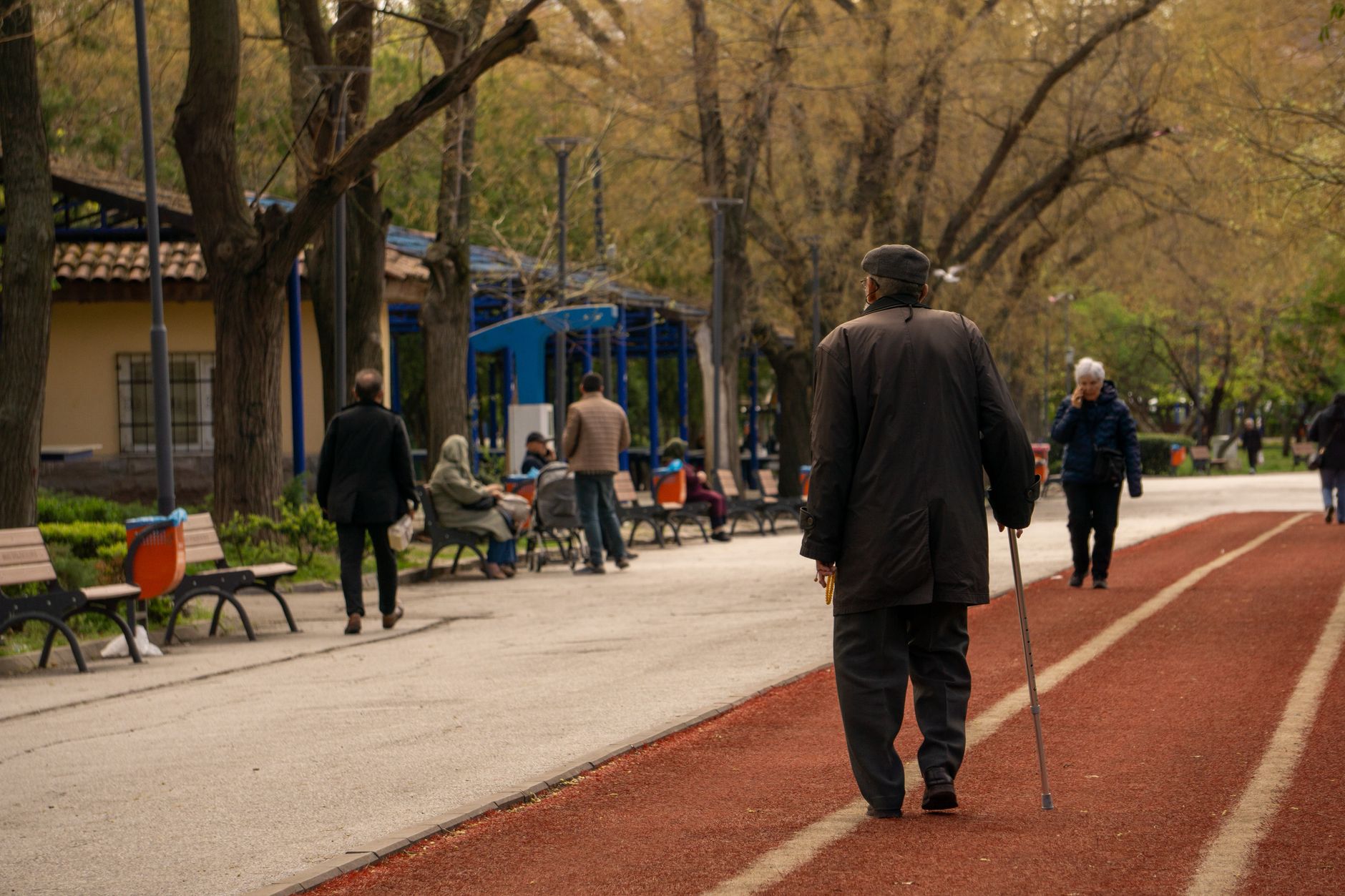

The Story in Brief
- Globally, a significant demographic shift is underway as the proportion of individuals aged 65 and older continues to rise at an accelerated pace, presenting unprecedented societal and economic challenges for nations worldwide.
- This aging trend, driven by increased life expectancy and declining fertility rates, necessitates a fundamental re-evaluation of healthcare systems, pension plans, labor markets, and social support structures to ensure the well-being of an expanding senior population.
- Countries are increasingly facing the dual challenge of supporting a larger elderly demographic while simultaneously managing the economic contributions of a potentially shrinking working-age population, demanding innovative policy solutions and strategic foresight.
- The implications extend beyond national borders, influencing global migration patterns, international relations, and the very fabric of intergenerational equity as societies adapt to these profound demographic transformations.
- Understanding the specific national contexts, from resource-rich to developing economies, is critical for tailoring effective responses to the aging phenomenon and fostering inclusive societies that value and support all age groups.
- Proactive measures in areas like preventative healthcare, lifelong learning, and age-friendly infrastructure are becoming paramount to mitigate potential strains and harness the experience and wisdom of older citizens.
The Human Face
The aging of populations is not merely a statistical trend; it represents a profound transformation in the lived experiences of millions. For many seniors, this stage of life brings increased needs for healthcare, social engagement, and financial security. The challenge lies in ensuring that as people live longer, they do so with dignity, independence, and access to essential services. This involves creating supportive environments, whether through accessible housing, community programs, or robust healthcare networks, that enable older adults to remain active and connected members of society.
Intergenerational relationships are also being reshaped. As the proportion of older adults grows, the dynamics between younger and older generations evolve. This can manifest in increased caregiving responsibilities for middle-aged adults, shifts in family structures, and new forms of social interaction. Fostering understanding and mutual respect across age groups is vital to prevent social fragmentation and ensure that the contributions of seniors are recognized and valued, moving beyond stereotypes to appreciate the diverse skills and experiences they offer.
The personal impact of aging is deeply varied, influenced by socioeconomic status, geographic location, and individual health. While some seniors enjoy comfortable retirements with ample resources and support, others face significant challenges, including poverty, isolation, and chronic health conditions. Addressing these disparities requires targeted interventions that provide safety nets, promote health equity, and ensure access to meaningful social participation for all older individuals, regardless of their background.
How We Got Here
The dramatic increase in global life expectancy over the past century is a testament to advancements in public health, medicine, and living standards. Reductions in infant mortality, effective treatments for infectious diseases, and improved nutrition have allowed more people to survive into old age than ever before. This success story, however, has created a new demographic reality where a larger segment of the population is concentrated in the older age brackets, shifting the age pyramid significantly.
Concurrently, fertility rates have declined in many parts of the world, particularly in developed and rapidly developing nations. Factors such as increased access to education and family planning, changing societal norms regarding women's roles, and economic considerations have led to fewer births per woman. This dual effect – more people living longer and fewer young people being born – fundamentally alters the age structure of populations, leading to a higher proportion of seniors.
These demographic shifts are not uniform across the globe. While many developed countries have been experiencing aging populations for decades, developing nations are now witnessing this trend accelerate, often with less developed infrastructure to cope. The speed at which some countries are aging presents unique challenges, requiring rapid adaptation of social and economic policies to manage the transition effectively and avoid overwhelming existing systems.
Why This Cannot Be Ignored
The escalating number of senior citizens places immense pressure on public and private healthcare systems. With age comes a higher likelihood of chronic diseases, requiring long-term care, specialized medical attention, and increased pharmaceutical spending. If not adequately prepared, healthcare infrastructures can become overwhelmed, leading to longer wait times, reduced quality of care, and unsustainable financial burdens for governments and individuals alike, impacting the health outcomes for all age groups.
Economically, an aging population presents a complex set of challenges and opportunities. A larger senior cohort can strain pension systems and social security programs as the ratio of retirees to active workers shifts unfavorably. Furthermore, a shrinking workforce may lead to labor shortages and slower economic growth. However, older adults also represent a significant consumer market and possess valuable experience and skills that can be leveraged through continued engagement in the workforce or volunteer activities.
Socially, the aging demographic necessitates a rethinking of community structures and intergenerational dynamics. Ensuring seniors remain integrated, active, and supported is crucial to prevent isolation and maintain social cohesion. This requires investing in age-friendly cities, accessible transportation, and programs that foster social interaction and lifelong learning. Failure to address these social aspects can lead to increased loneliness, reduced quality of life for older adults, and a less vibrant society overall.
Possible Paths Forward
Governments and institutions must proactively reform pension and social security systems to ensure their long-term solvency and adequacy. This could involve adjusting retirement ages, encouraging private savings, and exploring innovative funding mechanisms. Simultaneously, strengthening healthcare systems with a focus on preventative care, chronic disease management, and accessible long-term care options is paramount to meet the growing needs of an older population without bankrupting the system.
Labor market policies need to adapt to harness the potential of older workers. This includes promoting flexible work arrangements, combating age discrimination, and investing in retraining and upskilling programs that allow seniors to remain productive and engaged. Encouraging lifelong learning and creating opportunities for older adults to contribute their skills and experience can mitigate labor shortages and boost economic vitality.
Creating age-friendly communities is essential for enhancing the quality of life for seniors and fostering intergenerational harmony. This involves designing cities and towns with accessible infrastructure, safe public spaces, and robust social support networks. Promoting social inclusion through community programs, volunteer opportunities, and intergenerational activities can combat isolation and ensure older adults remain valued and active participants in society.

Questions People Are Actually Asking
What to Watch
- Monitor national policy responses to pension reform and healthcare sustainability, as these are critical indicators of a country's preparedness for an aging demographic.
- Observe trends in labor force participation among individuals aged 60 and above, particularly any shifts towards flexible work arrangements or continued employment.
- Track investments in age-tech and assistive technologies designed to support independent living and improve the quality of life for older adults.
- Pay attention to the development of 'age-friendly' urban planning initiatives and community programs aimed at fostering social inclusion for seniors.
- Analyze international comparisons of demographic trends and policy effectiveness to identify best practices for managing population aging.
- Examine the impact of aging populations on global economic productivity, innovation, and consumer markets in the coming decade.











Comments
No comments yet. Be the first to comment!