

The Story in Brief
- MTN South Sudan has launched a comprehensive campaign dedicated to bolstering maternal and child health services across the nation, addressing critical gaps in care.
- The initiative focuses on improving access to essential healthcare, including prenatal care, safe delivery services, and postnatal support for mothers and newborns facing significant risks.
- This campaign aims to reduce the alarmingly high rates of maternal and child mortality by providing vital resources, training healthcare professionals, and enhancing the infrastructure of health facilities.
- By investing in the health of mothers and children, MTN seeks to foster a healthier future for South Sudan, recognizing that this demographic is fundamental to the country's long-term development and stability.
- The program will involve community outreach, education on health best practices, and the distribution of necessary medical supplies to reach underserved populations, particularly in remote areas.
- Collaboration with local health authorities and international organizations is a cornerstone of the campaign, ensuring a coordinated and sustainable approach to tackling complex health challenges.
The Human Face
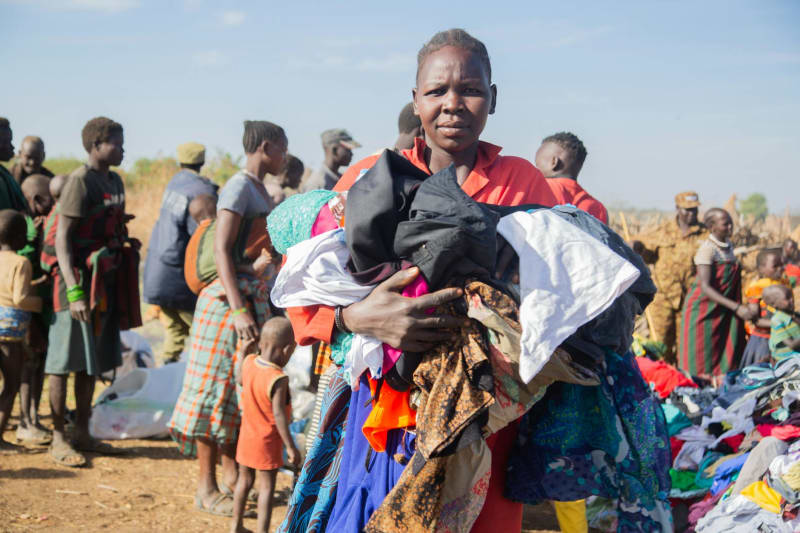
In the heart of South Sudan, countless mothers face the profound risk of childbirth with inadequate medical support, a reality that MTN's new campaign seeks to fundamentally alter. Many women in remote villages lack access to even basic prenatal check-ups, let alone skilled birth attendants or emergency obstetric care. The journey to a health facility can be perilous, often hampered by poor infrastructure and long distances, forcing many to rely on traditional methods that carry immense risks. The fear of complications, such as hemorrhage or obstructed labor, is a constant companion during pregnancy, casting a shadow over what should be a joyous anticipation of new life. This campaign is more than just a health initiative; it's a beacon of hope, aiming to ensure that every mother has the opportunity for a safe delivery and that every newborn has a fighting chance.
The impact of this crisis extends beyond individual families, affecting entire communities and the nation's future. Children born into these challenging circumstances often suffer from malnutrition and are more susceptible to preventable diseases, perpetuating a cycle of poor health. When mothers survive childbirth but face complications or lack postnatal care, their ability to care for their newborns is severely compromised, leading to increased infant mortality. The emotional and economic toll on families who lose a mother or child is immeasurable. MTN's intervention, therefore, represents a critical investment in human capital, recognizing that the well-being of mothers and children is intrinsically linked to the social and economic progress of South Sudan.
Through targeted interventions like mobile clinics, community health worker training, and the provision of essential medical supplies, MTN aims to bridge the gap between desperate need and accessible care. Imagine a mother in a remote area receiving vital prenatal vitamins and information about danger signs during pregnancy, or a rural clinic being equipped with the necessary tools to manage postpartum bleeding. These are not abstract goals but tangible improvements that can save lives daily. The campaign's success will be measured not just in statistics, but in the stories of mothers who safely welcome their babies and children who grow up healthy and strong, thanks to the support provided.
How We Got Here
South Sudan's healthcare system has been severely undermined by decades of conflict, political instability, and underdevelopment, creating a fragile environment where essential services struggle to function. The prolonged civil war led to the destruction of infrastructure, displacement of populations, and a significant brain drain of skilled medical professionals. Even after the peace agreement, the nation continues to grapple with widespread poverty, food insecurity, and recurrent humanitarian crises, all of which disproportionately affect maternal and child health. Limited government funding, coupled with challenges in resource allocation and management, has resulted in a chronic shortage of medicines, equipment, and trained personnel, particularly in rural and conflict-affected areas. This systemic weakness leaves a vast majority of the population vulnerable.
The specific challenges faced by mothers and children are stark: extremely low rates of skilled birth attendance, limited access to family planning services, and a high prevalence of preventable diseases like malaria, pneumonia, and diarrheal illnesses. Malnutrition is rampant, weakening both mothers and infants and increasing their susceptibility to infections. Furthermore, cultural practices and geographical barriers often prevent women from seeking timely medical attention, even when services are theoretically available. The lack of reliable transportation and communication networks exacerbates these issues, making it incredibly difficult to deliver emergency care or consistent health education to those most in need. These compounding factors have created a critical situation demanding urgent and sustained intervention.
Recognizing this dire situation, organizations like MTN have stepped in to fill critical gaps where government capacity is stretched thin. The decision to launch a dedicated maternal and child health campaign is a response to the persistent and urgent calls for assistance from communities and health workers on the ground. It acknowledges that the private sector has a role to play in addressing social determinants of health and contributing to national development goals. This campaign is built upon previous efforts by various NGOs and international bodies, aiming to provide a more focused and potentially scalable solution to a problem that has plagued South Sudan for years, seeking to build upon existing knowledge and networks to maximize impact.
Why This Cannot Be Ignored
The staggering rates of maternal and child mortality in South Sudan represent a profound human tragedy and a critical impediment to the nation's development. Every day, mothers die during childbirth due to preventable causes, leaving behind grieving families and vulnerable newborns. Similarly, countless children succumb to diseases that are easily treatable or preventable with basic healthcare interventions. Ignoring this crisis means accepting a future where a significant portion of the population is lost before reaching their full potential, perpetuating cycles of poverty and instability. The loss of a mother has devastating consequences, not only emotionally but also economically, as she is often the primary caregiver and a vital contributor to household well-being.
Investing in maternal and child health is not merely an act of charity; it is a strategic imperative for building a resilient and prosperous society. Healthy mothers are better equipped to raise healthy children, who in turn become productive members of society. Improved maternal and child health outcomes lead to reduced healthcare burdens in the long term, lower rates of chronic illness, and increased educational attainment. Furthermore, empowering women with access to healthcare and reproductive health services contributes to gender equality and broader social progress. Addressing this crisis head-on is essential for achieving sustainable development goals and ensuring that South Sudan can overcome its challenges and build a brighter future for all its citizens.
The international community and local stakeholders must recognize that the situation in South Sudan demands immediate and sustained attention. The ongoing humanitarian needs, coupled with the specific vulnerabilities of mothers and children, create a complex challenge that requires a multi-faceted approach. MTN's campaign, by focusing on tangible improvements in healthcare access and quality, offers a crucial pathway to mitigating these devastating losses. Failure to act decisively will condemn generations to preventable suffering and hinder any meaningful progress towards stability and prosperity. This is a critical juncture where intervention can make a life-saving difference.
Possible Paths Forward
MTN's campaign represents a vital step, but sustainable improvement requires a multi-pronged strategy that extends beyond a single initiative. Continued investment in training and retaining skilled healthcare professionals, particularly midwives and nurses, is paramount. This includes offering competitive salaries, professional development opportunities, and safe working environments to prevent the exodus of talent. Furthermore, strengthening the supply chain for essential medicines and medical equipment is crucial, ensuring that facilities, even in remote areas, are consistently stocked with the necessary resources to provide quality care. Mobile clinics and outreach programs, like those MTN plans to implement, are essential for reaching geographically isolated populations who face the greatest barriers to accessing healthcare services.
Beyond direct healthcare provision, addressing the social determinants of health is critical. This involves implementing robust public health education programs focused on hygiene, nutrition, family planning, and recognizing danger signs during pregnancy and childbirth. Empowering community health workers to deliver this information and provide basic health services at the household level can significantly improve health-seeking behaviors and early detection of problems. Simultaneously, efforts must be made to improve infrastructure, including roads and communication networks, to facilitate access to health facilities, especially for emergency referrals. Addressing underlying issues like poverty and food insecurity through broader development initiatives will also contribute to better health outcomes for mothers and children.
Long-term success hinges on strong partnerships between the government, private sector, NGOs, and international organizations. Collaborative efforts can leverage diverse resources, expertise, and networks to create a more comprehensive and effective healthcare system. Policy reforms that prioritize maternal and child health, coupled with increased domestic funding for the sector, are essential for ensuring the sustainability of these interventions. MTN's campaign can serve as a catalyst, demonstrating the impact of focused investment and encouraging broader engagement. Ultimately, a sustained commitment to improving healthcare access, quality, and addressing underlying social factors will pave the way for a healthier future for South Sudan.

Questions People Are Actually Asking
What to Watch
- Monitor the rollout of mobile health clinics and outreach programs to assess their reach and effectiveness in serving remote populations across different regions of South Sudan.
- Track key performance indicators related to prenatal care uptake, skilled birth attendance rates, and postnatal care utilization in areas targeted by the MTN campaign.
- Observe the impact of the campaign on child health metrics, including immunization coverage rates and the management of common childhood illnesses and malnutrition.
- Assess the effectiveness of training programs for healthcare workers and community health volunteers deployed as part of the initiative, noting improvements in skills and service delivery.
- Evaluate the sustainability plans for the campaign, looking for evidence of integration with existing health systems and potential for long-term impact beyond the initial intervention period.
- Pay close attention to any reported challenges or successes in overcoming logistical hurdles, security concerns, or cultural barriers that may affect service delivery and community acceptance.
















Comments
No comments yet. Be the first to comment!