

What We Know
- The brutal murder of a teenage girl, identified as Lucia Perez, has sent shockwaves across Argentina, igniting widespread public outrage and renewed demands for justice and systemic change.
- This tragic event has revitalized the 'Ni Una Menos' (Not One Less) movement, a powerful feminist collective that has been at the forefront of protesting gender-based violence and femicide in the country for years.
- Reports indicate that the perpetrator, and potentially accomplices, have been apprehended by authorities, though the investigation is ongoing to ascertain the full extent of the crime and any contributing factors.
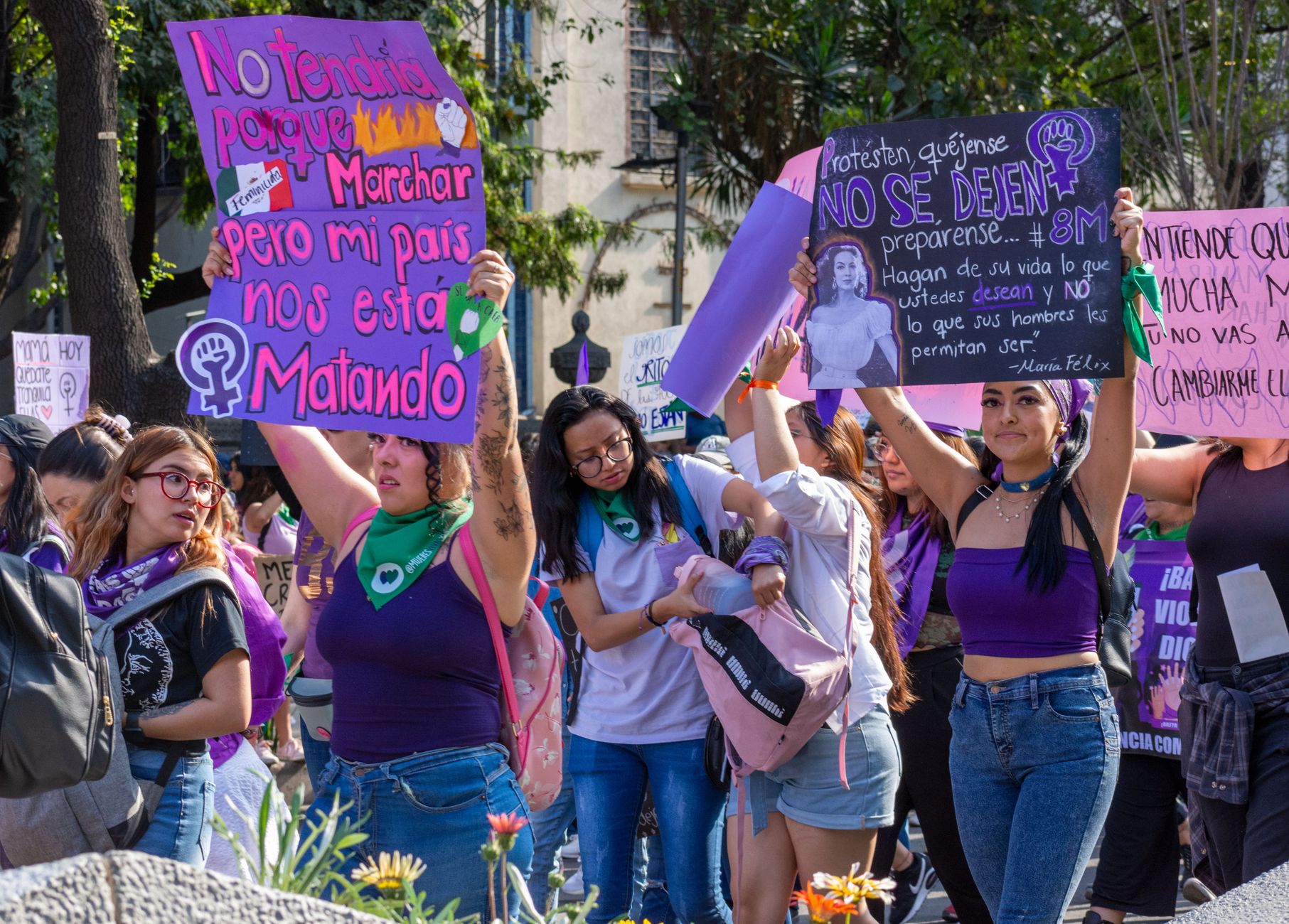
- The public response has been swift and vocal, with spontaneous protests erupting in major cities, including Buenos Aires, Rosario, and Cordoba, drawing thousands of demonstrators demanding accountability and concrete measures to combat femicide.
- Societal discourse has intensified around the pervasive nature of gender violence in Argentina, highlighting the deep-rooted patriarchal structures and systemic failures that allow such horrific acts to persist with alarming frequency.
- Political figures and human rights organizations have issued statements condemning the murder and urging the government to prioritize and implement more effective policies aimed at preventing femicide and protecting vulnerable individuals.
What We Do Not Know Yet
- The precise motives behind the murder remain under thorough investigation, with authorities working to uncover all contributing factors, including potential premeditation, personal vendettas, or other criminal elements involved.
- The full extent of any organized network or systemic issues that may have enabled or facilitated this specific crime is still being determined, as investigators explore all possible avenues.
- The long-term impact of this tragedy on the 'Ni Una Menos' movement's future strategies and its ability to mobilize sustained public pressure for legislative reform is yet to be fully assessed.
- The effectiveness and potential loopholes within existing legal frameworks and law enforcement protocols designed to prevent domestic violence and femicide are being critically examined in the wake of this incident.
- The specific socio-economic and psychological profiles of the perpetrators, and whether they exhibited prior warning signs or a history of violence that was missed or inadequately addressed, are crucial details still emerging.
- The comprehensive data on the frequency and patterns of femicide in Argentina, particularly concerning the vulnerability of minors and young women, requires further detailed analysis to inform targeted prevention efforts.
Background
Argentina has been grappling with a severe and persistent crisis of gender-based violence, with femicide rates consistently alarming. The 'Ni Una Menos' movement emerged in 2015 as a powerful response to this epidemic, galvanizing public opinion and demanding government action. This movement, characterized by massive street protests and widespread social media campaigns, has brought the issue of femicide to the forefront of national consciousness. It has pushed for legislative changes, including stricter laws against perpetrators and better support systems for victims, highlighting the systemic failures that contribute to the ongoing violence against women. The movement's activism has been instrumental in raising awareness about the various forms of gender violence, from domestic abuse to sexual assault and ultimately, murder, underscoring the urgent need for a cultural and political shift.
The recent murder of Lucia Perez, a young girl whose life was brutally cut short, has tragically echoed the circumstances of past femicides that have fueled national mourning and protest. Each such incident serves as a stark reminder of the deep-seated misogyny and patriarchal norms that continue to plague Argentine society. These acts of violence are not isolated incidents but rather symptoms of a larger societal problem that requires comprehensive solutions. Activists argue that the state has a fundamental responsibility to protect its citizens, particularly women and girls, from violence. They point to insufficient resources allocated to prevention programs, inadequate judicial responses, and a lack of effective educational initiatives aimed at challenging gender stereotypes and promoting respectful relationships. The persistence of femicide indicates a critical gap between policy intentions and on-the-ground realities, demanding a more robust and sustained commitment from all sectors of society.
The socio-political landscape in Argentina has been significantly shaped by the ongoing struggle against gender violence. While there have been legislative advancements and increased public discourse, the tangible reduction in femicide rates remains elusive. This has led to frustration and a sense of urgency among activists and the general public, who feel that current measures are insufficient to address the scale of the problem. The 'Ni Una Menos' movement continues to advocate for a national emergency declaration on gender violence, increased funding for victim support services, and mandatory training for law enforcement and judicial officials on gender sensitivity. The recent tragedy serves as a catalyst, potentially reigniting political will and public engagement to push for more decisive and effective interventions that go beyond symbolic gestures and address the root causes of violence against women.
Why It Matters
The relentless tide of femicides in Argentina represents a profound human rights crisis that demands immediate and unwavering attention. Each life lost, particularly that of a young individual like Lucia Perez, signifies a catastrophic failure of societal protection mechanisms and a deep wound inflicted upon the nation's conscience. This issue transcends mere statistics; it represents shattered families, traumatized communities, and a pervasive climate of fear that disproportionately affects women and girls. The persistence of such violence erodes the fundamental right to safety and security, hindering women's ability to participate fully and freely in public and private life. Addressing femicide is therefore not just a matter of public safety, but a crucial step towards achieving gender equality and building a just and equitable society for all its members.
The recurrence of femicides in Argentina underscores a critical breakdown in the systems designed to prevent and respond to gender-based violence. It highlights the urgent need for comprehensive and effective policies that go beyond reactive measures. This includes robust educational programs aimed at dismantling harmful gender stereotypes from an early age, accessible and well-funded support services for victims, and a justice system that is both responsive and sensitive to the complexities of gender violence. The failure to adequately address these issues not only perpetuates the cycle of violence but also signals a lack of societal commitment to valuing women's lives equally. The international community also watches closely, as Argentina's struggle reflects broader global challenges in combating gender inequality and violence.
The impact of femicide extends far beyond the immediate victims and their families, creating ripple effects throughout society. It fosters a climate of impunity that can embolden perpetrators and discourage victims from seeking help. Furthermore, the constant threat of violence can limit women's freedom of movement, their educational and economic opportunities, and their overall well-being. The mobilization spurred by tragic events like Lucia Perez's murder is vital, as it forces a national reckoning with the deep-seated issues that fuel gender-based violence. It serves as a powerful reminder that societal progress is intrinsically linked to the safety and empowerment of women, making the fight against femicide an essential component of any nation's development and stability.
Timeline of Events
- The tragic discovery of Lucia Perez's body marked the beginning of widespread public outcry and immediate demands for justice, quickly escalating into large-scale protests across Argentina.
- Within days of the initial discovery, authorities announced the arrest of key suspects, fueling a sense of urgency for a swift and thorough investigation into the circumstances surrounding the murder.
- Spontaneous demonstrations erupted in major cities, with thousands of citizens taking to the streets, many carrying signs and chanting slogans associated with the 'Ni Una Menos' movement, revitalizing its public presence.
- Political leaders and human rights organizations issued strong condemnations of the violence and called for immediate government action, including the implementation of more effective femicide prevention strategies and support for victims.
- The media extensively covered the unfolding events, amplifying public grief and anger, and reigniting national conversations about the persistent problem of gender-based violence and femicide in Argentina.
- The 'Ni Una Menos' collective and other feminist groups organized further planned demonstrations and awareness campaigns, aiming to leverage the current momentum to push for concrete legislative changes and policy reforms.
Rapid-Fire Q&A
What Is Coming
- Expect continued and potentially intensified public protests and demonstrations across Argentina, fueled by ongoing grief and frustration over the femicide crisis, demanding immediate governmental action.
- The 'Ni Una Menos' movement and allied organizations will likely intensify their advocacy efforts, pushing for specific legislative reforms and greater accountability from political leaders and judicial bodies.
- There will be increased scrutiny on the government's response, with activists and the public closely monitoring the implementation of any new policies or the allocation of resources aimed at combating gender-based violence.
- Further investigations into the specific circumstances of Lucia Perez's murder will likely unfold, potentially revealing more details about the perpetrator(s) and any systemic failures that may have contributed to the tragedy.
- The national conversation surrounding gender equality, women's rights, and the prevention of violence is expected to remain at the forefront of public discourse, potentially influencing upcoming political agendas and elections.
- International human rights organizations may increase their focus on Argentina's femicide crisis, potentially issuing reports or recommendations that could further pressure the government to enact meaningful change.














Comments
No comments yet. Be the first to comment!