

The Story in Brief
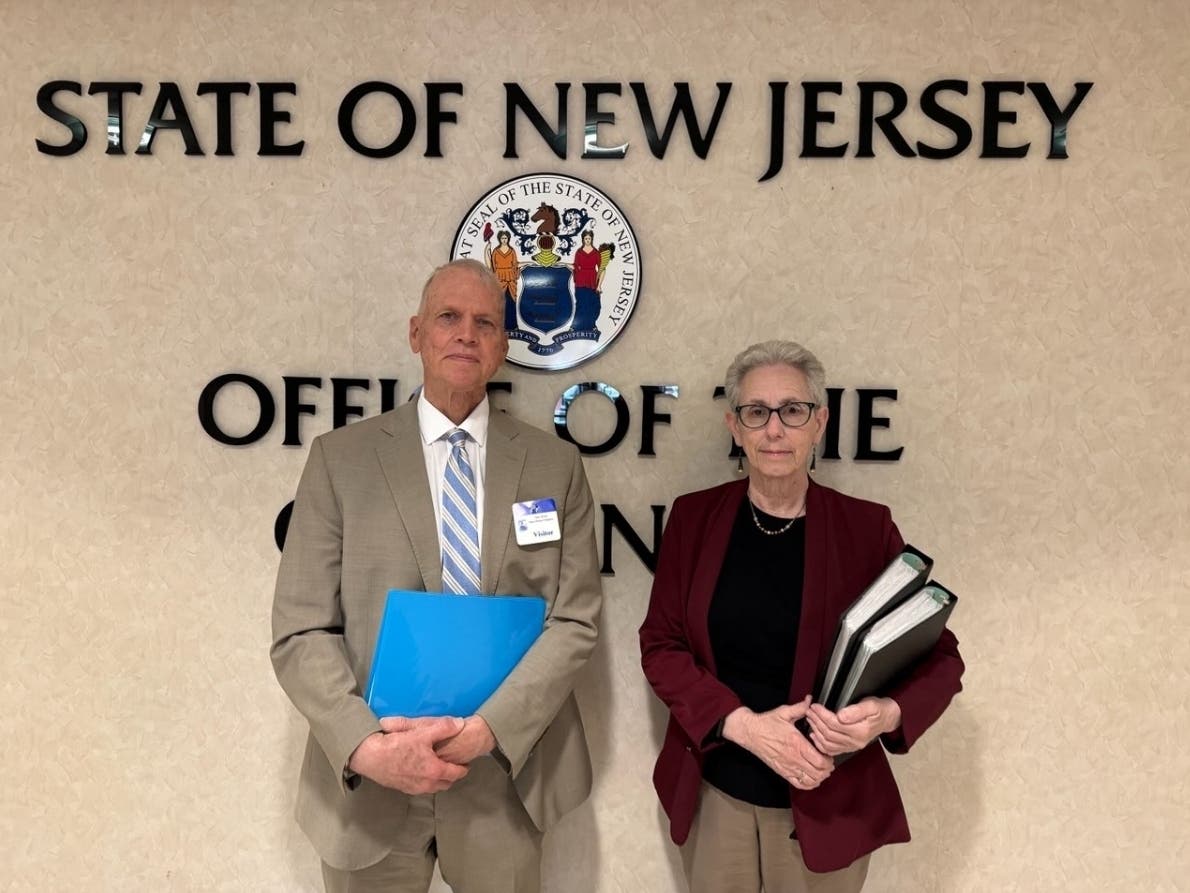
- Two progressive candidates, Daniel Kuniansky and Sarah Honts, have officially launched their campaigns to represent New Jersey in the U.S. Congress, aiming to bring socialist-inspired policies to the federal level.
- Kuniansky is challenging incumbent Josh Gottheimer in the 5th Congressional District, while Honts is running in the 7th Congressional District, seeking to unseat Tom Malinowski, though Malinowski has since lost his seat to Kean Jr.
- Both candidates are focusing on issues such as economic inequality, healthcare access, climate change, and workers' rights, advocating for systemic change rather than incremental reforms.
- Their candidacies represent a growing movement within the Democratic Party pushing for more explicitly socialist platforms, challenging the moderate wing and seeking to redefine the party's future direction.
- The campaigns are expected to highlight grassroots organizing and community engagement as key strategies to mobilize voters and build support for their ambitious policy agendas.
- Voters in these districts will face a distinct choice between established political figures and candidates offering a more radical departure from traditional policy approaches.
The Human Face of the Campaign
Daniel Kuniansky, a former teacher and union organizer, brings a background deeply rooted in advocacy for working families and social justice issues. His decision to run stems from a profound dissatisfaction with the current political establishment's perceived inaction on critical issues like economic disparity and environmental degradation. Kuniansky articulates a vision where government actively works to uplift marginalized communities, ensuring access to affordable housing, quality education, and comprehensive healthcare for all residents. He believes that the concentration of wealth and power in the hands of a few is fundamentally detrimental to a healthy democracy and is committed to challenging corporate influence in politics. His campaign emphasizes a return to community-focused governance, where the needs of everyday people are prioritized over the interests of powerful corporations and wealthy donors. Kuniansky's approach is not just about winning an election; it's about building a movement that demands fundamental change and empowers ordinary citizens.
Sarah Honts, a healthcare worker and activist, channels her experiences on the front lines of patient care into her political aspirations. Witnessing firsthand the struggles of individuals navigating a complex and often unforgiving healthcare system, Honts is driven by a desire to enact policies that guarantee universal access to medical services without financial burden. She views healthcare not as a commodity but as a fundamental human right, advocating for a single-payer system that prioritizes patient well-being over profit margins. Beyond healthcare, Honts is a vocal proponent of aggressive climate action, recognizing the existential threat posed by climate change and the need for immediate, large-scale government intervention. Her campaign resonates with those who feel unheard by traditional politicians, offering a voice for those demanding bold solutions to pressing societal challenges and a commitment to building a more equitable and sustainable future for New Jersey.
The candidacies of Kuniansky and Honts are more than just individual efforts; they represent a broader surge of progressive and socialist energy seeking to reshape the political landscape. Their campaigns are built on the principle that the current economic and social systems are failing a significant portion of the population, necessitating a fundamental reevaluation of priorities. They aim to connect with voters on issues that directly impact their daily lives, from the rising cost of living to the lack of affordable childcare. By framing their candidacies within a socialist framework, they are not shying away from challenging deeply ingrained capitalist structures, instead proposing alternatives that prioritize collective well-being and social solidarity. This approach seeks to mobilize a new generation of voters and activists who are disillusioned with the status quo and eager for transformative change.
How We Got Here
The rise of explicitly socialist candidates in New Jersey is a reflection of broader national trends, particularly the growing influence of progressive movements within the Democratic Party. Figures like Bernie Sanders and Alexandria Ocasio-Cortez have normalized socialist ideas in mainstream political discourse, creating space for candidates like Kuniansky and Honts to emerge and gain traction. These movements often draw strength from grassroots organizing, leveraging social media and community networks to build support outside traditional party structures. The increasing economic precarity faced by many Americans, coupled with growing awareness of systemic inequalities and the urgency of climate change, has fueled a demand for more radical solutions. This has created fertile ground for candidates who offer a clear alternative to the centrist policies that have dominated for decades, appealing to a base that feels left behind by the current economic system.
Historically, New Jersey has been a state with a complex political identity, often characterized by its pragmatic, centrist approach to governance. While it has a history of progressive legislation and strong union presence, it has not typically been a hotbed for explicitly socialist electoral challenges at the federal level. However, shifts in demographics, increasing urbanization in certain areas, and a growing awareness of national political polarization have begun to alter the state's political calculus. The success of progressive candidates in other states, coupled with dissatisfaction over economic stagnation and social issues, has emboldened those on the left to test the waters in New Jersey. This current wave of candidacies represents an attempt to harness this evolving political climate and push the state's representation further leftward.
The specific electoral contexts for Kuniansky and Honts are also shaped by the districts they are targeting. In the 5th District, Kuniansky is challenging a moderate Democrat, Josh Gottheimer, who has often positioned himself as a centrist voice within the House. This race highlights the internal ideological battles within the Democratic Party, pitting a progressive challenger against an incumbent who has sometimes sided with Republicans on key issues. In the 7th District, Honts is running in a seat that has seen significant political flux. While the incumbent has changed, the underlying demographic and economic conditions of the district provide a backdrop for a campaign focused on economic justice and social programs. These races are not just about individual candidates; they are about testing the viability of socialist platforms in suburban and diverse New Jersey electorates.
Why This Cannot Be Ignored
The candidacies of Daniel Kuniansky and Sarah Honts represent a significant challenge to the political establishment in New Jersey and signal a broader ideological shift within the Democratic Party. Their campaigns are not merely symbolic gestures; they are organized efforts to win seats and implement policies rooted in socialist principles, such as universal basic services, wealth redistribution, and aggressive climate action. The success or even strong showing of these candidates could force mainstream Democrats to confront the growing demand for more progressive policies, potentially reshaping party platforms and electoral strategies nationwide. Ignoring these campaigns means overlooking a potent force that could influence future elections and policy debates, pushing the political discourse further left and challenging the status quo that has long prevailed.
Furthermore, these campaigns highlight the increasing polarization within American politics and the growing appeal of alternative economic and social systems, particularly among younger generations. As issues like economic inequality, healthcare affordability, and climate change become more pressing, voters are actively seeking candidates who offer bold, systemic solutions. Kuniansky and Honts are tapping into this sentiment, providing a clear alternative to incremental policy changes. Their presence on the ballot forces a conversation about the fundamental role of government and the economy, moving beyond the typical debates over tax rates or regulatory adjustments. This engagement is crucial for understanding the evolving priorities of a significant segment of the electorate and the potential trajectory of political movements.
The implications extend beyond electoral politics. The platforms championed by Kuniansky and Honts, if they gain momentum, could influence public opinion and policy debates on issues ranging from labor rights and workers' compensation to environmental regulations and social safety nets. Their campaigns serve as a testing ground for socialist ideas in a mainstream political arena, potentially normalizing concepts previously considered fringe. This could lead to increased pressure on elected officials, regardless of party affiliation, to address issues of economic justice and systemic inequality more directly. The outcomes of these races, win or lose, will provide valuable insights into the appetite for transformative change within the American electorate and the future direction of progressive politics.
Possible Paths Forward
For Daniel Kuniansky and Sarah Honts, the path to victory involves mobilizing a coalition of progressive voters, young people, and working-class individuals who feel disenfranchised by the current political system. This requires a robust grassroots campaign focused on direct voter contact, community organizing, and leveraging social media to disseminate their message. They must effectively articulate how their socialist-inspired policies will directly address the economic anxieties and social concerns of their constituents, differentiating themselves from mainstream Democratic candidates. Building strong alliances with labor unions, environmental groups, and social justice organizations will be crucial for expanding their reach and demonstrating broad-based support. Their strategy must also focus on energizing infrequent voters and those who have become disillusioned with traditional politics, presenting their candidacies as a genuine opportunity for transformative change.
Another critical element for their campaigns is navigating the inevitable attacks and scrutiny that come with challenging established political figures and ideologies. They will need to effectively counter criticisms that label their policies as unrealistic or too radical, framing them instead as necessary and achievable solutions to pressing problems. This involves clear communication, consistent messaging, and a willingness to engage in debates that highlight the perceived failures of the status quo. Furthermore, securing adequate funding will be essential for running competitive campaigns, requiring innovative fundraising strategies that tap into small-dollar donations from their supporters and potentially attract support from progressive organizations. The ability to sustain a well-funded campaign throughout the election cycle will be a significant determinant of their success.
Regardless of the electoral outcome, these campaigns have the potential to significantly influence the political discourse in New Jersey and beyond. Even if they do not win, their efforts can push the conversation towards more progressive policies, raise awareness about socialist ideas, and inspire future candidates to run on similar platforms. They can serve as catalysts for greater political engagement and activism within their communities, building lasting movements that extend beyond a single election cycle. The data gathered from their campaigns—voter outreach efforts, fundraising successes, and voter responses—can provide valuable lessons for progressive movements seeking to gain ground in diverse political landscapes. Ultimately, their impact may be measured not just in votes, but in their ability to shift the political conversation and empower a new generation of activists.

Questions People Are Actually Asking
What to Watch
- Monitor the fundraising totals for Kuniansky and Honts; significant small-dollar donor engagement could indicate strong grassroots enthusiasm and a viable path to compete financially.
- Pay close attention to endorsements from key progressive organizations, labor unions, and influential figures within the broader left-wing movement, as these signal growing support and legitimacy.
- Track media coverage and public polling, if available, to gauge shifts in voter perception and the effectiveness of the candidates' messaging in reaching a wider audience.
- Observe the responses and strategies of the incumbent candidates or their opponents; how they address the socialist challenge will reveal much about the perceived threat and the broader political dynamics.
- Analyze voter turnout in districts where these candidates are running; a surge in participation from demographics typically aligned with progressive causes could indicate their success in mobilizing new voters.
- Assess the candidates' ability to translate policy proposals into compelling narratives that resonate with voters concerned about economic stability, healthcare access, and environmental sustainability.


















Comments
No comments yet. Be the first to comment!