
Key Takeaways
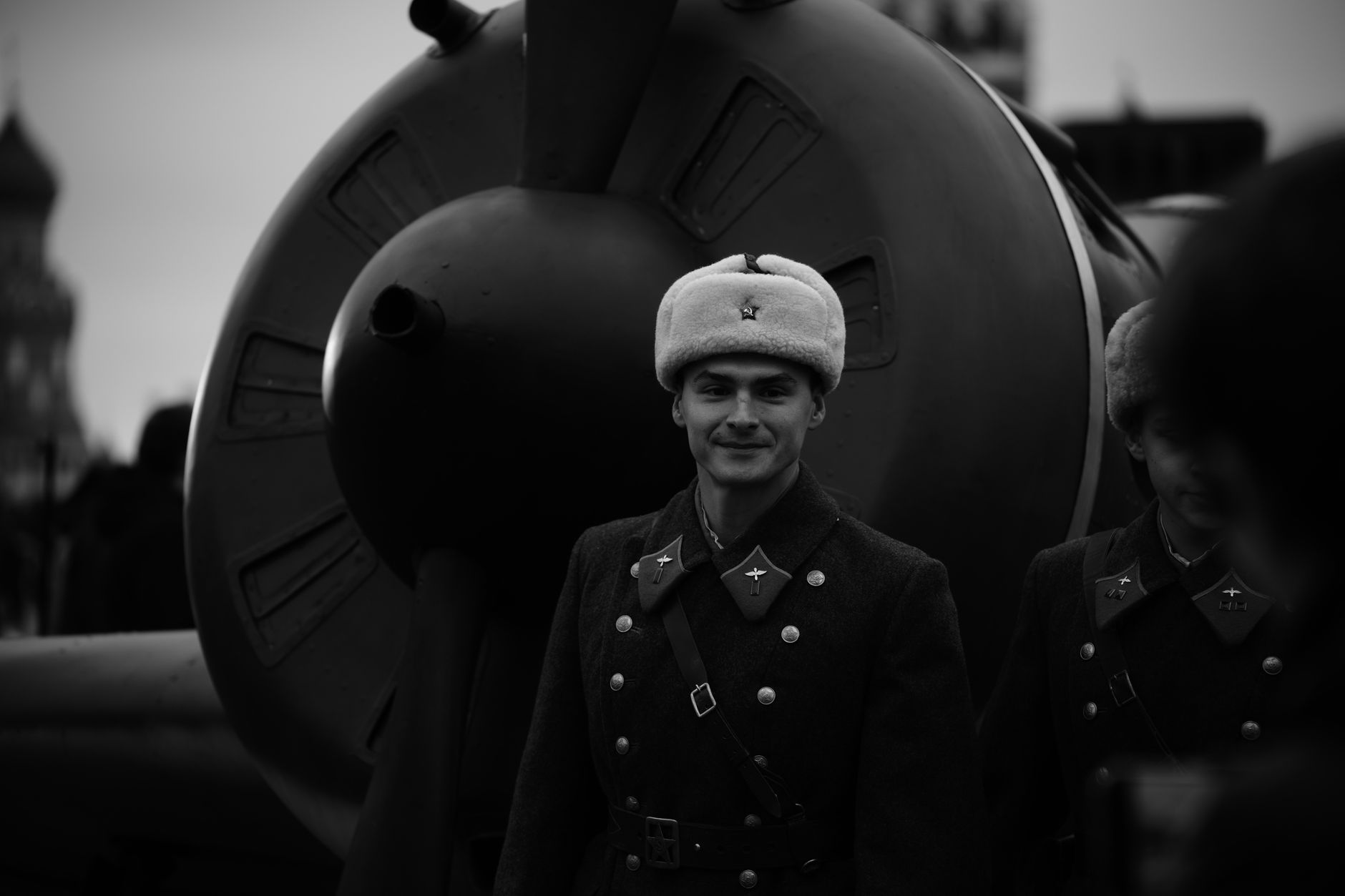
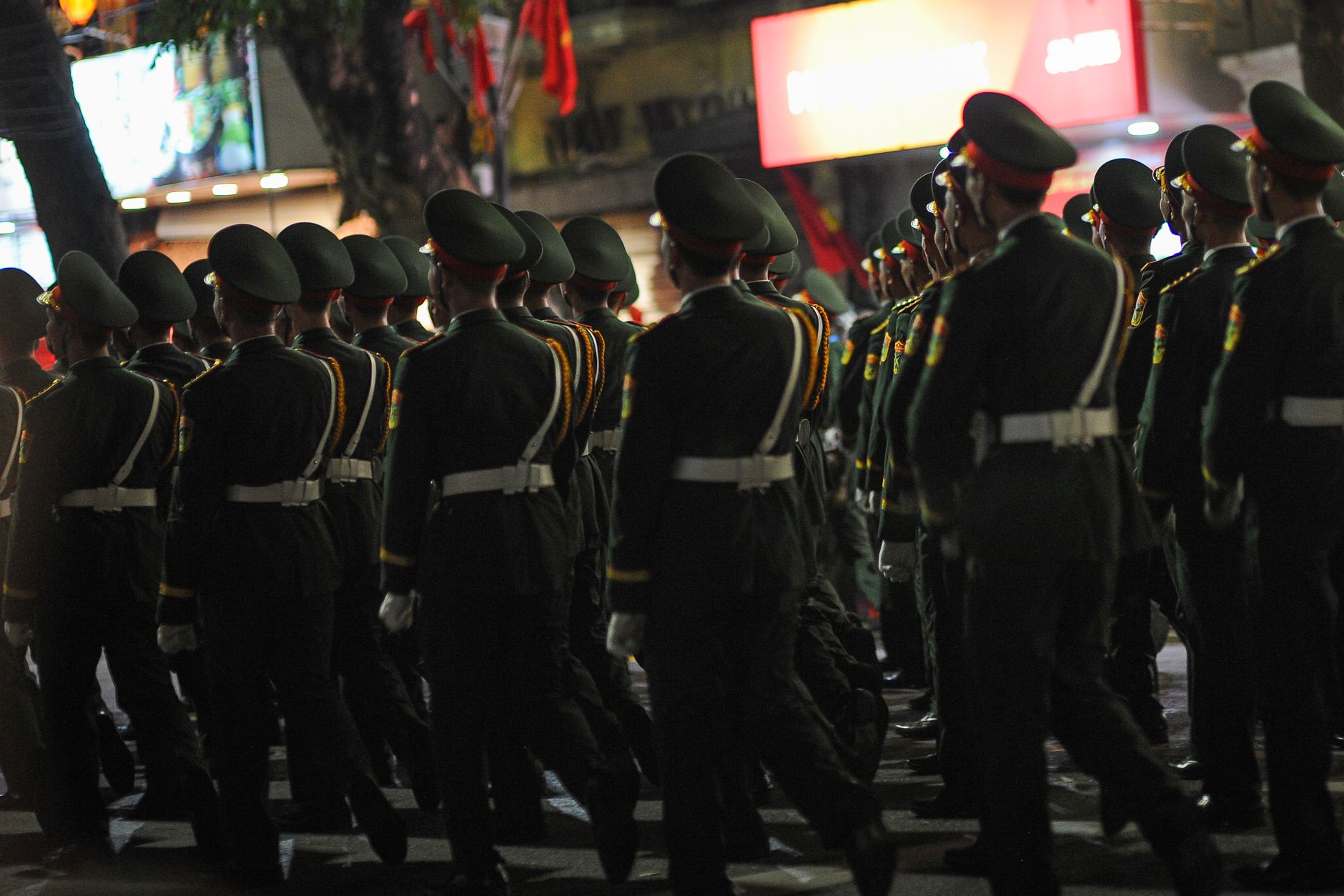
- The European Union is preparing a significant new package of sanctions targeting Russia, specifically proposing a bloc-wide ban on Russian soldiers from entering its member states, marking a notable escalation.
- This measure aims to intensify pressure on Moscow following its ongoing aggression in Ukraine, signaling a unified and resolute stance from the EU to hold perpetrators accountable for their actions.
- The proposed ban is part of a broader strategy to isolate Russia further, impacting not only active military personnel but potentially also those involved in supporting roles or intelligence gathering.
- Member states are currently debating the precise scope and intricate implementation details, with discussions focusing on legal frameworks, humanitarian considerations, and practical enforcement challenges across borders.
- If enacted, this ban would mark a notable escalation in the EU's response, moving beyond economic and financial restrictions to direct personal movement limitations for military personnel, a powerful symbolic gesture.
- The initiative reflects a growing consensus within the EU that existing sanctions, while impactful, need to be augmented with additional, targeted measures to deter Russian actions and support Ukraine's sovereignty.
Background
Since the full-scale invasion of Ukraine in February 2022, the European Union has implemented numerous rounds of sanctions against Russia. These measures have targeted key sectors of the Russian economy, including energy, finance, technology, and transport, alongside hundreds of individuals and entities deemed responsible for supporting the conflict. The overarching goal has been to cripple Russia's ability to finance its war efforts and to exert significant economic and political pressure on the Kremlin. Previous sanctions have included asset freezes, travel bans for high-ranking officials, and restrictions on dual-use goods, demonstrating a progressive tightening of punitive actions. This continuous escalation reflects a determined effort by the EU to respond robustly to the unprovoked aggression, aiming to diminish Russia's capacity for further military action and to uphold international norms and sovereignty. The cumulative effect of these sanctions has been substantial, yet the persistence of the conflict necessitates exploring additional, more direct forms of pressure.
The ongoing conflict in Ukraine continues to drive the EU's strategic decisions regarding Russia, particularly in light of persistent reports of atrocities, widespread destruction, and the enduring threat to European security. These grim realities have fueled calls for more robust and innovative responses from the international community. This latest proposal to ban Russian soldiers from entering the bloc emerges from a context where existing sanctions, while undeniably impactful, have not yet compelled a cessation of hostilities or a significant change in Moscow's aggressive posture. European leaders are constantly evaluating new avenues to demonstrate unwavering solidarity with Ukraine and to underscore their profound commitment to international law, territorial integrity, and the protection of civilian lives. The discussion around this specific ban reflects a growing desire to directly target the individuals and institutions most responsible for perpetrating and enabling the conflict, moving beyond purely economic levers to more personal restrictions.
The legal and political complexities inherent in imposing such a broad ban are considerable, demanding meticulous consideration from all EU member states. While targeted travel bans on specific individuals are a common tool in international diplomacy, a blanket prohibition on an entire category of citizens, even military personnel, raises intricate questions about international law, humanitarian considerations, and the practicalities of consistent enforcement across 27 diverse member states. Discussions within the EU Council and Parliament involve intricate negotiations to ensure the measure is not only legally sound and effective but also aligns seamlessly with the bloc's broader foreign policy objectives and human rights commitments. The proposal is a testament to the EU's evolving strategic approach, continually seeking innovative ways to apply pressure on Russia without directly engaging in military conflict, while navigating a complex legal and ethical landscape.
Why It Matters
This proposed ban represents a significant escalation in the European Union's diplomatic and punitive measures against Russia, marking a pivotal shift in strategy. Moving beyond purely economic sanctions, directly targeting the movement of Russian military personnel across European borders sends an unequivocally powerful message of condemnation. It underscores the EU's unwavering commitment to isolating Russia on the global stage and holding those directly responsible for the aggression in Ukraine accountable for their actions. This unprecedented action could further strain Russia's already diminished international standing and severely complicate its ability to project influence, particularly in areas where military personnel might have previously traveled for various purposes, including diplomatic missions, logistical support, or even personal reasons, thereby limiting their operational flexibility and international presence.
The implications of this ban extend far beyond mere symbolism; such a measure could have tangible and long-lasting effects on Russia's military and intelligence operations. While active combatants are unlikely to be vacationing in Europe during wartime, the measure could significantly impact support staff, intelligence operatives, or even family members of military personnel who might facilitate various activities. It fundamentally complicates any potential for 'soft power' projection or intelligence gathering through conventional civilian channels, effectively closing avenues that might have previously been exploited. Furthermore, it powerfully reinforces the narrative that Russia's military actions have rendered its personnel pariahs in the eyes of the international community, potentially impacting morale, recruitment, and the overall perception of military service within the Russian armed forces over the long term, contributing to internal pressures.
Crucially, this initiative also serves as a critical test of the unity and collective resolve of the European Union itself. Crafting and implementing a bloc-wide ban of this magnitude requires unanimous consensus among all 27 member states, each possessing its own unique geopolitical priorities, historical ties, and nuanced relationships with Russia. The successful adoption and rigorous enforcement of this measure would unequivocally demonstrate a robust and cohesive European front against Russian aggression, thereby reinforcing the EU's vital role as a significant global actor capable of decisive action. Conversely, any significant dissent, internal divisions, or difficulties in implementation could inadvertently expose cracks in this unity, which Russia might eagerly seek to exploit for its own strategic advantage. Therefore, the outcome of these intricate discussions is not solely about Russia, but profoundly about the future coherence, strength, and credibility of the EU's common foreign and security policy on the world stage.
Ground Reality
Implementing a comprehensive ban on Russian soldiers across all EU member states presents a formidable logistical and legal challenge that demands meticulous planning and coordination. Border control agencies across the vast Schengen Area would require exceptionally clear, unified guidelines to accurately identify and deny entry to individuals falling under the ban's specific scope. This involves precisely defining 'Russian soldier' – does it encompass reservists, retired personnel, or is it strictly limited to active-duty members? What about individuals who have recently left military service but were demonstrably involved in the conflict? The practicalities of verifying military status without explicit documentation, reliable intelligence sharing mechanisms, or a centralized database could prove exceptionally difficult, potentially leading to inconsistent application across different borders and entry points. This necessitates significant, ongoing coordination and intelligence sharing among all member states to ensure efficacy and fairness.
The ban's ultimate effectiveness will largely depend on the clarity of its definitions and the robustness of its enforcement mechanisms, which are currently being refined. For instance, if the ban were to apply to all Russian citizens who have ever served in the military, it would be extraordinarily broad and exceptionally challenging to verify without extensive, real-time data sharing that could raise substantial privacy and legal concerns. If it is more narrowly limited to active-duty personnel, identifying them without specific, actionable intelligence or overt military attire becomes a highly nuanced and complex task requiring sophisticated methods. Moreover, the EU must proactively consider and address potential loopholes, such as individuals attempting to travel on non-military passports or transiting through third countries. Crucially, the measure also needs to carefully address humanitarian cases or those seeking legitimate asylum, ensuring that genuine claims for protection are not inadvertently blocked by an overly broad or inflexible policy, thereby upholding international humanitarian principles.
Furthermore, the direct impact of this ban on Russia's ground operations or immediate military capabilities in Ukraine is likely to be indirect rather than immediate or tactical. Russian soldiers are not typically traveling to the EU for leisure during an active war. However, the psychological effect and the further isolation of Russia's military apparatus could be profoundly significant over the long term. It powerfully reinforces the perception that participation in the war in Ukraine carries severe personal and international consequences, potentially contributing to internal dissent, reluctance among potential recruits, or even desertions. The measure also signals unequivocally to the broader international community that the EU is committed to utilizing all available non-military tools to pressure Russia, even if the direct impact on battlefield dynamics is limited. This is fundamentally a long-term strategic move, designed to exert sustained pressure and alter Russia's calculus, rather than a short-term tactical intervention.
What Experts Are Saying
Many international law experts view this proposed ban as a legitimate exercise of sovereign power by the EU, particularly given the ongoing conflict and Russia's blatant violation of international law. Dr. Anya Sharma, a distinguished professor of international relations, unequivocally notes, 'States possess the inherent and fundamental right to control their borders and determine precisely who enters their territory. In the specific context of an unprovoked war of aggression, directly targeting the military personnel of the aggressor state constitutes a proportionate and entirely understandable response within the established framework of non-military sanctions.' She further emphasizes that while broad bans can sometimes be controversial due to their wide reach, the precise targeting of military personnel directly involved in an active, illegal conflict provides a robust legal and moral justification for the implementation of such a significant measure, aligning with principles of accountability and deterrence.
However, some astute analysts caution about the potential for unintended consequences and the formidable challenges inherent in the practical implementation of such a sweeping policy. Dr. Mark Jensen, a seasoned security policy expert, sagely points out, 'While the symbolic weight of such a ban is undeniably considerable, its practical, immediate impact on Russia's actual war machine might prove to be quite limited. Active soldiers are simply not typically taking holidays in Paris or Rome during wartime. The true, underlying challenge lies in meticulously defining who precisely qualifies as a 'soldier' in this context and, crucially, how to enforce this without inadvertently creating a bureaucratic nightmare or unjustly penalizing individuals who might possess tangential connections but no direct involvement in atrocities or aggression.' He thoughtfully suggests that a highly targeted approach, specifically focusing on particular units or individuals demonstrably implicated in war crimes, might ultimately prove more effective and less susceptible to complex legal challenges.
Geopolitical strategists are also intensely weighing in on the broader, long-term implications for the already strained EU-Russia relations. Professor Elena Petrova, a leading expert on Eastern European affairs, cogently argues, 'This ban further solidifies the metaphorical iron curtain that has been steadily descending between Russia and the West. While such a measure is undoubtedly necessary to demonstrate unwavering resolve and commitment, it simultaneously means fewer avenues for any future dialogue, de-escalation efforts, or diplomatic engagement. The EU is effectively communicating that Russia's military, as an institutional entity, is now considered persona non grata across the bloc. This decisive action deepens the existing chasm and makes any future reconciliation, even after the conflict in Ukraine eventually ends, incredibly difficult and protracted. It is fundamentally a long-term strategic move with profound and lasting implications for the entire post-war European security architecture, reshaping regional dynamics for decades to come.'
Legal scholars are meticulously examining the nuances involved in precisely defining 'soldier' within the context of this proposed ban, highlighting potential complexities. Professor David Lee, specializing in human rights law, emphatically states, 'The EU must be exceptionally meticulous in its definitions to rigorously avoid infringing upon the fundamental rights of individuals who may have served in a non-combat role, or, crucially, those who have deserted and are genuinely seeking asylum and protection. A blanket ban risks painting everyone with the same broad brush, which could inevitably lead to significant humanitarian issues and formidable legal challenges under international refugee law. Precision in drafting is absolutely paramount to ensure that the measure is both demonstrably effective in its stated goals and ethically sound, meticulously distinguishing between direct perpetrators of aggression and those who might tragically be victims themselves, requiring protection rather than exclusion.'
Economists are also carefully considering the indirect economic ramifications, particularly for those EU countries bordering Russia that historically maintained some level of cross-border interaction. Dr. Sarah Chen, an expert in European economics, comments, 'While this is not a direct economic sanction in the traditional sense, the enhanced border controls and the general tightening of relations will inevitably generate ripple effects across various sectors. For instance, regions that previously experienced some cross-border traffic, even if limited, involving individuals with military ties, might witness further reductions in economic activity and trade. More broadly, the continued escalation of non-economic sanctions powerfully reinforces the long-term decoupling of the Russian and European economies, signaling a permanent and fundamental shift in established trade and investment patterns, with lasting consequences for both blocs.'
Finally, security analysts are evaluating the potential for various forms of Russian retaliation in response to this significant EU action. Retired General Marcus Thorne suggests, 'Russia will undoubtedly perceive and frame this as yet another hostile act from the West. While direct military retaliation against EU member states is highly improbable, we could realistically anticipate an increase in sophisticated cyberattacks, intensified disinformation campaigns aimed at sowing discord, or even targeted actions against EU citizens or interests operating in third countries. The Kremlin will almost certainly seek to demonstrate that such measures do not go unanswered, further escalating the tit-for-tat dynamic that has profoundly characterized this conflict. The EU must therefore be comprehensively prepared for a multifaceted and potentially aggressive response that extends well beyond purely economic or diplomatic measures, encompassing hybrid warfare tactics.'
Frequently Asked Questions
What Happens Next
The proposed ban on Russian soldiers is currently undergoing intense scrutiny and rigorous negotiation within various influential EU bodies, including the European Council and the European Parliament. Representatives from all member states are actively debating the precise legal wording, the definitive scope, and the robust enforcement mechanisms required to ensure the measure is both demonstrably effective and legally sound under international law. This intricate process involves complex discussions aimed at achieving unanimous consent, which is typically a prerequisite for significant foreign policy and security decisions within the bloc. The exact timeline for its final adoption remains fluid and subject to the pace of these negotiations, but the pressing urgency of the ongoing situation in Ukraine suggests a relatively swift progression through the legislative pipeline, with concerted efforts to finalize all intricate details in the coming weeks or months to present a united front.
Once the ban is formally adopted and enshrined in EU law, the subsequent implementation phase will undoubtedly present its own unique set of operational challenges that demand meticulous planning. EU member states will be required to seamlessly integrate the new regulations into their existing national legal frameworks and operational procedures governing border control and immigration. This will necessitate extensive and specialized training for border guards, customs officials, and immigration officers across all 27 nations to ensure consistent, equitable, and effective application across all entry points into the vast Schengen Area. Furthermore, intelligence agencies will need to significantly enhance their cooperation and real-time information sharing capabilities to effectively identify individuals falling under the ban's purview, navigating the inherent complexities of verification, identity confirmation, and potential appeals processes with precision and fairness.
Looking ahead, the European Union will closely and continuously monitor the multifaceted impact of this ban, alongside its extensive existing sanctions, on Russia's actions in Ukraine and its broader geopolitical stance on the international stage. This measure is an integral part of a dynamic and evolving strategic approach, meaning that further adjustments to existing policies or the introduction of additional, targeted sanctions could be considered based on developments on the ground and Russia's responses. Russia's reaction to this significant ban will also be a critical factor, potentially leading to reciprocal measures, increased diplomatic tensions, or even hybrid forms of retaliation. The EU's overarching, long-term goal remains to unequivocally support Ukraine's sovereignty and territorial integrity while simultaneously seeking to de-escalate the conflict and restore lasting peace and stability in Europe, making each new sanction a carefully calculated step in a complex and high-stakes geopolitical chess game.





Comments
No comments yet. Be the first to comment!