

Key Takeaways
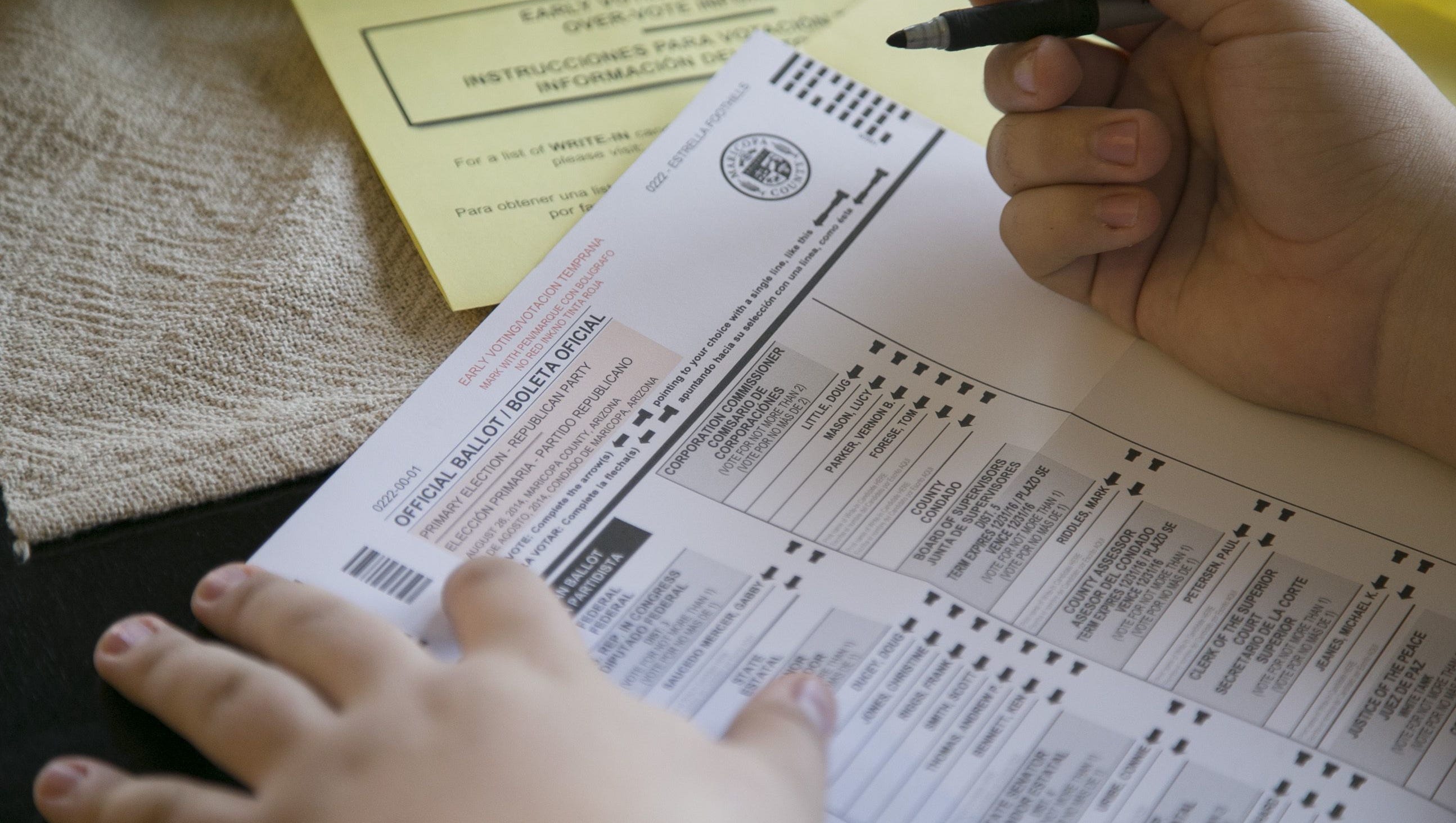
- Arizona's 2026 primary election is scheduled for August 11, 2026, serving as a critical early test for candidates vying for federal and state offices, including the governorship and U.S. Senate seat.
- Voter registration deadlines will be strictly enforced, requiring citizens to be registered at least 29 days prior to the primary election, meaning the deadline to register will fall around July 13, 2026.
- The primary election results will significantly influence the general election landscape, determining which candidates advance and setting the stage for the final contests in November 2026.
- Understanding the nuances of early voting options and mail-in ballot procedures is crucial for ensuring every eligible Arizonan can cast their ballot efficiently and securely.
- Candidates will be campaigning intensely in the months leading up to the primary, focusing on key issues that resonate with the diverse electorate across Arizona's counties.
- This election cycle is particularly important as it will shape the representation for critical congressional districts and state legislative seats, directly impacting policy decisions.
Background
Arizona's electoral calendar is meticulously structured to facilitate a robust democratic process, with primary elections playing a foundational role in selecting party nominees. The 2026 election cycle is no exception, setting the stage for intense competition across numerous offices. The primary election, officially slated for August 11, 2026, acts as the crucial vetting mechanism, allowing registered party members to choose who will represent their party in the subsequent general election. This process is vital for ensuring that candidates have broad support within their own party before facing the wider electorate. The stakes are particularly high in Arizona, a state known for its dynamic political landscape and competitive races, making the primary a critical determinant of future political power.
The historical context of Arizona's primary elections reveals a consistent pattern of engagement, where these early contests often set the tone for the entire election cycle. The state has a history of close races, and the primary outcomes frequently shape campaign strategies and resource allocation for the months that follow. Understanding this background is essential for appreciating the significance of the August 11, 2026 date. It's not merely a date on a calendar; it represents the culmination of months of campaigning, debate, and voter engagement that will ultimately decide who appears on the general election ballot. The decisions made by voters during this primary will have ripple effects throughout the state's political representation.
Furthermore, Arizona's election laws and regulations provide a framework that influences how primaries are conducted, including rules around voter registration and ballot access. The state utilizes a system where voters can affiliate with a political party or vote as an independent, with specific rules governing participation in partisan primaries. For the 2026 primaries, these established procedures will be in full effect, guiding both candidates and voters through the process. Familiarity with these regulations is paramount for ensuring a smooth and fair election, reinforcing the integrity of the democratic process and the legitimacy of the outcomes that emerge from this critical electoral juncture.
Why It Matters
The 2026 Arizona primary election is far more than a procedural step; it's a pivotal moment that directly shapes the future political landscape of the state and its representation in Washington D.C. The candidates who emerge victorious from this primary will be the ones who ultimately compete for critical offices, including the governorship, U.S. Senate seat, and numerous U.S. House seats. Their policy positions, leadership styles, and visions for Arizona will be on full display in the general election, but their path to that stage is paved by the primary. Voters' choices in August 2026 will determine the caliber and ideology of the individuals who will be making decisions affecting everything from education and healthcare to economic development and environmental policy for years to come.
For engaged citizens, the primary election offers a crucial opportunity to influence the direction of their chosen political party and, by extension, the state. It's a chance to support candidates who align with their values and priorities, potentially elevating voices that might otherwise be marginalized. Failing to participate in the primary means ceding influence to a smaller, more engaged segment of the electorate, potentially leading to nominees who do not fully represent the broader interests of the community. The decisions made by primary voters can significantly alter the balance of power in the state legislature and among Arizona's congressional delegation, impacting the state's influence on national policy debates.
Moreover, the outcomes of the 2026 primary election will serve as a significant indicator of broader political trends and voter sentiment within Arizona and potentially across the nation. The performance of different candidates and the margins of victory can provide valuable insights into the issues that are most important to voters and the ideological direction the state is leaning. This information is invaluable not only for the campaigns themselves but also for policymakers, media, and the public in understanding the evolving political climate. Therefore, every vote cast in the primary contributes to a larger narrative, helping to define the political trajectory of Arizona for the foreseeable future.
Ground Reality
On the ground in Arizona, the 2026 primary election campaign is already taking shape, with candidates beginning to mobilize their supporters and outline their platforms. The August 11th date means that the preceding months will be a whirlwind of campaign events, town halls, and grassroots organizing across the state's diverse regions, from the urban centers of Maricopa County to the more rural communities in the north and south. Candidates will be intensely focused on connecting with voters, understanding their concerns, and articulating how they plan to address them. This period is critical for building name recognition, fundraising, and solidifying support within party structures.
The logistical realities of running a primary election in Arizona are complex, involving the coordination of polling places, early voting centers, and mail-in ballot processing across 15 counties. Election officials are tasked with ensuring that the process is secure, accessible, and transparent for all voters. This includes managing voter registration databases, training poll workers, and disseminating accurate information about voting procedures and deadlines. The success of the primary hinges on the efficient execution of these operational tasks, which often involve significant planning and resource allocation well in advance of election day.
Voter engagement is a key challenge and opportunity in the lead-up to the primary. Many Arizonans may not be fully aware of the specific candidates or the importance of the primary election itself, especially those not deeply involved in politics. Campaigns and election authorities must work diligently to educate the public about the election dates, how to register, where to vote, and the impact of their participation. The diverse demographics of Arizona mean that outreach efforts must be tailored to reach various communities effectively, ensuring that all eligible voters have the information and resources they need to cast their ballots.
What Experts Are Saying
Political analysts are closely watching Arizona's 2026 primary election, viewing it as a significant bellwether for the broader political climate in the Southwest. Experts suggest that the outcomes will reveal key insights into voter priorities and party strengths within the state, potentially influencing national political narratives. The specific races, particularly for statewide offices, are expected to be highly competitive, offering a preview of the dynamics that will play out in the general election. The ability of candidates to mobilize different demographic groups and address pressing issues like water scarcity, economic growth, and border security will be crucial factors determining success, according to seasoned observers.
Commentators highlight that the primary election serves as an early test of campaign strategies and messaging. The effectiveness of digital outreach, traditional media advertising, and grassroots organizing will be under scrutiny. Experts predict that candidates who can demonstrate strong fundraising capabilities and a clear, compelling vision will have a distinct advantage. Furthermore, the primary results will provide valuable data on voter turnout trends and the engagement levels of different party factions, offering a preview of the electoral battles to come in November 2026.
Many political scientists emphasize the importance of Arizona's evolving demographic makeup in shaping primary outcomes. As the state becomes more diverse, candidates will need to appeal to a broader coalition of voters. Experts anticipate that issues related to education, healthcare access, and economic opportunity will be central to campaign platforms. The primary election will reveal which candidates are best positioned to connect with these evolving voter concerns and build the broad-based support necessary for victory.

Frequently Asked Questions
What Happens Next
Following the August 11, 2026 primary election, the focus will immediately shift to the general election campaign. Candidates who secured their party's nomination will intensify their efforts to reach a broader electorate, often moderating their messages to appeal to independent and undecided voters. The primary results will provide valuable intelligence for these general election campaigns, highlighting strengths, weaknesses, and key voter demographics that need to be targeted. Political strategists will be analyzing turnout data and vote margins to refine their strategies for the final push towards November.
Election officials will begin the process of certifying the primary election results, a crucial step that validates the outcome and officially declares the nominees for the general election. This process involves audits and verification procedures to ensure the accuracy and integrity of the vote count. Once certified, the official list of candidates for the November general election will be finalized, setting the stage for the ultimate contests for power in Arizona. This period of transition is vital for maintaining public confidence in the electoral system.
For voters, the period after the primary is an opportunity to reflect on the choices made and to prepare for the general election. It's a time to research the nominees more thoroughly, engage in further discussions about the issues, and decide which candidate best represents their vision for Arizona. The momentum generated by the primary will carry forward, leading to a highly anticipated general election that will determine the state's leadership for the next term.













Comments
No comments yet. Be the first to comment!