
At a Glance
- The recent attack on Diori Hamani International Airport in Niamey marks a significant and alarming escalation of jihadi activity, directly targeting critical infrastructure within Niger's capital city.
- This brazen assault, attributed to elements linked with al-Qaeda or ISIS affiliates, demonstrates a disturbing tactical shift by extremist groups towards high-profile targets, actively challenging state authority and international presence.
- Niger, a pivotal Western ally in the complex global counter-terrorism efforts, finds its national stability increasingly threatened as extremist groups exploit vast ungoverned spaces and deep-seated local grievances across the expansive Sahel region.
- The broader Sahel, a fragile belt stretching from Mauritania to Sudan, is grappling with a multi-faceted crisis encompassing pervasive insecurity, severe climate change impacts, and widespread poverty, all fueling radicalization and recruitment.
- International partners are now compelled to critically re-evaluate their existing strategies and long-term commitments as the security landscape rapidly deteriorates, highlighting the inherent limitations of current military-focused interventions.
- The humanitarian consequences of this escalating conflict are dire, with millions of people displaced from their homes and facing severe food insecurity, as violence disrupts essential livelihoods and hinders crucial aid delivery across vast swathes of the region.
The Record
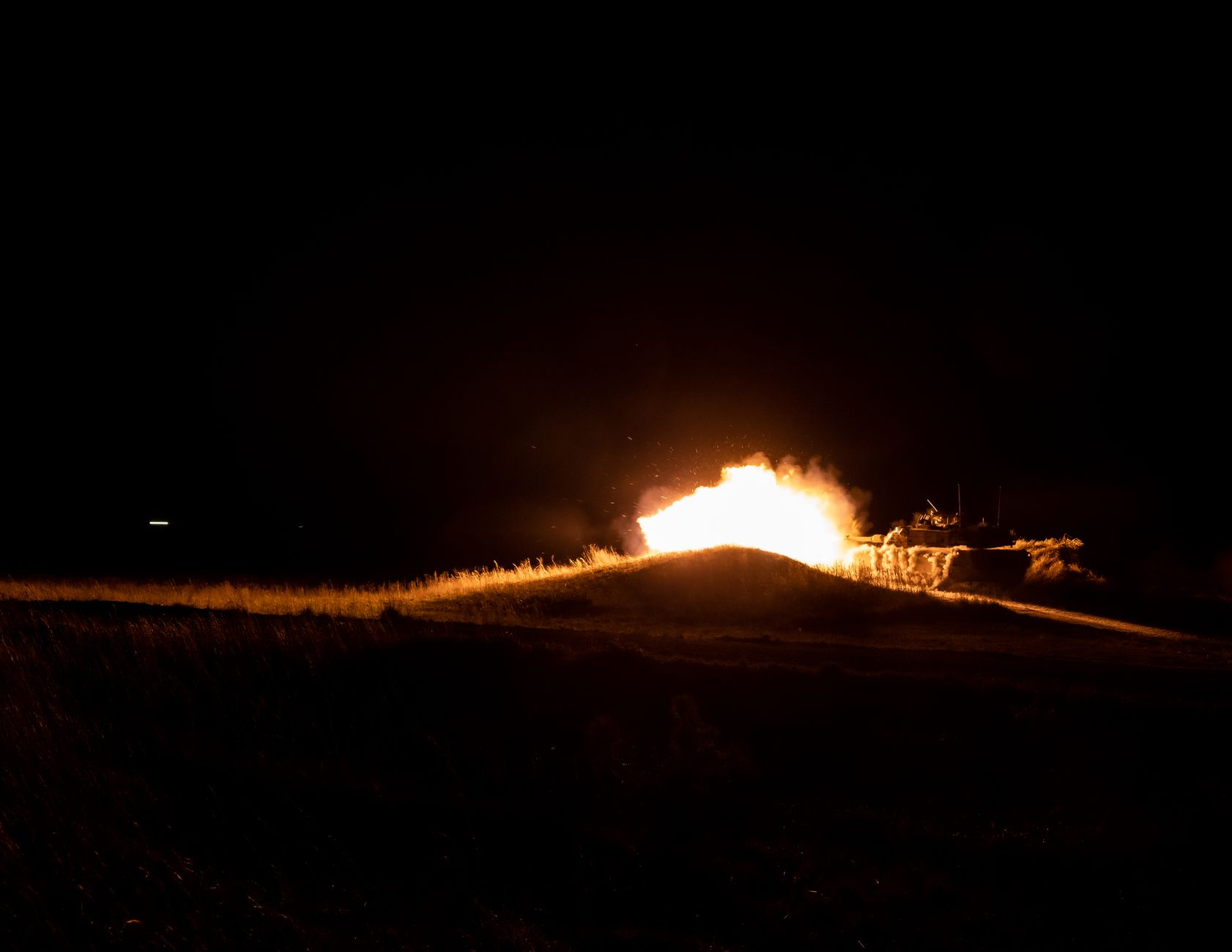
The assault on Diori Hamani International Airport in Niamey represents a stark and undeniable escalation in the jihadi campaign engulfing the Sahel. Occurring under the cover of darkness, the attack involved a coordinated effort targeting key installations, causing significant disruption and instilling widespread fear. While specific casualty figures were initially sparse, the psychological impact on the capital and its residents was immediate and profound. This incident is not merely an isolated act of violence; it signifies a dangerous evolution in the capabilities and audacious intent of extremist groups, demonstrating their capacity to strike at the very heart of Nigerien sovereignty and its connections to the outside world.
In the immediate aftermath, Nigerien security forces, supported by international partners, swiftly moved to secure the airport perimeter and launch extensive investigations. The government issued strong condemnations, vowing to bring the perpetrators to justice and reinforce national security measures. However, the attack also triggered a wave of questions regarding the efficacy of existing defenses and intelligence gathering. This incident forces a critical re-evaluation of counter-terrorism strategies, highlighting the urgent need for enhanced intelligence sharing, improved rapid response capabilities, and a more robust protective infrastructure around vital national assets, which are increasingly vulnerable to sophisticated threats.
The historical trajectory of jihadi groups in the Sahel reveals a worrying pattern of expansion and adaptation. Originating from localized insurgencies and spillover from conflicts in Mali and Nigeria, groups like Jama'at Nusrat al-Islam wal Muslimeen (JNIM) and the Islamic State in the Greater Sahara (ISGS) have steadily exploited ethnic tensions, governance vacuums, and socio-economic grievances to entrench themselves. Their modus operandi has evolved from rural ambushes and control of remote territories to more complex, asymmetric attacks, including IEDs and now, direct assaults on urban infrastructure. This progression underscores a persistent failure to contain their growth, allowing them to metastasize into a formidable regional threat that destabilizes entire nations.
Who Knew and When
The question of intelligence foresight surrounding the Niamey airport attack is paramount. For years, regional and international intelligence agencies have consistently warned about the increasing capabilities and audacious intentions of jihadi groups operating across the Sahel. Reports frequently highlighted their ambition to expand beyond rural strongholds and target high-value urban centers, including critical infrastructure. While specific attack timings are notoriously difficult to predict, the general threat landscape clearly indicated a growing risk to facilities like international airports, which symbolize state authority and provide crucial logistical hubs for both civilian and military operations. This attack, therefore, should not have come as a complete surprise to those monitoring the region closely.
Analysts and security experts have repeatedly underscored the gradual but relentless expansion of jihadi groups from their traditional rural havens into peri-urban zones, steadily encroaching upon major cities. This territorial creep has been accompanied by a discernible increase in the sophistication of their operational planning and execution. The ability to coordinate and launch an attack on a well-guarded international airport signifies a significant leap in their tactical prowess and logistical reach. These developments were not hidden; numerous studies and security assessments have pointed to the evolving nature of the threat, emphasizing the need for proactive, rather than reactive, security postures to protect key strategic assets.
Despite these persistent warnings from a multitude of sources, including academic researchers, think tanks, and civil society organizations on the ground, the international community and Sahelian states have struggled to adequately address the multifaceted root causes that fuel extremism. Systemic issues such as weak governance, pervasive corruption, lack of economic opportunities, and the devastating impacts of climate change continue to create fertile ground for extremist recruitment and operations. The failure to implement comprehensive, long-term strategies that go beyond purely military solutions has inadvertently allowed these groups to consolidate power and expand their influence, making such high-profile attacks an increasingly inevitable consequence of neglected underlying vulnerabilities.
Voices from the Ground
For the residents of Niamey and surrounding areas, the airport attack has shattered any lingering sense of security, replacing it with pervasive fear and uncertainty. Many speak of a palpable shift in the city's atmosphere, where once distant threats now feel acutely close. "We used to hear about attacks in the countryside, far away," one local vendor lamented, "but now it's at our doorstep, at the place that connects us to the world. Where can we feel safe?" This sentiment reflects a profound psychological impact, disrupting daily routines, affecting commerce, and eroding trust in the state's ability to protect its citizens. The brazenness of the attack has left many feeling vulnerable and exposed to an unpredictable enemy.
Local community leaders and civil society organizations are vocal about the broader humanitarian crisis exacerbated by this escalating insecurity. They highlight the immense challenges faced by displaced populations, who often arrive in urban centers with nothing, straining already limited resources. "Our communities are stretched thin," explained a representative from a local NGO. "The conflict isn't just about bombs; it's about people losing their farms, their homes, their entire way of life. We see more children out of school, more families struggling to find food. This attack only adds another layer of fear and complicates aid efforts, making it harder to reach those most in need." The breakdown of social cohesion and traditional support networks is a critical, often overlooked, consequence.
Aid workers and international NGOs operating on the ground paint a grim picture of the operational realities in an increasingly volatile environment. The attack on a key logistical hub like the airport directly impacts their ability to deliver essential supplies and personnel, further complicating humanitarian access. "Every incident like this forces us to re-evaluate our security protocols, often delaying or even suspending vital programs," an aid coordinator stated. "The people we serve are already on the brink, and these disruptions can mean the difference between life and death. The international community needs to understand that the security crisis and the humanitarian crisis are inextricably linked; one cannot be solved without addressing the other comprehensively." Their voices underscore the devastating human cost of unchecked violence.
The Debate
The recent airport attack has intensified the long-standing debate among policymakers, security experts, and international partners regarding the most effective strategy to combat the relentless jihadi expansion in the Sahel. One faction argues for a reinforced military approach, emphasizing the need for greater firepower, advanced intelligence, and more robust training for local forces to decisively defeat extremist groups. They contend that without neutralizing the immediate security threat, no sustainable development or governance reforms can take root. This perspective often calls for increased international military presence and sophisticated counter-terrorism operations, seeing the conflict primarily through a security lens that prioritizes kinetic responses.
Conversely, a growing chorus of critics argues that current international counter-terrorism efforts, often perceived as overly militaristic and externally driven, have largely failed to stem the tide of violence and may even be exacerbating local grievances. These voices advocate for a more holistic, human-centered approach that prioritizes good governance, economic development, climate resilience, and reconciliation initiatives. They argue that military solutions alone cannot address the deep-seated issues of poverty, marginalization, and lack of state services that extremist groups exploit for recruitment. A shift towards investing in local communities, strengthening judicial systems, and fostering inclusive political processes is seen as the only viable path to long-term stability and genuine peace.
Another crucial aspect of the debate revolves around the delicate balance between regional ownership and continued international intervention. African leaders, while acknowledging the need for external support, increasingly assert their sovereignty and call for greater African-led solutions. Regional bodies like ECOWAS and the G5 Sahel force are striving to enhance their capabilities, yet they often face significant logistical, financial, and political hurdles. The challenge lies in forging genuine partnerships where international assistance empowers local actors without undermining their autonomy or creating dependency. This complex interplay of responsibilities and capabilities necessitates a nuanced approach that respects national sovereignty while providing the critical support needed to confront a transnational threat effectively.
Your Questions Answered
What Accountability Looks Like
Accountability for the security lapses that allowed such a brazen attack on Niger's international airport must be rigorously pursued, encompassing both national authorities and their international partners. Domestically, there is an urgent need for transparent investigations into intelligence failures, security protocols, and rapid response mechanisms. This includes evaluating the effectiveness of security forces, identifying systemic weaknesses, and holding responsible parties accountable for any negligence or misjudgment. Internationally, partner nations must critically assess whether their strategies and support have been adequate, adaptable, and truly effective in empowering Nigerien forces to protect their vital infrastructure, ensuring that aid and training translate into tangible improvements on the ground.
The responsibility for a more coordinated and effective response also falls squarely on regional bodies such as ECOWAS (Economic Community of West African States) and the G5 Sahel force. These organizations were established precisely to address cross-border threats and foster regional stability, yet they frequently face significant political, logistical, and financial hurdles that impede their operational effectiveness. Accountability here means strengthening regional cooperation, ensuring timely information sharing, and overcoming nationalistic tendencies to present a united front against a common enemy. It also implies a commitment from member states to adequately fund and equip these regional initiatives, transforming them from aspirational frameworks into robust, actionable security architectures.
Ultimately, the broader international community bears a shared accountability to provide sustained, comprehensive support that transcends purely military aid. True accountability demands a holistic approach that addresses the underlying drivers of instability: weak governance, pervasive poverty, climate change, and lack of economic opportunity. This means investing in long-term development programs, supporting democratic institutions, promoting human rights, and fostering climate resilience. Without this multifaceted commitment, focusing solely on security will continue to be a reactive, short-sighted strategy. The international community must move beyond temporary fixes and commit to a long-term partnership that empowers Sahelian nations to build enduring stability and prosperity for their citizens.











Comments
No comments yet. Be the first to comment!