


The Story in Brief
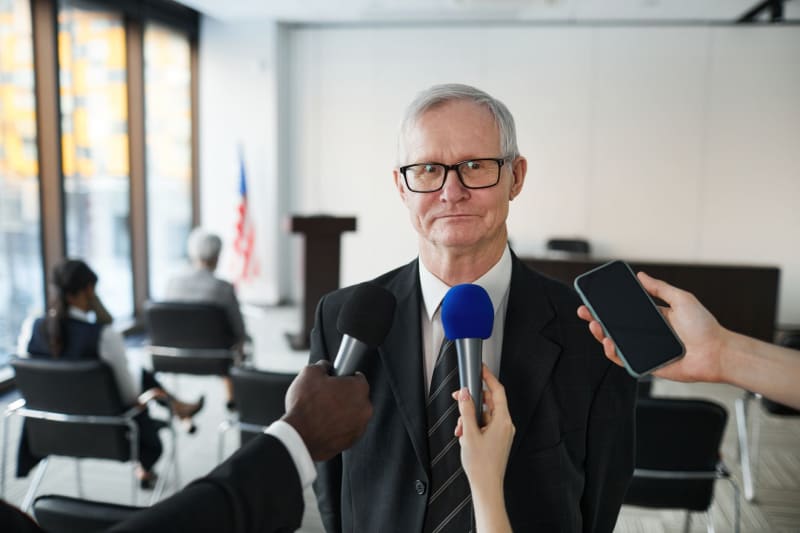
- World leaders at the recent G7 summit were inadvertently caught on 'hot mics,' revealing candid discussions and personal observations during breaks from formal proceedings, sparking widespread public interest and media scrutiny.
- These captured conversations ranged significantly, encompassing everything from lighthearted, humanizing banter among heads of state to more serious, nuanced geopolitical observations and expressions of frustration regarding demanding schedules.
- The incidents powerfully underscore the relentless scrutiny and the almost complete lack of privacy that global figures face, even in moments perceived as informal or off-the-record, highlighting constant surveillance.
- Media outlets globally rapidly picked up on these unguarded remarks, dissecting every word and leading to immediate, widespread public interest and extensive analysis across various news platforms and social media.
- Some leaders and their diplomatic teams subsequently expressed palpable frustration over the unintended public dissemination of what they considered private thoughts, necessitating damage control and clarification efforts.
- Ultimately, these 'hot mic' discussions offered a rare, compelling glimpse into the authentic personalities and human elements behind the carefully constructed political facades, humanizing the often-impersonal world of diplomacy.
The Human Face
Even the most powerful individuals on the global stage are, at their core, human. The recent G7 summit offered a stark reminder of this fundamental truth, as 'hot mics' inadvertently captured moments of unguarded conversation among world leaders. These fleeting glimpses revealed not just policy discussions, but also personal frustrations, shared jokes, and candid observations about the pressures of their roles. For many, it was a moment to see beyond the carefully constructed public personas, offering a rare, unfiltered look at the individuals tasked with navigating complex international relations. The pressure to maintain composure and diplomatic decorum is immense, and these slip-ups underscore the constant vigilance required, even during seemingly private exchanges. This unexpected transparency, however brief, fosters a sense of connection, even as it raises questions about privacy in the digital age, forcing a re-evaluation of what constitutes public versus private in an interconnected world.
One notable exchange involved a lighthearted comment about a fellow leader's punctuality, delivered with a chuckle that humanized the often-stoic figure. Another revealed a brief, exasperated sigh about the relentless schedule, a sentiment undoubtedly shared by many in high-pressure professions. These moments, while seemingly minor, resonate deeply because they bridge the immense gap between the public and their leaders. They remind us that behind the weighty decisions and diplomatic protocols are individuals grappling with similar human experiences – fatigue, humor, and occasional exasperation. This unexpected transparency, however brief, fosters a sense of connection, even as it raises questions about privacy in the digital age. Such instances inadvertently peel back the layers of formality, presenting leaders not as abstract figures but as relatable individuals facing immense responsibilities under constant global scrutiny.
The public reaction was varied, ranging from amusement to critical analysis. Some found the candid remarks refreshing, appreciating the authenticity they conveyed and feeling a rare connection to their leaders. Others viewed them as unprofessional, arguing that leaders should maintain an impeccable public image at all times, regardless of perceived privacy, to uphold the dignity of their office. Yet, the consensus largely leaned towards a fascination with these rare insights. It's a testament to our innate curiosity about those who wield significant power and influence. These humanizing moments, however accidental, offer a valuable counterpoint to the often-impersonal nature of international diplomacy, revealing the intricate tapestry of personalities that shape global events and prompting a broader discussion on the boundaries of public and private life for those in power.
How We Got Here
The phenomenon of 'hot mics' capturing candid remarks from public figures is hardly new, but its prevalence has intensified dramatically in the age of ubiquitous recording technology and instant global dissemination. Historically, such incidents were rarer, often confined to local news bloopers or accidental leaks that took time to spread. However, with every major international summit now extensively covered by numerous media outlets, each equipped with sophisticated audio and video recording capabilities, the chances of an unguarded comment being picked up have dramatically increased. The G7 summit, a high-stakes gathering of the world's leading economic powers, inherently attracts intense media scrutiny, creating an environment where every utterance, intended for public or private consumption, carries significant weight and potential for broader interpretation. The sheer volume of microphones and cameras present ensures comprehensive, if sometimes intrusive, coverage, making privacy a luxury almost impossible to attain for global leaders.
Modern media environments, characterized by 24/7 news cycles and the insatiable demand for exclusive content, amplify the impact of these 'hot mic' moments exponentially. A brief, off-the-cuff remark can instantly become a global headline, dissected and analyzed across social media platforms and traditional news channels alike, often without full context. This rapid dissemination means that leaders have virtually no grace period to manage or contextualize such comments; the narrative is often shaped within minutes by public reaction and media interpretation. The pressure on media teams to capture every angle and soundbite means that microphones are often left active even during perceived breaks or informal interactions, blurring the lines between official statements and private conversations. This technological omnipresence creates a constant state of vulnerability for public figures, forcing them into perpetual performance.
Furthermore, the nature of these high-level summits often involves intense, prolonged negotiations and discussions, pushing leaders to their physical and mental limits. Leaders are under immense pressure, operating on tight schedules with little downtime, making moments of genuine relaxation or candor rare but inevitable. In such environments, moments of levity or candidness, intended to diffuse tension or simply to express a personal thought, are almost unavoidable. The expectation that every word uttered by a world leader, even in a seemingly private context, is fair game for public consumption reflects a broader shift in public discourse. This shift underscores a growing demand for transparency, but also raises complex questions about the boundaries of privacy for individuals whose lives are inextricably linked to public service. The G7 incident serves as a potent reminder of this evolving, often unforgiving, landscape of public life.
Why This Cannot Be Ignored
The inadvertent broadcast of world leaders' private conversations, even seemingly innocuous ones, carries significant implications that extend far beyond mere public amusement. Firstly, it can inadvertently reveal strategic insights or diplomatic positions that were not intended for public consumption, potentially undermining sensitive negotiations or creating misunderstandings between nations. A casual remark about a particular policy or a subtle critique of an ally, when taken out of its intended context, can be amplified and misinterpreted, leading to diplomatic friction or even economic repercussions. The meticulous crafting of official statements and communiqués exists precisely to prevent such ambiguities, and 'hot mic' incidents bypass these carefully constructed channels, exposing vulnerabilities and potentially destabilizing carefully balanced international relationships. This uncontrolled dissemination of information poses a genuine threat to strategic communication.
Secondly, these incidents profoundly erode trust and create an environment of heightened paranoia among leaders and their teams. If private conversations are routinely exposed, leaders may become more guarded, less candid, and ultimately less effective in their informal interactions – interactions that are often crucial for building rapport and finding common ground. The ability to speak freely, to brainstorm ideas, or to express personal opinions without fear of immediate public scrutiny is vital for genuine human connection and effective collaboration, even at the highest levels of international diplomacy. When this space for candor is compromised, it can stifle genuine dialogue and force leaders into perpetually performative roles, hindering the very flexibility needed to address complex global challenges and potentially isolating them from their peers. This chilling effect on open communication is a serious concern.
Finally, the constant threat of 'hot mic' exposure raises fundamental questions about privacy for public figures and the ethical responsibilities of media. While transparency is undoubtedly valued in democratic societies, there is a legitimate and pressing debate to be had about where the line should be drawn between public interest and personal privacy, especially when it concerns informal interactions that are not part of official proceedings. These incidents compel us to consider whether the pursuit of every candid moment outweighs the potential damage to diplomatic relations, personal trust, and the overall efficacy of international governance. Ignoring these implications risks creating a chilling effect on open communication and potentially undermining the very mechanisms designed to foster global cooperation, ultimately hindering effective leadership and problem-solving on a global scale. The long-term consequences could be severe for international diplomacy.
Possible Paths Forward
Addressing the persistent challenge of 'hot mic' incidents requires a multi-faceted approach, balancing the public's demand for transparency with the critical need for effective, candid diplomatic communication. One immediate path forward involves implementing stricter, more robust protocols for media access and audio management at high-level summits. This could include clearly designated 'off-the-record' zones where leaders can converse freely, clearer guidelines for microphone activation and deactivation by media personnel, and regular, thorough sweeps for unauthorized recording devices. While complete control is impossible in an open media environment, establishing clear boundaries and actively enforcing them can significantly reduce the frequency of accidental disclosures. The goal isn't to silence leaders, but to create secure spaces where they can engage in necessary informal dialogue without inadvertently jeopardizing sensitive discussions or personal reputations, thereby protecting the integrity of diplomatic discourse. This proactive technical and procedural management is crucial for future summits.
Beyond technical solutions, there's a pressing need for a significant cultural shift in how both leaders and media operate. Leaders and their staff must undergo enhanced media training, specifically focusing on the omnipresence of recording devices and the profound implications of every utterance, even a whisper. This training should emphasize constant awareness, even in seemingly private moments, and equip them with practical strategies for managing informal interactions gracefully and securely. Simultaneously, media organizations could engage in a constructive dialogue about journalistic ethics concerning the publication of inadvertently recorded private conversations. While newsworthiness is a legitimate factor, considering the potential diplomatic fallout or personal impact before immediate publication could foster a more responsible media landscape. This doesn't mean advocating for censorship, but rather a thoughtful consideration of broader consequences that extend beyond a single scoop, promoting a more ethical approach to reporting.
Ultimately, the long-term solution might lie in fostering a greater understanding and acceptance of the human element in diplomacy from all stakeholders. While leaders are public servants with immense responsibilities, they are also individuals who experience the full range of human emotions and interactions. Acknowledging that informal banter or candid remarks are part of human interaction, and not always indicative of official policy or malicious intent, could significantly temper public and media reactions. This would require a mature approach from all sides: leaders being consistently mindful of their environment, media exercising greater discretion and contextual awareness, and the public developing a nuanced perspective that distinguishes between genuine gaffes and harmless human moments. Creating an environment where leaders can be both effective and authentically human, without constant fear of misinterpretation and public backlash, is a complex but essential goal for the future of international relations and global governance.
Questions People Are Actually Asking
What to Watch
- **Evolving Media Protocols at Future Summits:** Observe whether G7 and other major international gatherings implement stricter, more defined rules for media access and audio recording, particularly in informal settings, to mitigate future 'hot mic' incidents and protect diplomatic candor.
- **Leaders' Public Reactions and Adaptations:** Pay attention to how world leaders and their diplomatic teams publicly address or subtly adapt their communication styles in light of increased scrutiny, potentially becoming more guarded even in perceived private moments, impacting spontaneity.
- **The Broader Debate on Privacy vs. Transparency:** Monitor ongoing discussions in media ethics and public discourse regarding the delicate balance between the public's demand for transparency from leaders and the necessity for a degree of privacy for candid, effective diplomatic interactions.
- **Technological Advancements in Audio Surveillance:** Keep an eye on new developments in audio recording and broadcasting technology, which could either exacerbate the 'hot mic' problem by making surveillance easier or offer novel solutions for secure communication in high-stakes environments.
- **Impact on Informal Diplomacy:** Assess if these incidents lead to a noticeable decrease in spontaneous, informal interactions between leaders, which are often crucial for building rapport, fostering trust, and resolving complex issues outside formal, rigid negotiations.
- **Public Perception of Leader Authenticity:** Track shifts in public opinion regarding leaders' authenticity; whether these 'hot mic' moments are seen as refreshing glimpses of humanity or as unprofessional lapses that erode trust in their official capacities and judgment.










Comments
No comments yet. Be the first to comment!