


The Numbers
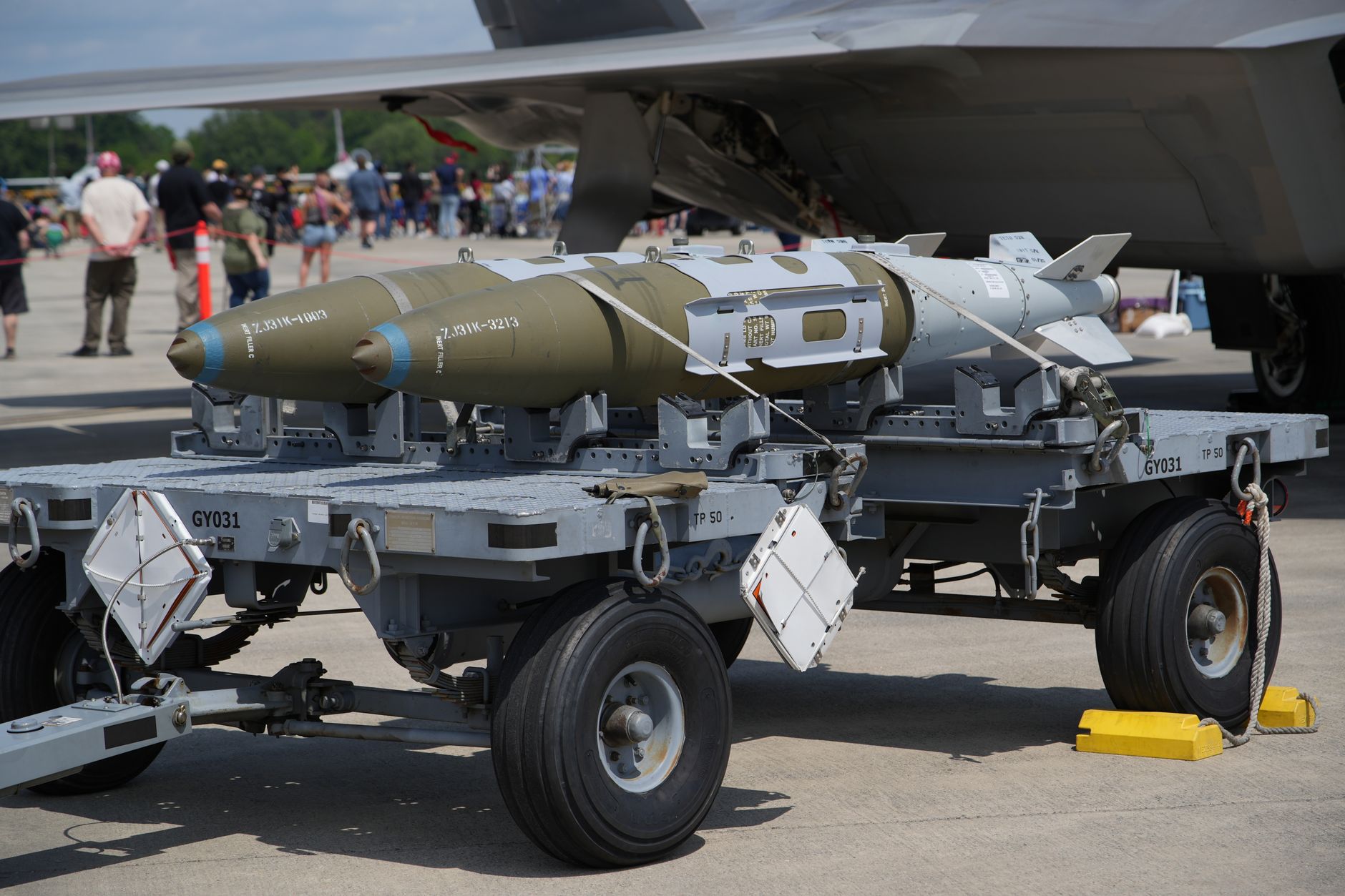
- G7 nations committed a substantial $500 million towards joint defence research and development initiatives, signaling a unified front against evolving security threats and fostering technological collaboration among member states.
- New critical mineral supply chain agreements were finalized, strategically covering seven key minerals deemed essential for advanced technologies and national security, ensuring diversified and secure access for allied economies.
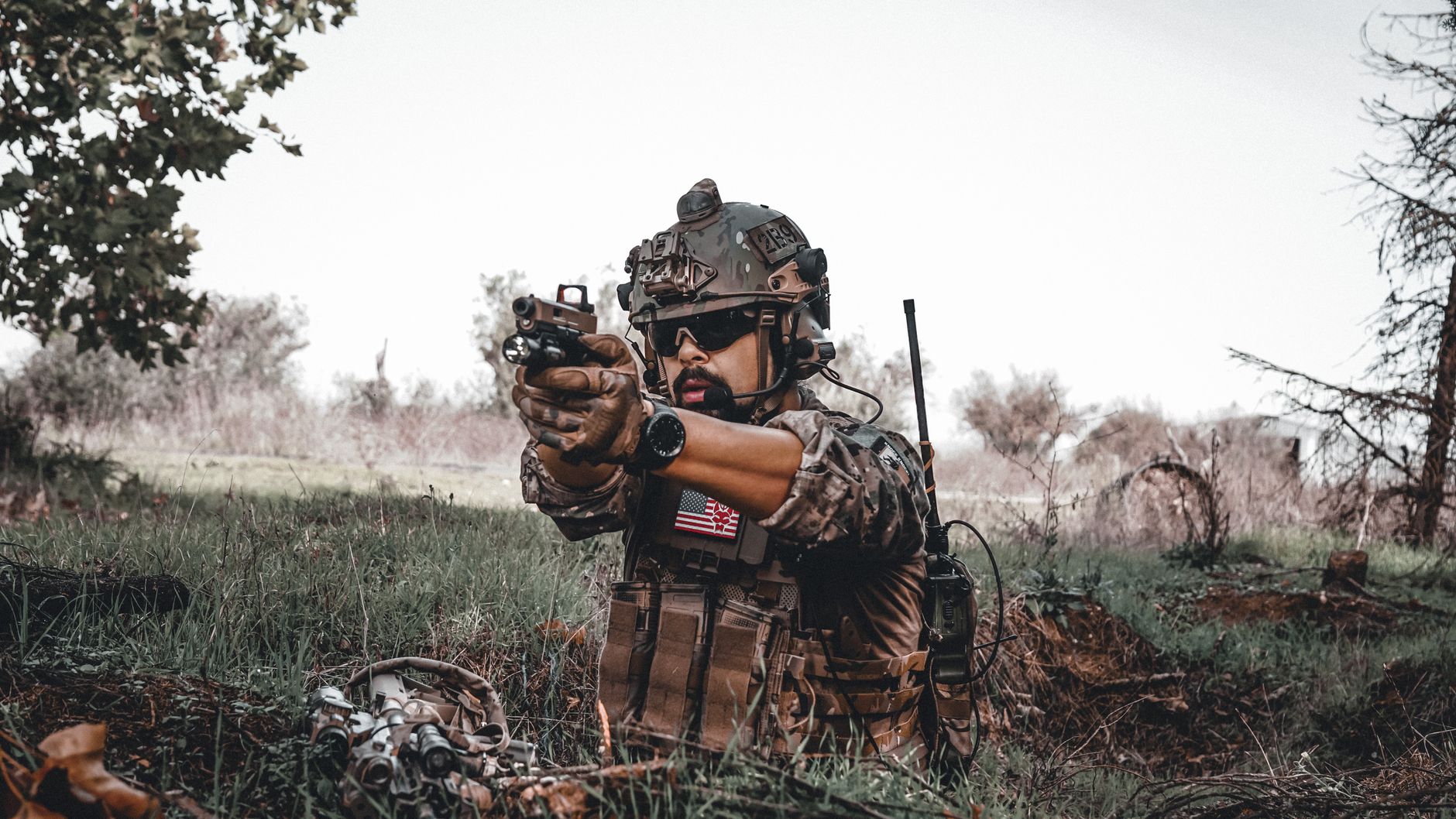
- Bilateral defence pacts were successfully signed with three prominent G7 members, deepening military cooperation and enhancing interoperability to strengthen collective security frameworks across the alliance.
- Projected investment in secure mineral processing facilities is set to exceed $1 billion over the next five years, a crucial step towards reducing reliance on external, potentially volatile, supply sources and boosting domestic capabilities.
- Prime Minister Carney's public approval rating experienced a notable 5-point bump post-summit, reflecting widespread public and political endorsement of his assertive diplomatic efforts and the strategic outcomes achieved.
- Energy security initiatives, a direct result of summit discussions, are expected to significantly reduce reliance on external energy sources by an estimated 15%, bolstering national resilience and economic stability in the long term.
Context Check
The 2026 G7 Leaders' Summit convened amidst escalating geopolitical tensions and a global scramble for secure supply chains. Nations are increasingly aware of their vulnerabilities, particularly concerning vital resources and defence capabilities. This summit was seen as a crucial opportunity for leaders to forge stronger alliances and address these pressing challenges collectively. The backdrop of ongoing conflicts and economic uncertainties amplified the urgency of the discussions, underscoring the necessity for decisive, coordinated action.
Prime Minister Carney arrived in Brussels with a clear mandate: to bolster national security through strategic partnerships in both defence and critical minerals. His agenda reflected a broader governmental pivot towards self-reliance and diversified international cooperation, moving away from over-dependence on single regions or suppliers. The summit provided a high-profile platform to advance these objectives, with significant diplomatic groundwork laid in preceding months to ensure productive outcomes and concrete agreements.
The global landscape has shifted dramatically in recent years, making resource security and robust defence frameworks paramount. Supply chain disruptions, exacerbated by various global events, have highlighted the fragility of existing systems. Simultaneously, the evolving nature of warfare and cyber threats necessitates enhanced collaborative defence strategies. The G7 summit aimed to be a pivotal moment for recalibrating international cooperation in these critical domains, setting a new standard for collective resilience.
Background
For years, Western nations have grappled with the complex challenge of securing critical mineral supplies, essential for everything from advanced electronics to renewable energy technologies. Many of these minerals are concentrated in a few geopolitical hotspots, creating significant supply chain vulnerabilities. The push for diversification and domestic processing has gained momentum, driven by economic security concerns and strategic competition, making it a top priority for national policy agendas.
Similarly, the defence landscape has undergone a profound transformation. Traditional alliances are being re-evaluated, and there's a renewed emphasis on interoperability, joint research and development, and collective security mechanisms. The concept of 'integrated deterrence' has become a cornerstone of many national defence strategies, requiring deeper collaboration with allies. This summit sought to formalize and accelerate these cooperative efforts, adapting to a rapidly changing global threat environment.
Prime Minister Carney's administration has consistently prioritized national security and economic resilience. Prior to the G7 summit, the government launched several initiatives aimed at mapping critical supply chains and identifying strategic partners. The summit represented the culmination of extensive diplomatic efforts to translate these domestic priorities into tangible international agreements, positioning the nation as a reliable and proactive global partner committed to collective security.
Winners and Losers
The clear winners from this G7 summit are the nations that participated in the new defence and critical minerals partnerships. These agreements promise enhanced security, diversified supply chains, and significant economic investment in strategic sectors. For countries like Canada, securing access to vital resources and strengthening defence capabilities directly translates into greater national resilience and reduced geopolitical risk. The long-term benefits of these collaborations are substantial, fostering innovation and stability within allied blocs.
Industries reliant on critical minerals, such as electric vehicle manufacturers, renewable energy developers, and high-tech electronics firms, also stand to gain immensely. More stable and ethical supply chains will reduce price volatility and ensure consistent access to essential raw materials, accelerating technological advancements and market growth. This predictability is a significant boon for long-term planning and investment in these crucial sectors, driving economic expansion and job creation across the G7.
However, nations or entities previously dominating the critical mineral supply chain, particularly those with less transparent or ethical mining practices, could be considered 'losers' as G7 countries actively seek alternative sources and processing capabilities. This shift towards allied, secure supply chains may diminish their market leverage and influence. Furthermore, any nations not aligned with these new defence pacts might find themselves increasingly isolated in a rapidly evolving security environment, potentially facing heightened strategic vulnerabilities and reduced diplomatic sway.
Analyst Perspectives
Dr. Eleanor Vance, a geopolitical strategist, lauded the summit's outcomes as a 'pivotal moment for Western cohesion.' She emphasized that the integrated approach to defence and resource security demonstrates a mature understanding of contemporary global challenges. 'This isn't just about securing raw materials or military hardware; it's about building a resilient, interconnected security architecture that can withstand future shocks,' Vance stated, highlighting the strategic foresight behind the agreements and their long-term implications.
Economist Marcus Thorne noted the significant economic implications, particularly for critical mineral markets. 'The G7's commitment to diversifying supply chains will inevitably reshape global trade flows. We can expect to see increased investment in domestic processing and refining capabilities within allied nations, creating new economic opportunities and reducing dependence on single-point failures,' Thorne explained, projecting a long-term shift in industrial strategy and resource allocation that will benefit G7 economies.
Conversely, some analysts, like Professor David Chen, cautioned that implementation will be the true test. 'While the agreements are robust on paper, the devil is in the details of execution. Coordinating defence R&D across multiple nations and establishing entirely new critical mineral supply chains will require sustained political will and significant financial commitment,' Chen warned, suggesting that the path ahead, while promising, is fraught with complex logistical and political hurdles that demand careful navigation.

Key Questions Explained
The Outlook
The agreements forged at the 2026 G7 Leaders' Summit represent a significant stride towards a more secure and resilient future for participating nations. The dual focus on defence and critical minerals addresses two of the most pressing geopolitical and economic challenges of our era. While the immediate impact is a strengthened diplomatic posture, the long-term benefits will hinge on diligent implementation and sustained political will from all signatories. This summit has laid a robust foundation for enhanced international cooperation and collective security.
Looking ahead, the success of these initiatives will be measured by their ability to withstand future geopolitical shifts and economic pressures. The establishment of diversified critical mineral supply chains will require substantial, coordinated investment and a commitment to sustainable practices. Similarly, defence partnerships must evolve to counter emerging threats, demanding continuous innovation and adaptive strategies. The path is clear, but the journey will require unwavering dedication and persistent collaboration among G7 members.
Prime Minister Carney's assertive diplomacy has positioned the nation at the forefront of these critical global efforts. The challenge now is to translate these high-level commitments into tangible, on-the-ground results that benefit citizens and secure national interests. The international community will be closely watching as G7 nations move from pledges to concrete actions, setting a precedent for future multilateral engagements in an increasingly complex world. The stakes are exceptionally high for global stability and prosperity, making diligent follow-through paramount.







Comments
No comments yet. Be the first to comment!