
What We Know
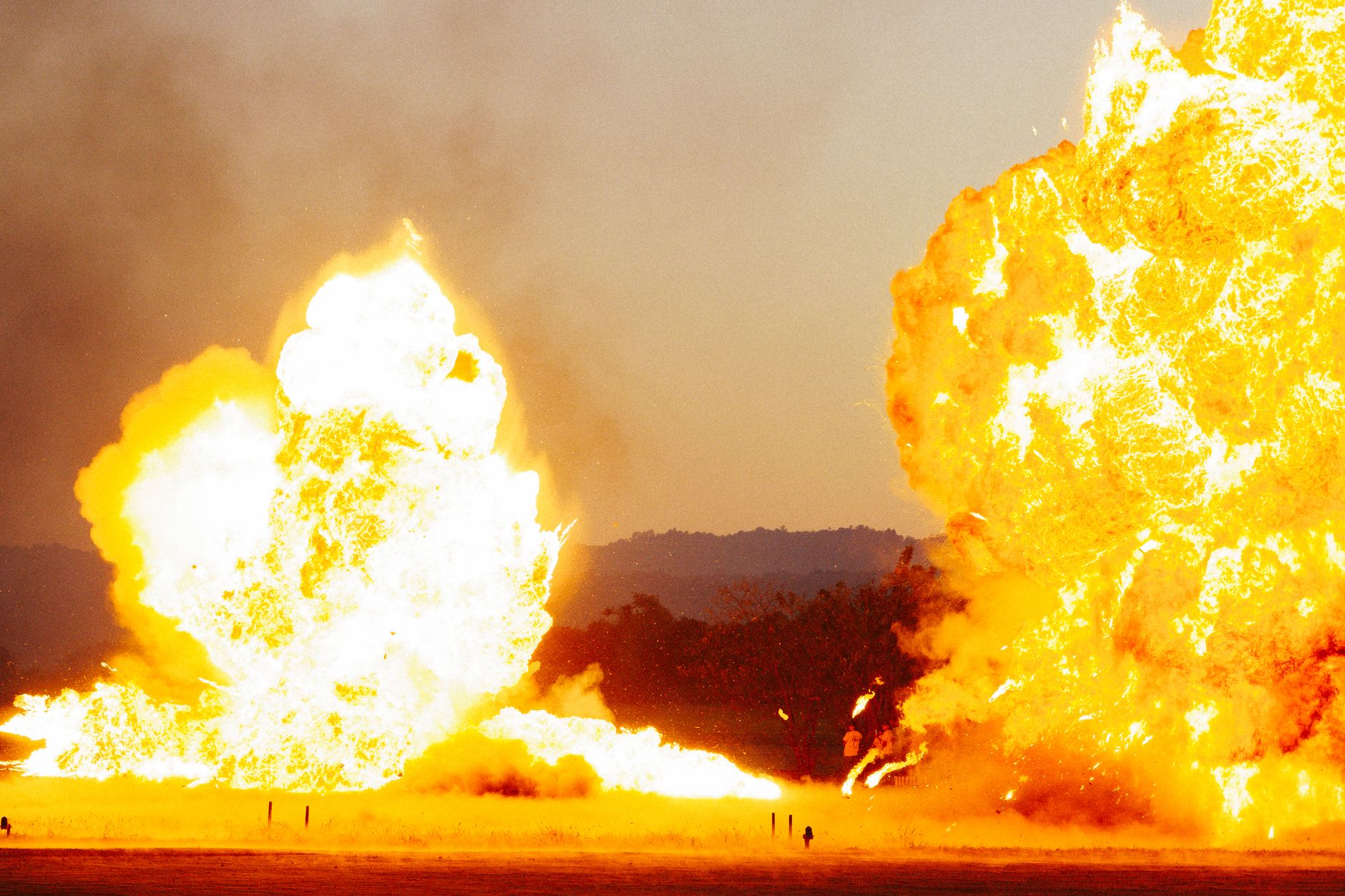
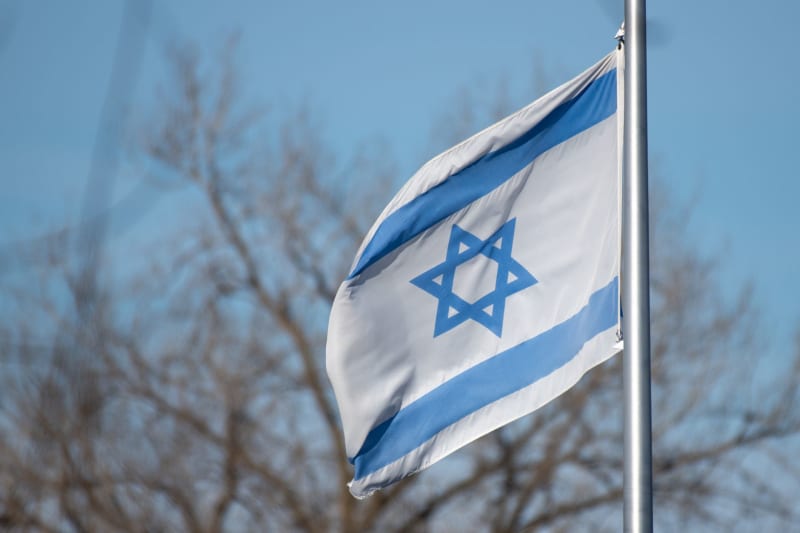
- U.S. officials have formally announced an agreement for a ceasefire between Israel and Hezbollah, signaling a critical diplomatic effort to de-escalate the intense cross-border conflict that has plagued the region for an extended period.
- Despite the official declaration, reports from the ground consistently indicate that sporadic attacks and retaliatory strikes are still occurring along the Israel-Lebanon border, raising serious concerns about the immediate effectiveness and adherence to the declared truce.
- The agreement reportedly outlines specific parameters for de-escalation, including a significant reduction in military activity and a mutual commitment from both sides to refrain from initiating further offensive actions, though precise details remain largely undisclosed.
- International bodies and key regional players have been actively involved in mediating this ceasefire, underscoring the widespread apprehension regarding the potential for a broader conflict that could destabilize the entire Middle East region.
- The primary objective of this ceasefire is to create a crucial window for more comprehensive diplomatic negotiations, aimed at achieving a longer-term stability arrangement and preventing a dangerous return to full-scale hostilities.
- Both Israeli and Lebanese populations in the directly affected border areas remain on high alert, with many displaced individuals still hesitant to return home, reflecting deep-seated anxieties despite the hopeful news of a ceasefire agreement.
What We Do Not Know Yet
- The precise terms and conditions of the ceasefire agreement have not been fully disclosed to the public, leading to significant uncertainty regarding the specific commitments made by both Israel and Hezbollah and how they will be effectively verified.
- It remains unclear what robust enforcement mechanisms are in place to ensure consistent compliance from both parties, especially given the historical context of deep mistrust and the ongoing military actions reported even after the truce's announcement.
- The long-term implications for broader regional security and the potential for a truly durable peace settlement are still highly speculative, as the current agreement appears to be a fragile, immediate de-escalation rather than a comprehensive resolution.
- The specific role of various international actors, beyond the initial U.S. official announcement, in monitoring and sustaining this ceasefire is not fully defined, raising critical questions about accountability and future mediation efforts.
- Whether the ceasefire will ultimately lead to a significant withdrawal of forces from border areas or a re-establishment of previous security arrangements is yet to be determined, directly impacting the lives of thousands of displaced civilians.
- The extent of internal political support for this ceasefire within both Israel and Lebanon, particularly from hardline factions and influential political blocs, remains an open and crucial question, which could significantly influence its longevity and effectiveness.
Background
The simmering conflict between Israel and Hezbollah possesses deep historical roots, dating back decades to the tumultuous Lebanese Civil War and Israel's subsequent occupation of southern Lebanon. Hezbollah, a powerful Shiite political party and militant group, emerged as a primary resistance force, eventually solidifying its position as a dominant non-state actor with significant military capabilities and profound political influence within Lebanon. This protracted rivalry has seen multiple dangerous escalations, including major conflicts in 1982, 1993, 1996, and most notably, the devastating 2006 Lebanon War, which resulted in widespread destruction and significant casualties on both sides, profoundly shaping the geopolitical landscape of the region and entrenching mutual animosity that continues to this day.
Recent months have witnessed an alarming intensification of cross-border hostilities, primarily triggered by the broader regional instability following events elsewhere in the Middle East. Hezbollah has launched a barrage of rockets and drones into northern Israel, citing solidarity with other regional actors, while Israel has responded with precision airstrikes and heavy artillery fire targeting Hezbollah infrastructure and operatives deep within Lebanese territory. These escalating exchanges have forced tens of thousands of civilians to evacuate their homes on both sides of the border, creating a severe humanitarian crisis and severely disrupting daily life, pushing the region precariously close to an all-out war with potentially catastrophic consequences for both nations and beyond.
The current ceasefire initiative represents a desperate and urgent attempt by international mediators, particularly the United States, to de-escalate a situation teetering on the brink of a much larger conflagration. The continuous exchange of fire, despite repeated calls for restraint from global powers, highlighted the immediate and pressing need for a robust diplomatic intervention to prevent a wider conflict that could easily draw in other regional and global powers. The inherent fragility of the current situation is starkly underscored by the fact that even as a ceasefire is announced, reports of ongoing skirmishes persist, illustrating the profound challenges in effectively enforcing such an agreement in an environment characterized by deep-seated distrust and entrenched military postures.
Why It Matters
The stability of the Israel-Lebanon border is a critical barometer for the wider Middle East, and any significant escalation here carries immense regional and global implications that cannot be overstated. A full-scale conflict between Israel and Hezbollah would not only devastate both nations but could easily spill over, drawing in other state and non-state actors, potentially igniting a multi-front war across the region. Such a catastrophic scenario would severely disrupt global energy markets, trigger massive refugee flows across continents, and further destabilize an already volatile region, creating a cascade of humanitarian and geopolitical crises that would be incredibly difficult, if not impossible, to contain. The economic repercussions alone would be staggering, impacting international trade and investment worldwide.
For the civilian populations on both sides of the border, the stakes are profoundly personal and immediate, impacting every aspect of their daily lives. Thousands have already been forcibly displaced from their homes, their livelihoods and futures upended by the constant, terrifying threat of rockets and airstrikes. A sustained ceasefire offers a crucial, albeit fragile, glimmer of hope for these devastated communities to eventually return, rebuild their lives, and begin the arduous process of healing from the deep trauma of conflict. Without this vital pause in hostilities, the humanitarian crisis will inevitably deepen, access to essential services will be further hampered, and the psychological toll on generations will continue to mount, perpetuating cycles of fear and instability that undermine any prospects for long-term peace and prosperity.
The international community's credibility and its capacity for effective diplomacy are also significantly on the line with this ceasefire. The successful implementation and maintenance of this agreement would demonstrate that diplomatic channels can still function effectively even in the most intractable and deeply entrenched conflicts, offering a vital template for future interventions in other global hotspots. Conversely, if the ceasefire fails to hold, it would signal a profound failure of international efforts to de-escalate tensions, potentially emboldening extremist elements and diminishing global faith in peaceful resolutions. This critical moment truly tests the resolve of global powers to not only broker agreements but also to ensure their consistent adherence, which is crucial for maintaining any semblance of international order and stability.
Timeline of Events
- **Early October [Year]**: Following broader regional events, Hezbollah initiates a series of significant rocket attacks and drone incursions into northern Israel, marking a notable escalation from previous periods of relative calm and sparking immediate retaliation.
- **Mid-October [Year]**: Israel responds with targeted airstrikes and heavy artillery barrages against Hezbollah positions in southern Lebanon, emphasizing precision strikes to degrade the group's capabilities while attempting to minimize civilian casualties, though collateral damage was reported.
- **November [Year]**: Cross-border exchanges intensify dramatically, with daily rocket fire from Lebanon and sustained Israeli retaliatory strikes becoming commonplace. This period sees a significant increase in the number of displaced civilians on both sides, highlighting the growing humanitarian crisis.
- **December [Year]**: International diplomatic efforts begin to ramp up considerably, with various envoys from the United States, France, and other concerned nations engaging in intense shuttle diplomacy between Beirut and Jerusalem, attempting to broker a crucial de-escalation agreement.
- **Early January [Current Year]**: Reports surface of advanced and delicate negotiations being facilitated by U.S. officials, hinting at a potential breakthrough in the protracted conflict. These discussions focused intensely on establishing a framework for a cessation of hostilities and a return to calmer border conditions.
- **January [Current Year]**: A senior U.S. official publicly announces that Israel and Hezbollah have agreed to a ceasefire, a development cautiously welcomed by the international community, even as reports of continued isolated attacks temper initial optimism about its immediate effectiveness and durability.
Rapid-Fire Q&A
What Is Coming
- Immediate efforts will focus intensely on solidifying the fragile ceasefire, which includes establishing clear communication channels or indirect mediation paths to de-escalate any new incidents promptly and prevent misunderstandings from spiraling into renewed, full-scale conflict.
- International diplomatic engagement is expected to intensify significantly, with envoys likely pushing for a more robust and verifiable monitoring mechanism on the ground, possibly involving UN peacekeepers or other neutral observers, to verify compliance by both Israel and Hezbollah.
- Discussions will likely shift towards developing longer-term security arrangements for the Israel-Lebanon border, potentially exploring ideas such as demilitarized zones, mutual troop withdrawals, or enhanced roles for international forces to ensure lasting stability and prevent future flare-ups.
- Humanitarian organizations will be poised to immediately increase aid and support for displaced populations on both sides of the border, facilitating their safe return home and assisting with the crucial rebuilding of damaged infrastructure and shattered communities.
- The political landscapes within both Israel and Lebanon will be closely watched, as internal factions, public opinion, and coalition dynamics could significantly influence the willingness of leaders to adhere to the ceasefire and pursue further, more comprehensive peace initiatives.
- The ultimate success or failure of this ceasefire will inevitably have a profound impact on the broader geopolitical dynamics of the Middle East, potentially influencing other regional conflicts and the strategic approaches of major global powers involved in the area.










Comments
No comments yet. Be the first to comment!