

Policy Snapshot
- The Nigerien government swiftly condemned the attack, vowing to bring the perpetrators to justice and reaffirming its commitment to national security and the protection of its citizens and vital infrastructure.
- Immediate security reinforcements were deployed to the affected airport and other strategic locations across the region, signaling a heightened state of alert and a proactive stance against further aggression.
- A high-level security review has been initiated by defense authorities to thoroughly assess vulnerabilities at critical national infrastructure points, including airports, and to implement more robust protective measures.
- Niger has issued urgent calls for increased international solidarity and enhanced counter-terrorism support from regional and global partners, emphasizing the transnational nature of the extremist threat.
- A period of national mourning was declared to honor the fallen soldiers and civilians, fostering a sense of national unity and resilience in the face of this brutal act of violence and aggression.
- Preliminary intelligence gathering efforts are underway, with initial reports suggesting the involvement of a well-known militant group operating in the Sahel, prompting targeted intelligence-led operations.
- Temporary restrictions on movement near sensitive installations have been implemented to mitigate immediate risks and prevent any potential follow-up incidents, prioritizing public safety and operational security.
- Humanitarian aid and psychological support initiatives are being organized for the families of the victims and the broader communities affected by the trauma of the attack, addressing both immediate and long-term needs.
The Policy History
The Sahel region, encompassing Niger, has long been a crucible of instability, plagued by a complex web of militant groups, ethnic conflicts, and socio-economic grievances. These extremist organizations, often linked to global terror networks like Al-Qaeda and ISIS, exploit vast, ungoverned spaces and porous borders to launch devastating attacks, recruit disillusioned youth, and destabilize state authority. The escalating violence has created a humanitarian crisis, displacing millions and severely hampering development efforts across the region. Niger, strategically located, finds itself at the epicenter of this protracted struggle, battling insurgents on multiple fronts while striving to maintain internal cohesion and protect its populace.
Niger's government has historically grappled with these persistent security challenges, implementing various counter-terrorism strategies, often with the support of international partners. These efforts have included military operations, intelligence sharing, and attempts at community engagement to counter radicalization. However, the sheer scale and adaptability of the militant groups, coupled with limited resources and vast, challenging terrain, have made comprehensive security elusive. International forces, including those from France and the United States, have maintained a presence in Niger, providing training, logistical support, and intelligence, yet the recent surge in attacks suggests these measures, while crucial, have not been entirely sufficient to stem the tide of violence.
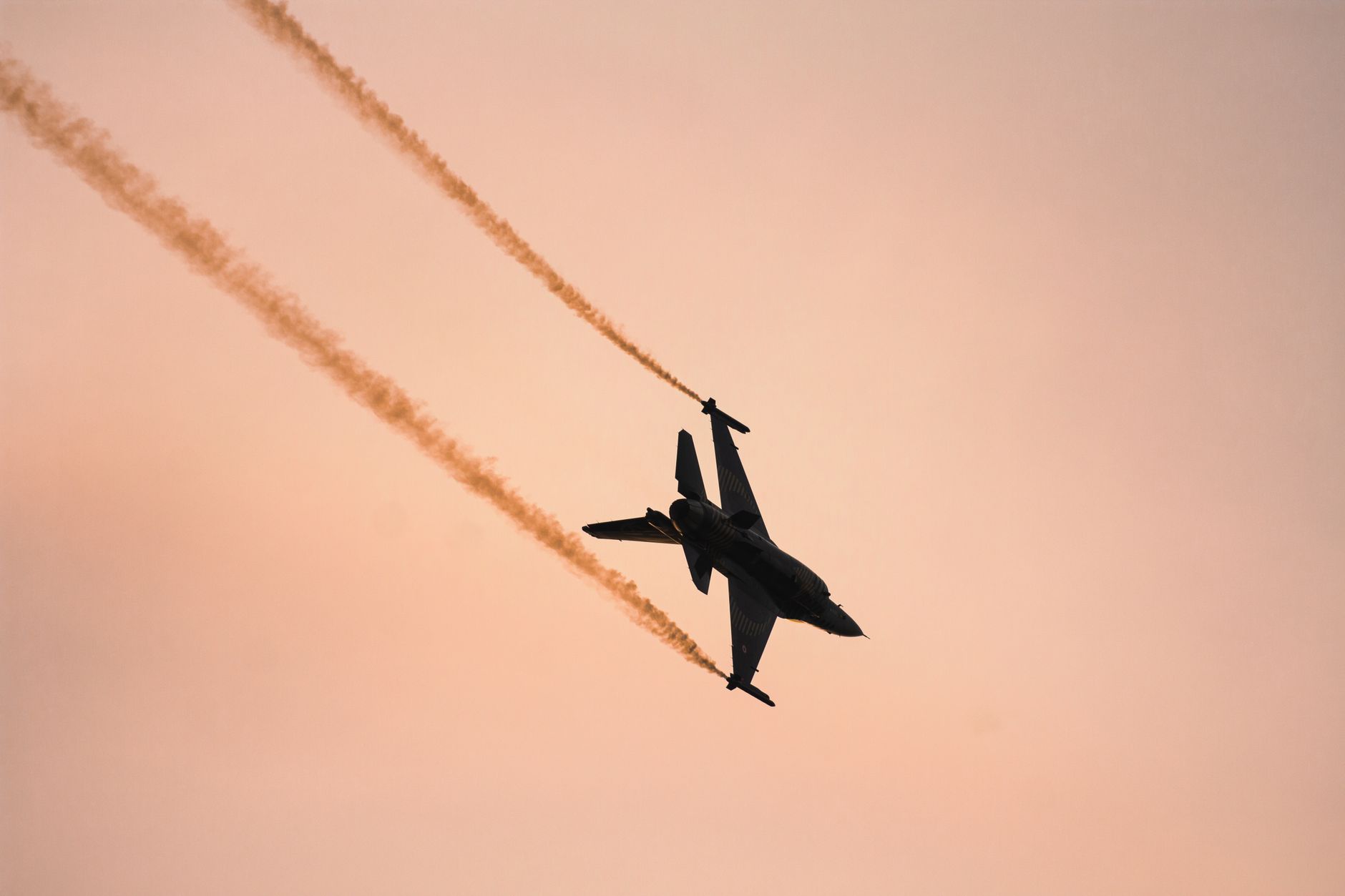
The targeted airport, whose name has been withheld for security reasons, represents a critical piece of national infrastructure, vital for both domestic and international travel, as well as logistical support for military operations. Its strategic importance makes it a high-value target for groups seeking to disrupt government functions, sow fear, and demonstrate their operational capabilities. An attack on such a facility not only causes immediate casualties and damage but also sends a chilling message about the reach and audacity of these militant organizations, potentially impacting regional trade, investment, and the overall perception of security within the country and across the broader Sahelian states.
Who Is Affected
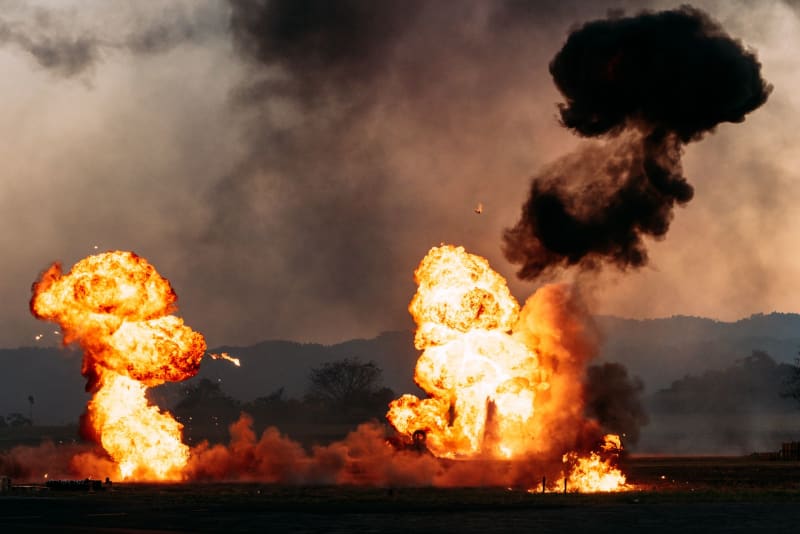
The immediate and most tragic impact of this brutal attack falls upon the thirteen individuals who lost their lives: eleven brave soldiers defending their nation and two innocent civilians caught in the crossfire. Their families now face an unimaginable void, grappling with profound grief and the sudden loss of loved ones. Beyond the direct casualties, countless others, including the injured, witnesses, and first responders, will carry the physical and psychological scars of this traumatic event for years to come. The ripple effect of such violence extends deeply into the fabric of these communities, demanding long-term support and remembrance.
Beyond the immediate victims, the attack significantly impacts airport staff, local businesses, and the broader community surrounding the facility. Airport employees, from security personnel to ground crew and administrative staff, face heightened risks and psychological stress, potentially affecting their ability to perform essential duties. Local businesses, particularly those reliant on airport traffic or located nearby, may experience severe disruptions, leading to economic hardship and job losses. The psychological toll on the community is immense, fostering a pervasive sense of fear, insecurity, and distrust, which can erode social cohesion and daily life.
At a national level, the attack represents a direct challenge to the government's legitimacy and its fundamental responsibility to provide security for its citizens. It can undermine national morale, creating an atmosphere of vulnerability and questioning the effectiveness of existing defense strategies. Economically, such incidents deter foreign investment, disrupt trade routes, and strain national budgets as more resources are diverted to security, potentially at the expense of vital development programs. This cycle of violence and insecurity threatens to entrench poverty and instability, making the path to sustainable peace and prosperity even more arduous for Niger.
The Case For Enhanced Security & Regional Cooperation
The recent airport attack unequivocally underscores the critical necessity for a significantly more robust military response, coupled with enhanced intelligence sharing and impenetrable border security. Proponents argue that a decisive military posture, involving targeted operations against militant strongholds and increased patrols in vulnerable areas, is essential to degrade the capabilities of extremist groups. Furthermore, seamless intelligence sharing among national security agencies and international partners is paramount to anticipate and neutralize threats before they materialize. Strengthening border controls is also vital to prevent the free movement of militants, weapons, and illicit goods that fuel the insurgency, thereby creating a more secure operational environment.
There is a compelling argument for increased international military and logistical support to Niger. The scale of the threat often overwhelms the resources of individual nations in the Sahel. International partners can provide advanced training, sophisticated surveillance technology, critical air support, and essential logistical aid, which are indispensable for effective counter-terrorism operations across vast and challenging terrains. This support is not merely an act of solidarity but a strategic imperative, as instability in the Sahel has far-reaching implications for global security, including potential migration crises and the spread of extremist ideologies beyond regional borders, making it a shared responsibility.
The imperative of regional collaboration, particularly through frameworks like the G5 Sahel Joint Force and ECOWAS, cannot be overstated. Militant groups exploit the artificiality of national borders, moving freely between countries to evade capture and launch cross-border attacks. A truly effective counter-terrorism strategy demands coordinated efforts, joint military operations, and harmonized legal frameworks across neighboring states. This collective approach ensures that pressure on militants is sustained, denying them safe havens and disrupting their supply lines and recruitment networks, ultimately fostering a more secure and stable environment for all nations in the sub-region.
The Case Against Current Security Posture / Against Isolationism
Critics argue that the current security strategies, often heavily reliant on military force, have proven insufficient to address the root causes of extremism and have, in some instances, exacerbated the problem. A narrow focus on kinetic operations without parallel efforts in governance, justice, and development can alienate local populations, driving them into the arms of militant groups who often exploit grievances related to state neglect or abuses. Furthermore, resource allocation may be skewed, with disproportionate spending on military hardware at the expense of essential social services, leading to a cycle of underdevelopment and continued instability. A critical re-evaluation of these strategies is imperative to achieve sustainable peace.
Concerns are frequently raised about the potential for over-militarization to lead to unintended consequences, including human rights abuses by security forces and the erosion of civilian trust. When security operations lack transparency, accountability, or respect for human rights, they risk alienating the very communities whose support is crucial for intelligence gathering and counter-insurgency efforts. Such actions can inadvertently fuel resentment and provide fertile ground for militant recruitment, creating a vicious cycle where increased military presence leads to increased radicalization. A balanced approach prioritizing human rights and community engagement is essential to avoid these pitfalls.
The argument against a purely military solution emphasizes the profound need for comprehensive socio-economic development and significant improvements in governance to effectively address the underlying causes of extremism. Poverty, lack of educational opportunities, unemployment, and perceived injustices are powerful drivers of radicalization. Without robust investments in education, healthcare, infrastructure, and job creation, alongside reforms to enhance judicial fairness and reduce corruption, military victories will remain temporary. A holistic strategy must tackle these systemic issues to build resilient communities that are less susceptible to extremist ideologies and more invested in the stability of their state.
Policy Questions Answered
Implementation Watch
In the immediate aftermath, the focus remains squarely on the ongoing investigation into the airport attack. We will be closely monitoring the progress of law enforcement and intelligence agencies as they work to identify, apprehend, and bring to justice the perpetrators and masterminds behind this brutal act. Key indicators will include the speed and transparency of the investigation, any arrests made, and the evidence presented to the public. Accountability for such egregious acts is paramount not only for justice but also to deter future attacks and restore public confidence in the rule of law and the state's capacity to protect its citizens.
Beyond the immediate response, attention will shift to the rollout and effectiveness of new security protocols and infrastructure upgrades. This includes observing whether the government implements enhanced surveillance systems, strengthens perimeter defenses at critical installations, and deploys additional, well-trained security personnel. Furthermore, the efficiency of military deployments and the strategic reallocation of resources will be crucial. The success of these measures will be judged by their ability to prevent similar incidents, improve response times, and visibly reassure both the local population and international observers that concrete steps are being taken to bolster national security.
Longer-term, we will evaluate the impact and sustainability of regional and international counter-terrorism initiatives in the wake of this attack. This involves scrutinizing the effectiveness of cross-border intelligence sharing, the coordination of joint military operations with partners like the G5 Sahel, and the sustained provision of international aid and technical assistance. The ultimate measure of success will be a demonstrable reduction in militant activity, an improvement in overall regional stability, and the ability of these combined efforts to address not just the symptoms but also the underlying drivers of extremism, fostering a more secure and prosperous future for Niger and the Sahel.












Comments
No comments yet. Be the first to comment!