

Key Takeaways
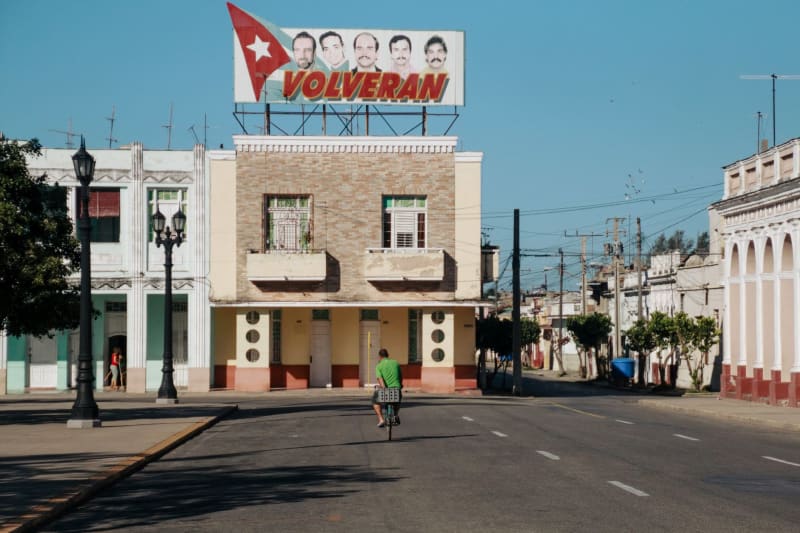
- Cuban lawmakers have enacted sweeping legislation, marking an unprecedented pivot towards a more market-oriented economy by significantly expanding the scope for private enterprise across the island nation.
- The reforms are poised to dramatically increase the private sector's role, allowing individuals and cooperatives to operate in numerous industries previously monopolized by the state, fostering new avenues for economic activity and innovation.
- This monumental shift represents a substantial reduction in the state's pervasive control over economic affairs, challenging decades of socialist ideology and potentially decentralizing power within the Cuban economic landscape.
- While promising new opportunities, the immediate and long-term impact on the average Cuban citizen remains highly uncertain, with potential benefits like increased availability of goods balanced against risks of rising inequality and inflation.
- The international community is closely monitoring these developments, with reactions ranging from cautious optimism regarding economic liberalization to concerns about the pace of political reforms and human rights implications.
- These legislative changes are a direct response to Cuba's deepening economic crisis, including severe shortages, hyperinflation, and a struggling tourism sector, underscoring the government's urgent need to stimulate growth and alleviate widespread public hardship.
Background
For over six decades, Cuba's economy has been largely defined by centralized state control, a cornerstone of its socialist revolution. This model, while ensuring basic services, has consistently struggled with efficiency, productivity, and innovation, leading to chronic shortages and a heavy reliance on external subsidies, first from the Soviet Union and later, to a lesser extent, from Venezuela. The current legislative push for privatization marks the most significant ideological and practical departure from this entrenched system since the early days of the revolution, signaling a profound reevaluation of the nation's economic future in the face of persistent hardship.
The impetus for these sweeping reforms stems directly from Cuba's escalating economic crisis, exacerbated by the collapse of Venezuelan aid, tightened U.S. sanctions, and the devastating impact of the global pandemic on its vital tourism sector. Ordinary Cubans face daily struggles with hyperinflation, severe food and medicine shortages, and a widening gap between official wages and the cost of living. This dire situation has created an undeniable urgency within the government to implement drastic measures, hoping to inject dynamism and resilience into a system teetering on the brink.
Historically, even minor economic liberalizations in Cuba have been met with caution and often reversed or heavily regulated. The current reforms, however, appear to be more comprehensive and structurally embedded, aiming to create a permanent space for private enterprise rather than merely a temporary concession. This shift suggests a recognition by the ruling Communist Party that the old economic paradigm is unsustainable, and that a degree of market liberalization is essential for the nation's survival and future prosperity, even if it means challenging long-held ideological tenets.
Why It Matters
This legislative overhaul is not merely an economic adjustment; it represents a fundamental redefinition of Cuba's societal contract and its place in the global economy. By allowing private entities to operate in sectors previously reserved for the state, the government is effectively decentralizing economic power, a move that could unleash entrepreneurial spirit and innovation but also introduce new forms of economic stratification. The success or failure of these reforms will have profound implications for the daily lives of millions of Cubans, determining their access to goods, services, and opportunities for generations to come.
The global community is watching these developments with intense interest, as Cuba's economic trajectory could influence regional stability and international relations. A successful transition could offer a new model for other state-controlled economies grappling with similar challenges, potentially opening doors for increased foreign investment and trade. Conversely, a faltering or poorly managed transition could lead to social unrest, exacerbate existing inequalities, and further isolate the island, deepening its humanitarian crisis and creating new geopolitical complexities in the Caribbean.
Beyond the immediate economic impact, these reforms carry significant symbolic weight, challenging the very core of Cuba's revolutionary identity. For decades, the state's omnipresence in economic life was a defining characteristic. This pivot towards private enterprise, however cautious, suggests a pragmatic acknowledgment that ideological purity cannot override the urgent need for economic vitality. It offers a glimmer of hope for a more diverse and resilient economy, potentially fostering a more dynamic society where individual initiative plays a greater, officially recognized role, even as the state maintains ultimate political control.
Ground Reality
On the streets of Havana and across Cuba, the daily reality for most citizens is one of relentless struggle against scarcity and inflation. Basic necessities like food, medicine, and fuel are often hard to find or prohibitively expensive, pushing many to rely on remittances from abroad or the thriving informal economy. The official state-run stores offer limited selections, while the black market, though risky, often provides the only reliable access to essential goods. This pervasive economic hardship has fueled a deep sense of frustration and a longing for tangible improvements in living standards, making the promise of these reforms a beacon of cautious hope for many.
Despite decades of state control, a vibrant, albeit often illicit, private sector has always existed in Cuba, demonstrating the innate entrepreneurial spirit of its people. From paladares (private restaurants) to small-scale artisans and informal repair services, Cubans have consistently found ways to innovate and provide for themselves and their communities outside the official system. These new reforms aim to bring much of this activity into the legal framework, potentially legitimizing and expanding opportunities for countless individuals who have long navigated a complex web of regulations and unofficial channels, transforming their precarious livelihoods into recognized businesses.
While the legislative changes are significant, the true test lies in their implementation and the extent to which they genuinely empower ordinary citizens. Many Cubans remain skeptical, having witnessed previous reform efforts stall or fail to deliver widespread benefits. Concerns persist about bureaucratic hurdles, access to capital for new businesses, and the potential for existing power structures to disproportionately benefit from the liberalization. For these reforms to truly succeed, they must translate into tangible improvements in daily life, offering real economic agency and a path to prosperity for a broad segment of the population, not just a select few.
What Experts Are Saying
International economists are largely in agreement that Cuba's economic reforms are a necessary, albeit belated, step towards addressing its deep-seated structural issues. Dr. Emily Rodriguez, a Latin American economic specialist at the University of London, notes, "Cuba has been operating under an unsustainable model for too long. These reforms, while not a panacea, represent a crucial acknowledgment that market mechanisms are essential for growth and efficiency, especially in a globalized economy." However, many experts caution that the success hinges on the depth and speed of implementation, emphasizing that piecemeal changes may not be sufficient to overcome decades of stagnation and systemic inefficiencies.
Political analysts, while recognizing the economic imperative, are closely scrutinizing the reforms for their potential social and political ramifications. Dr. Javier Morales, a Cuba expert at Florida International University, observes, "The Cuban government is attempting a delicate balancing act: liberalizing the economy without ceding political control. This creates inherent tensions. The rise of a more affluent private sector could eventually lead to demands for greater political freedoms, challenging the Communist Party's monopoly on power." There are also concerns about the potential for increased social inequality, as those with existing capital or connections may be better positioned to capitalize on new opportunities, potentially exacerbating class divisions within Cuban society.
Despite the inherent challenges, some experts express cautious optimism, viewing these reforms as a potential catalyst for broader societal change. Professor Ana Pérez, a development economist, suggests, "By fostering a more dynamic private sector, Cuba could unlock significant human capital and innovation that has long been suppressed. This could lead to improved living standards, greater access to goods, and a more resilient economy less vulnerable to external shocks." However, she stresses the importance of parallel legal and institutional reforms to ensure transparency, protect property rights, and provide a level playing field for all entrepreneurs, warning that without these foundational elements, the reforms risk being undermined by corruption or arbitrary state intervention.

Frequently Asked Questions
What Happens Next
The immediate future will be defined by the complex and critical phase of implementation. While the legislative framework is now in place, the practical rollout of these reforms will require detailed regulations, clear guidelines for entrepreneurs, and significant bureaucratic adjustments. The government faces the monumental task of educating its populace on the new rules, facilitating access to necessary permits and licenses, and ensuring that the financial infrastructure can support a burgeoning private sector. Any missteps or delays in this initial phase could undermine public confidence and hinder the reforms' potential to stimulate genuine economic recovery.
The success of these reforms will also heavily depend on external factors, particularly the international community's response and the evolution of U.S.-Cuba relations. A relaxation of U.S. sanctions could significantly boost foreign investment and trade, providing a much-needed lifeline to the Cuban economy. Conversely, continued or tightened sanctions could severely limit the reach and impact of the reforms, making it difficult for private businesses to access international markets, capital, and essential supplies. The global economic climate and Cuba's ability to attract diverse international partners will also play a crucial role in shaping its economic outlook.
Looking further ahead, these reforms represent a long-term commitment to reshaping Cuba's economic identity. The government will need to continuously monitor the impact, adapt policies as needed, and address any unintended consequences, such as rising inequality or social dislocations. For ordinary Cubans, the coming years will be a period of adaptation, opportunity, and potential challenge as they navigate a new economic reality. If managed effectively, these reforms could pave the way for a more resilient, dynamic, and prosperous Cuba, fundamentally altering the nation's trajectory for generations to come, albeit within the continued framework of a single-party state.














Comments
No comments yet. Be the first to comment!