


At a Glance
- The United States and China are locked in an intense economic rivalry, extending far beyond traditional trade disputes into strategic competition for global influence and technological supremacy.
- Significant tariffs remain in place on hundreds of billions of dollars worth of goods, directly impacting import costs, consumer prices, and the profitability of businesses operating across borders.
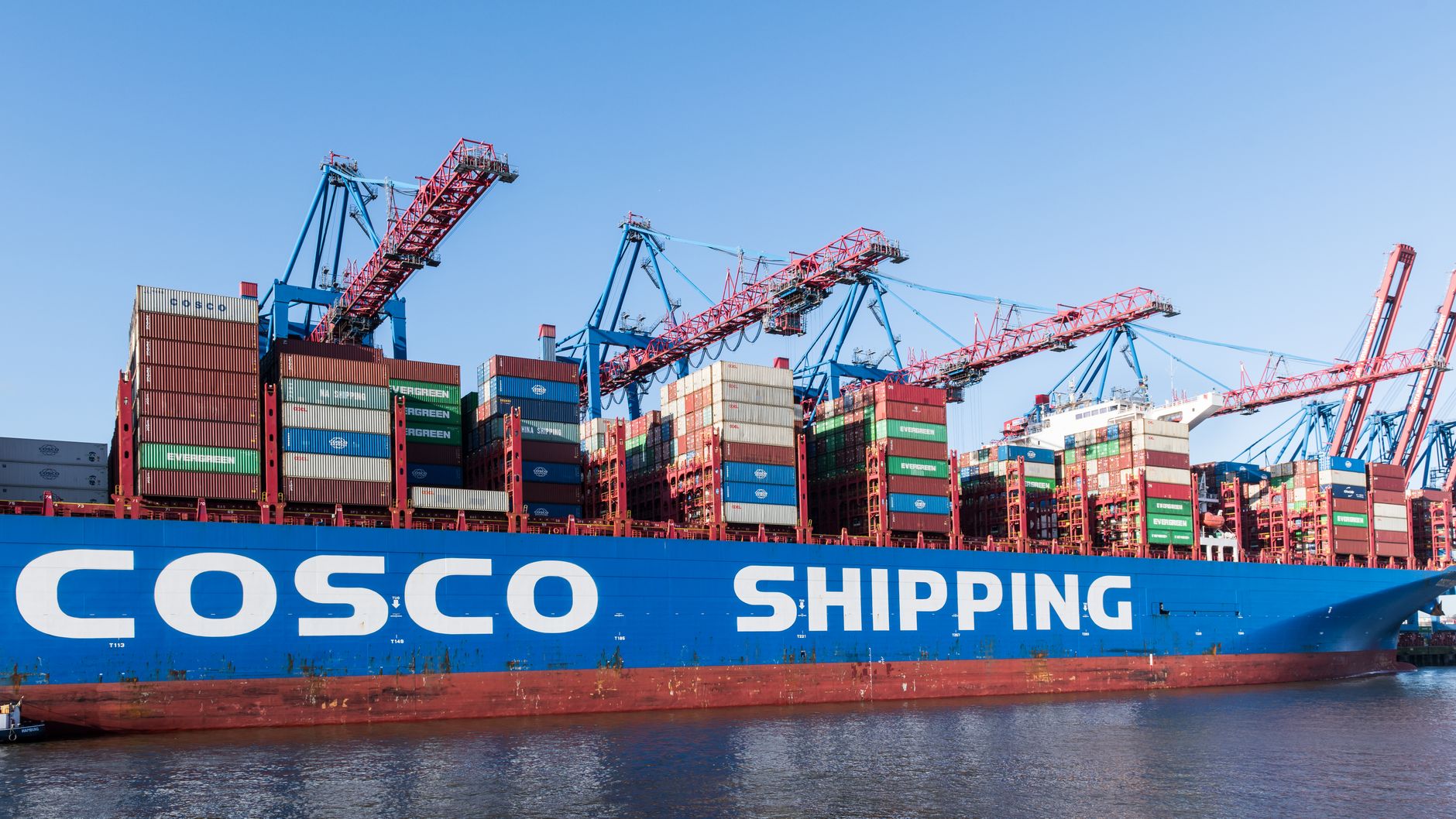
- Global supply chains are undergoing a profound restructuring, with companies actively diversifying production away from China to mitigate risks associated with geopolitical tensions and potential disruptions.
- Advanced technology, particularly semiconductors, artificial intelligence, and 5G infrastructure, has emerged as a critical battleground, driving policies focused on domestic innovation and export controls.
- Both nations are increasingly pursuing 'decoupling' strategies in sensitive sectors, aiming to reduce economic interdependence and bolster national security, albeit at considerable economic cost.
- The escalating tensions are forcing other countries to navigate a complex geopolitical landscape, often pressuring them to align with either Washington or Beijing, impacting multilateral trade frameworks.
- Investment flows are also being scrutinized, with heightened reviews of foreign direct investment in critical industries and restrictions on capital deployment in certain technology sectors.
The Record
The US-China trade relationship has endured a complex evolution over decades, oscillating between periods of robust cooperation and intense strategic competition. Initially, the primary friction points revolved around market access for American goods and services, alongside persistent concerns regarding intellectual property rights and unfair trade practices. This foundational economic dialogue, however, has significantly broadened in scope, now encompassing critical issues such as technology dominance, national security imperatives, and broader geopolitical influence, fundamentally transforming the nature of their engagement.
This evolution marks a definitive shift from a purely economic discussion to a multifaceted strategic rivalry, where economic strength is viewed as integral to global standing and power projection. The current phase is characterized by an unprecedented escalation of tariffs, stringent export controls, and a proliferation of non-tariff barriers, all designed to protect domestic industries and secure strategic advantages. This aggressive policy posture has compelled multinational corporations to fundamentally re-evaluate their global operational strategies, often leading to costly supply chain reconfigurations and market diversifications.
The strategic reorientation is not merely about trade balances; it reflects a deeper ideological clash over economic models and governance. Washington emphasizes free market principles, transparency, and a rules-based international order, while Beijing champions a state-led development model, industrial policy, and a more assertive role for its national champions. This fundamental divergence ensures that the current trade frictions are not transient but represent a long-term recalibration of global economic dynamics, demanding sustained attention from policymakers and businesses alike.
Who Knew and When
Economists and astute policymakers have long issued prescient warnings about the escalating potential for significant trade tensions between the United States and China. Early indicators surfaced in the late 2000s, marked by increasing complaints from American businesses regarding intellectual property theft, forced technology transfers, and China's opaque market access restrictions. These initial frictions, while concerning, were often framed within a broader context of engagement, yet they laid the groundwork for the more confrontational era that would eventually emerge.
By the mid-2010s, the rhetoric from both Washington and Beijing noticeably hardened. The US began to explicitly voice concerns over China's state-backed industrial policies, massive subsidies, and its 'Made in China 2025' initiative, viewing them as direct threats to American technological leadership and economic competitiveness. Concurrently, China criticized what it perceived as rising US protectionism and attempts to contain its economic ascent. This period saw a clear divergence in policy approaches, with each nation prioritizing national interests over the previous emphasis on global economic integration.
The Trump administration's imposition of sweeping tariffs in 2018 served as a definitive turning point, transforming simmering tensions into an overt 'trade war' that could no longer be dismissed. Many experts from leading think tanks and intelligence agencies had accurately predicted this trajectory, consistently highlighting the fundamental ideological differences in economic models and the inevitable clash of strategic ambitions between the two superpowers. Consequently, forward-thinking businesses had already begun to anticipate significant disruptions, initiating proactive diversification strategies years before the full impact of these trade disputes reverberated across global markets.
Voices from the Ground
Across the American heartland and bustling industrial zones, the direct impact of the US-China trade rivalry is acutely felt by small and medium-sized enterprises (SMEs). Many struggle with the burden of increased import tariffs on crucial components, which significantly inflate their operational costs and erode profit margins, often making them less competitive against domestic alternatives or third-country suppliers. This financial strain forces difficult decisions, from delaying expansion plans to considering layoffs, directly affecting local economies and employment.
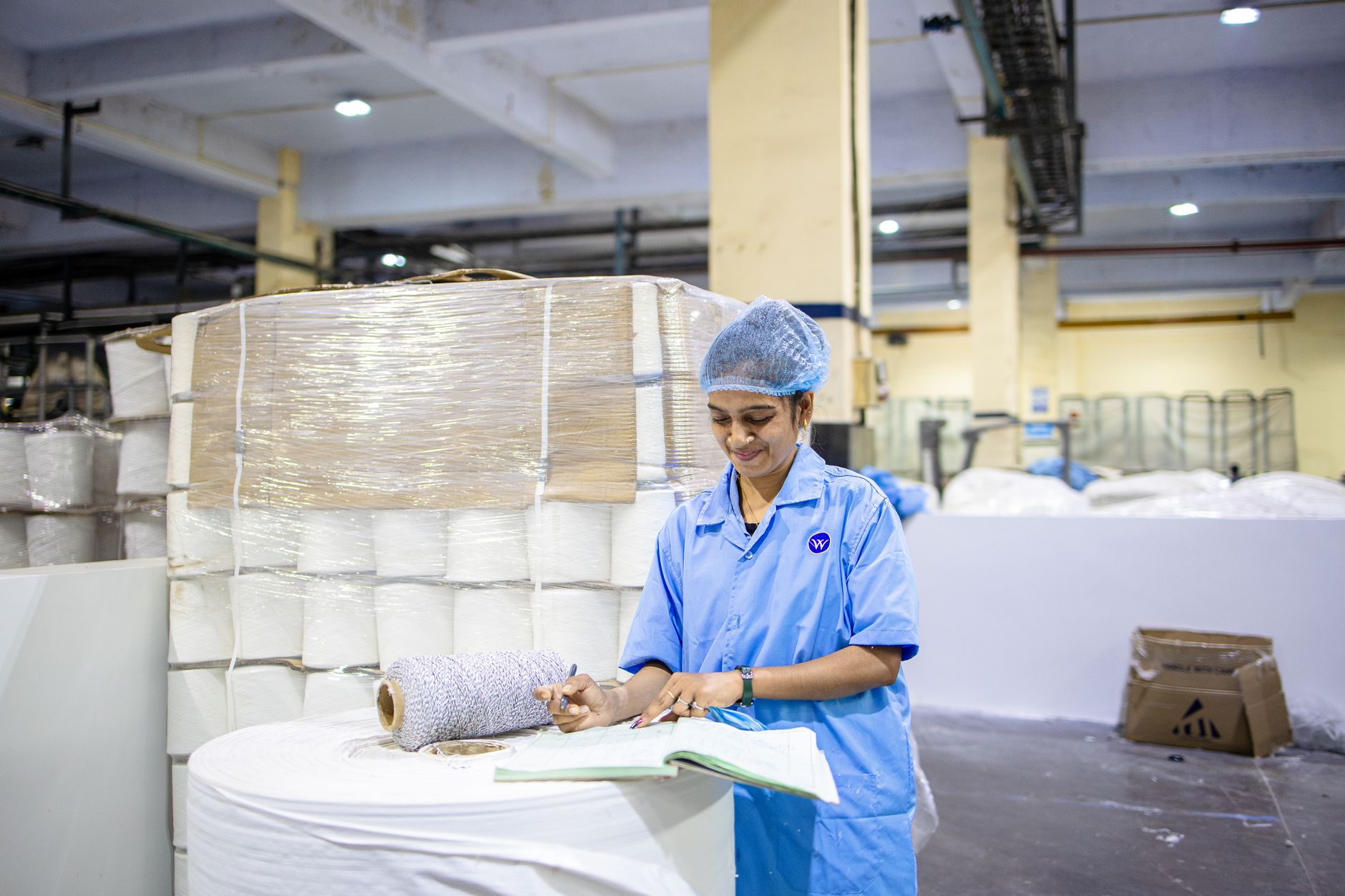
Manufacturers, particularly those heavily reliant on global supply chains, are actively re-evaluating and often relocating production facilities. The 'China+1' strategy, where companies diversify their manufacturing base beyond China, has become a widespread imperative, driven by the desire to mitigate geopolitical risks and avoid punitive tariffs. While this creates opportunities for countries like Vietnam, Mexico, or India, it also entails substantial capital expenditure, logistical complexities, and a learning curve for new workforces, ultimately impacting efficiency and initial product costs.
For consumers, the consequences often manifest as higher retail prices for a wide array of goods, from electronics to apparel, as businesses pass on tariff-related costs. This inflationary pressure can reduce purchasing power and dampen overall economic demand. American farmers, once significant exporters to China, have also faced severe market disruptions and retaliatory tariffs, leading to substantial income losses and increased reliance on government subsidies to remain viable. Their livelihoods are directly intertwined with the geopolitical machinations of distant capitals, highlighting the human cost of these macro-level disputes.
The Debate
The debate surrounding the US-China trade rivalry is deeply polarized, with proponents arguing that tariffs and strategic decoupling are essential to protect domestic jobs, safeguard national security, and level the playing field against unfair trade practices. Conversely, critics contend that these measures inflict significant harm on consumers through higher prices, stifle innovation, and disrupt the intricate web of global trade, ultimately undermining economic growth and international cooperation. There remains no clear consensus on the optimal path forward, reflecting the profound complexities inherent in disentangling two of the world's largest economies.
A central point of contention revolves around the feasibility and desirability of economic decoupling. Advocates for a more complete separation, especially in critical technology sectors, cite national security concerns, human rights issues, and the need to reduce reliance on a potential adversary. They argue that the long-term benefits of strategic independence outweigh the short-term economic costs. However, critics emphasize the immense economic costs of such a move, warning of supply chain inefficiencies, reduced global competitiveness, and the potential for a fragmented global economy that could trigger further geopolitical instability.
Furthermore, the role of international organizations, particularly the World Trade Organization (WTO), is under intense scrutiny. Many argue that the WTO's existing framework is ill-equipped to address the complexities of state-backed industrial policies, digital trade, and national security exceptions, rendering it less effective in mediating disputes between the US and China. The discussion also extends to the difficult position of allied nations: should they unequivocally choose sides, risking economic repercussions from one power, or attempt to maintain neutrality and mediate, potentially alienating both? This complex tapestry of viewpoints underscores the profound uncertainty facing the global economic and political order.

Your Questions Answered
What Accountability Looks Like
In the context of the escalating US-China trade rivalry, accountability rests squarely on multiple stakeholders, though its assignment remains complex and often contentious. Governments, first and foremost, bear the responsibility for crafting and implementing trade policies that are not only effective in achieving national objectives but also transparent, predictable, and mindful of their broader economic and social consequences. This includes clearly articulating the rationale behind tariffs, export controls, and investment restrictions, and providing adequate support for affected industries and workers.
Businesses, in turn, are accountable for their adaptability and strategic foresight. Those that failed to diversify supply chains or anticipate geopolitical shifts have faced significant financial repercussions. However, holding businesses accountable also means ensuring they operate ethically, avoid illicit trade practices, and contribute to fair competition rather than seeking to exploit loopholes or engage in rent-seeking behavior. The onus is on corporate leadership to navigate this complex environment with integrity, prioritizing long-term resilience over short-term gains, and communicating transparently with investors and employees.
Moreover, international bodies and multilateral organizations, such as the World Trade Organization, face immense pressure to demonstrate their relevance and efficacy in upholding a rules-based global trading system. Their accountability lies in adapting to new economic realities, mediating disputes fairly, and providing a framework for cooperation that can de-escalate tensions rather than exacerbate them. Ultimately, the long-term economic and geopolitical consequences of these policies will serve as the ultimate arbiter of accountability for all decision-makers involved, underscoring the critical need for thoughtful, evidence-based policy formulation and a commitment to global stability.














Comments
No comments yet. Be the first to comment!