
The Numbers
- Over 700,000 Israeli settlers now live in the West Bank, including East Jerusalem, a figure that has steadily increased over decades, fundamentally altering the demographic landscape and Palestinian access to resources and land.
- At least 18 Palestinian communities have been displaced entirely from their land since 2009 due to Israeli policies and settler violence, forcing thousands of individuals and families to abandon their homes and livelihoods.
- More than 60% of the West Bank's Area C, which constitutes roughly 60% of the territory, is designated for Israeli settlement use or military purposes, severely restricting Palestinian development and movement.
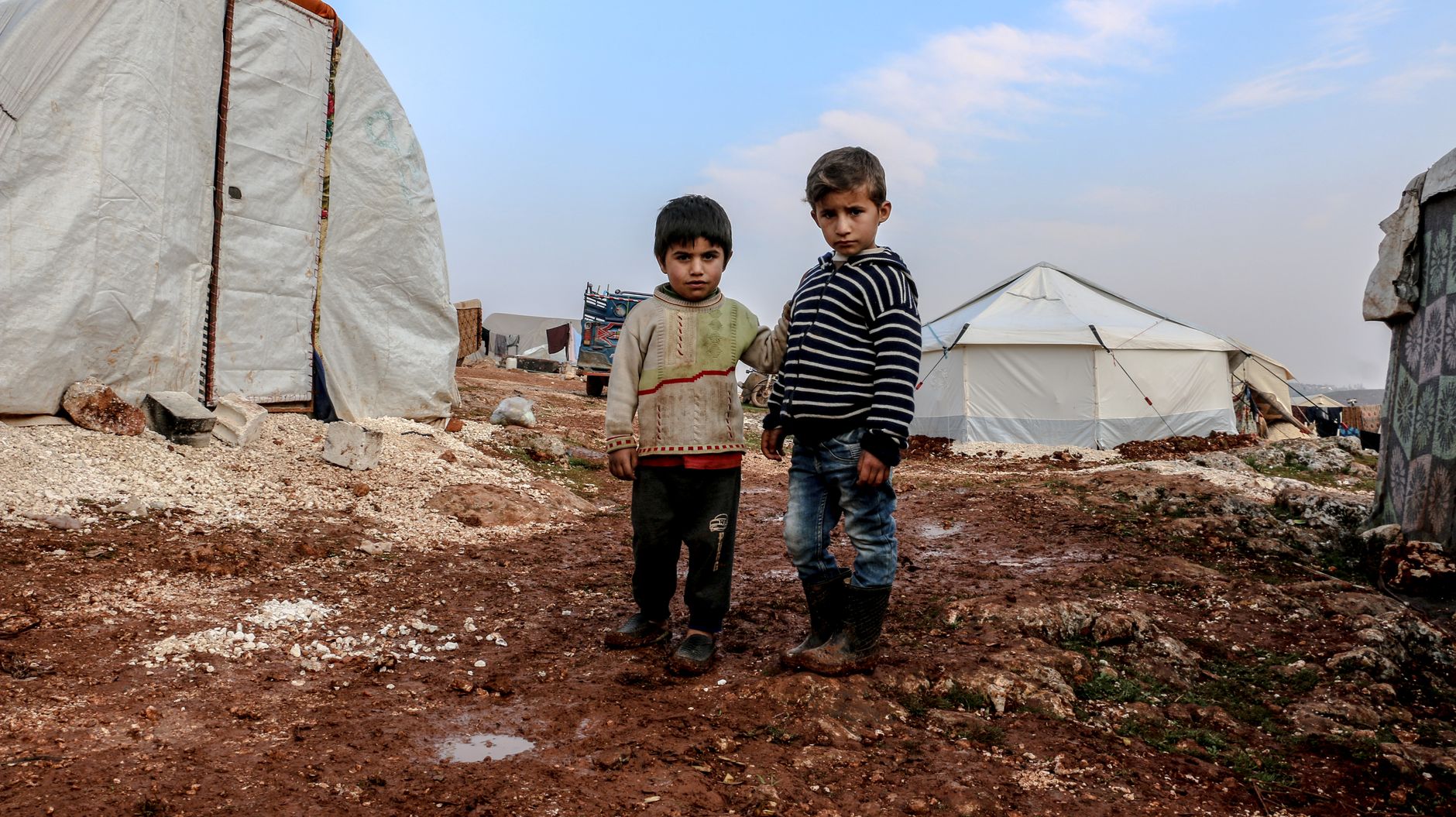
- Hundreds of thousands of Palestinians live under constant threat of demolition orders for their homes and infrastructure, with Israeli authorities rarely granting building permits, creating pervasive insecurity and uncertainty.
- Israeli forces have confiscated vast tracts of Palestinian-owned land for settlement expansion, military bases, and infrastructure projects, effectively fragmenting Palestinian territories and undermining any prospect of a contiguous state.
- An estimated 11 million tons of fertile agricultural land has been lost or rendered inaccessible to Palestinians due to settlement expansion and the construction of the separation barrier, impacting food security and economic viability.
Context Check
Amnesty International's latest report, "Israel's Apartheid Against Palestinians: A Cruel Separation," meticulously details a pervasive system of institutionalized discrimination and oppression. The report argues that Israel's actions, spanning across Israel, the Occupied Palestinian Territories (OPT), and Palestinian refugees, constitute the crime of apartheid. This assertion is based on a comprehensive analysis of Israeli policies and practices that systematically segregate, dispossess, and oppress Palestinians, denying them fundamental rights and freedoms. The organization emphasizes that this is not merely a matter of occupation but a deliberate, state-sanctioned policy designed to maintain Jewish Israeli domination over Palestinians.
The report draws a stark distinction between the treatment of Jewish Israelis and Palestinian citizens of Israel, as well as Palestinians in the OPT and refugees abroad. It highlights how Israeli law and policy create a two-tiered system, granting privileges to Jewish Israelis while imposing severe restrictions and discrimination on Palestinians. This includes unequal access to land, resources, housing, and political representation. Amnesty International contends that this systematic subjugation, characterized by segregation and denial of rights, meets the international legal definition of apartheid, a crime against humanity.
While the term 'apartheid' is highly contentious and has been rejected by the Israeli government and many international bodies, Amnesty International asserts that its findings are based on extensive evidence gathered over years of research. The report aims to shift the discourse from the immediate context of occupation to the broader, systemic nature of Israeli policies. By framing these actions as apartheid, Amnesty seeks to invoke a stronger international legal and political response, demanding accountability and an end to what it describes as a brutal and illegal system of oppression.
Background
The Israeli-Palestinian conflict, a protracted and deeply complex dispute, centers on claims to the same territory. Since the establishment of the State of Israel in 1948 and subsequent wars, particularly the 1967 Six-Day War, Israel has occupied the West Bank, including East Jerusalem, and the Gaza Strip. International law, including UN Security Council resolutions, generally considers these territories to be occupied, with settlements built by Israel in the West Bank deemed illegal. Decades of Israeli policies have led to the fragmentation of Palestinian land, the displacement of communities, and severe restrictions on Palestinian movement and development.
Palestinian aspirations for statehood have been consistently challenged by the expansion of Israeli settlements, the construction of the separation barrier, and ongoing military control over key aspects of Palestinian life. International efforts to broker a lasting peace agreement have repeatedly faltered, often due to disagreements over borders, security, settlements, and the status of Jerusalem and refugees. The humanitarian situation in the Palestinian territories remains dire, exacerbated by political deadlock, economic hardship, and recurrent violence.
The concept of 'ethnic cleansing' refers to the systematic forced removal of ethnic or religious groups from a given territory by a more powerful group, often with the intent of creating an ethnically homogeneous region. International bodies and human rights organizations have used this term to describe actions taken during various conflicts. Amnesty International's application of this term to Israeli government policies in the West Bank signifies a grave accusation of deliberate, state-sponsored actions aimed at removing the Palestinian population from strategic areas.
Winners and Losers
The primary beneficiaries of the alleged policies of ethnic cleansing and apartheid, according to human rights organizations, are Jewish Israelis and the Israeli state itself. Proponents of settlement expansion and policies that restrict Palestinian movement and development often cite security concerns and historical or religious claims to the land. The continued growth of settlements, facilitated by government policies, allows for the expansion of Israeli control and presence in the West Bank, effectively annexing territory and resources, which is seen by many as consolidating Jewish Israeli dominance.
Conversely, Palestinians in the West Bank are unequivocally the losers in this narrative. The report details how they face systematic dispossession of their land, demolition of their homes, restrictions on their movement, and denial of basic rights. This leads to displacement, economic hardship, psychological distress, and the erosion of their national aspirations. The fragmentation of Palestinian territories by settlements and infrastructure further hinders their ability to form a viable, independent state, trapping them in a cycle of occupation and control.
International law and human rights principles are also depicted as losers when state policies allegedly violate them with impunity. The failure of the international community to effectively hold Israel accountable for actions deemed illegal under international law, such as settlement expansion and potential ethnic cleansing, weakens the global human rights framework and sets a dangerous precedent. This inaction allows the continuation of practices that undermine peace and justice in the region.
Analyst Perspectives
Many international legal scholars and human rights experts concur with Amnesty International's assessment, viewing Israeli policies in the West Bank as systematic and designed to maintain Jewish Israeli supremacy. They point to the extensive documentation of land confiscation, home demolitions, movement restrictions, and the legal framework that differentiates between Israeli settlers and Palestinians as evidence of apartheid-like conditions. These experts argue that the scale and nature of these policies go beyond mere occupation and indicate a deliberate strategy to alter the demographic and territorial reality on the ground, consistent with the definition of ethnic cleansing.
However, a significant number of analysts and policymakers, particularly within Israel and its allies, strongly reject the use of terms like 'apartheid' and 'ethnic cleansing.' They argue that Israel faces unique security challenges in the region and that its actions are defensive measures necessary for survival. They often emphasize the complex historical claims to the land and dispute the applicability of international legal definitions to the Israeli-Palestinian context, framing the situation as a legitimate national conflict rather than a case of systematic oppression or ethnic cleansing.
The differing interpretations highlight the deep political divisions surrounding the conflict. While human rights organizations and international law experts often focus on the legal definitions and the impact on Palestinian rights, political analysts may emphasize security considerations, historical narratives, and geopolitical strategies. The debate over terminology reflects fundamental disagreements about the nature of the conflict and the responsibility of the international community in resolving it.

Key Questions Explained
The Outlook
The implications of Amnesty International's report are profound, potentially escalating international scrutiny and condemnation of Israeli policies in the West Bank. The accusations of ethnic cleansing and apartheid, if widely accepted, could galvanize further diplomatic pressure, legal challenges, and calls for accountability from governments and international bodies. This could lead to increased isolation for Israel on the global stage and embolden advocacy groups pushing for stronger measures to protect Palestinian rights and end the occupation.
However, the path forward remains fraught with challenges. The Israeli government is likely to continue its strong denials and counter-narratives, supported by allies who prioritize security concerns and historical claims. The deeply entrenched political divisions, both within the international community and among Israelis and Palestinians, make a swift resolution unlikely. The report may serve as a catalyst for renewed debate and activism, but concrete changes in policy or significant progress towards peace may depend on sustained international resolve and shifts in political will.
Ultimately, the long-term impact will depend on how effectively these grave allegations are addressed by international legal mechanisms, diplomatic efforts, and the ongoing struggle for justice and human rights. The report underscores the urgent need for a re-evaluation of the international community's approach to the conflict, moving beyond incremental measures to address the systemic issues of dispossession and discrimination that continue to fuel instability and suffering in the region.













Comments
No comments yet. Be the first to comment!