

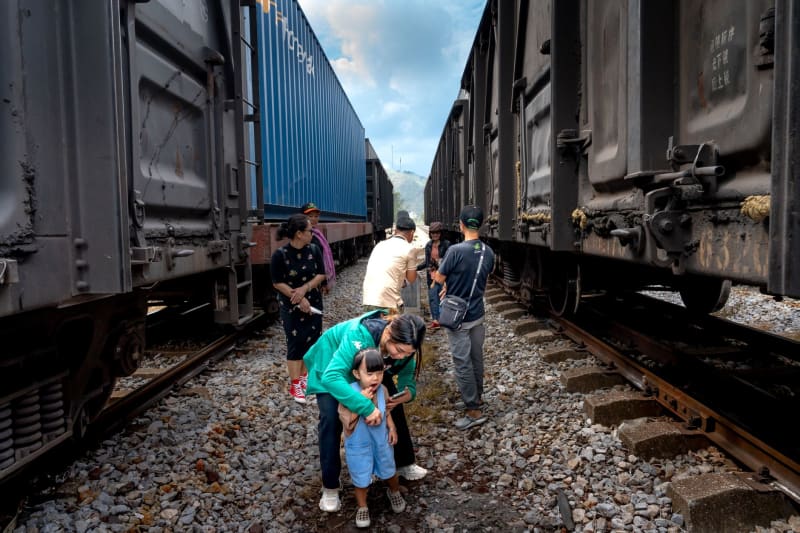
What We Know
- A severe collision involving two passenger trains occurred on a critical rail line north of London, specifically near Salisbury, Wiltshire, causing widespread disruption and grave concern across the nation's transport network.
- UK police and transport authorities have officially confirmed at least one tragic fatality resulting from the incident, underscoring the profound human cost of this unexpected rail disaster.
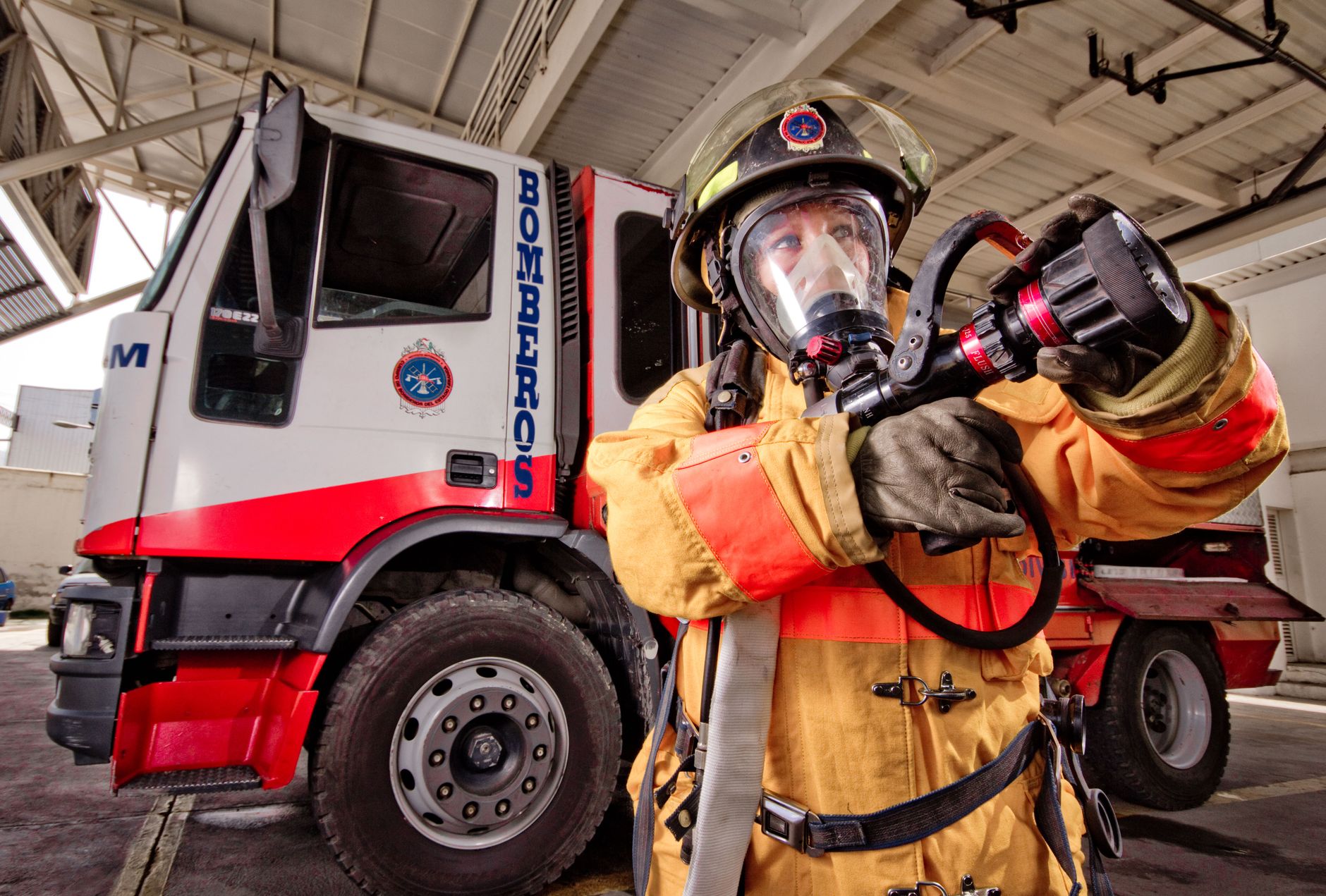
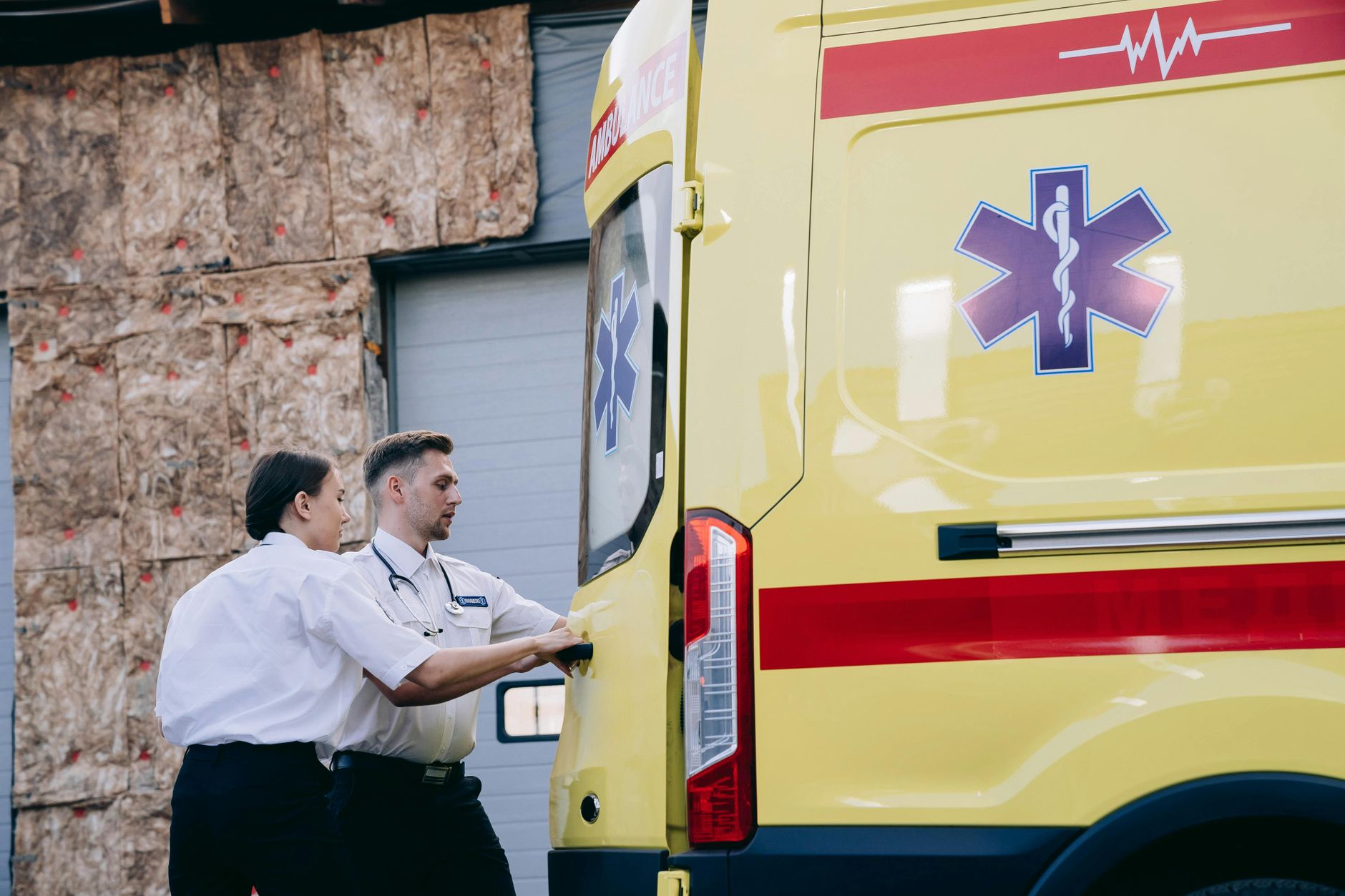
- Numerous passengers sustained injuries, ranging from minor to severe, necessitating an extensive emergency response with paramedics, fire crews, and specialized rescue teams converging on the crash site.
- The incident involved a South Western Railway service and a Great Western Railway service, both carrying a significant number of passengers, highlighting the potential for even greater casualties.
- Initial reports suggest one train may have derailed before being struck by another, a scenario that points to complex mechanical or operational failures requiring thorough and immediate investigation.
- Emergency services, including air ambulance support, were swiftly deployed to the remote location, working under challenging conditions to extract trapped individuals and provide urgent medical care to the injured.
What We Do Not Know Yet
- The precise total number of individuals injured in the collision remains unconfirmed by authorities, with ongoing assessments at the scene and in hospitals making a definitive count challenging at this early stage.
- The definitive root cause of the catastrophic collision, whether it involves signal malfunction, human error, track integrity issues, or other factors, is still under intensive investigation by the Rail Accident Investigation Branch (RAIB).
- Official identification of the deceased individual and the names of those critically injured have not yet been released, pending notification of next of kin and adherence to sensitive data protection protocols.
- The duration for which the affected railway line will remain closed for recovery, repair, and safety checks is currently unknown, impacting thousands of commuters and travelers in the coming days and weeks.
- A comprehensive assessment of the structural damage to both trains and the surrounding rail infrastructure, including tracks, signaling systems, and overhead lines, is still underway to determine the full scope of repairs needed.
- Whether adverse weather conditions, which were reported in the area around the time of the incident, played any contributing role in the collision is a key question that investigators will be thoroughly examining.
Background
The United Kingdom boasts one of the world's most extensive and historically significant railway networks, a vital artery for both passenger and freight transport. Annually, millions of journeys are undertaken across its vast infrastructure, which connects major cities, towns, and rural communities. Despite its age, the network has undergone continuous modernization efforts aimed at enhancing safety, efficiency, and capacity, making it generally one of the safest in Europe. However, the sheer volume of traffic and the complex interplay of aging infrastructure with modern technology mean that incidents, though rare, are not entirely unprecedented.
The specific section of track where this tragic collision occurred is a crucial part of the main line connecting London Waterloo to the southwest of England, serving major hubs like Salisbury, Exeter, and Plymouth. This route is heavily utilized by commuters, business travelers, and tourists alike, making any disruption profoundly impactful. The area around Salisbury, while picturesque, presents operational challenges due to its topography and the intricate network of junctions and tunnels that characterize older railway lines, demanding stringent safety protocols and vigilant monitoring.
Historically, the UK rail system has implemented a robust framework of safety regulations, overseen by bodies such as the Office of Rail and Road (ORR) and the Rail Accident Investigation Branch (RAIB). These organizations are responsible for investigating incidents, recommending safety improvements, and enforcing compliance across the industry. Major accidents, even isolated ones, often lead to significant policy reviews and technological advancements, reinforcing the industry's commitment to continuous improvement in passenger safety and operational integrity, a commitment that will undoubtedly be tested by the findings of the current investigation.
Why It Matters
This tragic rail collision carries profound implications extending far beyond the immediate crash site. Any incident involving fatalities on a public transport system, particularly one as integral as the national railway, immediately ignites serious public concern regarding safety standards and operational reliability. It forces a critical re-evaluation of existing protocols, infrastructure maintenance schedules, and emergency response capabilities, ensuring that every possible measure is being taken to safeguard passengers and staff on a network relied upon by millions daily. The emotional toll on the victims' families, the injured, and those who witnessed the horror is immeasurable.
Beyond the human tragedy, such an event inevitably causes significant economic and logistical disruption. Major rail lines are arteries of commerce and daily life; their closure impacts commuters, businesses, and supply chains, leading to delays, cancellations, and substantial financial losses. The recovery operation itself is complex and costly, involving specialized equipment and personnel, while the subsequent investigation can tie up resources for months. This incident serves as a stark reminder of the delicate balance between maintaining an efficient transport system and ensuring absolute, unwavering safety at all times.
Ultimately, the incident's long-term impact will hinge on the transparency and thoroughness of the ensuing investigations. Public trust in the railway system is paramount, and any perceived failings in safety or accountability can erode that trust, potentially leading to reduced ridership and increased scrutiny from regulators and the public alike. The findings will not only determine culpability but also drive future policy decisions, technological upgrades, and training enhancements, all aimed at preventing a recurrence and reaffirming the commitment to making rail travel unequivocally safe for everyone. This is a moment for critical reflection and decisive action.
Timeline of Events
- **Sunday Evening, Approximately 6:45 PM GMT:** Initial, urgent reports begin to surface regarding a significant railway incident involving two trains in the vicinity of Salisbury, Wiltshire, prompting immediate calls to emergency services.
- **Sunday Evening, Shortly After 7:00 PM GMT:** A comprehensive multi-agency emergency response is swiftly initiated, with police, fire and rescue services, ambulance crews, and specialist hazardous area response teams rapidly deploying to the challenging crash site.
- **Sunday Night, Late Evening:** Authorities, including the British Transport Police, confirm the tragic news of at least one fatality resulting from the collision, alongside numerous reports of passengers sustaining various degrees of injury.
- **Sunday Night into Monday Morning:** Intensive search and rescue operations continue throughout the night, with emergency personnel working tirelessly to extricate trapped individuals and provide critical medical assistance under floodlights.
- **Monday Morning, Early Hours:** The Rail Accident Investigation Branch (RAIB) dispatches a team of experienced investigators to the scene to commence their meticulous examination of the wreckage and gather crucial evidence to determine the collision's cause.
- **Monday Morning, Throughout the Day:** Major disruption to rail services across the affected line is confirmed, with Network Rail advising passengers to seek alternative travel arrangements as recovery and initial investigation efforts continue.

Rapid-Fire Q&A
What Is Coming
- **Ongoing Official Briefings:** Expect continuous updates from the British Transport Police, Network Rail, and the Rail Accident Investigation Branch (RAIB) as their investigations progress, providing more clarity on the incident's specific details and evolving casualty figures.
- **Comprehensive Investigation Findings:** The RAIB will eventually publish a detailed, in-depth report outlining the precise sequence of events, the root causes of the collision, and critical safety recommendations aimed at preventing similar incidents in the future.
- **Review of Rail Safety Protocols:** This tragic event will undoubtedly trigger a rigorous review of existing rail safety protocols, signaling systems, and operational procedures across the UK network, potentially leading to significant policy adjustments and technological upgrades.
- **Infrastructure Recovery and Repairs:** Extensive engineering work will be required to recover the damaged trains and repair the affected track and signaling infrastructure, a process that could take weeks or even months, causing prolonged service disruptions.
- **Support for Victims and Families:** Long-term support mechanisms, including counseling and compensation, will be established for the victims, their families, and the emergency responders who experienced the traumatic events of the collision.
- **Public Inquiry Potential:** Depending on the severity of the findings and public pressure, there remains a possibility of a broader public inquiry into rail safety standards and practices, scrutinizing the wider implications for the national railway system.






Comments
No comments yet. Be the first to comment!