
The Story in Brief
- Patti Davis, daughter of former President Ronald Reagan, shares her profound disappointment with the current conduct and tone emanating from the White House, contrasting it sharply with her father's era.
- She believes her father, a figure known for his optimism and belief in American exceptionalism, would be deeply saddened and heartbroken by the divisiveness, lack of civility, and what she perceives as a departure from core American values.
- Davis reflects on the importance of presidential demeanor and its impact on national discourse, emphasizing that the occupant of the Oval Office sets a crucial example for the entire country.
- Her personal reflections highlight a perceived decline in the dignity and respect expected from the highest office, suggesting a loss of the unifying spirit her father championed during his presidency.
- The piece serves as a critical commentary on contemporary political culture, urging a return to a more principled and respectful approach to governance and public life.
- Davis's perspective offers a unique, intimate look at the legacy of a beloved president and how his ideals might fare in the current turbulent political landscape.
The Human Face of Disappointment
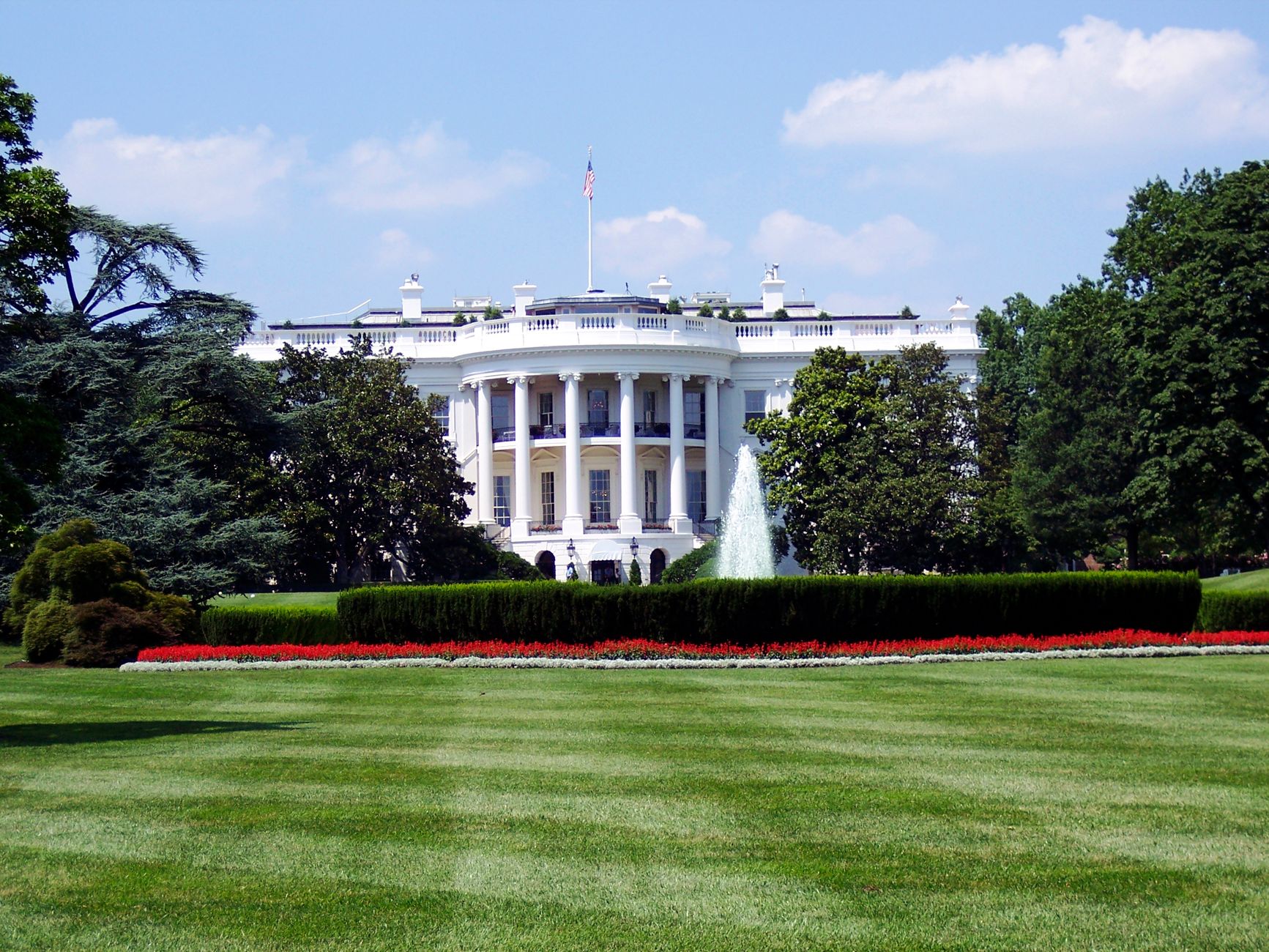
Patti Davis, the daughter of the 40th U.S. President Ronald Reagan, offers a deeply personal and somber perspective on the current state of American political discourse, particularly as it pertains to the White House. Her reflections are not merely political commentary; they are imbued with the weight of familial legacy and a profound sense of disappointment. Davis articulates a belief that her father, a man who projected an image of unwavering optimism and faith in the American spirit, would find the present atmosphere of division and acrimony deeply distressing. She paints a picture of a president who, despite facing significant challenges, strived to unite the nation and uphold a certain standard of dignity in public life. The contrast she draws between her father's approach and the current political climate is stark, suggesting a significant erosion of the values she associates with his time in office. This personal anguish underscores the broader societal implications of political rhetoric and behavior, highlighting how the tone set at the highest levels can permeate the nation's consciousness.
The core of Davis's concern lies in what she perceives as a fundamental departure from the principles of civility and respect that she believes her father embodied and championed. She recalls a presidency that, while not without its controversies, seemed to operate within a framework of decorum and a shared understanding of national purpose. The current environment, characterized by sharp partisan divides, aggressive rhetoric, and what she views as a disregard for truth and established norms, stands in stark opposition to this memory. Davis suggests that her father's natural inclination towards optimism and his belief in the inherent goodness of people would be severely tested by the current political landscape. She imagines his heartbreak not just at the policy disagreements, but at the breakdown of respectful dialogue and the seemingly endless cycles of conflict that dominate public life today. This perspective from within the Reagan family adds a unique emotional resonance to the critique of contemporary politics, framing it as a betrayal of a cherished national legacy.
Davis's reflections serve as a powerful reminder that the presidency is more than just a political office; it is a symbol that profoundly influences the nation's character and its perception of itself. Her father, often referred to as the 'Great Communicator,' understood the power of presidential presence and its ability to inspire or alienate. She implies that the current occupant of the White House, and indeed the broader political culture, has failed to grasp or uphold this responsibility. The sense of loss she conveys is not just about political outcomes but about the erosion of a certain national ethos. By invoking her father's name and legacy, Davis is not simply engaging in nostalgia; she is issuing a call to conscience, urging a return to a more elevated standard of public service and discourse. Her words resonate because they tap into a widespread yearning for a less polarized and more dignified political environment, a yearning amplified by the poignant comparison to a past era often idealized for its perceived unity and optimism.
How We Got Here: A Shift in Tone and Tenor
The shift in American political discourse that Patti Davis laments didn't occur overnight; it represents a gradual evolution, accelerated by technological advancements and changing media landscapes. Decades ago, presidential communication was largely mediated through established news organizations, providing a degree of filtering and editorial oversight. However, the rise of the internet, social media, and partisan news outlets has fragmented the media environment, allowing for the rapid dissemination of unverified information and the amplification of extreme viewpoints. This has created echo chambers where individuals are less exposed to differing opinions, fostering greater polarization. Furthermore, the nature of political campaigning has become increasingly combative, with candidates often prioritizing inflammatory rhetoric to energize their base and capture media attention. This strategic embrace of conflict, while effective in certain contexts, has arguably coarsened the national conversation and normalized a level of incivility previously considered unacceptable in mainstream politics. The focus has shifted from policy debate to personal attacks and identity politics, creating a more volatile and less constructive political arena.
Ronald Reagan's presidency, while often remembered for its optimistic outlook and strong leadership, also occurred during a period of significant political and social upheaval. However, the way political figures engaged with each other and the public differed markedly from today. Reagan, despite being a staunch conservative, often employed a tone of geniality and sought common ground, even with political opponents. His famous quote, 'I have no intention of waging war with the press,' reflects a different era of media relations compared to the often adversarial stance seen today. The subsequent decades have witnessed a growing partisan divide, fueled by ideological sorting and the strategic use of wedge issues. Political leaders have increasingly found it advantageous to appeal to their core supporters through strong, often divisive, language, sometimes at the expense of broader national unity. This trend has been exacerbated by a political culture that rewards confrontation and punishes perceived weakness or compromise, leading to a normalization of aggressive tactics and a decline in bipartisan cooperation.
The institutional changes within political parties and the media have also played a crucial role in shaping the current environment. The increasing influence of money in politics, the decline of traditional party structures that once encouraged broader consensus-building, and the rise of a 24/7 news cycle demanding constant content have all contributed to the current state of affairs. Politicians are often under immense pressure to maintain a constant online presence, engage in perpetual campaigning, and respond instantly to every perceived slight or development. This environment incentivizes soundbites over substance and outrage over reasoned debate. Patti Davis's observations about her father's era highlight a period where, perhaps, there was a greater emphasis on statesmanship and a shared sense of national identity, even amidst deep policy disagreements. The current trajectory suggests a move away from such ideals, driven by a complex interplay of technological, social, and political forces that have fundamentally altered the landscape of public life and presidential conduct.
Why This Cannot Be Ignored
The conduct and rhetoric emanating from the White House carry immense weight, shaping not only domestic policy and political discourse but also America's standing on the global stage. When the highest office in the land is perceived as lacking in civility, respect, or adherence to truth, it erodes public trust in institutions and democratic processes. This erosion is particularly damaging in an era already marked by deep societal divisions. The normalization of aggressive language and personal attacks from the presidency can embolden similar behavior at all levels of society, from local politics to everyday interactions, fostering a climate of hostility and intolerance. This degradation of public discourse makes constructive dialogue and compromise increasingly difficult, hindering the nation's ability to address pressing challenges effectively. The example set by the president serves as a powerful, albeit often negative, influence on the national psyche and the behavior of citizens.
Furthermore, the international implications of a White House characterized by discord and disrespect cannot be overstated. Allies may question America's reliability and commitment to democratic values, while adversaries may exploit perceived weaknesses and divisions. A president's demeanor influences diplomatic relations, trade negotiations, and the perception of American leadership worldwide. When the United States projects an image of internal conflict and a lack of decorum, it undermines its ability to foster international cooperation and advance its interests abroad. Patti Davis's poignant comparison to her father's era, often remembered for projecting an image of American strength and optimism, highlights this critical aspect. The loss of perceived stability and principled leadership can have tangible consequences for national security and economic prosperity, making the tone and conduct from the Oval Office a matter of grave national importance that extends far beyond domestic political squabbles.
The legacy of a presidency is not solely defined by legislative achievements or economic indicators; it is also shaped by the character and conduct of the individual holding the office. When that conduct deviates significantly from established norms of dignity and respect, it raises fundamental questions about the health of the republic and the values it upholds. Patti Davis's personal anguish serves as a powerful proxy for a broader public concern about the direction of American political culture. Ignoring the impact of presidential behavior is akin to ignoring the foundational elements of democratic governance itself. The principles of truth, respect, and civil discourse are not mere niceties; they are essential components of a functioning democracy. Their erosion, particularly when modeled from the top, poses a significant threat to the social fabric and the long-term stability of the nation, demanding serious consideration and a commitment to restoring a higher standard.
Possible Paths Forward
Restoring a sense of civility and respect in the White House and broader political discourse requires a multi-faceted approach, beginning with a conscious recommitment to fundamental democratic values. Leaders at all levels must prioritize truthfulness, empathy, and a willingness to engage with opposing viewpoints constructively, rather than resorting to personal attacks or inflammatory rhetoric. This involves fostering an environment where policy debates are centered on substantive issues and evidence-based arguments, rather than on identity politics or manufactured outrage. Educational institutions and civil society organizations also play a vital role in promoting media literacy and critical thinking skills, empowering citizens to discern credible information from misinformation and to engage in respectful dialogue. Ultimately, a cultural shift is needed, where citizens actively demand and reward more principled and less divisive political behavior from their elected officials, signaling a clear preference for unity over polarization.
For the White House specifically, a path forward could involve a deliberate effort to model the kind of behavior that fosters national unity and inspires confidence. This might include more frequent instances of bipartisan engagement, public acknowledgments of shared national goals, and a consistent emphasis on the dignity of all citizens, regardless of political affiliation. Presidential communications could be recalibrated to focus on unifying themes and to avoid language that exacerbates divisions or demonizes opponents. Furthermore, a renewed focus on transparency and accountability in governance can help rebuild trust, demonstrating a commitment to serving the public interest above partisan gain. Such actions, consistently applied, could begin to mend the frayed social fabric and restore a sense of shared purpose that Patti Davis believes her father championed, offering a tangible contrast to the current climate.
Beyond the actions of political leaders, the responsibility also lies with the electorate and the media. Voters can make informed choices, supporting candidates who demonstrate integrity, respect, and a commitment to constructive dialogue, and holding accountable those who engage in divisive or dishonest practices. The media, in turn, has a crucial role to play in shaping the narrative by prioritizing substantive reporting, challenging misinformation, and avoiding sensationalism that amplifies conflict. Encouraging a media ecosystem that values reasoned debate and factual accuracy over clickbait and partisan fervor is essential. By collectively demanding higher standards and actively participating in the democratic process with a focus on shared values, citizens can help steer the nation toward a more positive and productive political future, honoring the legacy of leaders who sought to unite rather than divide.
Questions People Are Actually Asking
What to Watch
- Monitor the White House's communication strategies for any shifts towards more unifying language or increased engagement with bipartisan initiatives.
- Observe how political leaders across the spectrum respond to calls for greater civility and whether they prioritize substantive policy discussions over personal attacks.
- Track public opinion polls and media coverage to gauge the electorate's appetite for a less polarized and more respectful political environment.
- Pay attention to legislative efforts and bipartisan collaborations that may emerge as counterpoints to the prevailing divisive narratives.
- Analyze the role of social media platforms and major news outlets in either amplifying or mitigating political polarization and uncivil discourse.
- Consider how international allies and adversaries react to the tone emanating from Washington, as it impacts global perceptions of American leadership and stability.
















Comments
No comments yet. Be the first to comment!