
What We Know
- Current G7-led sanctions, including a $60 per barrel price cap, are actively in place to limit Russia's oil revenues, though their effectiveness remains a subject of ongoing international debate and scrutiny.
- Former President Donald Trump has publicly indicated a potential future policy shift, suggesting a return to more stringent, full sanctions on Russian oil if he assumes office.
- The G7 nations are currently engaged in critical discussions, aiming to bolster comprehensive support for Ukraine and enhance the enforcement of existing economic penalties against Russia.
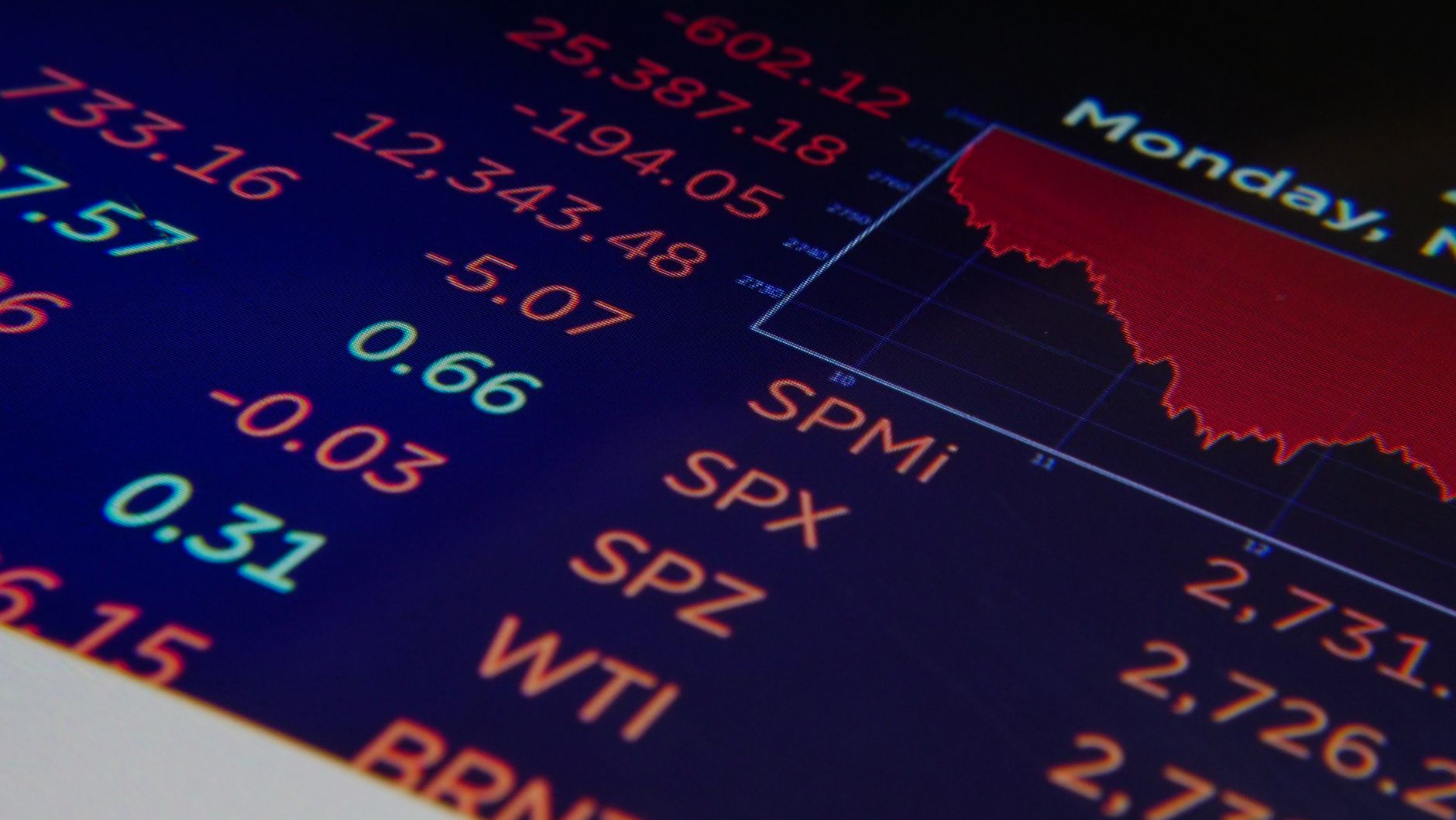
- Reimposing full, sweeping sanctions on Russian oil could trigger substantial disruptions in global energy markets, potentially leading to sharp increases in crude oil prices and supply volatility.
- The protracted conflict in Ukraine necessitates continuous Western efforts to diminish Russia's financial capacity to sustain its military operations and aggression.
- Many European economies, still navigating complex energy transitions, remain acutely sensitive to fluctuations in global energy supplies and the stability of oil prices.
What We Do Not Know Yet
- The precise contours of Trump's potential sanction policy, including its specific scope, implementation timeline, and the mechanisms for enforcement, are currently undefined.
- The exact diplomatic and economic response from G7 allies is uncertain if the United States unilaterally alters its established stance on Russian oil sanctions, potentially straining alliances.
- A comprehensive assessment of the full economic impact on global markets, individual national economies, and consumer prices if more stringent sanctions are indeed reimposed is yet to be determined.
- How Russia would strategically react to a significantly more stringent sanction regime, particularly concerning its vast oil export network and its geopolitical leverage, remains an open question.
- The political feasibility and domestic support for such a radical policy shift within the U.S., considering existing international agreements and potential economic blowback, are still unclear.
- Whether a change in U.S. administration would lead to a complete and immediate overhaul of the entire G7 strategy for supporting Ukraine and sanctioning Russia is a critical unknown.
Background
Following Russia's unprovoked, full-scale invasion of Ukraine in February 2022, Western nations, spearheaded by the G7, swiftly implemented an unprecedented array of sanctions targeting Russia's economic lifelines, particularly its lucrative energy sector. The overarching objective was clear: to cripple Russia's capacity to finance its war machine by severely limiting its access to international finance and dramatically reducing its oil and gas revenues. These sweeping measures encompassed outright bans on Russian oil imports by several countries and, most notably, the innovative G7 price cap mechanism, meticulously designed to restrict the price at which Russian oil could be sold to third countries if Western shipping, insurance, and financing services were utilized. This intricate web of sanctions sought to delicately balance the imperative of punishing Russia with the critical need to avert a catastrophic global energy crisis.
The G7 price cap, formally introduced in December 2022, established a ceiling of $60 per barrel on seaborne Russian crude oil. The strategic rationale was twofold: to allow Russian oil to continue flowing into global markets, thereby preventing a destabilizing supply shock, while simultaneously carving deeply into Moscow's immense profits. However, the practical effectiveness of this cap has become a persistent subject of intense international debate. Russia rapidly adapted, ingeniously assembling a 'shadow fleet' of tankers and cultivating new buyers, predominantly in Asia, frequently selling its oil well above the stipulated price cap by skillfully circumventing Western services. This sophisticated circumvention has fueled significant skepticism regarding the cap's true impact on Russia's war funding capabilities and underscores the urgent need for more robust enforcement mechanisms.
Against this complex and evolving geopolitical backdrop, former President Donald Trump's recent public statements regarding the potential reimposition of full sanctions on Russian oil introduce a profoundly significant element of uncertainty and potential disruption. His previous administration vigorously pursued an 'America First' foreign policy, often characterized by a skeptical stance towards multilateral agreements and a preference for unilateral action. A potential return to power could herald a dramatic departure from the current G7-led consensus approach, fundamentally reshaping the global response. Such a unilateral move would not only dismantle the existing, carefully negotiated sanctions framework but would also unequivocally signal a significant reorientation of U.S. foreign policy concerning the protracted Ukraine conflict and its vital alliances, potentially isolating the U.S. from its closest partners.
Why It Matters
The mere prospect of the United States unilaterally reimposing sweeping, full sanctions on Russian oil represents a geopolitical tremor with the potential to become a full-blown earthquake. This move threatens to fundamentally dismantle the painstakingly constructed, albeit imperfect, G7 price cap mechanism, thereby triggering an unpredictable cascade of economic and political consequences across already volatile global energy markets. Such an aggressive action would undoubtedly escalate economic pressure on Russia, potentially impacting its ability to sustain the ongoing brutal war in Ukraine, but it simultaneously risks profoundly alienating key allies who have invested considerable diplomatic capital and resources into the current multilateral approach. The delicate stability of global oil supplies and prices, already subject to myriad pressures, could face unprecedented disruption, inevitably leading to significantly higher costs for consumers and businesses worldwide, exacerbating inflationary pressures.
Beyond the immediate and severe economic ramifications, this proposed policy shift carries profound implications for the intricate web of international alliances and the very future of collective security. The G7's united front against Russian aggression has served as an indispensable cornerstone of the Western response to the Ukraine conflict, demonstrating a rare degree of solidarity. A unilateral U.S. action could irrevocably fracture this unity, creating deep divisions among allies at an absolutely critical juncture in global affairs. It raises deeply troubling questions about the reliability of international commitments, the efficacy of multilateral institutions, and the future of coordinated responses to burgeoning global crises. Such a fissure could inadvertently empower adversaries and significantly weaken the democratic bloc's collective influence on the world stage, potentially unraveling decades of diplomatic effort. The very fabric of transatlantic cooperation, vital for global stability, could be severely strained, impacting everything from trade agreements to joint defense strategies.
Furthermore, the precise timing of these discussions, unfolding as the G7 redoubles its efforts to bolster Ukraine's defense and economic resilience, creates a complex and potentially contradictory narrative. While the stated objective of more stringent sanctions would be to further debilitate Russia's war economy, the method of implementation – particularly if unilateral – could inadvertently undermine the broader strategic objectives of sustained, unified allied support for Ukraine. The profound potential for global economic instability, coupled with a fracturing of essential alliances, could inadvertently create new vulnerabilities that Russia might strategically exploit to its advantage. This makes the evolving debate over future sanctions not merely an economic calculation, but a critical and urgent test of Western resolve, strategic coherence, and the enduring strength of its alliances in the face of ongoing, multifaceted aggression.
Timeline of Events
- February 2022: Russia launches its full-scale, unprovoked invasion of Ukraine, immediately triggering widespread international condemnation and the imposition of initial, targeted sanctions from numerous Western nations.
- March-April 2022: Subsequent rounds of sanctions are enacted, specifically targeting key Russian financial institutions, prominent oligarchs, and critical sectors of its economy, while some countries begin actively reducing their reliance on Russian energy supplies.
- December 2022: The G7, European Union, and Australia collectively implement a groundbreaking price cap of $60 per barrel on seaborne Russian crude oil, aiming to curtail Russia's war revenues while striving to maintain global oil flow.
- Early 2023: Reports and analyses increasingly highlight Russia's sophisticated methods of circumventing the price cap, including the formation of a 'shadow fleet' and direct sales to non-Western buyers, raising serious questions about the cap's overall efficacy.
- Mid-2023: G7 nations initiate intensified discussions focused on tightening the enforcement mechanisms of the existing price cap and exploring additional, more robust measures to further restrict Russia's substantial energy revenues.
- Late 2023-Early 2024: Former President Donald Trump makes a series of public statements indicating a significant potential future policy shift, explicitly mentioning the possibility of reimposing full, comprehensive sanctions on Russian oil if he returns to presidential office.
- Present: G7 leaders convene for critical summits, with unwavering support for Ukraine and the effectiveness of current sanctions occupying top positions on their urgent agenda, all against the backdrop of Trump's recent impactful remarks.
- Ongoing: Western intelligence agencies and economic analysts continue to meticulously monitor Russia's adaptive strategies to sanctions and its relentless efforts to sustain its vital oil export revenues amidst global pressure.
- Future (potential): A new U.S. administration could unilaterally and dramatically alter the existing international sanctions framework, potentially leading to profound global economic and geopolitical shifts, challenging alliances.
- Future (potential): G7 allies may be compelled to recalibrate their coordinated response to ongoing Russian aggression, adapting their strategies based on the evolving and potentially divergent U.S. foreign policy direction.
Rapid-Fire Q&A
What Is Coming
- An intensified and often contentious debate is anticipated within the G7 and among broader allied nations regarding the future trajectory of Russian oil sanctions and the demonstrable effectiveness of current policy implementations.
- The potential for significant and rapid shifts in global energy markets and corresponding oil prices remains high, particularly if a new U.S. administration actively pursues a more aggressive and unilateral sanctions policy.
- Increased diplomatic efforts will be crucial to maintain G7 unity and ensure coordinated responses to ongoing Russian aggression, even amidst potentially diverging views on optimal sanction strategies.
- Russia will undoubtedly continue its adaptive strategies for oil exports, relentlessly seeking new global markets and developing innovative methods to circumvent any tightened or expanded international restrictions.
- Ongoing, complex discussions about the long-term reconstruction of Ukraine and the critical mechanisms for financing it are expected, potentially involving the utilization of seized Russian sovereign assets.
- The upcoming U.S. presidential election will serve as a pivotal moment, with its outcome directly influencing the fundamental trajectory of U.S. foreign policy and its approach to the Ukraine conflict and global sanctions.












Comments
No comments yet. Be the first to comment!