
The Story in Brief
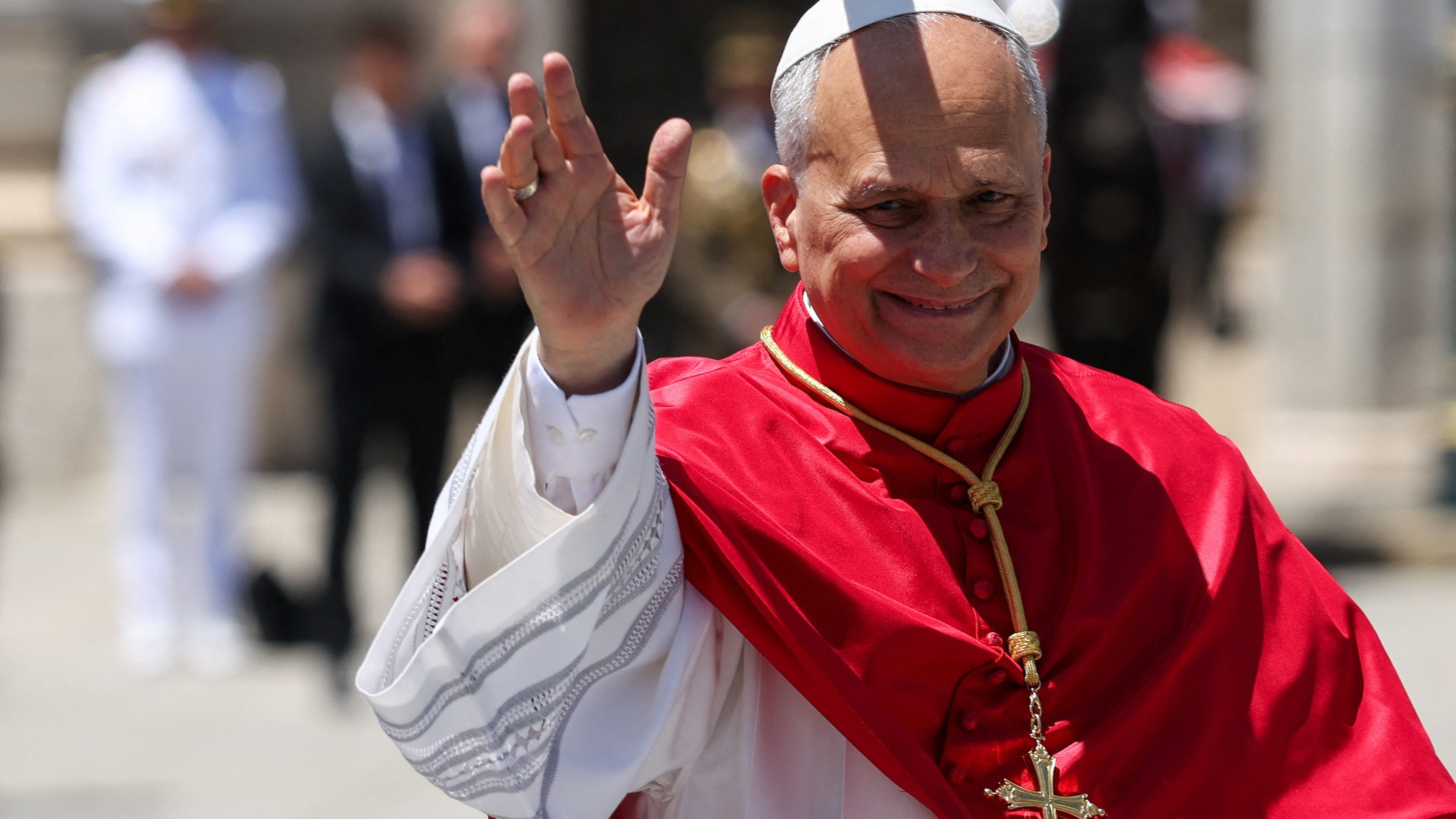
- Pope Francis, during his recent visit to Spain, forcefully addressed skepticism surrounding his calls for peace, asserting that his message is grounded in realism, not naive idealism.
- He emphasized that pursuing peace requires active engagement, robust diplomacy, and a commitment to justice, rather than passively wishing for conflict resolution in a complex global landscape.
- The Pontiff's remarks come at a critical juncture, with numerous international conflicts and rising geopolitical tensions, highlighting the urgent need for pragmatic approaches to de-escalation and reconciliation.
- Francis stressed the importance of dialogue and mutual understanding, urging leaders and citizens alike to move beyond rhetoric and implement concrete measures that foster lasting harmony and prevent further suffering.
- His address aimed to galvanize a renewed commitment to peacebuilding efforts, underscoring that while the path may be arduous, the pursuit of a more just and peaceful world remains an essential moral imperative for humanity.
- The visit provided a significant platform for the Pope to articulate his vision for global solidarity and to encourage collective action against the forces that perpetuate division and violence across nations.
The Human Face of Peace
Pope Francis's pronouncements on peace often resonate deeply because they are rooted in an understanding of human suffering. He consistently draws attention to the plight of those directly impacted by conflict – the displaced families, the orphaned children, the communities shattered by violence. His message isn't abstract; it's a direct appeal to our shared humanity, urging us to see the faces behind the statistics and to recognize the profound personal cost of war. During his Spanish visit, this human element was palpable as he met with various groups, listening to their stories and offering solace, thereby grounding his calls for peace in lived experiences. This approach challenges the often-impersonal nature of international diplomacy, reminding us that every policy decision, every diplomatic maneuver, ultimately affects individual lives and destinies. His emphasis on compassion and empathy serves as a powerful counterpoint to the prevailing narratives of division and animosity that often dominate global discourse.
The Pontiff’s insistence that peace requires active, realistic effort stems from observing the persistent cycles of conflict throughout history. He understands that peace is not merely the absence of war but the presence of justice, reconciliation, and mutual respect. This involves confronting the root causes of conflict, such as poverty, inequality, and the disregard for human rights, rather than merely treating the symptoms. By framing peace as an active pursuit, Francis encourages individuals and institutions to engage in the difficult, often unglamorous, work of building bridges, fostering dialogue, and promoting understanding across divides. His visits and addresses serve as catalysts, prompting reflection and action by highlighting the moral imperative to alleviate suffering and build a more humane world. This perspective challenges complacency and calls for a sustained, collective commitment to creating conditions where peace can truly flourish, benefiting all of humanity.
Francis's vision of peace is intrinsically linked to the dignity of every human person. He argues that true peace cannot be achieved when fundamental rights are violated or when certain groups are marginalized and oppressed. His advocacy for the poor, the migrants, and the vulnerable underscores his belief that a just society is the bedrock of lasting peace. This holistic approach extends beyond mere ceasefire agreements; it encompasses social justice, economic fairness, and environmental stewardship. When he speaks of peace in Spain, he is not just addressing political leaders but also ordinary citizens, imploring them to be agents of change in their own communities. This empowerment of individuals is crucial, as it suggests that peacebuilding is a collective responsibility, requiring contributions from all levels of society. His unwavering focus on these interconnected elements paints a comprehensive picture of what a truly peaceful world might look like.
How We Got Here
The current global climate, marked by escalating conflicts and fractured international relations, provides the backdrop for Pope Francis's persistent calls for peace. Decades of unresolved disputes, coupled with new geopolitical rivalries, have created an environment where violence often appears as the default solution. The rise of nationalism, the erosion of multilateral institutions, and the spread of disinformation have further complicated efforts to foster global cooperation and understanding. This complex web of challenges makes the pursuit of peace seem increasingly difficult, leading some to dismiss calls for dialogue as idealistic or naive. The Pope’s consistent articulation of peace as a pragmatic necessity, rather than a utopian dream, is a direct response to this pervasive sense of cynicism and despair that grips many parts of the world today.
Historically, the Catholic Church, under various pontiffs, has advocated for peace and disarmament, but Pope Francis has intensified this focus, integrating it deeply into his papacy. His encyclicals, apostolic exhortations, and numerous public addresses consistently highlight the moral and practical imperative of peacebuilding. He has often spoken out against the arms trade, the use of nuclear weapons, and the devastating humanitarian consequences of war, drawing parallels with his predecessors' efforts while carving out his own distinct emphasis on integral human development as the foundation for peace. His travels and meetings with world leaders and ordinary people alike serve to amplify this message, bringing it directly into the public consciousness and challenging prevailing norms that often prioritize power and conflict over diplomacy and reconciliation.
The specific context of Pope Francis's visit to Spain, a nation with its own history of internal conflict and a significant role in European affairs, adds another layer to his message. Spain's proximity to regions experiencing instability and its position within the European Union make it a crucial player in discussions about security and peace. By choosing Spain as a platform, the Pope aimed to engage a diverse audience, from political figures to grassroots organizations, encouraging a collective reevaluation of approaches to conflict resolution. His remarks were intended to galvanize support for diplomatic solutions and to counter narratives that might suggest peace is unattainable or unimportant in the face of persistent global challenges, reinforcing his long-standing commitment to fostering dialogue and understanding.
Why This Cannot Be Ignored
The escalating global conflicts and the increasing frequency of humanitarian crises demand an urgent and realistic approach to peacebuilding. When powerful voices like Pope Francis articulate that peace is not naive but a necessary pursuit, it carries significant weight, challenging the pervasive cynicism that can paralyze diplomatic efforts. Ignoring these calls means accepting a world where violence becomes normalized, where human suffering is an acceptable consequence of geopolitical maneuvering, and where the potential for catastrophic escalation remains ever-present. The interconnectedness of our world means that conflicts in one region can have far-reaching consequences, impacting economies, triggering refugee crises, and fostering radicalization globally. Therefore, a commitment to peace is not merely a moral ideal but a pragmatic necessity for collective survival and well-being.
Pope Francis's insistence on a realistic approach to peace is crucial because it directly counters the narrative that conflict is inevitable or that diplomatic solutions are futile. This perspective is vital in an era where misinformation and propaganda can easily fuel division and animosity. By framing peace as an active, achievable goal requiring concrete actions, he empowers individuals and nations to reject despair and engage in constructive dialogue and reconciliation. The alternative—a world resigned to perpetual conflict—risks further fragmentation, increased human suffering, and the potential for widespread devastation. His message serves as a powerful reminder that even in the darkest times, the pursuit of peace remains a moral imperative and a practical strategy for building a more stable and humane future for all.
The spiritual and moral authority wielded by the Pope means his words carry significant influence, capable of shifting public opinion and encouraging political action. When he refutes the notion that peace advocacy is naive, he is not just defending his own position but also validating the efforts of countless individuals and organizations working tirelessly for reconciliation. Ignoring this message risks undermining these vital efforts and perpetuating a cycle of conflict that benefits only those who profit from war. A world that dismisses the possibility of peace is a world that surrenders to its worst impulses, potentially leading to irreversible damage to human civilization and the planet. His call demands serious consideration from leaders and citizens alike, urging a collective re-commitment to the principles of dialogue, justice, and mutual respect.
Possible Paths Forward
Pope Francis's emphasis on realism suggests several actionable paths toward fostering peace. Firstly, there must be a renewed commitment to robust diplomatic engagement, moving beyond mere pronouncements to substantive negotiations aimed at de-escalation and conflict resolution. This involves supporting multilateral institutions and empowering mediators to facilitate dialogue between warring parties. Secondly, addressing the root causes of conflict—such as poverty, inequality, and injustice—is paramount. Investments in sustainable development, education, and healthcare can help build resilient societies less susceptible to radicalization and violence. Finally, fostering a culture of peace through education and interfaith dialogue is essential to counter narratives of hatred and division, promoting empathy and mutual understanding among diverse communities.
Another crucial path involves strengthening international law and accountability mechanisms. Holding perpetrators of war crimes and human rights abuses accountable can serve as a deterrent and provide a measure of justice for victims, thereby contributing to long-term reconciliation. This requires greater cooperation among nations to ensure that international justice systems are effective and impartial. Furthermore, promoting responsible media and combating disinformation are vital in shaping public opinion towards peace rather than conflict. By ensuring access to accurate information and fostering critical thinking, societies can become less vulnerable to manipulation and more inclined towards peaceful coexistence. These efforts, though challenging, are indispensable for building a world where peace is not a distant dream but an attainable reality.
Ultimately, the Pope's message calls for a fundamental shift in mindset, both at the leadership level and among ordinary citizens. This involves cultivating a global ethic of solidarity, recognizing our shared humanity and interdependence. It means prioritizing human dignity and well-being over narrow national interests or ideological pursuits. Empowering local peacebuilders and supporting grassroots initiatives are also critical, as they often possess invaluable insights into resolving local conflicts. By embracing these multifaceted approaches, the international community can move beyond a reactive stance towards a proactive strategy for building and sustaining peace, ensuring that the pursuit of harmony becomes a tangible and ongoing endeavor for generations to come.

Questions People Are Actually Asking
What to Watch
- Monitor diplomatic efforts in ongoing global conflicts; observe whether nations are prioritizing negotiation and de-escalation over military solutions, reflecting the Pope's call for realistic peace.
- Track the implementation of sustainable development initiatives aimed at addressing poverty and inequality, as these are considered by the Pope to be fundamental to preventing future conflicts.
- Observe the role of interfaith dialogue and peacebuilding organizations in fostering understanding and reconciliation in divided communities, noting any increased support or engagement.
- Pay attention to shifts in public discourse regarding peace; watch for a decrease in inflammatory rhetoric and an increase in constructive conversations about conflict resolution and mutual respect.
- Assess the impact of Pope Francis's continued advocacy on international policy decisions and the willingness of global leaders to engage in meaningful peace processes.
- Note any increased focus on humanitarian aid and refugee support, as these are direct consequences of conflict and areas where Pope Francis consistently calls for greater compassion and action.












Comments
No comments yet. Be the first to comment!