
Policy Snapshot
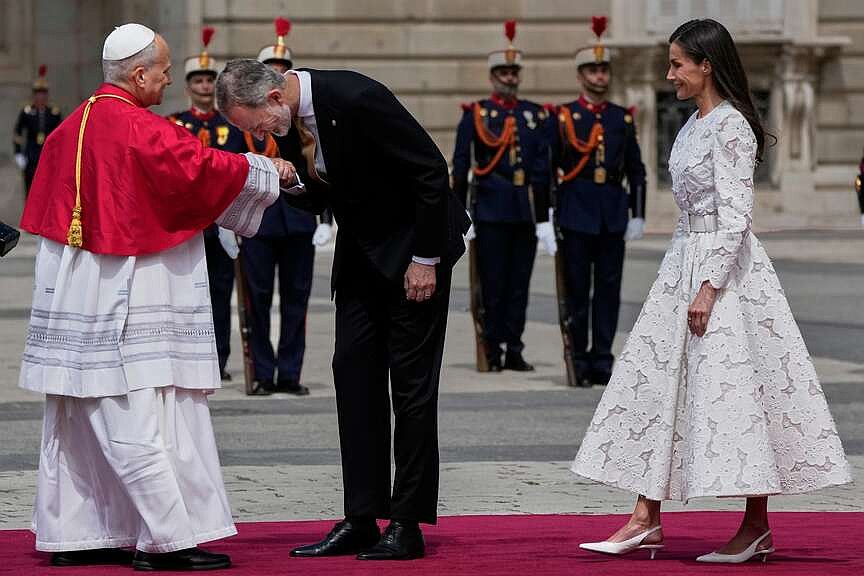
- The Vatican's strategic engagement with Spain signals a renewed emphasis on European Catholic identity and social cohesion amidst secularizing trends and political fragmentation.
- Key themes expected to dominate discussions include the Church's role in addressing socio-economic disparities, migration challenges, and the preservation of traditional values in a rapidly evolving society.
- Pope Francis's pastoral agenda aims to foster dialogue between the faithful and contemporary societal issues, encouraging active participation and reaffirming the Church's commitment to social justice and human dignity.
- The visit is anticipated to strengthen ties between the Holy See and the Spanish episcopate, providing a platform for unified pastoral strategies and responses to pressing national concerns.
- Discussions will likely touch upon the Church's influence on public discourse, particularly concerning family values, education, and the ethical implications of technological advancements.
- A significant objective involves galvanizing Catholic communities to address contemporary challenges with renewed faith and a commitment to service, reinforcing the Church's relevance in the 21st century.
The Policy History
The relationship between the Vatican and Spain boasts a long and complex history, deeply intertwined with the nation's cultural and political development. From the Reconquista to the Franco dictatorship, the Catholic Church has wielded considerable influence, shaping societal norms and state policies. This historical legacy has created a unique dynamic where religious identity remains significant for many Spaniards, even as secularization has advanced considerably in recent decades. The post-Franco era saw a gradual disestablishment of the Church's privileged position, leading to a more pluralistic society. However, the Church continues to play a vital role in social services, education, and cultural life, maintaining a presence that transcends mere religious adherence for a substantial portion of the population. Understanding this historical context is crucial to appreciating the significance of the Pope's current engagement with the nation.
In recent decades, the Spanish Catholic Church has navigated a landscape marked by declining vocations, aging congregations, and a growing disconnect with younger generations. Societal shifts, including increased secularism, changing family structures, and evolving attitudes towards issues like LGBTQ+ rights and reproductive health, have presented significant pastoral challenges. The Church has responded with varying degrees of adaptation, seeking to maintain relevance while upholding its doctrines. Papal visits historically serve as powerful moments of spiritual renewal and reaffirmation, aiming to bolster the faith of believers and inspire renewed engagement with Church teachings. Pope Francis, known for his emphasis on mercy, social justice, and reaching out to the peripheries, brings a distinct pastoral approach that seeks to address these contemporary struggles with compassion and a call for greater inclusivity within the Church's framework.
The Holy See's engagement with Spain is not merely a spiritual endeavor but also a strategic diplomatic effort. As a historically Catholic nation and a significant player in the European Union, Spain represents a crucial bulwark for the Church's influence on the continent. The Vatican monitors societal trends and political developments in Spain closely, recognizing that shifts in the nation's cultural and religious landscape can have ripple effects across Europe. Papal interventions, whether through direct visits or official communications, aim to guide national discourse, support Catholic institutions, and advocate for policies aligned with Church values. This ongoing dialogue and engagement reflect a long-term vision for the Church's role in a secularizing world, seeking to foster environments where faith can continue to thrive and contribute positively to society.
Who Is Affected
The Spanish populace, regardless of their religious affiliation or level of observance, will be impacted by the Pope's visit. For the millions of practicing Catholics, it represents a moment of spiritual upliftment, a chance to connect directly with the head of their Church, and an opportunity to reaffirm their faith amidst societal pressures. The visit can inspire greater engagement in parish life, charitable activities, and the public expression of their beliefs. For those who are less religious or non-affiliated, the Pope's presence and pronouncements offer a significant cultural and social event, prompting reflection on the role of religion in public life and the values espoused by the Catholic Church. His messages on social justice, poverty, and environmental stewardship often resonate beyond religious circles, encouraging broader societal dialogue and action on critical global issues.
The Spanish Catholic hierarchy and clergy stand to benefit significantly from the Pope's visit, which can serve as a powerful morale booster and a source of renewed direction. It provides an opportunity for bishops and priests to align their pastoral strategies with the Holy See's priorities, fostering a sense of unity and shared purpose. The visit can also galvanize lay movements and Catholic organizations, encouraging them to intensify their efforts in evangelization, social outreach, and community building. For seminarians and those discerning a religious vocation, the Pope's example and words can be particularly inspiring, reinforcing the importance and enduring relevance of a life dedicated to service within the Church, even in a challenging modern context.
Beyond Spain's borders, the Pope's engagement with a prominent European nation carries implications for the broader Catholic Church and international relations. His pronouncements on social justice, migration, and interfaith dialogue can influence global Catholic discourse and inspire action in other countries facing similar challenges. For European leaders and policymakers, the visit offers a chance to engage with the Holy See on critical issues, potentially shaping discussions on social policy, ethics, and the role of faith-based organizations in civil society. The Vatican's strategic focus on Spain underscores its ongoing efforts to maintain and adapt the Church's influence in a continent grappling with secularization, political shifts, and the integration of diverse populations.
The Case For
The presence of Pope Francis in Spain offers a profound opportunity for spiritual renewal and the strengthening of faith among Catholics. His message of mercy, inclusion, and social justice resonates deeply with the challenges faced by contemporary society, providing a beacon of hope and moral guidance. For a nation grappling with secularization and social divisions, the Pope's visit can serve as a unifying force, reminding citizens of shared values and the importance of community solidarity. His emphasis on dialogue and encounter encourages bridges to be built between different groups, fostering understanding and reconciliation in a diverse society. The visit can reignite a sense of purpose and commitment among the faithful, inspiring them to live out their beliefs more actively in their daily lives and communities.
From a social perspective, the Pope's advocacy for the poor, the marginalized, and the environment aligns with pressing global concerns, offering a powerful moral impetus for action. His calls for greater solidarity and responsible stewardship of creation can inspire concrete initiatives aimed at alleviating poverty, addressing inequality, and promoting sustainable development within Spain and beyond. The Church, through its extensive network of charitable organizations, can leverage the attention generated by the visit to expand its social outreach programs and address pressing humanitarian needs. This focus on practical charity and social engagement reinforces the Church's role as a vital contributor to the common good, demonstrating its commitment to serving those most in need.
Strategically, the Pope's engagement with Spain reinforces the Catholic Church's enduring relevance in Europe. It provides a platform to address the unique challenges facing the Church in a historically Catholic but increasingly secularized nation, fostering dialogue on how to adapt pastoral approaches without compromising core tenets. The visit can strengthen the bonds between the Holy See and the Spanish episcopate, promoting unified pastoral strategies and a coordinated response to contemporary issues. Furthermore, the Pope's international stature ensures that his messages will reverberate globally, influencing discussions on faith, ethics, and social justice on a broader stage, thereby reaffirming the Church's role as a significant moral voice in the world.
The Case Against
Critics often argue that papal visits, while spiritually significant for believers, can inadvertently exacerbate societal divisions in increasingly secular nations like Spain. The Church's traditional stances on issues such as LGBTQ+ rights, reproductive health, and gender equality often clash with prevailing progressive values, potentially alienating segments of the population and fueling social tensions. The substantial resources, both financial and logistical, required for organizing such high-profile events could arguably be better allocated towards direct charitable work or addressing internal Church issues, particularly in light of declining church attendance and vocations in many Western countries. This focus on grand gestures might distract from the urgent need for reform and adaptation within the Church itself.
There is a concern that the political implications of a papal visit can be misinterpreted or exploited, leading to undue influence on national policy debates. While the Pope's messages often focus on universal values, specific pronouncements can be perceived as interference in domestic affairs, particularly in countries with a history of close Church-state relations. This can generate backlash from secularist groups or those advocating for a stricter separation of church and state, potentially undermining efforts towards social cohesion. The media coverage, often intense, can also amplify controversies, overshadowing the intended spiritual message and contributing to a polarized public discourse on religious and ethical matters.
Furthermore, some observers question the long-term impact of such visits on the Church's mission in a rapidly changing world. While providing a temporary boost in morale for adherents, the visits may not fundamentally alter the trajectory of secularization or address the deep-seated reasons for declining religious practice among younger generations. Critics suggest that a more effective strategy might involve sustained, grassroots efforts focused on dialogue, community building, and demonstrating the Church's relevance through tangible social action, rather than relying on the symbolic power of a high-profile visit. The challenge lies in translating the spiritual energy generated by the Pope's presence into lasting change and engagement.
Policy Questions Answered
Implementation Watch
Following Pope Francis's visit, the key focus will be on how the messages of spiritual renewal and social justice translate into tangible actions within Spain. The Spanish Catholic hierarchy is expected to build upon the momentum generated by the papal presence, launching or intensifying initiatives aimed at youth engagement, poverty reduction, and environmental stewardship. Close observation will be maintained on whether the Church can effectively harness the renewed enthusiasm to address declining vocations and adapt its pastoral outreach to resonate with a younger, more secular demographic. The success of the visit will ultimately be measured by its lasting impact on the faith lives of individuals and the Church's contribution to the broader societal well-being.
Attention will also be directed towards the Church's engagement with pressing social issues that were likely highlighted during the Pope's discussions. This includes its role in advocating for migrants and refugees, promoting family values in diverse contexts, and contributing to public discourse on ethical challenges posed by technological advancements. The Vatican will be monitoring how effectively Spanish Catholic institutions can implement pastoral strategies that are both faithful to tradition and responsive to the evolving needs of contemporary society. The ability of the Church to foster dialogue and bridge divides, particularly on contentious social issues, will be a critical indicator of its ongoing relevance.
Furthermore, the long-term impact on interfaith and ecumenical relations will be noteworthy. Pope Francis's emphasis on dialogue and collaboration suggests a continued effort to build bridges with other Christian denominations and religious traditions. Observers will watch to see if the visit spurs greater cooperation between different faith communities in Spain on social action projects and initiatives that promote peace and mutual understanding. The effectiveness of the Church in translating the spiritual energy of the visit into sustained, collaborative efforts for the common good will be a crucial measure of its success beyond the immediate event.















Comments
No comments yet. Be the first to comment!