

Policy Snapshot
- The UK government has legislated a legally binding target to achieve Net Zero greenhouse gas emissions by 2050, a commitment driven by international climate agreements and domestic environmental concerns.
- This ambitious target necessitates significant reductions in emissions across all sectors of the economy, including heavy industry, energy generation, transportation, and agriculture, requiring substantial investment and innovation.
- Key policy mechanisms include carbon pricing, renewable energy subsidies, energy efficiency standards, phasing out fossil fuels, and promoting green technologies, all designed to steer the economy towards sustainability.
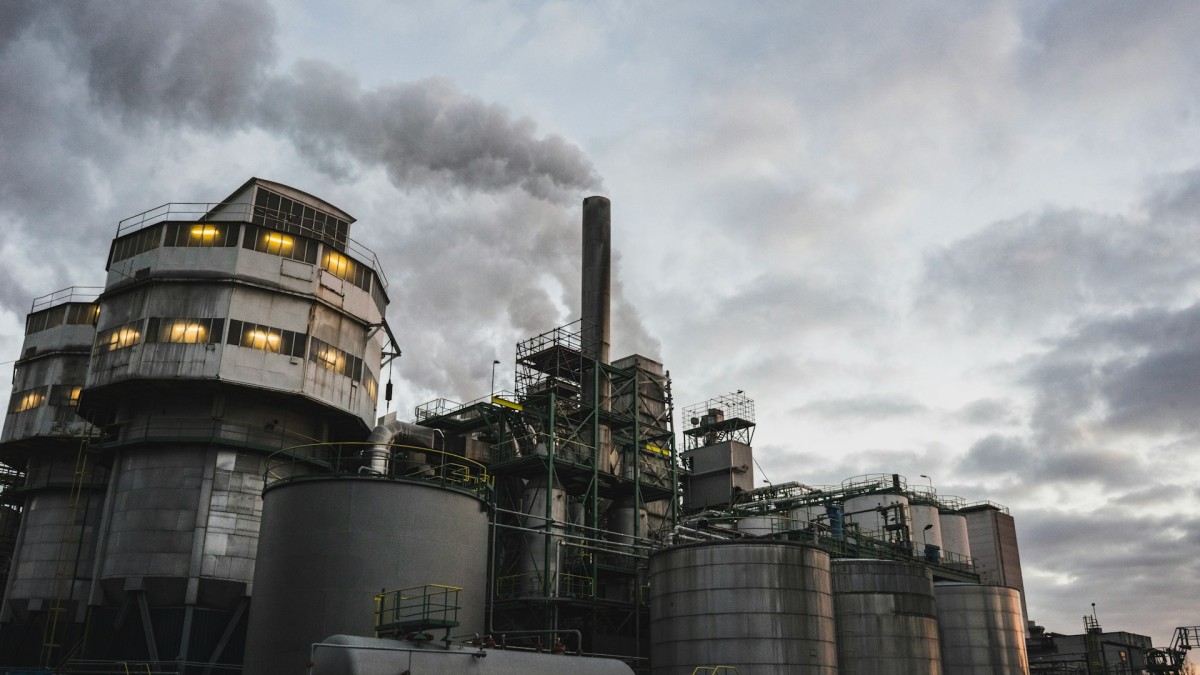
- The chemical industry, a foundational sector for manufacturing, pharmaceuticals, and countless consumer goods, faces particularly acute challenges due to its energy-intensive nature and reliance on feedstocks derived from fossil fuels.
- Specific regulations and proposed changes, such as the UK Emissions Trading Scheme (ETS) and potential carbon border adjustment mechanisms, directly impact the operational costs and competitiveness of chemical manufacturers.
- The policy framework aims to foster a transition to a low-carbon economy, creating new green jobs and industries, while simultaneously demanding a fundamental transformation of existing industrial processes and supply chains.
The Policy History
The journey towards Net Zero in the UK is rooted in a growing global awareness of climate change and its potential consequences. Initially, the UK set targets for emissions reductions, but these evolved significantly over time, culminating in the legally binding commitment to achieve Net Zero by 2050 through the Climate Change Act 2008 (amended in 2019). This evolution reflects a political and societal shift, driven by scientific consensus, public pressure, and international obligations under agreements like the Paris Accord. The transition from setting reduction goals to an absolute zero target marked a profound intensification of policy ambition, signaling a fundamental reorientation of economic strategy. This ambitious goal necessitates a complete overhaul of energy systems, industrial processes, and consumption patterns, placing immense pressure on sectors that have historically relied on carbon-intensive methods.
The chemical industry, a backbone of the UK's manufacturing prowess, has been a significant contributor to the national economy for decades, providing essential materials for sectors ranging from healthcare and agriculture to construction and automotive. Historically, its growth and efficiency have been closely tied to the availability of affordable energy, often derived from fossil fuels, and the use of hydrocarbons as primary feedstocks. As the UK began to formalize its climate policies, the industry found itself at a critical juncture. Initial measures focused on improving energy efficiency and reducing direct emissions, but the escalating ambition of Net Zero targets introduced a new paradigm. The industry's complex, capital-intensive nature means that transitions are not immediate; they require long-term planning, substantial investment in new technologies, and a stable regulatory environment. The shift towards Net Zero has therefore presented a dual challenge: maintaining global competitiveness while undertaking a profound decarbonization effort.
The implementation of Net Zero policies has been characterized by a mix of regulatory instruments and market-based mechanisms. The establishment of the UK Emissions Trading Scheme (ETS) replaced the UK's participation in the EU ETS after Brexit, placing a cap on emissions from major industrial installations and requiring them to purchase allowances for each tonne of CO2 emitted. This mechanism aims to incentivize emissions reductions by making pollution more expensive. Alongside the ETS, policies supporting renewable energy deployment, such as offshore wind auctions, and mandates for energy efficiency in buildings and industry have been crucial. However, the pace and scale of these interventions, particularly in recent years, have intensified the pressure on energy-intensive industries. The challenge lies in balancing the imperative to decarbonize with the need to maintain industrial competitiveness and prevent carbon leakage, where companies might relocate to regions with less stringent environmental regulations.
Who Is Affected
The most immediate and profound impact of the UK's Net Zero policies falls upon the chemical manufacturing sector itself. Companies operating within this industry face escalating operational costs due to carbon pricing mechanisms like the UK ETS, which directly inflate the price of energy and emissions. Furthermore, the drive to decarbonize necessitates massive capital investment in new, low-carbon technologies and processes, a financial burden that many firms, especially small and medium-sized enterprises (SMEs), struggle to bear. The reliance on fossil fuels not only for energy but also as a feedstock for many chemical products presents a complex challenge, requiring a fundamental shift in raw material sourcing and production methods. This transition risks rendering existing infrastructure obsolete and demanding a complete reimagining of business models, potentially leading to reduced profitability and diminished global competitiveness if not managed carefully.
Beyond the direct operators, the ripple effects extend to the thousands of employees working within the chemical industry and its extensive supply chain. Job security becomes a significant concern as companies grapple with rising costs and the potential for plant closures or relocation. A decline in the chemical sector could lead to substantial job losses, impacting communities that are heavily reliant on these industrial hubs. Moreover, the downstream industries that depend on chemicals for their own manufacturing processes – including pharmaceuticals, automotive, aerospace, construction, and food production – face potential disruptions. Increased costs or reduced availability of essential chemical inputs could lead to higher prices for consumers, reduced output in other manufacturing sectors, and a decline in the UK's overall industrial capacity and export potential.
The broader UK economy and national security are also significantly affected. A weakened chemical industry means a loss of critical manufacturing capability, reducing the UK's self-sufficiency in producing essential goods and materials. This dependence on imports can create vulnerabilities, particularly in times of geopolitical instability or supply chain disruptions. Furthermore, the chemical sector is a significant contributor to the UK's GDP and export earnings. A decline in its performance directly impacts economic growth, tax revenues, and the balance of trade. The transition also poses challenges for energy providers, infrastructure developers, and technology innovators, requiring coordinated efforts to ensure a just and effective transition that supports rather than undermines national economic resilience and strategic interests.
The Case For Net Zero
The imperative to address climate change stands as the primary justification for the UK's Net Zero policy. Scientific consensus overwhelmingly indicates that global temperatures are rising due to human activity, leading to increasingly severe weather events, sea-level rise, and ecological disruption. Failing to act decisively risks catastrophic long-term consequences for the planet and future generations. The Net Zero target represents a commitment to global climate goals, aligning the UK with international efforts to limit warming to 1.5 degrees Celsius above pre-industrial levels, as outlined in the Paris Agreement. This proactive stance is seen not just as an environmental necessity but also as a moral obligation to mitigate future risks and preserve a habitable planet.
Beyond environmental protection, the transition to a Net Zero economy is championed as a significant economic opportunity. Proponents argue that investing in green technologies, renewable energy, and sustainable infrastructure will spur innovation, create new high-skilled jobs, and position the UK as a global leader in the burgeoning green economy. This shift can foster new industries, enhance energy security by reducing reliance on volatile global fossil fuel markets, and drive efficiency improvements across the economy. The development of advanced manufacturing capabilities for green technologies, such as batteries, hydrogen, and carbon capture, is expected to yield substantial economic benefits and export potential, revitalizing the UK's industrial base for the 21st century.
Furthermore, achieving Net Zero can lead to significant public health benefits and improved quality of life. Reducing reliance on fossil fuels means cleaner air, which can decrease the incidence of respiratory and cardiovascular diseases, lowering healthcare costs and improving overall well-being. The shift towards sustainable transport and energy systems can also lead to quieter cities and more accessible green spaces. This holistic approach to policy-making aims to create a more resilient, healthier, and sustainable society, where environmental protection and economic prosperity are mutually reinforcing goals, ultimately enhancing the long-term livability and attractiveness of the UK.
The Case Against Current Policy Implementation
The core criticism leveled against the current Net Zero policy implementation is its potentially devastating impact on the UK's industrial base, particularly energy-intensive sectors like chemicals. Critics argue that the pace of regulatory change and the cost of carbon emissions are escalating too rapidly, without adequate support or viable low-carbon alternatives being sufficiently developed or deployed. This creates an uneven playing field, where UK manufacturers face higher costs than international competitors operating under less stringent regulations, leading to a risk of 'carbon leakage' and deindustrialization. The argument is not against Net Zero itself, but against an approach that prioritizes speed over industrial viability and global competitiveness.
A significant concern is the lack of readily available, cost-effective, and scalable low-carbon energy and feedstock solutions for the chemical industry. While renewable energy sources like wind and solar are expanding, their intermittent nature and the challenges of grid integration pose difficulties for industries requiring a constant, stable power supply. Similarly, transitioning from fossil fuel-based feedstocks to alternatives like green hydrogen or bio-based materials requires immense investment in new infrastructure and technology, which are not yet mature or widely accessible. This gap between policy ambition and technological readiness leaves many firms facing an unsustainable cost burden and operational uncertainty, jeopardizing their future.
The economic consequences of a poorly managed transition are profound. Critics warn of significant job losses across the chemical sector and its supply chains, potentially devastating local communities. The loss of a strategic industry like chemicals could also undermine the UK's manufacturing capacity, increase reliance on imports, and negatively impact the balance of trade and overall economic growth. The argument is that the current policy framework, while well-intentioned, risks sacrificing tangible economic benefits and industrial strength for an abstract future goal without a clear, pragmatic, and economically sound roadmap for affected sectors.
Policy Questions Answered
Implementation Watch
The UK's industrial decarbonization strategy is unfolding through a series of policy interventions and funding mechanisms designed to steer heavy industries towards Net Zero. Key initiatives include the UK Emissions Trading Scheme (ETS), which puts a price on carbon, and various grant programs aimed at supporting the development of crucial low-carbon technologies like Carbon Capture, Usage, and Storage (CCUS) and hydrogen production. The government has identified several industrial clusters, such as those in the Humber and Teesside, as priority areas for developing integrated decarbonization solutions, leveraging shared infrastructure to reduce costs and increase efficiency. These clusters are seen as vital for retaining and growing the UK's chemical and manufacturing base.
However, the pace of implementation and the adequacy of support remain subjects of intense scrutiny. While ambitious targets are set, the deployment of essential infrastructure, such as hydrogen pipelines and CCUS networks, is often perceived as lagging behind the pace required by industry. Companies report significant challenges in accessing sufficient funding to bridge the 'green premium' – the additional cost of low-carbon technologies compared to conventional ones. Furthermore, the long-term certainty of policy support is crucial for attracting the massive private investment needed, yet frequent policy reviews and shifting government priorities can create uncertainty, hindering long-term planning and investment decisions within the sector.
The effectiveness of these policies is also being evaluated against their impact on international competitiveness. Concerns about carbon leakage persist, prompting discussions about potential Carbon Border Adjustment Mechanisms (CBAMs) to level the playing field. The success of the Net Zero transition hinges on a delicate balance: driving down domestic emissions without exporting them elsewhere or crippling key industries. Continuous monitoring of emissions data, investment flows, and industry performance is essential to adapt policies, ensuring they are both environmentally effective and economically sustainable, fostering a just transition that supports, rather than undermines, the UK's industrial future.

















Comments
No comments yet. Be the first to comment!