

Key Takeaways
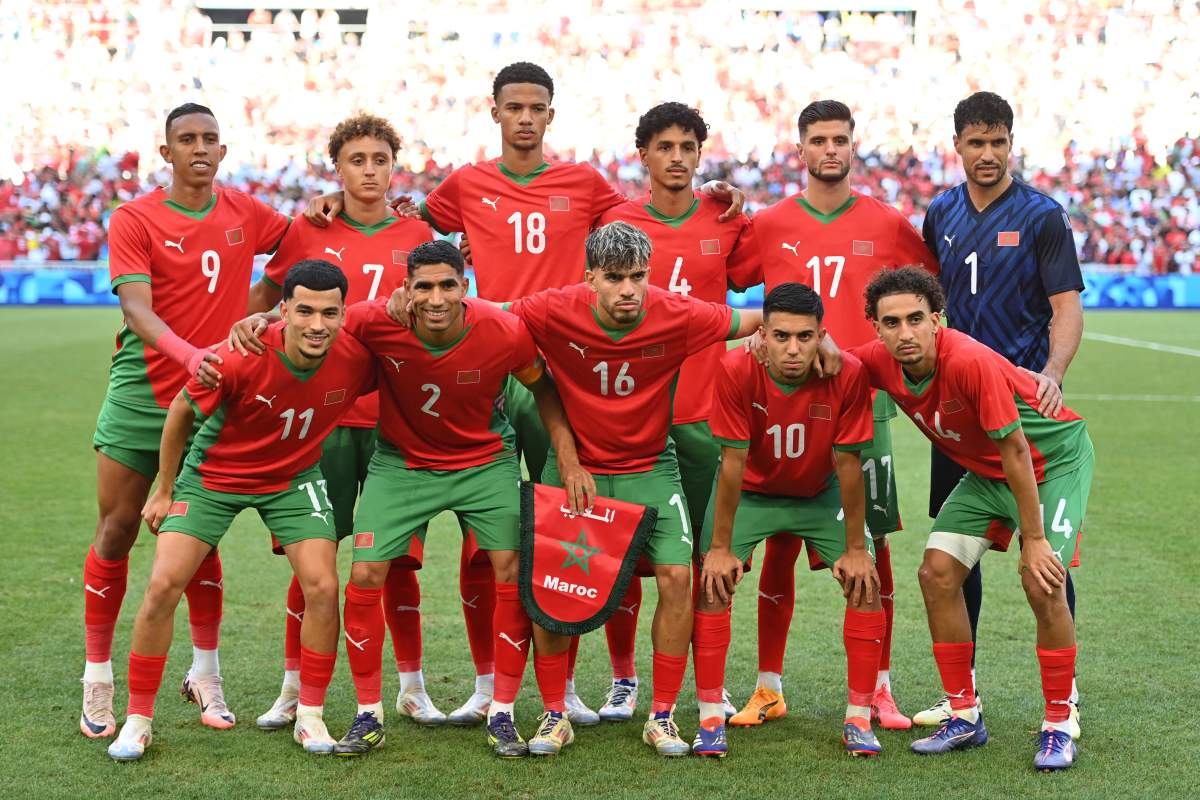
- Morocco and Norway are set to face off in a critical match, with both teams aiming to secure vital points for their respective campaigns and demonstrate their current form.
- Understanding the recent performance, tactical approaches, and key player statistics for both Morocco and Norway is essential for predicting the outcome of this encounter.
- This match offers a compelling narrative of contrasting styles and ambitions, making it a must-watch for football enthusiasts seeking tactical insights and thrilling action.
- Fans can anticipate a dynamic game influenced by historical head-to-head records, current squad fitness, and the strategic decisions made by the coaching staff on match day.
- The broadcast details, including TV channels and streaming platforms, are crucial for viewers to tune in and experience the live action as it unfolds.
- Analyzing the strengths and weaknesses of both Morocco and Norway will provide a clearer picture of how each team might approach the game and exploit potential opportunities.
Background
The upcoming fixture between Morocco and Norway represents more than just a single game; it's a significant event in the ongoing football calendar, potentially shaping the trajectory of both national teams. Morocco, often lauded for its flair and attacking prowess, enters this match with a reputation built on skillful play and passionate support. Their journey in recent tournaments has showcased an ability to compete at high levels, often relying on individual brilliance and cohesive teamwork. The squad typically boasts a blend of experienced veterans and emerging talents, creating a dynamic and unpredictable force on the pitch. Fans expect them to play with intensity and a commitment to entertaining football, aiming to control possession and create scoring chances through intricate passing and decisive runs.
Norway, on the other hand, is recognized for its disciplined approach, physical strength, and tactical organization. Historically, they have been a resilient opponent, capable of frustrating stronger teams with their defensive solidity and effective counter-attacking strategies. Their style often emphasizes direct play, leveraging aerial ability and strong individual performances in key positions. The Norwegian team typically focuses on maintaining a compact shape, making it difficult for opponents to penetrate their lines, and then launching swift transitions when opportunities arise. This contrast in playing philosophies between Morocco and Norway sets the stage for a fascinating tactical battle, where adaptability and execution will be paramount for success.
The historical context of matches between these two nations, though perhaps not extensive, often provides valuable insights into their competitive dynamics. Each past encounter can reveal patterns in their tactical matchups, player matchups, and psychological edges. Understanding these historical trends can help contextualize the current meeting, highlighting whether one team has historically held an advantage or if the contests have been closely fought. Furthermore, the current form and recent results of both Morocco and Norway leading up to this game are critical indicators of their readiness and confidence. A team coming off a string of victories might carry significant momentum, while a team struggling for results might be under pressure to perform, adding another layer of intrigue to the pre-match analysis.
Why It Matters
This match holds significant weight for both Morocco and Norway as they navigate their respective competitive calendars. For Morocco, securing a victory could bolster their standing in international rankings, potentially improving their seeding for future tournaments and boosting national pride. A strong performance here would reinforce their status as a competitive force on the global stage, validating the development and investment in their football program. The team's ability to consistently perform against varied opposition is crucial for maintaining momentum and building confidence among players and supporters alike. This game is an opportunity to showcase their evolving tactics and the depth of their talent pool, proving they can deliver under pressure.
Norway, conversely, views this fixture as a vital step towards achieving its own objectives, whether that involves qualifying for a major tournament, solidifying their position in a competitive group, or simply demonstrating progress under their current management. A positive result against a team like Morocco, known for its attacking flair, would be a significant statement of intent and a testament to their tactical discipline and resilience. It provides a benchmark against a different style of play, allowing them to test their strategies and identify areas for improvement. The outcome could influence team morale, public perception, and future strategic planning, making it a pivotal moment in their campaign.
Beyond the immediate implications for each team's standings, this encounter is also important for the broader football landscape. It offers a platform for players to gain exposure, potentially attracting the attention of clubs and scouts worldwide. Furthermore, matches between nations with distinct footballing cultures provide valuable learning experiences, fostering international goodwill and showcasing the global appeal of the sport. The tactical nuances and individual duels on display can offer insights for coaches and analysts, contributing to the ongoing evolution of football strategies. Ultimately, the result will be etched in the records, influencing future matchups and the historical narrative of both footballing nations.
Ground Reality
The current form of both Morocco and Norway is a critical factor influencing expectations for this match. Morocco has recently demonstrated flashes of brilliance, marked by dynamic attacking plays and a resilient defense, although consistency remains a point of focus. Their recent performances suggest a team capable of overcoming challenges, but they may also exhibit vulnerabilities that can be exploited by a well-drilled opponent. Analyzing their last few outings reveals patterns in their offensive strategies, their effectiveness in midfield battles, and their ability to hold firm under pressure. Understanding these trends is key to assessing their readiness and potential performance on the day.
Norway's recent trajectory presents a different picture, characterized by a solid defensive structure and a pragmatic approach to games. They often rely on organized play and capitalizing on set-piece opportunities or swift counter-attacks. While perhaps not as flamboyant as some opponents, their efficiency and determination can make them a formidable adversary. Examining their recent results will highlight their ability to grind out results, their effectiveness in nullifying opposition threats, and the specific tactics they employ to secure points. This disciplined approach often makes them a tough team to break down, requiring patience and precision from their opponents.
Player availability and fitness levels will undoubtedly play a crucial role in the unfolding dynamics of this game. Key players for both Morocco and Norway, whether due to injury, suspension, or fatigue, could significantly alter the team's balance and strategic options. The depth of each squad will be tested, as managers may need to call upon reserve players to fill critical roles. Assessing the impact of any potential absences or the fitness of star players is essential for a realistic prediction of the match's flow and outcome. The availability of influential midfielders, potent strikers, or commanding defenders can dramatically shift the competitive landscape.
What Experts Are Saying
Football analysts are keenly observing the tactical battleground that Morocco vs. Norway is expected to present. Many point to Morocco's potential to dominate possession with their technically gifted midfielders, suggesting that if they can establish rhythm early, Norway's defense will be under immense pressure. Experts highlight the importance of Morocco's wing play and their ability to create overloads, a strategy that has proven effective against compact defenses. However, they also caution that Morocco's attacking ambitions could leave them susceptible to counter-attacks, especially if their defensive transitions are not sharp enough, a known strength of the Norwegian side.
Commentators are particularly focused on the midfield duel, predicting it will be the critical area where the game is won or lost. Norway's disciplined structure and ability to disrupt opponent's play are seen as key assets. Analysts suggest that Norway's strategy will likely involve frustrating Morocco's creative players, denying them space, and looking to exploit any turnovers with quick, direct passes. The physical presence and aerial ability of Norwegian players are also frequently mentioned as potential advantages, particularly in set-piece situations and long balls aimed at bypassing Morocco's midfield press.
The consensus among many pundits is that while Morocco possesses the individual quality to unlock defenses, Norway's organized approach and resilience make them a dangerous opponent capable of frustrating any team. The outcome may hinge on crucial moments – a moment of individual brilliance, a defensive lapse, or a decisive set-piece. Experts are divided on who holds the slight edge, with some favoring Morocco's attacking potential and others leaning towards Norway's tactical discipline and counter-attacking threat. The managerial decisions and in-game adjustments are also expected to be pivotal factors in determining the final result.
Frequently Asked Questions
What Happens Next
Following this pivotal encounter, both Morocco and Norway will turn their attention to their subsequent fixtures, which will further define their progress and aspirations. The result of this match will undoubtedly impact team morale, confidence levels, and potentially their strategic planning for future games. A victory could propel a team forward with significant momentum, while a defeat might necessitate a period of introspection and tactical adjustments to address any shortcomings exposed during the game. The immediate aftermath will likely involve thorough analysis of the performance, focusing on both positive aspects and areas requiring improvement.
For Morocco, the path forward will involve consolidating any gains made or regrouping to overcome challenges, depending on the outcome. They will analyze their performance against Norway to refine their tactics, identify standout players, and address any weaknesses that were apparent. This process is crucial for maintaining consistency and building towards their long-term goals, whether that involves qualifying for major tournaments or improving their global standing. The team's ability to learn from this match and adapt will be a key indicator of their development and potential success in future competitions.
Similarly, Norway will conduct a post-match review to assess their effectiveness and identify lessons learned from playing against Morocco. Their focus will be on how well their disciplined approach countered Morocco's flair and whether their own attacking strategies yielded the desired results. The coaching staff will use this analysis to prepare for upcoming opponents, potentially incorporating new tactical elements or reinforcing existing ones. The team's resilience and ability to bounce back from any setbacks will be critical as they continue their campaign, aiming to achieve their season's objectives.
















Comments
No comments yet. Be the first to comment!