

The Story in Brief
- Escalating tensions between Iran, the U.S., and Israel have reached a critical point, with military action now a distinct possibility, raising global alarm over regional stability.
- Intelligence reports suggest Iran is accelerating its nuclear program, enriching uranium to unprecedented levels, pushing it alarmingly closer to weapons-grade material.
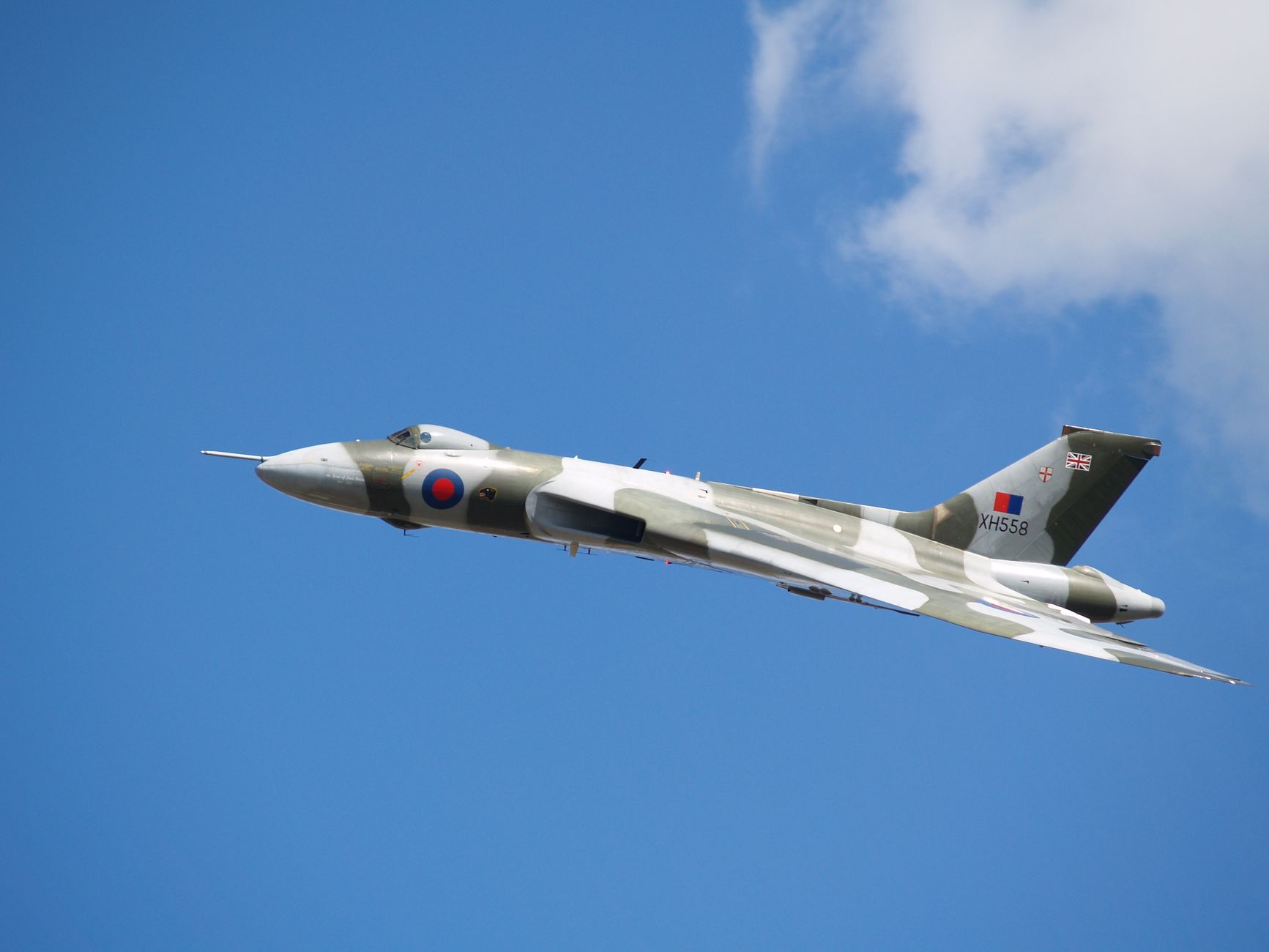
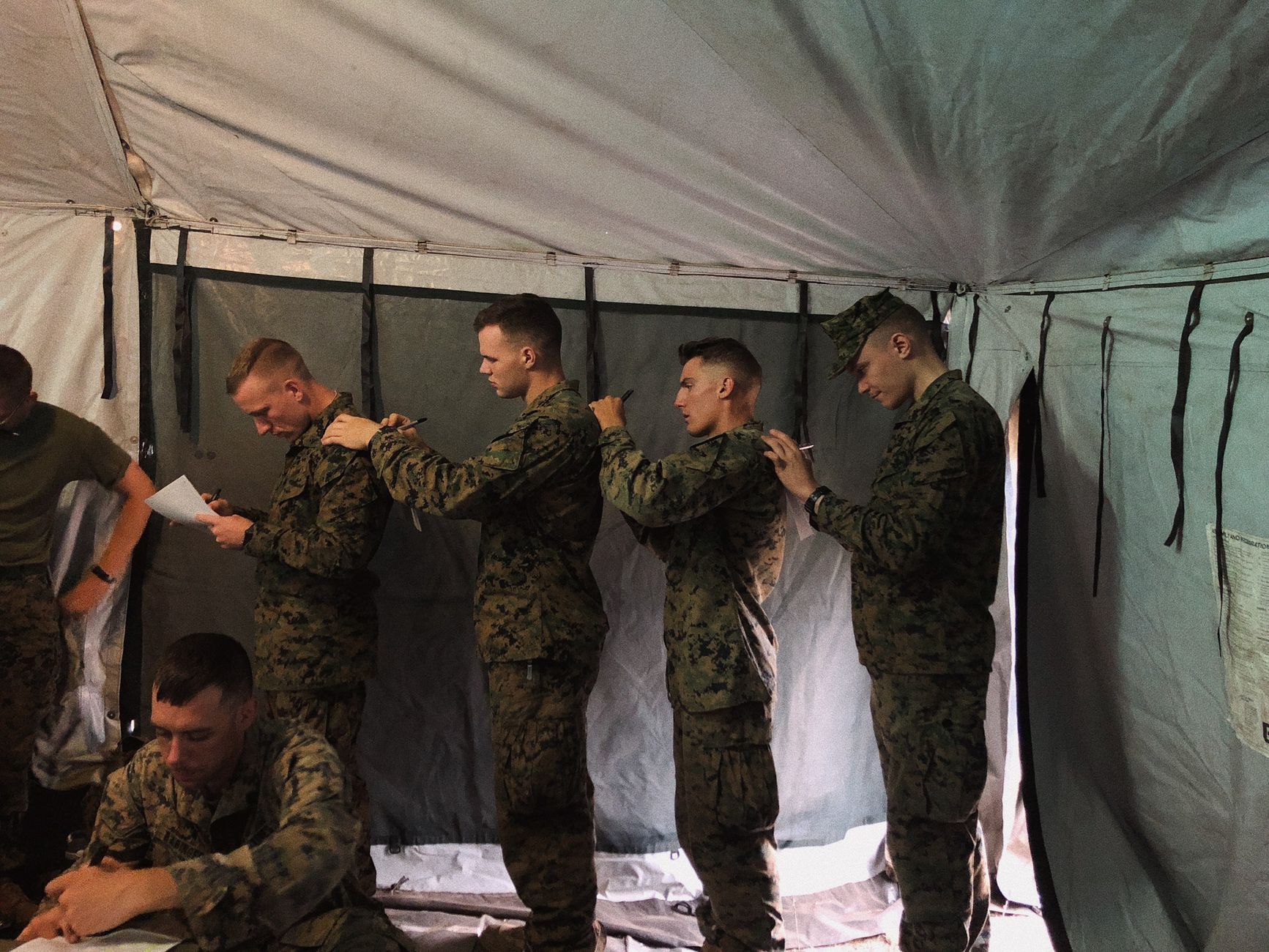
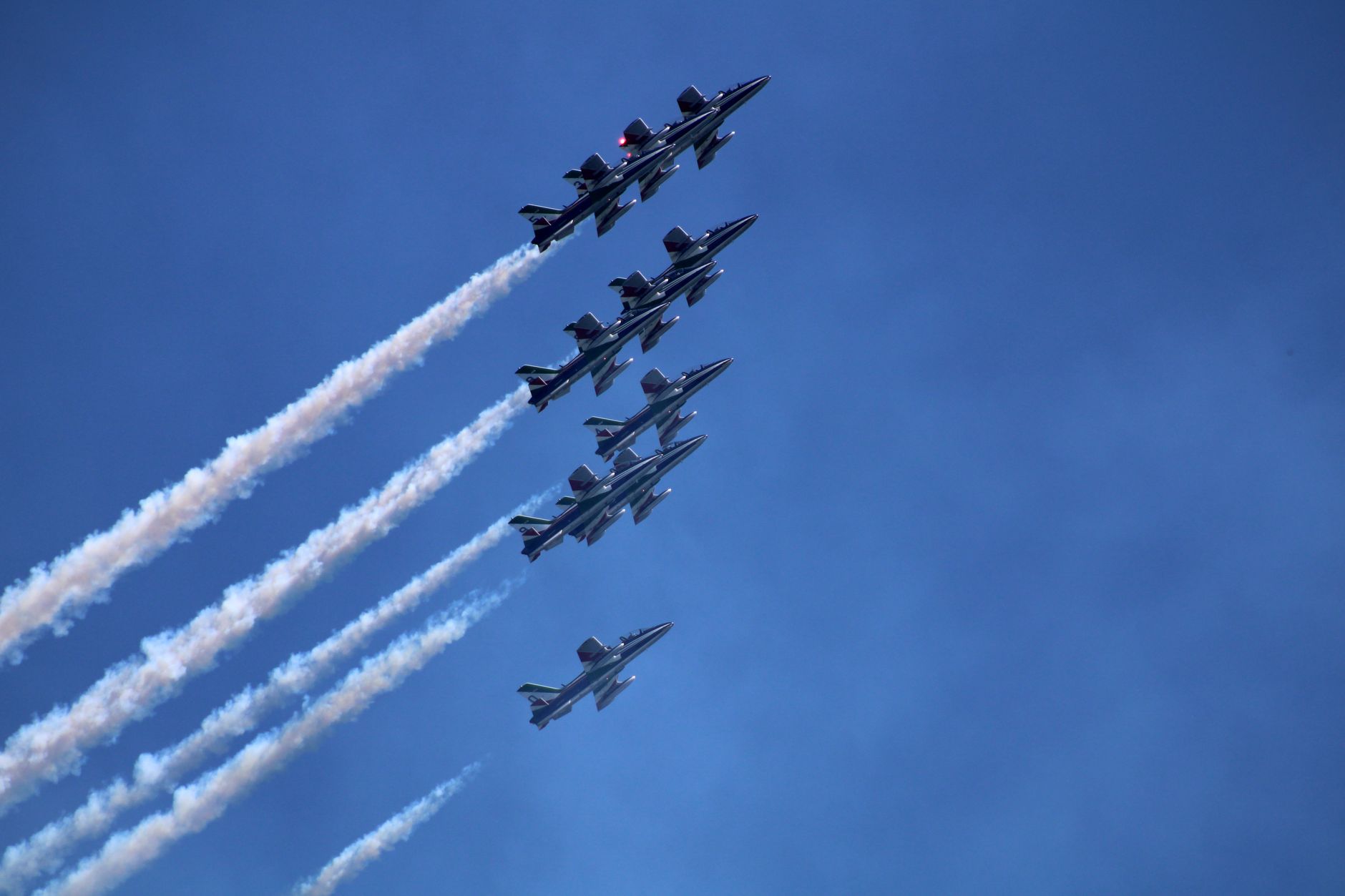
- A series of joint U.S.-Israeli military exercises in the Persian Gulf and Eastern Mediterranean signals a clear readiness for potential preemptive strikes against Iranian nuclear facilities.
- Despite stringent economic sanctions and diplomatic pressure, Iran has consistently refused to halt its nuclear advancements, leading to calls for more decisive international action.
- The international community remains deeply divided on the most effective approach, with some nations advocating for renewed diplomacy and others warning that military intervention may be inevitable.
- Regional stability hangs precariously, as any direct conflict could rapidly draw in neighboring countries, disrupt global energy markets, and trigger widespread humanitarian crises.
The Human Face
The omnipresent specter of conflict casts a long, chilling shadow over the daily lives of ordinary Iranians. For countless families, mere existence is already an arduous struggle, burdened by the relentless weight of international sanctions, persistent economic hardship, and pervasive political repression. The very notion of military strikes evokes not only profound fear for their immediate safety but also deep, gnawing uncertainty about the future trajectory of their nation and the well-being of their loved ones. Many vividly recall the devastating toll of past conflicts, desperately clinging to the hope for a peaceful resolution that, with each passing day, seems increasingly elusive.
In the bustling streets of Tehran, citizens articulate a complex blend of defiant resilience and palpable apprehension. Small business owners and shopkeepers openly voice anxieties about the potential collapse of their livelihoods, while families quietly begin to stockpile essential goods, bracing for the worst. Young people, particularly, engage in intense debates regarding the profound implications for their mandatory military service, contemplating a future potentially defined by war. The incessant drone of news reports detailing escalating international tensions fuels a pervasive sense of unease, making even short-term planning an impossible task. The psychological impact of living under such an acute and prolonged threat of war is undeniably profound, manifesting in heightened anxiety, chronic stress, and a palpable sense of collective dread that permeates society.
Across the border in Israel, a similar, though distinct, current of anxiety prevails. Families with members serving in the armed forces live on edge, anticipating potential call-ups and the inherent, grave risks involved in any military confrontation. The traumatic memory of past missile attacks from regional adversaries looms large, prompting widespread concerns about civilian safety, the resilience of critical infrastructure, and the ultimate effectiveness of sophisticated defense systems. While calls for preemptive action are often heard, they are frequently tempered by a sobering understanding of the immense human and economic costs such a conflict would inevitably entail. This creates a complex and emotionally charged landscape for citizens grappling with the prospect of a new regional war.
How We Got Here
The current precipice of crisis represents the bitter culmination of decades of deeply entrenched mistrust and a relentless cycle of escalating provocations. Following the unilateral U.S. withdrawal from the Joint Comprehensive Plan of Action (JCPOA) in 2018, Iran systematically initiated breaches of the agreement's crucial limits on uranium enrichment and advanced centrifuge development. This strategic move, driven by a dual desire to gain significant leverage in future negotiations and to forcefully respond to renewed, crippling sanctions, dramatically shortened its 'breakout time' – the theoretical period required to produce weapons-grade material. International Atomic Energy Agency (IAEA) inspectors have consistently reported increasing difficulties in effectively monitoring Iran's nuclear sites, raising grave alarms about potential clandestine activities and a lack of transparency.
Repeated, exhaustive diplomatic efforts aimed at reviving the original nuclear deal or forging an entirely new, comprehensive agreement have consistently foundered. Each successive round of talks has been met with rigidly entrenched positions, creating an insurmountable impasse. Iran has steadfastly demanded immediate and comprehensive sanctions relief as an absolute prerequisite for any return to compliance, while Western powers have adamantly insisted on verifiable disarmament, enhanced transparency, and a rollback of regional destabilizing activities. This persistent absence of a viable diplomatic off-ramp has inexorably pushed the situation towards a perilous precipice, where military options are now openly discussed as perhaps the only remaining, albeit dangerous, leverage. This prolonged diplomatic paralysis has undeniably emboldened hardliners across all involved factions, further entrenching the cycle of confrontation.
Concurrently, regional proxy conflicts have intensified dramatically, further destabilizing an already volatile Middle East. Iran's unwavering support for various non-state actors and militant groups in Yemen, Lebanon, Syria, and Iraq has been a constant, profound source of friction with the U.S. and Israel. Both nations unequivocally view these actions as direct, material threats to their national security and broader regional interests. The pervasive perception of an unchecked Iranian expansionist agenda, coupled with its alarming nuclear advancements, has solidified the resolve of its adversaries to consider increasingly aggressive countermeasures. This confluence of factors has inexorably led to the current, dangerously heightened state of military alert, bringing the region closer to a full-scale confrontation than at any point in recent memory.
Why This Cannot Be Ignored
An armed conflict with Iran would unleash truly catastrophic consequences, reverberating far beyond the immediate battlegrounds of the Middle East to profoundly impact the entire global economy and geopolitical landscape. The immediate humanitarian toll would be staggering, characterized by widespread civilian casualties, massive internal displacement, and the systematic destruction of critical infrastructure across the region. Beyond the direct, horrific impact, such a war would inevitably trigger severe disruptions to global oil supplies, sending energy prices skyrocketing to unprecedented levels and almost certainly precipitating a worldwide economic recession. The ripple effects would be acutely felt in every major capital, destabilizing financial markets and exacerbating existing international tensions, creating a cascade of global crises.
Furthermore, the potential for rapid and uncontrolled regional escalation is alarmingly high. Iran possesses a sophisticated and diverse array of conventional and asymmetric military capabilities, including advanced ballistic missiles, lethal drones, and a deeply entrenched network of proxy forces strategically positioned across the Middle East. Any military strike on Iranian soil would almost certainly provoke immediate and forceful retaliatory actions against U.S. military assets, Israeli civilian and military targets, and crucial shipping lanes in the strategically vital Persian Gulf. This volatile scenario could very quickly draw in other regional powers, transforming a localized conflict into a broader, devastating regional war with utterly unpredictable outcomes, potentially even involving the perilous risk of nuclear proliferation if Iran feels cornered and desperate.
The long-term implications for international non-proliferation efforts are equally dire and profoundly concerning. Should Iran successfully develop nuclear weapons, or if a conflict were to erupt specifically over its nuclear program, it could irrevocably trigger a dangerous and destabilizing arms race across the entire Middle East, inspiring other regional nations to pursue their own nuclear deterrents. This would fundamentally undermine decades of painstaking global efforts to prevent the spread of nuclear technology and could plunge the world into a new, far more dangerous era of instability and heightened existential risk. The geopolitical stakes are simply too high to ignore the looming threat, demanding immediate and concerted international attention to avert a global catastrophe.
Possible Paths Forward
Despite the increasingly grim and volatile outlook, diplomatic avenues, however narrow or challenging, must be exhaustively pursued and explored with renewed vigor. A revitalized, multilateral negotiation framework, potentially involving a broader and more diverse coalition of world powers, could still offer a viable path to de-escalation and a sustainable resolution. This would unequivocally necessitate significant, painful concessions from all involved parties: Iran would be required to commit to stringent, verifiable limits on its nuclear program and demonstrate unprecedented transparency, while the U.S. and its allies would need to offer substantial, credible sanctions relief and robust security assurances. The overarching goal must be a comprehensive agreement that meticulously addresses both nuclear proliferation concerns and broader regional security issues, thereby breaking the entrenched cycle of distrust and confrontation.
Alternatively, a carefully calibrated strategy of robust deterrence, meticulously coupled with targeted, non-military pressure, warrants serious exploration. This complex approach involves maintaining a highly credible military threat, not for immediate action, but to unequivocally discourage any further Iranian nuclear advancements or aggressive regional behavior. Simultaneously, it would entail intensifying sophisticated cyber operations specifically aimed at degrading Iran's nuclear infrastructure and bolstering covert or overt support for internal opposition movements within the country. The strategic aim would be to systematically degrade Iran's capabilities and exert significant pressure on its regime without resorting to overt military conflict. However, such an approach inherently carries its own substantial risks of miscalculation, unintended escalation, and unpredictable blowback, demanding extreme caution and precise execution.
Finally, the option of a limited, precision military strike, specifically designed to degrade critical nuclear facilities, regrettably remains on the table, albeit one fraught with extreme and profound danger. Proponents of this drastic measure argue that such a strike could potentially set back Iran's nuclear program by several years, thereby buying crucial time for renewed diplomatic efforts or even regime change from within. Conversely, opponents vehemently warn that any such action would almost certainly trigger a wider, devastating regional conflict, galvanize the Iranian populace against external aggressors, and paradoxically accelerate Iran's determined drive for nuclear weapons as an ultimate deterrent. The decision to undertake such an action would represent a monumental, irreversible gamble with truly global ramifications, potentially plunging the world into an unprecedented era of instability.

Questions People Are Actually Asking
What to Watch
- Any new or updated reports from the International Atomic Energy Agency (IAEA) on Iran's uranium enrichment levels or its cooperation with inspectors will serve as critical indicators of its nuclear progress and intentions.
- Statements and declarations from high-ranking U.S. and Israeli officials regarding 'red lines,' military readiness, or strategic intentions will signal potential shifts in policy and the perceived imminence of action.
- Significant movements of naval assets in the strategically vital Persian Gulf and Strait of Hormuz, particularly any increase in joint military exercises, could indicate heightened preparations for conflict.
- The stability of existing regional proxy conflicts in Yemen, Syria, and Iraq, as any sudden flare-up or intensification could easily serve as a trigger or pretext for broader, more direct military escalation.
- Internal political developments within Iran, including any significant protests, shifts in leadership, or changes in the Revolutionary Guard Corps' posture, could profoundly influence the regime's calculations and responses.
- Global oil prices and the reactions of international financial markets, as they often serve as sensitive barometers reflecting investor anxiety and the perceived likelihood of conflict in the energy-rich region.












Comments
No comments yet. Be the first to comment!